China Top 10 Ways to Reduce Warehouse Downtime

Time:2026-09-29 Author:Aria
0%

Warehouse downtime rarely begins with a dramatic equipment failure. It often starts with a blinking scanner, a delayed replenishment pallet, or one missing battery. These small interruptions quietly reduce throughput, increase labor pressure, and frustrate customers waiting for accurate orders.

This guide, China Top 10 Ways to Reduce Warehouse Downtime, explains how to reduce downtime in warehouse operations through practical, measurable controls. It covers preventive maintenance, spare-parts planning, equipment inspections, workforce training, inventory accuracy, and clearer escalation procedures. Each method connects daily warehouse activity with measurable results, including mean time to repair, order-cycle time, pick rates, and unplanned stoppage hours.

W. Edwards Deming, a respected quality and operations expert, said, “Without data, you’re just another person with an opinion.” That principle matters on the warehouse floor. A supervisor should record when a conveyor stops, how long repairs take, and what caused the interruption. Guesswork is expensive.

Small details matter. A charging station needs visible status labels. A forklift inspection should identify worn tires before a shift begins. A backup printer can protect an entire packing lane. Not every solution requires expensive automation.

Some recommendations may fail in a specific facility. Layout, product mix, staffing, and equipment age change the outcome. That is the uncomfortable part. Improvement requires testing, reviewing results, and admitting when a familiar process no longer works. A perfect warehouse is unrealistic. A more resilient one is achievable.
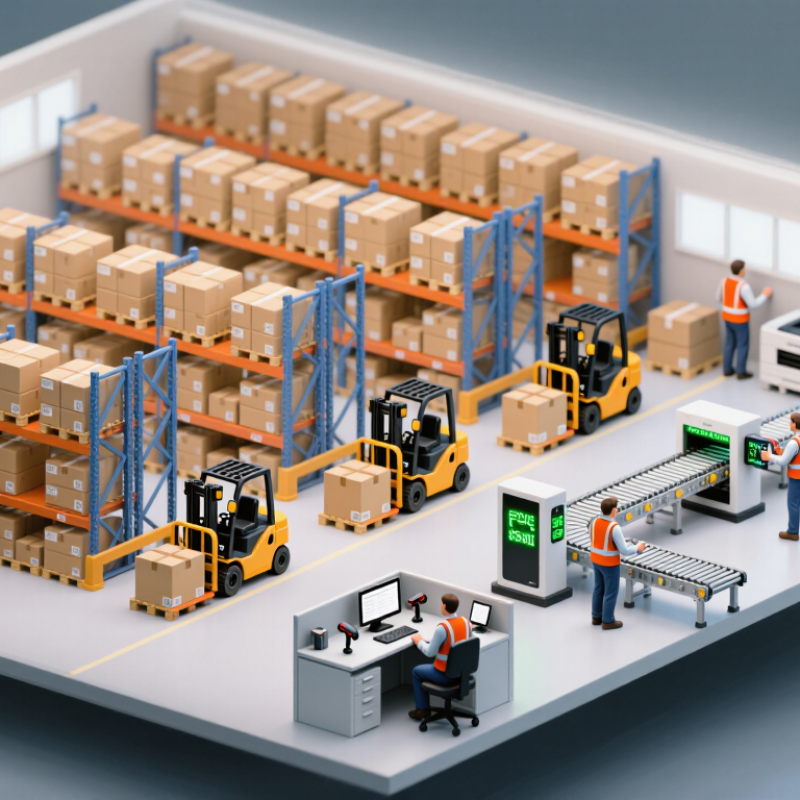
China Top 10 Ways to Reduce Warehouse Downtime

Warehouse Downtime: Causes and Operational Impact in China

China Top 10 Ways to Reduce Warehouse Downtime

Warehouse downtime in China often begins with small operational weaknesses. A delayed inbound truck can quickly block a busy receiving dock. Network outages, scanner failures, equipment faults, and labor shortages create similar pressure. During seasonal peaks, limited staging space makes every delay more expensive. Orders wait longer, workers rush, and error rates usually increase. Customers may then face late deliveries or incomplete shipments.

The operational impact extends beyond lost working hours. Idle conveyors consume resources without moving goods. Emergency repairs can disturb planned maintenance and increase overtime costs. Poor inventory visibility may also cause unnecessary purchasing or missed dispatches. In warehouse assessments, teams sometimes blame equipment first. That view is incomplete. Weak shift handovers and unclear escalation rules often extend the outage. No recovery plan works perfectly. Managers should review real incidents, including uncomfortable mistakes, instead of hiding them.

Tips: Track downtime by cause, duration, and affected process. Keep critical spare parts near service areas. Test backup power and network procedures during quiet shifts. Use short pre-shift checks for scanners, conveyors, dock doors, and safety controls. Assign one decision-maker during disruptions. Review peak-season capacity before demand rises. These actions may seem basic, but consistency matters more than complex dashboards.

Preventive Maintenance for Warehouse Equipment and Systems

Warehouse downtime often begins with a small warning: a warm motor, a loose belt, or an unusual vibration. Preventive maintenance turns these clues into scheduled work before they become costly stoppages. In my experience, technicians find more problems during short daily inspections than during emergency repairs. Walk operators through a five-minute check at shift change. Ask them to record noise, heat, leaks, damaged guards, and slow movement. Simple observations matter.

Create maintenance schedules from equipment manuals, operating hours, and failure history. Inspect conveyor rollers weekly, clean sensors carefully, test emergency stops monthly, and check fasteners for movement. Lubrication needs the correct quantity; excess grease can attract dust and damage moving parts. Keep replacement belts, fuses, bearings, and sensor cables in a labeled cabinet. A missing low-cost part can extend downtime for hours. Track every inspection with the date, finding, action, and responsible person. This record supports accountability and reveals repeated failures.

Do not treat a checklist as proof of reliability. A box can be checked while a machine remains unsafe or poorly adjusted. Review recurring faults with maintenance and operations staff, then change the schedule when evidence supports it. Thermal readings and vibration trends can expose gradual wear, but instruments also need calibration. That detail is easy to overlook. Test backup power, network connections, and control software during planned windows. Maybe the schedule is too optimistic. Honest review keeps it useful.

Inventory Accuracy and Process Standardization

China Top 10 Ways to Reduce Warehouse Downtime

Inventory Accuracy and Process Standardization

Inventory errors can stop work long before a machine fails. A picker reaches an empty bin, checks nearby locations, then asks a supervisor to investigate. That delay spreads across the shift. WERC’s DC Measures benchmarking has reported median inventory count accuracy of about 99 percent, showing how high-performing warehouses track this measure closely. The remaining errors still matter. A small mismatch in a fast-moving part can disrupt replenishment, picking, and dispatch.

Use cycle counts to check high-turnover and high-value stock more often. Record each count at the bin, and investigate discrepancies before adjusting system quantities. Keep location labels clear and consistent.

Simple routines help. Standardize receiving, put-away, replenishment, and exception handling with short, usable work instructions. For example, define where staff place damaged cartons and who confirms the quantity. Review the process during shift handovers, not only during audits.

Still, standardization can become paperwork if instructions ignore real floor conditions. Ask operators where steps cause delays, then revise the procedure and train the team. Track count accuracy alongside missed picks and downtime, so managers can spot whether a recurring error comes from data, training, or layout.

Workforce Training, Safety, and Emergency Response

In Chinese warehouses, downtime often begins with a small human error: a missed handoff, an unclear alarm, or a worker unsure which aisle to close. Train each shift on the actual layout, not just a slide deck. Practice scanning damaged pallets, reporting blocked exits, and isolating equipment before maintenance arrives. Keep instructions near charging areas and loading doors, where quick decisions matter. Short drills help. They also reveal gaps.

Safety training should include seasonal risks. Summer heat can slow concentration, while wet floors near dock doors increase slipping hazards. Supervisors can check hydration breaks, floor conditions, and protective equipment during routine walk-throughs. New workers need a named trainer for their first shifts. A checklist helps, but it cannot replace watching how people work. We should admit that training records may look complete while workers still feel rushed.

Emergency response needs clear roles and simple communication. Post evacuation routes, assembly points, and emergency contacts where staff can see them from the floor. Run drills for fire alarms, power loss, and severe weather, then record how long each team takes to account for workers. Keep first-aid supplies accessible and inspect them on a schedule. After a drill, ask workers what was confusing. Their answers may be inconvenient, but they can expose weak handoffs before a real incident stops operations.

China Top 10 Ways to Reduce Warehouse Downtime - Workforce Training, Safety, and Emergency Response

Rank Downtime-Reduction Method Workforce and Safety Actions How It Helps Prevent Downtime Operational Measure Review Cadence
1 Role-based onboarding and refresher training Train workers on site rules, equipment limits, pedestrian routes, hazard reporting, and task-specific procedures. Verify understanding before independent work. Reduces avoidable errors, unsafe equipment use, and incidents that interrupt warehouse operations. Training completion and competency-check records by role. At onboarding, when procedures change, and on a planned refresher schedule.
2 Cross-train staff for critical tasks Qualify more than one worker for essential processes such as receiving, picking, packing, and shift handover. Assign only trained workers to equipment-specific tasks. Helps maintain essential workflows when workers are absent or demand changes across shifts. Number of qualified workers per critical task and uncovered shift assignments. Review staffing coverage each shift and skills records regularly.
3 Authorize and assess powered-equipment operators Provide equipment-specific instruction and practical assessment; confirm workers are authorized under applicable requirements before operating powered industrial trucks or other equipment. Lowers the likelihood of collisions, equipment damage, and injury-related stoppages. Current authorization records, assessment status, and equipment-related incident reports. Before assignment and whenever equipment, task, or observed performance requires reassessment.
4 Use pre-shift equipment inspections Train operators to check equipment condition before use, report defects promptly, and remove unsafe equipment from service in accordance with site procedures. Finds developing faults before they cause an equipment failure or create a hazard during operations. Completed inspection records, defects reported, and time to resolve safety-critical defects. Before use, with defect status checked during shift handover.
5 Separate pedestrian and vehicle traffic Mark routes and crossing points, keep sightlines clear, set site speed rules, and train workers and visitors to follow traffic controls. Reduces the risk of vehicle-pedestrian incidents that can injure people and close work areas. Traffic-control inspection findings, reported near misses, and blocked-route observations. Inspect routinely and after layout changes or reported near misses.
6 Keep aisles, exits, and fire-protection access clear Assign housekeeping checks, remove obstructions, maintain clear access to emergency exits and firefighting equipment, and report blocked routes immediately. Prevents avoidable access delays and supports safe evacuation and emergency response. Housekeeping inspection findings and time to clear reported obstructions. Check during each shift and include in scheduled site inspections.
7 Encourage near-miss and hazard reporting Provide a clear reporting route, respond without discouraging good-faith reports, investigate causes, and communicate corrective actions to affected teams. Enables hazards and recurring process problems to be addressed before they lead to injuries or operational interruptions. Reports reviewed, corrective actions assigned, and overdue actions. Review reports promptly and track actions to closure.
8 Prepare for fire, injury, spill, and utility emergencies Maintain site-specific response procedures, define responsibilities, identify emergency contacts, and train workers on alarm, evacuation, and incident-reporting steps. Reduces confusion and helps personnel take consistent action when an emergency interrupts work. Procedure review status, worker awareness checks, and emergency equipment inspection records. Review when site conditions or procedures change and on the site’s planned schedule.
9 Conduct and review emergency drills Practice relevant scenarios, such as evacuation or medical response; account for workers and visitors, record observations, and assign improvements. Tests whether people understand their roles and reveals gaps that can slow a real response. Drill participation, accountability check results, observations, and completion of follow-up actions. According to the site emergency plan and applicable local requirements.
10 Use clear shift handovers and escalation rules Record equipment faults, open safety issues, blocked locations, staffing gaps, and workarounds; identify who must be notified when an issue threatens safe operation. Prevents unresolved problems from being missed or repeated across shifts and supports faster coordinated action. Handover completion, unresolved issues with assigned owners, and escalation response records. At every shift change and whenever a critical issue arises.

Note: Measures and review cadences are operational planning suggestions. Set site-specific targets based on risk assessments, warehouse processes, and applicable requirements in China.

Technology, Data Monitoring, and Continuous Improvement

China Top 10 Ways to Reduce Warehouse Downtime

Warehouse downtime often starts with small signals: rising scan errors, slower conveyor cycles, or repeated location faults. Technology can expose these patterns before they stop an entire shift. The 2024 MHI Annual Industry Report found that 55% of supply chain leaders planned to increase technology investment. However, tools alone cannot repair weak processes. Supervisors should connect warehouse management systems, equipment sensors, and labor data on one live dashboard. A five-minute delay in replenishment may look minor. Across 1,000 daily orders, it becomes expensive.

Data monitoring needs practical thresholds. Track equipment availability, order cycle time, picking accuracy, battery health, and unplanned stops by zone. WERC industry benchmarks place best-in-class order-picking accuracy close to 99.9%. That target requires clean data and disciplined checks. Alerts should reach the right person quickly, with clear actions attached. A flashing red screen is not a maintenance plan. It may also create alert fatigue.

Tips: Review downtime records every morning. Compare the same hour across different days. Test one corrective action at a time. Keep a paper fallback for system outages. It sounds old-fashioned. Yet resilience sometimes depends on simple habits. Continuous improvement meetings should include operators, technicians, and planners. Their experience often explains what the dashboard misses. Our own assumptions can be wrong. A sensor may report normal operation while workers quietly bypass a damaged scanner. Record these exceptions, investigate the cause, and update the process rather than blaming the user.

China: Top 10 Ways to Reduce Warehouse Downtime

Technology, Data Monitoring, and Continuous Improvement

The chart presents representative operational benchmark estimates for potential downtime reduction after disciplined implementation. Preventive maintenance, real-time monitoring, spare-parts planning, and standardized work typically deliver the strongest impact when combined with root-cause analysis and continuous improvement.

FAQS

What commonly causes warehouse downtime?

Delayed trucks, network outages, scanner failures, equipment faults, and staff shortages can interrupt work. Small delays can quickly block a receiving dock.

How can teams reduce equipment failures?

Use brief shift-change checks. Look for warm motors, loose belts, unusual vibration, leaks, and slow movement. Small clues matter.

What should a maintenance inspection record include?

Record the date, problem, action taken, and responsible person. This helps reveal repeated faults, though records alone do not guarantee reliable equipment.

Which spare parts should warehouses keep nearby?

Store commonly needed belts, fuses, bearings, and sensor cables in a labeled cabinet near service areas. A missing small part can cost hours.

How can warehouses prepare for network or power outages?

Test backup power, network procedures, and control systems during quiet periods. A test may still miss problems, so review real incidents too.

How can inventory errors disrupt daily operations?

A picker may find an empty bin, search nearby locations, and wait for a supervisor. That delay can slow replenishment and dispatch.

What practices can improve inventory accuracy?

Count high-turnover and high-value stock more often. Check quantities at the bin, investigate mismatches, and use clear location labels.

How should warehouse teams standardize work procedures?

Write short instructions for receiving, put-away, replenishment, and damaged cartons. Ask operators where steps cause delays, then revise the instructions. They may need another review.

Conclusion

Warehouse downtime can interrupt receiving, storage, picking, and shipping, leading to delayed orders, higher labor costs, inventory discrepancies, and reduced customer satisfaction. This article explains how to reduce downtime in warehouse operations by identifying common causes such as equipment failures, inaccurate inventory data, inefficient workflows, insufficient training, and weak emergency procedures. It emphasizes preventive maintenance for handling equipment, storage systems, electrical infrastructure, and warehouse software to detect risks before they cause extended interruptions.

Operational stability also depends on accurate inventory records, standardized processes, clear work instructions, and regular employee training. A strong safety culture and practical emergency response plan can help teams react quickly while protecting people and assets. In addition, technology can support real-time equipment monitoring, performance tracking, automated alerts, and data-based decision-making. By reviewing key performance indicators, analyzing recurring disruptions, and continuously improving procedures, warehouses in China can build more reliable operations, minimize avoidable delays, and maintain consistent service quality.

Aria

Aria

Aria is a dedicated marketing professional with a deep passion for innovative strategies and a keen understanding of our company's product offerings. With a wealth of experience in the industry, Aria excels at crafting engaging content that highlights the unique features and benefits of our......