Supply Chain Automation Equipment Manufacturers & Suppliers

Pioneering Material Handling, Intelligent Sorting Systems, and Integrated Robotics for High-Throughput Modern Warehousing & Industry 4.0 Applications.

1. Executive Summary & Original Mission

In the modern era of industrial distribution, warehouse optimization is no longer a luxury but an existential necessity. As highlighted by Shenzhen JK Logistics Co., Ltd., the core of any high-yield logistics operation relies on its infrastructure. As a premier Warehouse Conveyor Systems Manufacturer, we specialize in high-precision material handling, automated sorting structures, and complete logistics automation pipelines customized for modern distribution centers, sorting depots, and high-throughput manufacturing plants.

Headquartered in Shenzhen, China—the global epicenter of hardware innovation—our engineering ecosystem focuses exclusively on developing intelligent automated machinery. These state-of-the-art designs are deployed to optimize internal material pathways, reduce process latency, minimize human error rates, and support the highly dynamic demands of trans-continental supply networks. By merging cutting-edge control interfaces with rugged structural design, we construct reliable material flow lifelines for worldwide applications.
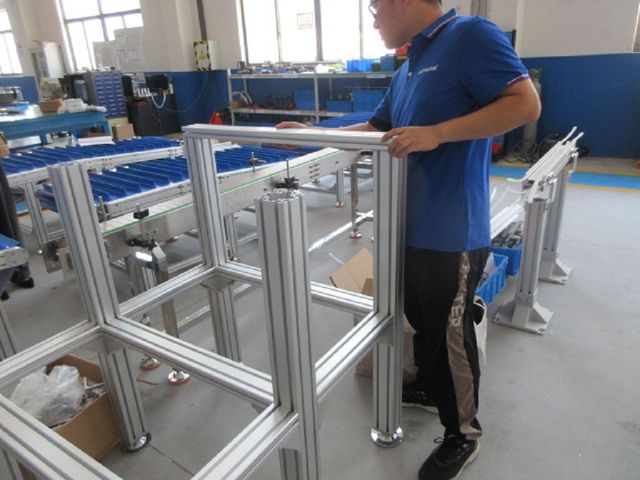
Automated Conveyor Infrastructure

2. Global Procurement Demands & Industry Metrology

Key operational benchmarks prompting international enterprises to transition from manual logistics platforms to autonomous material flow.

45%
OPEX Reduction
99.9%
Sorting Accuracy
3x
Throughput Velocity
18 Mo.
Average ROI

Corporate procurement strategies are shifting dramatically due to escalating global labor costs, demographic shifts, and the rapid rise of multi-channel micro-fulfillment models. Modern procurement departments evaluate automation through the lens of Total Cost of Ownership (TCO), focusing on the following critical parameters:
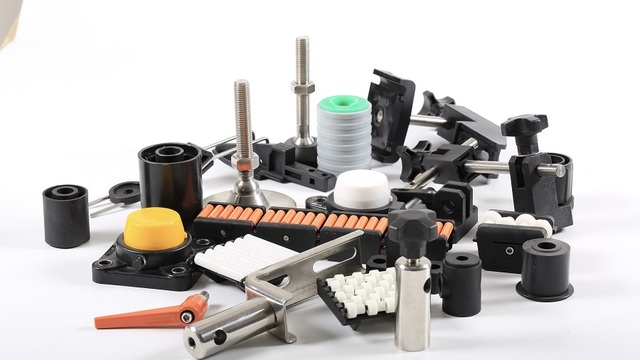
  • System Reliability & MTBF: High-density distribution pipelines operate 24/7/365. Mean Time Between Failures (MTBF) must be minimized using components like openable cable carriers, hardened steel double-speed chains, and diagnostic PLC feedback.
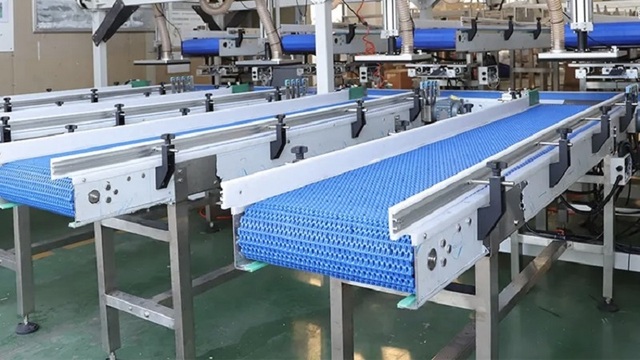
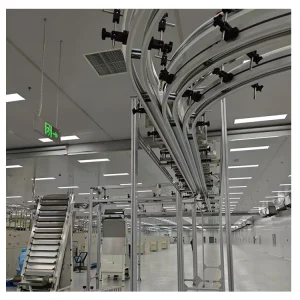
  • Dynamic Modular Scaling: Automated equipment must integrate cleanly into pre-existing warehouse footprints. Modular flexible chain conveyors allow facilities to expand incrementally as throughput needs change.
  • Power Efficiency: With global standards pivoting toward ESG compliance, modern conveyor drives must utilize variable-frequency drives (VFDs) and high-efficiency induction motors to reduce the plant carbon footprint.
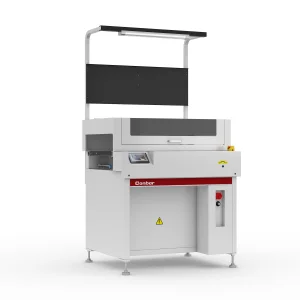
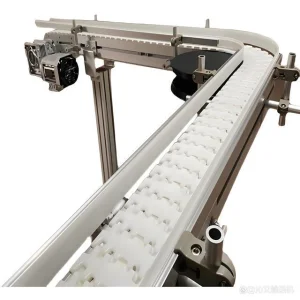
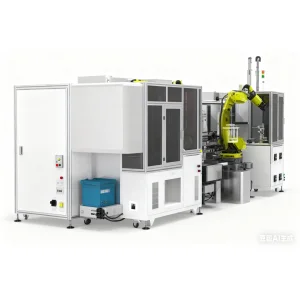
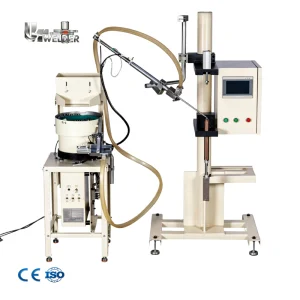
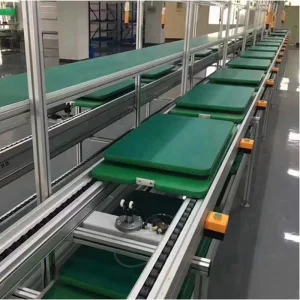
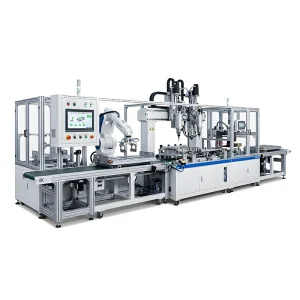
Conveyor Assembly Plant Industrial Sorting Modules Intelligent Control Assembly

3. Macro Industry Solutions: Segment-Specific Blueprints

Tailoring complex mechanical execution to the unique operational environments of diverse industry sectors.

E-commerce & retail 3PL

High-speed parcel sorting hubs featuring loop systems, intelligent curved link guides, and multi-lane divergence modules. Reduces cycle time from order creation to freight consolidation by up to 65%.

Precision Electronics & SMT

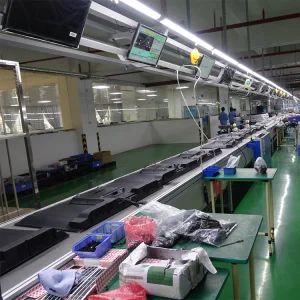
PLC-controlled chain conveyors configured with bearing inspection modes, dynamic LED warning towers, and cleanroom compatibility (ISO Class 5/6) for micro-PCB processing and LCD TV assembly.

Automotive Hardware & New Energy

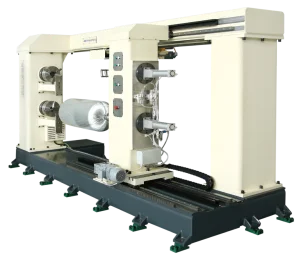
Heavy-duty double-speed chain conveyors, custom gantry fiber winding machinery, and high-load rotators integrated into battery assembly lines and mechanical metal forming cells.
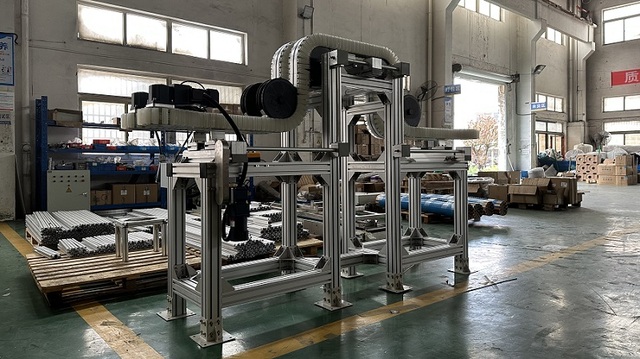
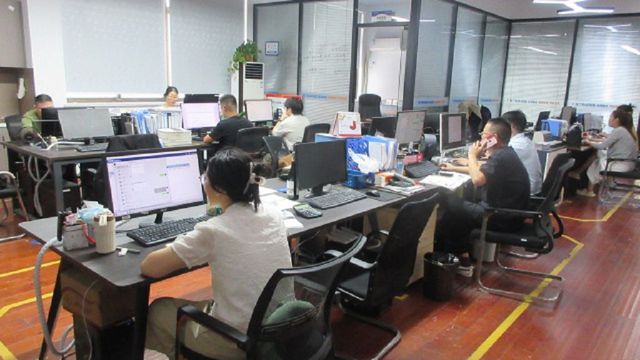
Conveyor Engineering Internals High Precision Testing Line

4. Technical Roadmap & Future Engineering Outlook

The intersection of machine learning, IIoT (Industrial Internet of Things), and precision kinematics marks the next frontier of material handling. At Shenzhen JK Logistics Co., Ltd., we are updating our equipment portfolios to align with three primary technological vectors:

Decentralized Edge Controls

Modern material sorting lines are transitioning away from bulky centralized control cabinets. Our newest speed-chain installations utilize localized smart sensors and distributed PLC architectures (including Modbus, EtherCAT, and Profinet protocols). This design limits wiring congestion, offers faster diagnostic isolation, and ensures that if one zone goes offline, the rest of the line continues processing without disruption.

Advanced Tribology & Wear-Resistant Polymers

System lifespan is directly determined by the friction profiles of the conveyor interfaces. By implementing advanced carbon-steel blends, customized aluminum extrusions, and aerospace-grade polymer wear strips, our flexible conveyors run smoothly at higher velocities with minimal noise generation (often below 62 dB).

Closed-Loop Predictive Telemetry

We are embedding predictive health-monitoring sensors inside high-load bearings and motors. These modules communicate real-time operating heat indices, vibration anomalies, and rotational load metrics to centralized Warehouse Control Systems (WCS). Facility managers can prevent mechanical faults before they cause downstream line stoppages.

5. Global Commercial Status & Industrial Footprint

Deploying engineering resources to key consumer zones across Asia, Europe, North America, South America, and the Middle East.

As a global manufacturing partner, Shenzhen JK Logistics Co., Ltd. serves major commerce channels across several key regions:

  • Europe & North America: Delivering heavy-duty automated sorting equipment compliant with safety standards like CE, UL, and OSHA, geared to solve structural labor deficits in logistics hubs.
  • Asia-Pacific: Supporting rapid micro-fulfillment distribution networks with high-precision SMT conveyors and flexible production systems.
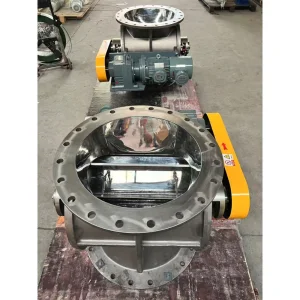
  • South America & Middle East: Developing customized bulk handling, rotary feeders, and dust collection interfaces for mining, agricultural processing, and heavy industrial operations.

Our active installations span hundreds of distribution facilities worldwide, showing that customized structural engineering coupled with responsive technical support can create highly productive, long-term partnerships.
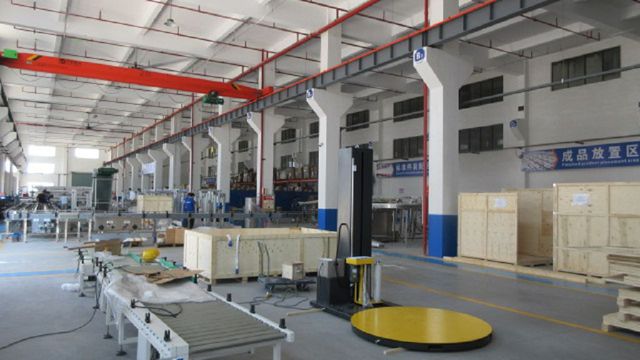
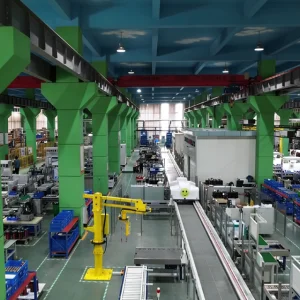
Global Shipping and Logistics Automation Site

6. Localized Support, Compliance, & Structural Quality Assurance

Protecting investments through rigorous material testing protocols, global engineering standards, and responsive regional service networks.
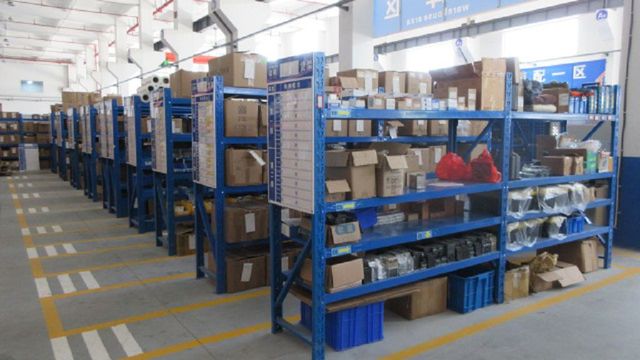
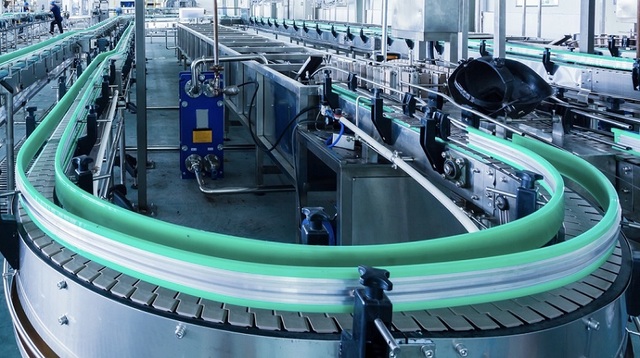
Production Inspection Team Finished Equipment Quality Checks

Reliable automation equipment requires a strict manufacturing strategy. JK Logistics maintains an integrated Quality Management System (QMS) that governs every phase of production, from initial structural drawings to final on-site commissioning:

  • Strict Material Inspection: We run structural inspections on incoming carbon steel, stainless steel, and aluminum alloys. Any anomalies in thickness, tensile strength, or finish result in immediate rejection.
  • Global Safety Compliances: All conveyor equipment, SMT lines, and robotic cable carriers are engineered to meet CE directives, DIN engineering standards, and international dust containment requirements (e.g., DN150-DN500 parameters).
  • Pre-Shipment Testing: Systems undergo continuous test cycles before leaving the factory. These tests evaluate motor thermals, chain tension stability, belt tracking accuracy, and PLC signaling under full load conditions.
  • Commissioning Support: We collaborate with local field technicians across North America, Europe, and Asia to help users transition seamlessly from shipping delivery to daily production operations.

7. Technical FAQ & Engineering Insights

Answering common technical questions about custom design limits, PLC configuration, and material handling integrations.
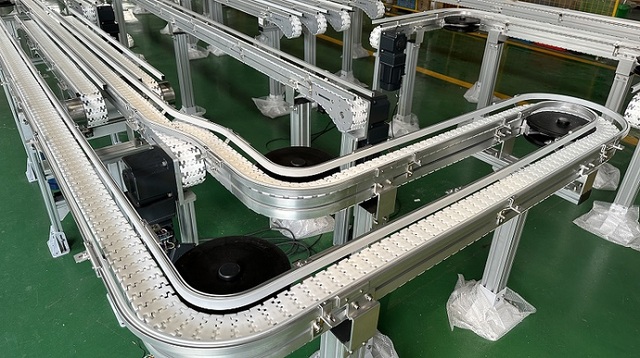
Q1: How does JK Logistics approach custom structural configurations?
Our engineering team uses 3D CAD modeling to design layouts tailored to your plant footprint. We evaluate parameters like product geometry, payload weight, required throughput speeds, and environmental factors (e.g., cleanroom needs, extreme temperatures, or potential dust hazards) to deliver highly customized systems.
Q2: What control systems are compatible with your speed chain lines?
We primarily build around industry-standard PLC brands, including Siemens, Mitsubishi, and Omron. These systems support standard industrial networks (like EtherCAT, Profinet, and Modbus), allowing for easy integration with WCS, WMS, and ERP host networks.
Q3: How do you optimize SMT PCB conveyors for anti-static and clean environments?
Our high-precision SMT conveyors use conductive ESD-safe transport belts, anti-static component guides, and brush grounding systems. Frame components are made of anodized aluminum to prevent particle shedding, matching cleanroom requirements for delicate electronic assembly.
Q4: What is the normal timeline for custom machinery projects?
Standard modular systems are typically delivered within 4 to 6 weeks. Complex, custom-engineered manufacturing lines or large-scale sorting configurations generally require 8 to 12 weeks, which covers engineering design, component sourcing, production, and full factory testing.
Q5: Do you supply replacement parts, and how are cable carriers maintained?
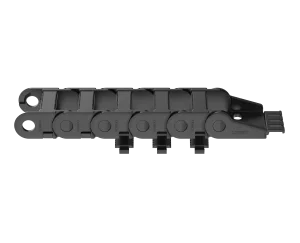
Yes, we provide spare parts like wear strips, chains, sensors, and motors. Our mini robot drag chains feature openable covers, allowing maintenance teams to inspect, repair, or swap cables with minimal downtime.
Q6: How do anti-blocking rotary feeders handle abrasive or hot materials?
Our VCD chain transmission rotary feeders can be built using cast iron, carbon steel, or high-grade stainless steels. We offer optional carbide coatings and specialized heat-resistant seals to handle abrasive dusts and high-temperature materials without seizing.
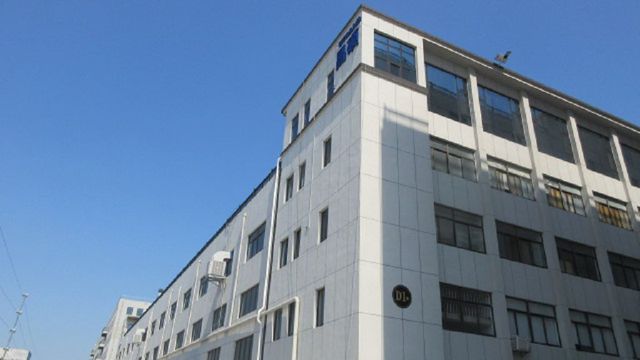
Comprehensive Manufacturing Facility
All Supply Chain Automation Equipment Products