China Best Warehouse Solutions What Are Common Bottlenecks?

Time:2026-07-16 Author:Mason
0%

In today's rapidly evolving supply chain landscape, efficiency is paramount. Warehousing stands at the core of logistics operations and affects overall productivity. However, many businesses encounter issues that hinder optimal performance. This raises the question, "what are common warehouse bottlenecks"? According to a report by Logistics Management, inefficient inventory management costs U.S. retailers approximately $1.75 trillion annually.

Common challenges such as insufficient space, outdated technology, and labor shortages plague warehouses across China. Data from the China Federation of Logistics & Purchasing highlights that 40% of warehouses underperform due to these bottlenecks. Issues like poor layout planning can lead to excess movement, directly affecting order fulfillment time. Additionally, real-time data systems may be lacking, making it hard for managers to respond to changing demands.

These bottlenecks are common yet critical. As the industry evolves, businesses must reflect on their practices. They need to assess their operations to address inefficiencies. By understanding these barriers, companies can implement targeted strategies to improve responsiveness and enhance customer satisfaction in a fiercely competitive market.
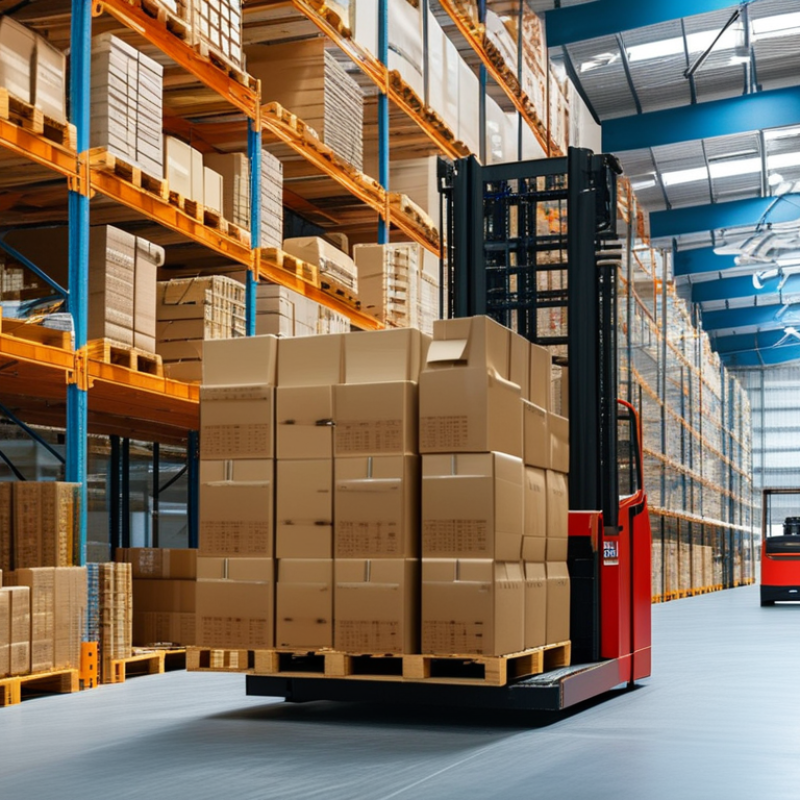
China Best Warehouse Solutions What Are Common Bottlenecks?

Understanding Warehouse Solutions in China

Understanding warehouse solutions in China involves recognizing both the capabilities and challenges faced by businesses. As industry demands grow, warehouses must adapt to various logistical pressures. One common bottleneck arises from inefficient inventory management. This can lead to stockouts or overstock situations, forcing businesses to adjust frequently. The manual processes often used can exacerbate this issue, slowing down operations.

Another significant challenge is space optimization. Many warehouses operate at full capacity, which causes delays in order fulfillment. The layout of the warehouse often reflects outdated practices, leading to unnecessary movement. Equipment may also be inadequate for the volume of goods processed, compromising efficiency. Addressing these concerns requires a reevaluation of existing systems, and this can be met with resistance from staff accustomed to routine.

Furthermore, technology integration remains a key point of reflection. While automation has greatly improved efficiency, not all warehouses leverage it effectively. Some still rely on traditional methods, which can create friction in daily operations. A deeper understanding of the technological landscape is essential for companies looking to compete. The challenge lies in balancing innovation with existing practices, ensuring a gradual yet effective transition.

Common Bottlenecks in Warehouse Solutions in China

Identifying Common Bottlenecks in Warehouse Operations

Warehouse operations in China often face common bottlenecks that hinder efficiency. One major issue is disorganization. When inventory is not properly categorized or labeled, employees waste time searching for items. This confusion can lead to delays in fulfillment and increased labor costs. Improving layout and implementing a logical system helps to mitigate this problem.


Another frequent bottleneck is inadequate technology integration. Many warehouses still rely on outdated systems. Without advanced software, tracking inventory in real-time becomes challenging. A modern Warehouse Management System (WMS) can streamline processes. Investing in technology can provide valuable insights and enhance overall productivity.


Tip: Regularly review storage layouts. Make adjustments based on the flow of goods. Small changes can lead to significant improvements.


Training employees is also crucial. Undertrained staff may not utilize tools effectively. Providing continuous training can empower workers. They will feel more confident in their roles.


Tip: Establish feedback loops. Encourage employees to share their insights. Their front-line experiences can highlight unseen issues.

Analyzing Causes of Warehouse Inefficiencies

Warehouse inefficiencies are common in supply chains. Poor layout often leads to wasted time. If aisles are too narrow, forklifts struggle. This can cause delays. Mislabeled products increase search time. Employees spend extra minutes, even hours, looking for items. These minutes add up quickly in a busy warehouse.

Another bottleneck is outdated technology. Many warehouses still rely on manual processes. This can slow down order fulfillment. Paper tracking systems can create confusion. Modern solutions, like automated inventory systems, can enhance speed and accuracy. However, investing in these technologies can be daunting for some businesses. They fear the costs and complexity involved.

Staff training also plays a crucial role. Inefficient staff creates additional delays. Without proper training, employees may misuse equipment or misinterpret instructions. This leads to mistakes and accidents. Continuous training can reduce these errors. However, many warehouses neglect this responsibility, believing that onboarding is enough. This mindset complicates operations further. A committed workforce is essential for streamlining processes.

Strategies to Overcome Warehouse Challenges

Warehouse operations in China face several common bottlenecks. Inefficient inventory management often leads to delays. Inaccurate stock levels create confusion. This results in lost sales and customer dissatisfaction.


To overcome these challenges, implementing automated inventory systems can help. Such systems provide real-time data on stock levels. They assist in ordering and forecasting demand. Clear communication channels among staff are crucial. Regular training improves employee efficiency and reduces errors.


Another issue is limited space in warehouses. This can cause delays in processing orders. Using vertical space effectively can enhance storage capacity. Also, adopting just-in-time inventory can minimize excess stock. These strategies require careful planning and frequent evaluation for consistent improvement.

Future Trends in China’s Warehouse Solutions

The future of warehouse solutions in China is evolving rapidly. Automation technology is a key driver of change. Many companies are adopting automated systems to streamline operations. These systems enhance efficiency and reduce human error. However, the transition is not without challenges. Many warehouses struggle to integrate new technologies with existing processes.

Data analytics is another crucial trend. Companies are leveraging data to improve inventory management. This allows for better demand forecasting. However, not all organizations have the expertise to analyze this data effectively. Data security also poses a significant concern. As warehouses collect more information, safeguarding this data becomes paramount.

Sustainability is increasingly important in warehouse solutions. Eco-friendly practices are becoming a common focus. From energy-efficient lighting to reusable packaging, companies are seeking greener alternatives. Yet, the initial investment can be daunting. Many organizations may hesitate to adopt these practices due to cost concerns. Balancing innovation with practical challenges will be essential for future success in China's warehousing landscape.

FAQS

: What are common challenges faced by warehouses in China?

: Common challenges include inefficient inventory management, space optimization, and inadequate technology integration.

How does inefficient inventory management impact warehouses?

It can lead to stockouts, overstock situations, and frequent adjustments, slowing down overall operations.

What issues arise from space optimization problems?

Operating at full capacity can cause order delays, and outdated layouts lead to unnecessary movements.

How can warehouses address layout and organization issues?

Improving layout and categorizing inventory can reduce search time and labor costs.

What role does technology play in warehouse efficiency?

Modern technology can streamline processes, but outdated systems can hinder real-time inventory tracking.

Why is training important for warehouse staff?

Undertrained staff may struggle with tools, so continuous training fosters confidence and competence.

How can warehouses encourage employee feedback?

Establishing feedback loops allows employees to share insights, helping to identify unseen issues.

What are some small changes that can improve warehouse operations?

Regularly reviewing storage layouts and making minor adjustments can lead to significant gains.

Why might employees resist changes to existing systems?

Staff may be accustomed to routine, making them hesitant to adopt new practices or technologies.

What is the challenge of integrating technology in warehouses?

Balancing innovation with existing processes can create friction in daily operations requiring careful management.

Conclusion

The article "China Best Warehouse Solutions: What Are Common Bottlenecks?" explores the nuances of warehouse operations in China, emphasizing the importance of understanding effective warehouse solutions. It highlights various common warehouse bottlenecks, such as inadequate inventory management, inefficient layout designs, and labor shortages that can hinder operational efficiency. By analyzing the causes of these inefficiencies, the article sheds light on underlying issues that affect productivity.

To overcome warehouse challenges, the article suggests implementing strategic solutions like leveraging technology for better inventory control and optimizing space utilization. Additionally, it discusses future trends in China’s warehouse solutions, including automation and the increasing role of data analytics in streamlining operations. This comprehensive approach aims to equip businesses with the knowledge to identify and address what are common warehouse bottlenecks, ultimately leading to enhanced operational performance.

Mason

Mason

Mason is a seasoned marketing professional with a deep expertise in the company's offerings and a passion for driving brand awareness. With a strong background in digital marketing strategies, he has an innate ability to connect with diverse audiences and effectively communicate product benefits.......