In today's fast-paced logistics landscape, businesses increasingly seek efficiency. Warehouse automation offers the promise of streamlined operations and improved productivity. However, many companies struggle with how to choose the right warehouse automation solution. This decision is not merely about technology; it reflects a deeper understanding of organizational needs and goals.
Selecting the best solution requires careful consideration. Not all automation systems suit every business model. A one-size-fits-all approach may lead to costly mistakes. It’s essential to assess your specific requirements. Analyze existing workflows and identify bottlenecks. This insight enables businesses to highlight what automation can address.
Engaging with industry experts can provide valuable perspectives. They offer experience that can guide your decision-making process. However, even with expert advice, the choice remains nuanced. Companies must reflect on their long-term vision while navigating this complex landscape. Balancing innovation with practicality is crucial. The right choice can enhance operations, while a poor fit may hinder growth.
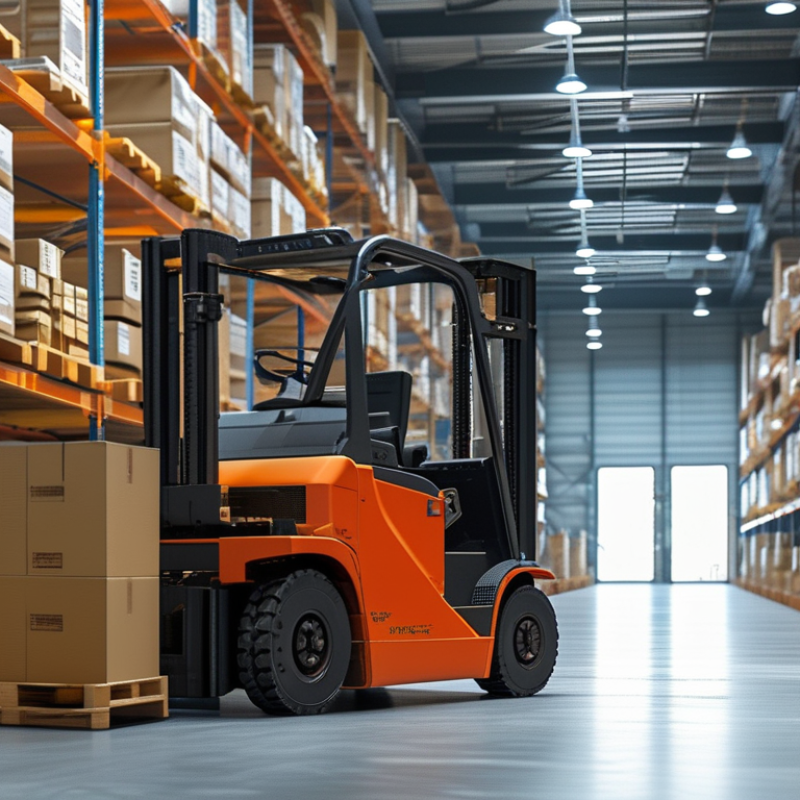
Warehouse automation is revolutionizing the logistics industry. According to a report by McKinsey, companies can improve their productivity by nearly 30% through automation. Understanding key concepts of warehouse automation is essential for businesses seeking to enhance efficiency. The automation of tasks such as picking, packing, and shipping can significantly reduce labor costs and processing times.
One notable benefit of warehouse automation is error reduction. A study by the Warehousing Education and Research Council indicates that automated systems can decrease order fulfillment errors by up to 70%. This leads to higher customer satisfaction rates. Additionally, these systems can streamline inventory management, providing real-time data on stock levels and locations. Disruptions can occur if the wrong technology is chosen, underscoring the importance of a tailored approach.
Balancing the initial investment with long-term gains requires careful consideration. A decision based solely on immediate cost savings may overlook potential benefits. Some businesses might find the transition challenging due to employee resistance. It's crucial to engage the workforce throughout the process. Automation is not just about technology; it’s about rethinking workflows. A thoughtful implementation strategy can leverage the advantages of automation while addressing inherent challenges.
: Warehouse automation can increase productivity by nearly 30%. It enhances efficiency in logistics.
Automated systems can reduce order fulfillment errors by up to 70%. This leads to higher customer satisfaction.
Real-time tracking provides accurate data. This helps manage stock levels and reduces human error.
Consider scalability, flexibility, user interfaces, and customer support. These elements impact operational success.
Employee resistance is common. Training is essential to help staff adapt to new systems and workflows.
The wrong technology can lead to inefficiencies. A tailored approach is crucial for successful integration.
Engaging the workforce is vital. It helps to minimize resistance and foster a smoother transition during implementation.
They should focus on planning and support. Over 70% of automation initiatives fail due to poor execution.
Some think it's only about technology. It's also about rethinking workflows and addressing workforce concerns.
Track efficiency improvements and error reduction rates. Continuous assessment helps identify areas for improvement.
In the quest to enhance operational efficiency, businesses must understand how to choose the right warehouse automation solution tailored to their specific needs. This involves comprehending key concepts and benefits associated with warehouse automation, which can streamline processes and reduce errors. Businesses should start by evaluating their unique requirements for automation, considering factors such as inventory size, workflow complexity, and existing systems.
When selecting a warehouse automation system, it is crucial to identify key features that provide flexibility, scalability, and integration capabilities. Additionally, analyzing the costs versus return on investment (ROI) is essential to ensure that the implementation delivers significant financial benefits. Learning from case studies highlighting successful warehouse automation adoption can also provide valuable insights, showcasing the transformative impact such solutions can have on efficiency and productivity.

 JK Logistics