What Factors Affect Warehouse Throughput for Global Buyers?

Time:2026-07-06 Author:Aria
0%

Warehouse throughput is a critical metric for global buyers. It directly impacts supply chain efficiency and operational costs. According to a report by Gartner, improving warehouse throughput can lead to a 20% increase in overall productivity. Understanding what factors affect warehouse throughput is essential for optimizing these operations.

David Johnson, a logistics expert, emphasizes, “Effective management of factors affecting throughput determines success in the competitive market.” Factors like layout design, technology adoption, and workforce training significantly influence throughput rates. Ignoring these elements can lead to bottlenecks and reduced efficiency. The interplay of various factors makes it challenging to pinpoint exact causes of throughput issues.

Investing in automation can initially seem costly. However, the long-term ROI often justifies the expense. Data from Deloitte indicates that automated warehouses can boost throughput by up to 30%. A commitment to constant evaluation and adaptation is crucial. It’s vital to reflect on both successes and failures in throughput management.
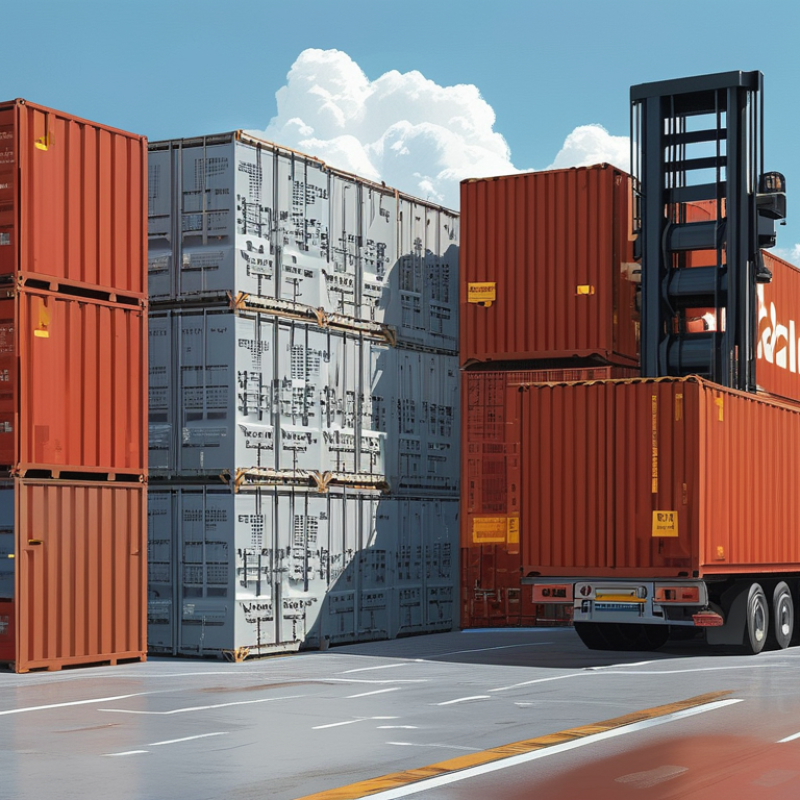
What Factors Affect Warehouse Throughput for Global Buyers?

Factors Influencing Warehouse Design and Layout in Global Supply Chains

Warehouse design and layout play a crucial role in global supply chains. Efficient use of space is vital. Effective design can significantly boost warehouse throughput. Clear pathways improve movement, reducing delays. Using vertical space helps maximize storage. Proper racking systems also enhance accessibility.

Temperature control is essential for perishable goods. A well-ventilated warehouse can prevent spoilage. However, balancing climate control can be challenging. Too much energy consumption can hurt profits. Also, it complicates the design.

Flexibility matters in warehouse layout. Evolving business needs require adaptability. A rigid design may not accommodate changes in demand. This inflexibility can stall operations. Some companies struggle with layout adjustments when required. Regular assessments of processes can identify potential areas for improvement. Addressing these issues fosters a more efficient warehouse.

What Factors Affect Warehouse Throughput for Global Buyers? - Factors Influencing Warehouse Design and Layout in Global Supply Chains

Factor Description Impact on Throughput
Warehouse Layout The arrangement of storage areas, workstations, and equipment. Improper layout can lead to increased travel time and handling, thus reducing throughput.
Technology Integration Use of warehouse management systems (WMS), automation, and robotics. Enhanced technology can improve accuracy and speed, boosting throughput.
Inventory Management Efficient tracking and replenishment of stock levels. Better management leads to reduced stockouts and overstocks, improving operations and throughput.
Workforce Training Skill development and training of warehouse staff. Well-trained employees are more efficient and make fewer mistakes, positively impacting throughput.
Shipping and Receiving Processes Protocols for efficient loading and unloading of goods. Streamlined processes minimize delays, enhancing overall throughput.

Impact of Technology Adoption on Warehouse Automation and Efficiency

The adoption of technology in warehouses is transforming efficiency in global trading. Automation tools like robotics and AI streamline processes. They reduce manual labor and speed up operations significantly. However, integrating these technologies isn't always seamless. Training staff and ensuring they adapt can be challenging.

Tips: Prioritize training programs. Equip your team with the skills needed to operate new technologies. Test automation systems gradually. This approach helps in identifying issues before full-scale implementation.

Data analytics plays a key role in enhancing warehouse throughput. It provides insights into inventory management and order fulfillment. Real-time tracking can help identify bottlenecks. Yet, understanding analytics requires a learning curve. The key is consistent evaluation and adjustment.

Tips: Establish a feedback loop. Use team input to refine processes based on analytics findings. Embrace a growth mindset to navigate technology's evolving landscape. Regular assessments can boost overall efficiency, though the process may highlight areas needing improvement.

Role of Inventory Management Practices in Enhancing Throughput Rates

Effective inventory management practices significantly influence warehouse throughput for global buyers. These practices help streamline operations and enhance efficiency. Accurate inventory tracking ensures that items are readily available when needed. This reduces delays in order fulfillment and boosts customer satisfaction.

The use of advanced inventory management systems can optimize stock levels. Over-stocking leads to wasted space and increased holding costs. Under-stocking risks out-of-stock situations that can frustrate customers. Balancing these aspects is crucial but often complex. Training staff on best practices can mitigate errors in inventory counts and order pickings.

Regular audits and analyses of inventory processes can reveal inefficiencies. Such reflections can illuminate areas needing improvement. Adapting to trends, like seasonal demands or shifts in customer preferences, is essential. Flexibility in inventory strategies can further enhance throughput rates, making warehouses more responsive and agile.

Factors Affecting Warehouse Throughput for Global Buyers

Significance of Labor Management and Training on Warehouse Productivity

Warehouse productivity hinges significantly on effective labor management and training. An industry report from the Warehousing Education and Research Council highlights that well-trained employees can boost productivity by up to 25%. This increase is largely due to enhanced efficiency and fewer errors. Labor management strategies, such as optimal shift scheduling and workload balancing, can further amplify these gains.

A recent study reveals that nearly 30% of warehouse productivity loss stems from inadequate training. Investing in worker development can lead to notable improvements. Targeted training programs ensure employees are familiar with equipment and processes. Without proactive training initiatives, warehouses may experience higher turnover rates and operational disruptions.

Moreover, fostering a positive workplace culture is essential. Encouraging collaboration among teams can drive innovation. While many warehouses focus on technology upgrades, neglecting human resources remains a significant oversight. Continuous feedback loops and performance evaluations can identify areas needing improvement. Ignoring these aspects may limit a warehouse's throughput potential.

Effect of Transportation Logistics on Overall Warehouse Performance Metrics

Transportation logistics play a crucial role in warehouse performance metrics. Efficient transportation ensures timely deliveries, reducing bottlenecks in warehouses. When goods arrive on schedule, inventory turnover increases. This affects not only storage but also overall throughput. Delayed shipments can lead to congestion. It impacts processing times and can cause operational challenges.

Stock accuracy is essential in logistics. A mismatch in inventory can create confusion, affecting order fulfillment. Streamlined logistics can help maintain accurate stock levels. This directly influences warehousing efficiency. However, unexpected disruptions, like weather or transit strikes, can cause chaos. These issues highlight the need for adaptable logistics strategies.

Communication is another key factor. Clear communication between warehouse teams and transporters can improve responsiveness. It enables quick adjustments to unforeseen circumstances. Yet, reliance on technology can backfire if systems fail. Balancing human oversight with automation is critical for sustained performance. Thus, reflecting on these elements can help identify areas for improvement.

FAQS

: What is the impact of effective inventory management on throughput rates?

: Effective inventory management enhances warehouse throughput by streamlining operations and improving efficiency.

How does accurate inventory tracking benefit order fulfillment?

Accurate tracking ensures items are available when needed, reducing delays and increasing customer satisfaction.

What are the risks of over-stocking and under-stocking?

Over-stocking wastes space and increases costs, while under-stocking can lead to out-of-stock situations and customer frustration.

Why is staff training important in inventory management?

Training helps mitigate errors in inventory counts and order pickings, ensuring smoother operations.

How can regular audits improve warehouse operations?

Audits reveal inefficiencies and areas for improvement, helping adapt to changing trends and demands.

How does labor management affect warehouse productivity?

Effective labor management boosts productivity through optimal scheduling and better workload balancing.

What happens with inadequate employee training in warehouses?

Inadequate training can lead to significant productivity loss and higher turnover rates.

Why is a positive workplace culture important?

A positive culture encourages collaboration and innovation, which can drive productivity improvements.

What oversight can impact a warehouse's performance?

Neglecting human resources while focusing on technology upgrades can limit throughput potential.

How can continuous feedback help improve operations?

Feedback loops and performance evaluations identify areas needing improvement, enhancing overall efficiency.

Conclusion

In exploring what factors affect warehouse throughput, several key elements emerge that significantly influence performance in global supply chains. Effective warehouse design and layout play a critical role, as optimized space utilization can enhance workflow and reduce delays. Additionally, the adoption of advanced technology, such as automation solutions, boosts operational efficiency by streamlining processes and minimizing manual errors.

Moreover, robust inventory management practices are essential for maintaining optimal stock levels, which directly impacts throughput rates. Labor management is another crucial factor; well-trained staff can greatly improve productivity and accuracy in order fulfillment. Lastly, efficient transportation logistics are vital for ensuring timely movement of goods, thereby enhancing overall warehouse performance metrics. Collectively, these factors contribute significantly to maximizing warehouse throughput for global buyers.

Aria

Aria

Aria is a dedicated marketing professional with a deep passion for innovative strategies and a keen understanding of our company's product offerings. With a wealth of experience in the industry, Aria excels at crafting engaging content that highlights the unique features and benefits of our......