What is the future of warehouse logistics in a changing market?

Time:2026-08-15 Author:Isabella
0%

In recent years, the logistics sector has faced significant changes. As e-commerce grows, so does the question: what is the future of warehouse logistics? Industry expert Dr. Emily Tran, a leading voice in supply chain management, states, “The future lies in automation and adaptive strategies.” This insight highlights the need for warehouses to evolve.

Today’s warehouses must embrace technology. Automation tools improve efficiency and accuracy. Moreover, adaptive logistics strategies allow businesses to respond to market shifts quickly. As consumer expectations change, flexibility becomes essential.

However, it’s not all straightforward. Implementing new technologies can be challenging. Many companies struggle with integrating automation into existing operations. Additionally, workforce training for new systems is vital. The future of warehouse logistics demands a careful balance between innovation and practicality. Continuous improvement and reflection on past strategies are necessary for success.
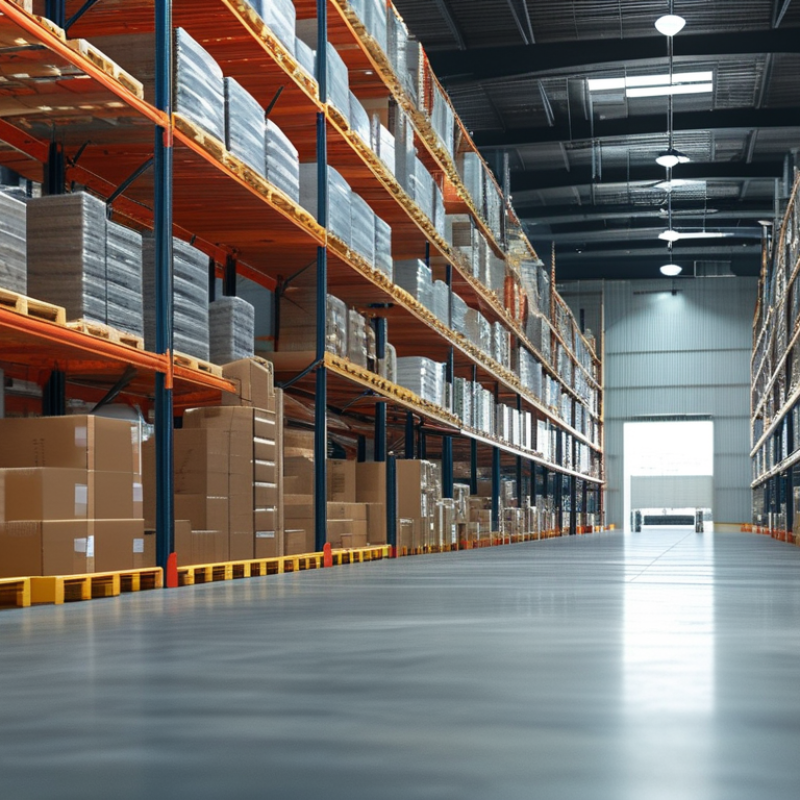
What is the future of warehouse logistics in a changing market?

The Impact of Technology Advancements on Warehouse Logistics

The landscape of warehouse logistics is rapidly evolving. Technology plays a key role in this transformation. Automation and robotics are making operations faster. For instance, automated guided vehicles (AGVs) move goods with precision. They reduce labor costs but raise concerns about job security.

Artificial intelligence (AI) adds another layer of sophistication. AI systems analyze data to optimize storage and shipping routes. They make decisions based on real-time information. However, the reliance on technology can lead to vulnerabilities. Cybersecurity threats remain a pressing issue for logistics providers.

Moreover, inventory management has taken a digital turn. IoT devices track stock levels efficiently. This technology helps prevent overstocking or shortages. Yet, not all companies are ready to adapt. The transition to smart warehouses can be challenging. Training employees to handle new systems is crucial. The future is promising but raises questions about balance and resilience.

Emerging Trends in Automated Warehousing Solutions

The landscape of warehouse logistics is evolving rapidly. Automated warehousing solutions are at the forefront of these changes. According to a recent report from logistics experts, automated systems can increase warehouse efficiency by up to 30%. This shift is largely driven by the demand for faster delivery times and reduced operational costs.

Emerging technologies like robotics and artificial intelligence play a crucial role in this transformation. These innovations help minimize human errors and streamline inventory management. For instance, autonomous mobile robots (AMRs) can navigate complex warehouse environments, making real-time decisions to optimize picking routes. This capability not only enhances productivity but also raises important questions about job displacement and workforce adaptation.

Tips: Investing in employee training is essential as automation grows. Understanding technology can bridge the gap between human skills and automated processes. Also, regularly reviewing warehouse performance metrics is vital. This allows businesses to identify areas for improvement and adapt to changes effectively. As automated systems become more prevalent, it's crucial to maintain a balance between technology and human input.

Sustainability Practices Shaping Future Warehouse Operations

The future of warehouse logistics is increasingly focused on sustainability practices. As environmental concerns rise, companies are adopting green initiatives within their operations. Solar panels and energy-efficient systems are becoming common. These changes not only reduce carbon footprints but also cut operational costs.

Innovative waste management practices shape warehouse strategies. Recycling programs and composting initiatives minimize landfill contributions. Many facilities are now designed with eco-friendly materials. This shift creates a healthier work environment while appealing to eco-conscious consumers. Still, there are challenges. Some companies struggle with the initial investment costs for sustainable technologies.

Labor training is essential in this evolving landscape. Workers must understand new tools and practices. Yet, there can be resistance to change. Overcoming this hurdle requires effective communication and support. The focus on sustainability also drives partnerships with eco-friendly suppliers. Collaborative efforts can lead to more efficient logistics processes yet may complicate existing supply chains.

Challenges Faced by Warehouse Logistics in a Dynamic Market

Warehouse logistics is evolving rapidly. Companies face numerous challenges in adapting to a dynamic market. Labor shortages are a significant issue. Finding skilled workers who can efficiently operate automated systems is tough. The increase in e-commerce also impacts logistics. Businesses need to manage inventory more effectively to meet customer demands quickly.

Navigating supply chain disruptions is another challenge. Global events can disrupt the flow of goods. Warehouses must adapt their strategies to mitigate these risks. Technology plays a crucial role in this transition. Real-time tracking systems can enhance transparency. Automation can help streamline operations and reduce dependency on human labor.

**Tips:** Invest in training programs. Equip your workforce with essential skills. Embrace technology to stay competitive. Evaluate your logistics strategies regularly for weaknesses. Flexibility is key in this ever-changing environment. A proactive approach can help businesses thrive amidst uncertainties.

Challenges Faced by Warehouse Logistics in a Dynamic Market

The Role of Data Analytics in Enhancing Supply Chain Efficiency

The landscape of warehouse logistics is evolving rapidly. Data analytics plays a pivotal role in streamlining operations. By leveraging real-time data, companies can optimize inventory management. This immediacy allows for better decision-making and increased efficiency. Insights derived from analytics can predict demand fluctuations, reducing excess stock and minimizing waste.

Tips: Utilize visualization tools to track warehouse operations. This can make patterns easier to recognize. Regular data checks may reveal inefficiencies that need attention.

However, challenges persist. Many organizations struggle with integrating data systems. Disparate data sources can lead to inconsistencies and missed opportunities. Employees may require training to fully grasp data analytics tools, creating potential gaps in understanding. Overcoming these challenges is essential for realizing the benefits of analytics.

Regular assessments of data quality are crucial. Bad data can skew results and lead to poor decisions. Investing in staff training builds a more data-savvy team. Data analytics is a powerful tool, but it needs the right environment to thrive. Embracing a culture of continuous improvement can lead to more sustainable logistics solutions.

FAQS

: How is technology changing warehouse logistics?

: Technology makes operations faster and more efficient. Automation and robotics are at the forefront of this change.

What role do automated guided vehicles (AGVs) play in warehouses?

AGVs move goods with precision. They help reduce labor costs but create job security concerns.

How does artificial intelligence benefit warehouse operations?

AI analyzes data to optimize storage and shipping routes. It relies on real-time information for decision-making.

What are some challenges of adopting new technology in warehouses?

Transitioning to smart warehouses can be tough. Training employees on new systems is essential for success.

How do IoT devices impact inventory management?

IoT devices track stock levels, helping prevent overstocking or shortages. Not all companies are ready to adopt this technology.

What should businesses do to adapt to labor shortages?

Companies need to invest in training programs. Skilled workers are crucial for efficiently operating automated systems.

Why is flexibility important in warehouse logistics?

The market is dynamic, and global events can disrupt supply chains. Being adaptable helps mitigate these risks.

How can warehouses evaluate performance?

Regularly reviewing performance metrics allows businesses to identify areas for improvement and adapt strategies.

What should companies consider regarding automation's impact on jobs?

While automation increases efficiency, it also raises concerns about job displacement. Balancing technology and human input is important.

What proactive steps can businesses take to thrive in logistics?

Embracing technology, training staff, and evaluating strategies regularly can help businesses stay competitive amidst uncertainties.

Conclusion

The future of warehouse logistics is set to be revolutionized by several key factors, particularly technological advancements and emerging trends in automation. As logistics companies embrace automated warehousing solutions, they stand to improve efficiency and accuracy, significantly reducing operational costs. Furthermore, sustainability practices are increasingly becoming integral to warehouse operations, driving the sector towards greener alternatives and practices that minimize environmental impact.

However, challenges persist in this dynamic market, including the need to adapt to rapidly changing consumer demands and supply chain disruptions. Data analytics plays a crucial role in enhancing supply chain efficiency by providing insights that help warehouses optimize their processes. Ultimately, in exploring what is the future of warehouse logistics, it is evident that a combination of technology, sustainability, and data-driven strategies will be pivotal in shaping successful operations.

Isabella

Isabella

Isabella is a dedicated marketing professional with a sharp focus on driving brand growth and engagement through strategic content creation. With an extensive background in digital marketing, she combines her passion for storytelling with her keen understanding of industry trends to deliver......