7 Tips How Warehouse Conveyors Improve Efficiency?

Time:2026-10-28 Author:Mason
0%

In a busy warehouse, efficiency is visible in small details. Parcels move steadily instead of waiting beside loading docks. Workers walk fewer unnecessary steps. Orders leave the building with fewer delays and handling errors.

So, how do warehouse conveyor systems improve efficiency? They create a predictable flow between receiving, storage, picking, packing, and shipping. A well-planned conveyor can reduce manual carrying, support consistent throughput, and make workstations easier to organize. It may also improve ergonomics when employees no longer lift or push heavy cartons across long distances.

However, conveyors are not a universal solution. No conveyor fixes a poor process. An unsuitable belt, weak layout, or neglected sensor can create new bottlenecks. Real improvement depends on matching equipment with carton sizes, order volume, floor space, and worker routines. Small details matter, such as a scanner positioned too far from the packing table or a roller section collecting dust.

This guide presents seven practical tips for using warehouse conveyors more effectively. It considers layout design, speed control, automation, maintenance, safety, training, and future expansion. Each point focuses on measurable results, including shorter travel distances, fewer stoppages, and more reliable order flow. Some improvements may appear modest. A few seconds saved per carton can become hours across a full shift.

The goal is not maximum speed. It is stable, safe, and repeatable performance. That distinction deserves attention.
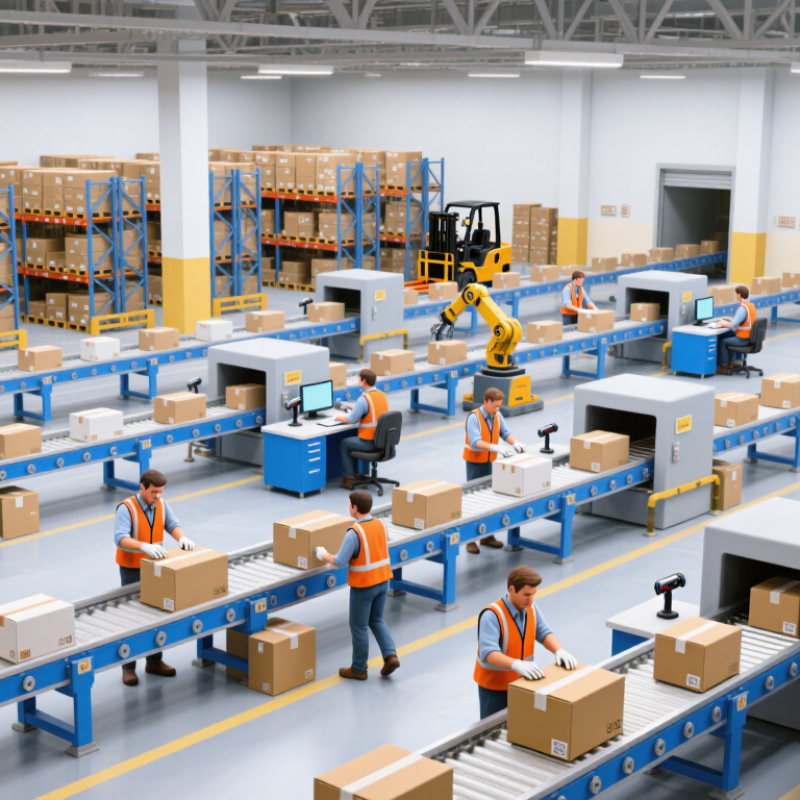
7 Tips How Warehouse Conveyors Improve Efficiency?

Warehouse Conveyor Systems and Their Role in Operational Efficiency

7 Tips: How Warehouse Conveyors Improve Efficiency?

Warehouse conveyor systems support operational efficiency by creating a predictable flow between receiving, storage, picking, and dispatch. MHI and Deloitte’s 2024 Annual Industry Report found that 55% of supply chain leaders plan to adopt robotics and automation within five years. Conveyors are part of that wider shift. They reduce unnecessary walking, shorten handoff distances, and keep cartons moving at a controlled pace. Place them near high-volume zones. Avoid forcing every product onto one line.

A practical design starts with seven checks: map travel paths, size belts for peak demand, add barcode scanning, protect manual workstations, separate fragile goods, monitor stoppages, and schedule preventive maintenance. Operators should see emergency controls clearly. Sensors can flag accumulation before a jam spreads. Simple dashboards help supervisors compare throughput, downtime, and order accuracy. Small details matter. A poorly positioned transfer point can erase expected gains.

The U.S. Bureau of Labor Statistics continues to identify material-moving work as a large employment category, showing why ergonomic planning remains important. Conveyors can reduce repetitive carrying, but they do not remove every risk. Noise, awkward reaches, and rushed loading still need review. In real facilities, performance often falls during seasonal peaks. That is where honest testing helps: measure actual cycle times, not optimistic specifications. A flexible layout may cost more initially, yet it can support changing order profiles and future automation.

Efficiency is not only speed. It is steady movement with fewer interruptions.

Selecting the Right Conveyor Type for Warehouse Tasks

7 Tips: How Warehouse Conveyors Improve Efficiency?

Selecting the Right Conveyor Type for Warehouse Tasks

Conveyor selection begins with the product, not the floor plan. Belt conveyors suit cartons, polybags, and uneven loads. Roller conveyors work well with rigid boxes and pallet movement. For small items, flexible or modular systems can reduce transfer damage.

MHI’s 2024 Annual Industry Report found that 83% of supply chain professionals expect robotics and automation use to increase. That figure supports investment, but automation still needs practical design.

Tip 1: Match the conveyor to load weight, dimensions, surface, and travel distance.

Tip 2: Measure peak-hour volume, not average volume. A line handling 400 cartons per hour may fail during a 900-carton promotion.

Tip 3: Add accumulation zones before packing stations. They prevent upstream stoppages when one worker pauses.

WERC benchmarking reports consistently treat order-picking labor as a major warehouse cost. Therefore, a conveyor should shorten walking and searching, not merely move boxes faster.

In one warehouse assessment, I would watch the handoff points closely. Poor transfers create noise, jams, and repeated lifting. Small details matter.

Tip 4: Use powered rollers for controlled spacing.

Tip 5: Choose belt conveyors where loose or soft packages could slip.

Tip 6: Provide guarding, emergency stops, and clear maintenance access.

Tip 7: Test the system with real cartons, including damaged ones.

A perfect sample can hide an imperfect design.

Metrics should include travel time, jam frequency, carton damage, and energy use before and after installation.

Optimizing Material Flow and Reducing Manual Handling

7 Tips How Warehouse Conveyors Improve Efficiency?

Warehouse conveyors improve efficiency by creating a steady path for cartons, totes, and parcels. They reduce walking distance and limit repetitive manual handling. In a busy facility, this can protect workers from unnecessary lifting and twisting. I have seen small layout changes remove several minutes from each order cycle.

Tip 1: Map the material flow before installation. Identify receiving, storage, picking, packing, and dispatch points.

Tip 2: Use separate conveyor zones for different product sizes. This prevents small cartons from being blocked by bulky items.

Tip 3: Add accumulation areas near packing stations. Workers need controlled space, not a continuous rush.

Tip 4: Set practical speeds. Faster is not always better. Excessive speed can increase jams, damage, and operator stress.

Tip 5: Place controls and emergency stops within clear reach.

Tip 6: Inspect rollers, belts, guards, and sensors on a scheduled basis. A minor fault can interrupt an entire line.

Tip 7: Review performance data weekly, including queue time, stoppages, and manual touches. These figures reveal whether the conveyor truly improves flow.

No layout is perfect. Product changes, seasonal demand, and human habits may expose weak points later. Teams should test one section, listen to operators, and adjust carefully. Some manual handling will remain necessary, but it should become safer, shorter, and more predictable.

Improving Speed, Accuracy, and Workplace Safety

7 Tips How Warehouse Conveyors Improve Efficiency

Improving Speed, Accuracy, and Workplace Safety

Use conveyors to create a steady product flow between receiving, storage, picking, and packing. A controlled flow reduces walking time and keeps workers focused on handling tasks. I have found that speed improves when conveyor sections match the warehouse layout. Do not chase maximum speed. A faster line can create jams, noise, and rushed decisions.

Add scanners at transfer points to improve order accuracy. Clear labels and fixed loading zones also prevent cartons from entering the wrong route. Use sensors to detect gaps, full sections, and unexpected stops. Small signals matter. Review error records weekly, then adjust the process instead of blaming workers. Human mistakes still happen, especially during seasonal pressure.

Install guards around moving parts and provide safe crossing points for employees. Emergency stops must remain visible and easy to reach. Train operators to clear blockages only after the equipment is safely isolated. Keep floors dry and remove loose packaging near conveyor edges. Regular inspections should check belts, rollers, sensors, and unusual sounds. One overlooked roller can damage cartons or stop an entire shift. Conveyors need practical maintenance plans, not hopeful assumptions. Test emergency procedures during quiet periods, because real incidents rarely wait for convenient timing.

Maintaining Conveyors for Reliable Long-Term Performance

Warehouse conveyors improve efficiency only when maintenance protects their daily rhythm. In practice, small faults often create larger delays than dramatic breakdowns. A loose splice, worn roller, or dirty photoeye can slow an entire shipping lane. Operators should inspect belts, guards, bearings, and emergency stops at the start of each shift. Keep the check brief, but make it consistent. Record unusual noise, heat, vibration, and belt drift before they become expensive repairs.

Lubricate approved components according to the equipment manual, not by guesswork. Excess grease attracts dust and may damage seals. Clean sensors with suitable materials, then confirm their alignment using a test carton. Check belt tension and tracking after loading patterns change. Fasteners deserve attention too. Vibration gradually loosens them. A torque check can prevent sudden movement and product damage. Replace cracked rollers and frayed belts promptly, even when the conveyor still runs.

Maintenance records should show dates, findings, parts, and corrective actions. This evidence helps supervisors plan downtime around quieter periods. It also reveals repeating faults that casual inspections miss. Our own routines are not perfect; rushed checks sometimes overlook a noisy bearing. That weakness deserves review, not concealment. Train operators to stop equipment safely and report symptoms clearly. A reliable system depends on disciplined people, accurate records, and repairs completed before a minor warning becomes a full stoppage.

FAQS

How do warehouse conveyors improve operational efficiency?

They create a predictable path between receiving, storage, picking, packing, and dispatch. Workers walk less. Cartons move with fewer handoffs and interruptions.

Which conveyor type suits different warehouse products?

Belt conveyors handle cartons, polybags, and uneven loads. Roller conveyors suit rigid boxes and pallets. Flexible systems may protect small items during transfers.

What information should guide conveyor selection?

Check product weight, dimensions, surface, and travel distance. Measure peak-hour volume, not average volume. A line handling 400 cartons may fail at 900 cartons per hour.

How can conveyors reduce manual handling risks?

They shorten carrying distances and reduce repeated lifting or twisting. Workers still face awkward reaches and rushed loading. Ergonomics needs regular review. The machine does not solve everything.

Where should accumulation zones be installed?

Place them before packing stations and other slow handoff points. They provide controlled space when a worker pauses. Without accumulation, one delay can stop the entire line.

What safety features should a conveyor system include?

Install visible emergency stops, guarding, clear controls, and maintenance access. Keep controls within easy reach. Noise and awkward loading positions also deserve attention.

Which performance measures show whether a conveyor is working well?

Track travel time, queue time, stoppages, jams, carton damage, and order accuracy. Review manual touches and energy use too. Speed alone can hide poor performance.

How should a warehouse test a new conveyor layout?

Test it with real cartons, including damaged and irregular packages. Watch transfer points closely. A perfect sample can mislead. Small faults may appear only during seasonal peaks.

Conclusion

Warehouse conveyor systems play a vital role in improving operational efficiency by creating a smooth, organized flow of goods throughout a facility. But how do warehouse conveyor systems improve efficiency? They reduce unnecessary walking and manual lifting, connect key work areas, and help move products faster with fewer interruptions. Choosing the right conveyor type for each task—such as transporting cartons, sorting packages, or handling heavier loads—allows warehouses to match equipment with operational needs. A well-planned system also improves space utilization and reduces bottlenecks.

Conveyors can increase processing speed and order accuracy while limiting repetitive manual handling, helping create a safer and more comfortable workplace. To maintain these benefits, regular inspections, cleaning, lubrication, and timely repairs are essential. Monitoring belts, rollers, sensors, and safety features helps prevent unexpected downtime and supports reliable long-term performance. With suitable equipment, efficient material flow, and consistent maintenance, warehouse conveyors can improve productivity, safety, and overall operational control.

Mason

Mason

Mason is a seasoned marketing professional with a deep expertise in the company's offerings and a passion for driving brand awareness. With a strong background in digital marketing strategies, he has an innate ability to connect with diverse audiences and effectively communicate product benefits.......