In the logistics industry, effective material handling is imperative. Experts like Dr. Karen Roberts, a renowned logistics consultant, emphasize this point. She states, "Proper material handling reduces delays and costs." This highlights why is material handling important in logistics.
Material handling affects operations at every level. From warehousing to transportation, its efficiency can dictate the success of a supply chain. Companies that neglect it may face significant challenges. For instance, improper handling can lead to damage. This not only increases costs but also affects customer satisfaction.
Logistics professionals must strive for improved material handling systems. Yet, many organizations still grapple with outdated processes. Reflecting on this, it becomes clear that investing in modern solutions is necessary for growth. Understanding why is material handling important in logistics is the first step towards building a more efficient framework.
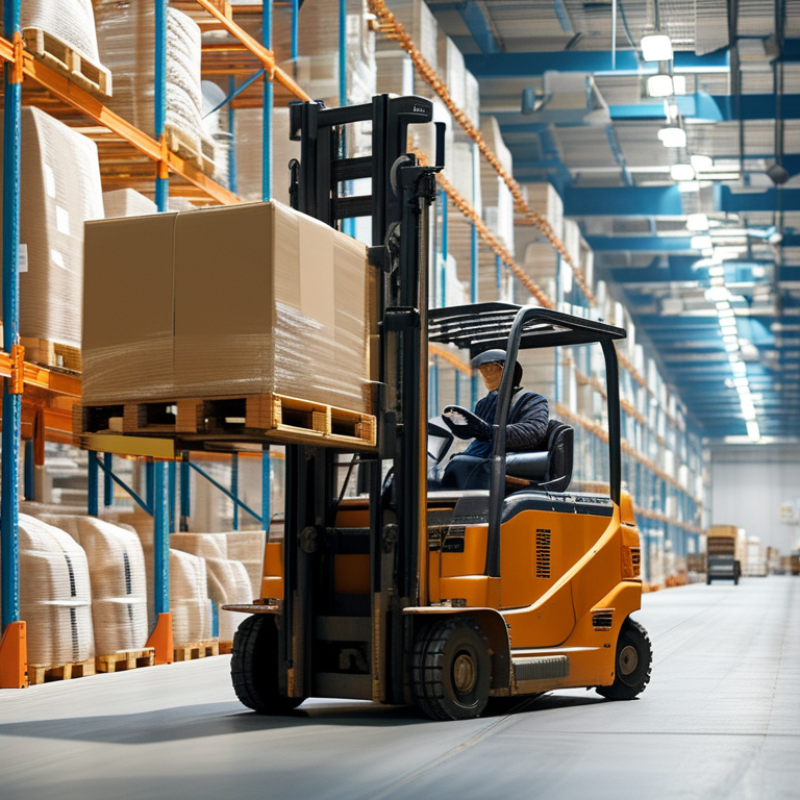
Importance of Material Handling in the Supply Chain
Material handling plays a vital role in the supply chain. Efficient handling methods can boost productivity and reduce costs. Proper organization of materials ensures they are readily available when needed. Quick access to supplies helps in meeting customer demands promptly.
However, not all material handling practices are foolproof. Some businesses struggle with outdated methods that slow down operations. For example, manual loading and unloading can lead to delays and increased labor costs. Automation can streamline these processes, yet initial investments may deter some companies. Businesses must balance efficiency against cost.
Additionally, training staff in material handling techniques is crucial. Poorly trained employees can lead to accidents and damaged goods. This not only affects workflow but can also harm relationships with suppliers and customers. A focus on continuous improvement in handling practices is essential. Regular assessments can identify weaknesses, allowing companies to adapt and thrive in a competitive marketplace.
Importance of Material Handling in the Supply Chain
Key Components of Effective Material Handling Systems
Effective material handling systems are vital for enhanced logistics. They ensure products move smoothly through the supply chain. According to the Material Handling Industry of America (MHIA), poor material handling can lead to a 30% increase in logistics costs. It is clear that optimizing these processes is crucial.
Key components of effective material handling include automation and real-time tracking. Automation improves efficiency and reduces human error. In a study by McKinsey, automation in warehouses can decrease operating costs by up to 25%. However, not all automation solutions are one-size-fits-all. Companies need to evaluate their unique needs carefully.
Real-time tracking technologies, like RFID, provide critical data about inventory levels. This helps managers identify bottlenecks quickly. But implementing such systems requires up-front investment and training. Companies may struggle with adapting to new technologies. A Harvard Business Review report mentions that 70% of organizations face challenges during digital transformations. Understanding these complexities is essential for success in modern logistics.
Impact of Material Handling on Logistics Efficiency
Material handling is a vital component of logistics. It involves the movement, protection, and storage of goods. Inefficient material handling can lead to delays and increased costs. For example, improper stacking can cause damage to products. This not only affects the inventory but also operational efficiency.
When businesses streamline their material handling processes, they see positive results. Efficient movement reduces labor costs and shortens delivery times. Using technology, like automated systems, can enhance accuracy. Employees are less prone to error when systems assist. However, many companies struggle with integrating new technologies. Resistance to change can slow down improvements.
Furthermore, training staff is crucial. Employees must understand how to operate equipment safely. Ongoing education helps maintain efficiency and safety. When workers are not well trained, mistakes happen. These can lead to injuries and financial losses. Continuous assessment and feedback loops are essential for refining processes. By focusing on these aspects, logistics operations can thrive.
Why is Material Handling Crucial for Efficient Logistics? - Impact of Material Handling on Logistics Efficiency
| Dimension |
Description |
Impact on Efficiency |
| Inventory Management |
The tracking and control of stock to ensure optimal levels. |
Reduces stockouts and excess inventory, improving cash flow. |
| Equipment Efficiency |
Performance and maintenance of material handling equipment. |
Increases throughput and reduces downtime, enhancing productivity. |
| Workforce Training |
Training employees on safe and efficient handling practices. |
Minimizes accidents and turnover, maintaining operational efficiency. |
| Layout Optimization |
Designing warehouse space for efficient flow of goods. |
Reduces travel time and handling costs, improving service levels. |
| Technology Integration |
Use of software and automation in logistics processes. |
Enhances data accuracy and speed, leading to better decision-making. |
Challenges in Material Handling and Their Solutions
Material handling is a critical element of logistics. However, various challenges can hinder its efficiency. One common issue is inadequate training for staff. Without proper training, employees may struggle with equipment operation. This can lead to delays and increased risk of accidents. Implementing comprehensive training programs can address this gap.
Another significant challenge is the lack of appropriate equipment. Outdated machines can slow down operations. Investing in modern technology can expedite workflows. Smart systems can help track materials in real-time, reducing errors. However, these systems require initial investment, which can be a hurdle for some businesses.
Additionally, poor layout design in warehouses can complicate the movement of goods. Inefficient layouts can lead to confusion and wasted time. Evaluating and redesigning the layout can optimize space usage. Regular reviews of the handling processes can pinpoint areas for improvement. Each of these challenges highlights the need for ongoing reflection and adaptation in material handling strategies.
Future Trends in Material Handling for Logistics Optimization
The future of material handling is evolving rapidly. Innovations in automation and robotics are changing logistics systems.
Automated guided vehicles (AGVs) and drones are becoming more common. These tools help streamline operations and reduce labor costs. However, their implementation can be challenging. Businesses must invest time in training and adjustments.
Data analytics is another key trend. Logistics companies can analyze vast amounts of data for better decision-making.
Predictive analytics can forecast demand, enhancing inventory management. This reduces waste and improves efficiency.
Nonetheless, relying heavily on data may lead to neglect of human insight.
Sustainability is also a major focus. Eco-friendly packaging and energy-efficient equipment are on the rise. Transitioning to greener practices is not simple.
Many companies face initial costs and resistance from stakeholders. Yet, these challenges highlight the need for a balanced approach.
Integrating technology, sustainability, and human factors will be essential for future success in material handling.
FAQS
: It boosts productivity and reduces costs. Proper material organization ensures quick access to supplies.
They can slow down operations. Manual loading often leads to delays and higher labor costs.
Automation streamlines processes and reduces human error, potentially lowering operating costs by 25%.
Well-trained employees prevent accidents and damage. Poor training can harm supplier and customer relationships.
Automation and real-time tracking are vital. They enhance logistics and manage inventory efficiently.
Initial investments and required training can be barriers. Adapting to new technology may be difficult.
Regular assessments help identify weaknesses. Companies should focus on continuous improvement.
It can lead to a 30% increase in logistics costs. Optimizing handling is crucial for efficiency.
The initial investment can be daunting. Companies must weigh costs against potential efficiency gains.
Many organizations, about 70%, face challenges. Understanding these complexities is key to overcoming them.
Conclusion
Material handling plays a vital role in the efficiency of logistics and the overall supply chain. It encompasses the movement, protection, and control of goods throughout the logistics process, highlighting why material handling is important in logistics. Effective material handling systems include various key components such as storage methods, equipment, and technology that enhance the speed and accuracy of operations, ultimately leading to reduced costs and improved service.
However, the implementation of these systems also presents challenges, including workforce training, equipment maintenance, and balancing automation with human oversight. To overcome these obstacles, solutions like investment in technology and ongoing employee development are essential. Looking ahead, future trends in material handling, such as increased automation and data analytics, are expected to further optimize logistics operations, ensuring that businesses remain competitive in a rapidly evolving marketplace.

 JK Logistics