Improving warehouse space utilization is a challenge many businesses face. John Smith, an expert in logistics, emphasizes, "Effective space use directly impacts operational efficiency." His insight highlights the importance of optimizing every square foot in a warehouse.
Many warehouses struggle with wasted space. Items left in aisles, unused corners, and overstocked shelves can hinder productivity. This situation not only causes inefficiencies but also increases operational costs. Regular audits of space usage can uncover opportunities for improvement.
Utilizing technology can also enhance space utilization. Automated systems and inventory management software help track inventory levels. Implementing these solutions requires investment, but the payoff in efficiency can be significant. Reflecting on current practices is vital for identifying areas that need attention. Ultimately, the goal is to create a workspace that fosters productivity while embracing strategies on how to improve warehouse space utilization.
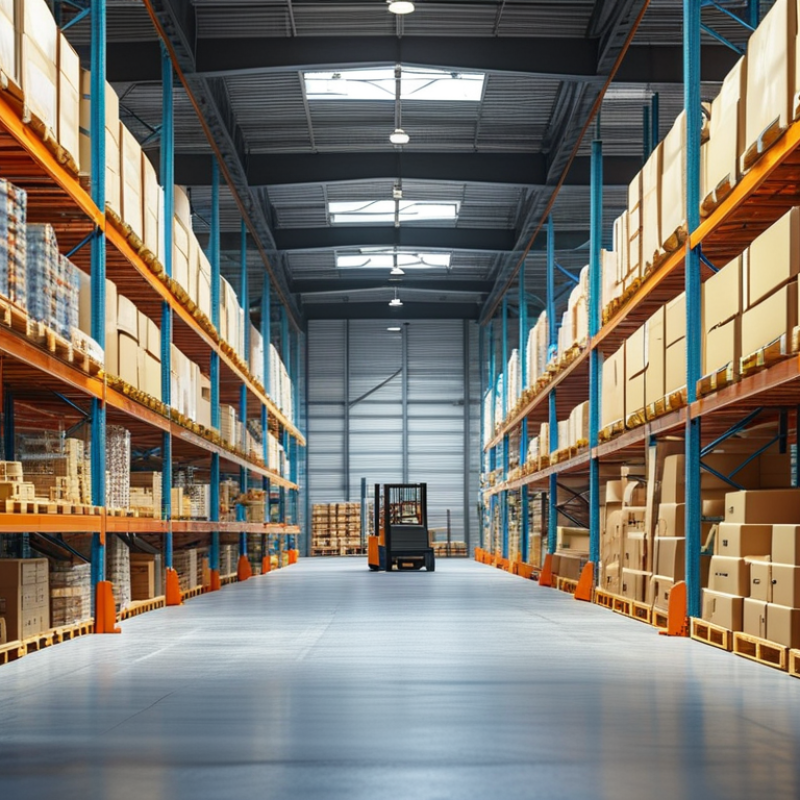
Assessing current warehouse space utilization is vital for operational efficiency. Many businesses struggle with
underutilized areas or inefficient layouts. Research indicates that around
30% of warehouse space goes unused due to poor organization and inventory management. This wastage translates
into higher operational costs and lost potential.
Identifying issues starts with a thorough analysis of shelf space, aisle widths, and product placement. Ineffective
storage methods can lead to confusion and delays. Data from a leading industry
report highlights that optimizing storage can reduce retrieval times by up to 25%. Moreover,
60%% of warehouse managers report that lack of visibility into inventory exacerbates space problems.
Audit your warehouse layout to pinpoint these gaps.
Improving space efficiency won't happen overnight. Businesses often overlook seasonal demand fluctuations, leading to
overstocking. Continuous assessment is needed to adapt to these
changes. Investing in technology for real-time tracking can enhance visibility. Yet, many firms hesitate due to
upfront costs, which can create missed opportunities for growth.
Effective warehouse layout designs can significantly enhance space utilization. According to a report from the Warehousing Education and Research Council, optimizing warehouse space can increase storage efficiency by up to 30%. This results in cost savings and improved operational efficiency. A well-planned layout minimizes travel time and maximizes product accessibility.
Utilizing methods like slotting can help optimize space. By placing frequently picked items near packing areas, workers can reduce retrieval time. Incorporating vertical storage solutions further utilizes overhead space effectively. It’s crucial to assess current layouts regularly. Businesses often overlook how dynamic inventory needs can affect space utilization. A periodic evaluation can identify areas for improvement.
In some cases, the existing layouts might not accommodate new technologies. For instance, automated picking systems may require more floor space than traditional setups. This could lead to inefficiencies if not planned correctly. Continuous adaptation to new trends is essential to maximize warehouse efficiency. Ignoring space optimization can result in wasted resources and increase operational costs over time.
| Warehouse Layout Design | Space Utilization (%) | Picking Efficiency (Orders/hour) | Inventory Turnover Ratio | Lead Time (Days) |
|---|---|---|---|---|
| Grid Layout | 75% | 30 | 5 | 2 |
| Flow-through Layout | 85% | 50 | 8 | 1 |
| Zone Layout | 90% | 40 | 7 | 3 |
| Cross-docking Layout | 80% | 60 | 9 | 1.5 |
| Dynamic Slotting Layout | 95% | 70 | 10 | 1 |
Warehouse space utilization is critical for operational efficiency. Leveraging technology and automation can significantly enhance space management. According to a report by the Warehouse Efficiency Network, companies that implement advanced automation can increase storage capacity by up to 30%. This maximized space can lead to improved inventory flow and reduced costs.
Automation technologies, such as Automated Storage and Retrieval Systems (AS/RS), can transform how products are organized. These systems use robotics to optimize storage density. For example, a poorly managed warehouse may have aisles that waste space. By automating storage, you can create compact structures that enable higher stacking and better product organization.
Data analytics plays a vital role, too. Real-time analytics can identify underutilized areas. Such insights allow managers to make informed decisions. However, over-reliance on technology can lead to issues. Not all warehouses benefit equally from automation. Factors like layout and existing systems must be considered. Thus, some businesses may need to rethink their approach. Balancing technology and traditional methods is essential for truly effective space management.
Effective inventory management strategies are crucial for maximizing warehouse space efficiency. Implementing a robust inventory tracking system can significantly affect how products are stored. Real-time inventory data helps to identify slow-moving items. This awareness allows for better placement of frequently picked products within reach.
Utilizing various storage methods can further enhance space utilization. For instance, vertical storage solutions can maximize height. Choosing appropriate shelving and racks can help. Yet, it’s easy to overlook the importance of regular audits. Periodic assessments reveal inefficiencies in storage layouts. These insights can guide necessary adjustments.
Emphasizing a dynamically adaptive inventory approach can also be beneficial. Seasonal changes impact stock levels. Adapting warehouse layouts to seasonal demands is essential. However, many warehouses struggle with flexibility. This challenge often leads to cluttered spaces. Continuous improvement in inventory strategies can achieve lasting effectiveness.
In warehouses, continuous improvement is essential for optimal space utilization. Regular audits can reveal inefficient layouts. For example, consider organizing products by frequency of use. High-demand items should be easily accessible. This reduces time spent searching and improves workflow.
Implementing lean methodologies can enhance efficiency. Techniques such as 5S (Sort, Set in order, Shine, Standardize, Sustain) help maintain organized spaces. However, it’s crucial to regularly reassess these practices. Workers may become complacent over time. Encouraging feedback can uncover hidden inefficiencies.
Technology plays a role in optimization too. Automated systems can track inventory levels. This reduces unnecessary stock piling. However, relying too heavily on technology may lead to oversight in manual checks. Balancing automation with human insight fosters a proactive approach to space utilization.
: Space utilization is crucial for operational efficiency and can improve inventory flow, leading to cost reduction.
Automation, through systems like AS/RS, optimizes storage density and reduces wasted space in aisles.
Data analytics identifies underutilized areas, allowing managers to make informed decisions for better space management.
No, not all warehouses are the same. Layout and existing systems can affect the success of automation.
Organizing products by usage frequency ensures high-demand items are easily accessible, streamlining workflow.
Regular audits can highlight inefficiencies, prompting necessary changes for better space utilization.
The 5S method (Sort, Set in order, Shine, Standardize, Sustain) encourages ongoing organization and efficiency.
Over-reliance on technology can lead to oversight; a balance with manual checks is vital for effective management.
Automation may overlook the need for human oversight, leading to potential inefficiencies if not regularly assessed.
Encouraging feedback can uncover hidden inefficiencies and prevent complacency among workers, fostering continuous improvement.
In today's competitive business landscape, knowing how to improve warehouse space utilization is crucial for enhancing operational efficiency. The process begins with assessing the current use of warehouse space, identifying areas of inefficiency, and addressing the underlying issues. Implementing effective layout designs can significantly optimize available space, while leveraging technology and automation provides innovative solutions for better space management.
Additionally, developing robust inventory management strategies is essential to maximize space efficiency. This approach helps streamline stock levels and ensures that space is effectively utilized. Finally, adopting continuous improvement practices fosters an environment of sustained warehouse optimization, allowing businesses to adapt and thrive in an ever-changing market. By focusing on these key strategies, companies can enhance their warehouse operations and drive overall productivity.

JK Logistics