Warehouse automation is transforming the landscape of various industries. As businesses seek efficiency, they are turning to advanced technologies. This shift raises an important question: what industries benefit most from warehouse automation?
In 2026, several sectors will likely stand out. E-commerce companies are leading the charge, leveraging automation for faster order fulfillment. Retailers are also adapting, enhancing their supply chains to meet consumer demand. However, the impact is not limited to these sectors. Manufacturers and logistics firms are increasingly automating operations to streamline processes and reduce human error.
Despite these advancements, challenges remain. Not every company can implement automation seamlessly. Costs can be a barrier, and integration with existing systems is often complex. Some industries may see slower adoption rates due to these obstacles. As we explore these trends, it is essential to consider both the benefits and the hurdles. Understanding what industries benefit most from warehouse automation will help clarify paths forward in this evolving landscape.
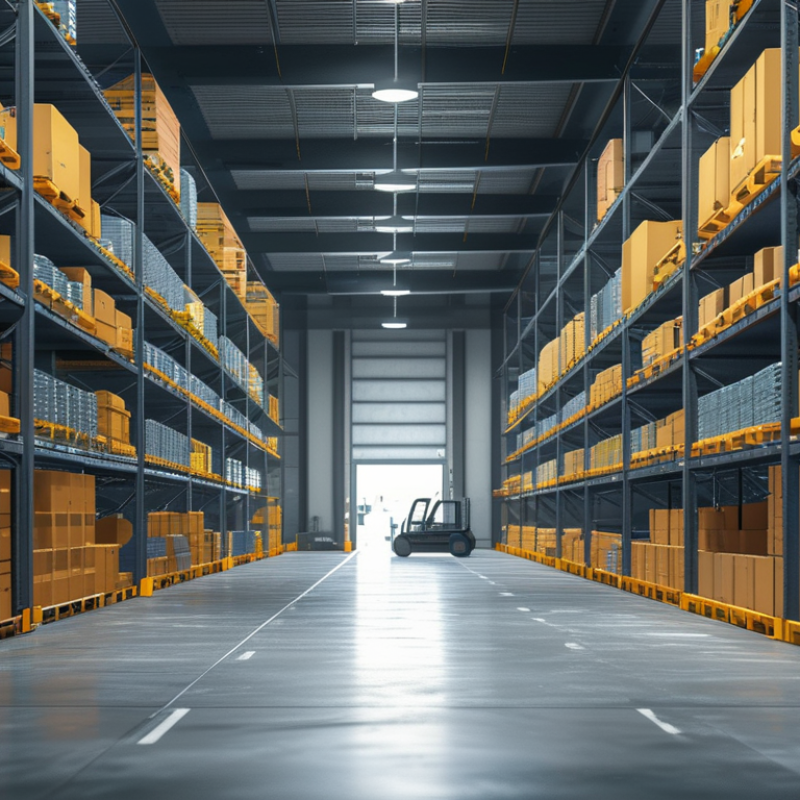
Warehouse automation is transforming various industries, providing a competitive edge in efficiency. In 2026, sectors like e-commerce, manufacturing, and retail significantly benefit. A recent report by the Logistics Automation Association highlighted that automation could boost productivity by 30% in these industries. Key features driving this improvement include robotics, real-time inventory tracking, and AI integration.
Robotics streamline the movement of goods. Automated guided vehicles (AGVs) transport items safely within warehouses. Real-time inventory management enhances accuracy. According to the National Retail Federation, businesses using automated systems reported a 25% decrease in stock discrepancies. However, implementing these technologies poses challenges, such as high initial costs and the need for skilled personnel.
AI plays a crucial role in optimizing warehouse operations. It analyzes data to forecast demand, adjust inventory levels, and improve order fulfillment rates. Companies adopting AI saw a 20% increase in order accuracy, according to a 2023 survey from the Warehouse Management Institute. Despite these advantages, the transition can be daunting. Organizations must be prepared to address resistance to change and the complexities of new technology.
Warehouse automation is transforming various industries in 2026. Retail is one of the major adopters. Automated systems streamline order fulfillment, improving efficiency. These systems reduce human error and speed up operations. Retailers can handle larger volumes of inventory, meeting growing consumer demand.
Manufacturing also benefits significantly. Robots and automation tasks enhance production lines. They enable precise assembly and quicker turnaround. However, the initial investment can be daunting. Some manufacturers hesitate, fearing long-term returns may not justify the costs. Reliable data, however, shows increased productivity over time.
Logistics companies are rapidly integrating automation. Drones and autonomous vehicles are revolutionizing delivery processes. These advancements reduce shipping times and lessen operational costs. Yet, companies must address potential job displacement issues. Balancing technology with human employment remains a challenge. The right approach is essential for sustainable growth.
| Industry | Percentage of Adoption | Expected Growth Rate | Key Benefits |
|---|---|---|---|
| E-commerce | 85% | 20% | Increased order accuracy, faster fulfillment |
| Retail | 75% | 15% | Cost reduction, improved inventory management |
| Manufacturing | 70% | 18% | Enhanced production efficiency, reduced labor costs |
| Pharmaceuticals | 65% | 17% | Improved traceability, compliance management |
| Food and Beverage | 60% | 16% | Reduced spoilage, enhanced safety protocols |
Warehouse automation is transforming supply chains across various sectors. By 2026, industries like retail and manufacturing will significantly benefit from enhanced operational efficiencies. A report from McKinsey indicates that warehouse automation can improve order fulfillment rates by up to 30%. This efficiency reduces labor costs while increasing productivity. Automated systems can process goods faster, minimizing delays and errors.
Incorporating automated technologies can also lead to better inventory management. A study by Deloitte found that businesses utilizing automation see a 25% reduction in inventory holding costs. These savings come from optimized stock levels and more efficient space utilization. However, some companies may struggle to adopt new technologies due to workforce resistance or insufficient training.
Tips: Train your team effectively. They play a critical role in the automation process. Evaluate your current systems. Regular assessments identify areas ripe for automation. Embrace gradual implementation. This lowers resistance and helps align your workforce with new processes.
Implementing warehouse automation can be highly beneficial. Yet, many industries face notable challenges. A report from McKinsey indicates that 54% of organizations struggle with workforce resistance. Employees may fear job losses, leading to lower morale. Effective change management is essential but often overlooked.
Additionally, integrating automation technologies can be complex. A study from Gartner shows that about 70% of automation projects exceed their budgets. This overspending often results from unplanned expenses and integration delays. Industries must invest time into thorough planning and resource allocation. Otherwise, they might face setbacks during implementation.
Training employees is another significant hurdle. According to a survey by the World Economic Forum, 35% of workers feel unprepared for new technologies. Without proper training, employees might not use automation tools effectively. Organizations must create ongoing educational programs to enhance skills and maximize productivity. Addressing these challenges can transform potential roadblocks into opportunities for advancement.
Warehouse automation is transforming how industries operate. As we look toward 2026, various sectors are finding unique advantages in this technology. Retail, for instance, is embracing automation to streamline inventory management. Automated systems can quickly track stock levels. This speed helps retailers respond to consumer demand more effectively. However, reliance on automation can lead to overstock or stockouts if not managed well.
Manufacturing is another sector benefiting significantly. Robotics and automated guided vehicles (AGVs) improve efficiency in assembling products. They reduce labor costs and increase production rates. Yet, many manufacturers face challenges in integrating these systems with existing workflows. Training employees to work alongside machines remains a critical issue. Ensuring safety during this transition is vital.
Logistics also shows promise with warehouse automation. Companies are using drones and robotic pickers for quicker order fulfillment. This reduces delivery times for customers. Still, there are concerns about data security and system failures. These risks must be addressed to maximize the benefits of automation in logistics. As industries adopt these technologies, continuous assessment and adaptation will be essential for long-term success.
: Warehouse automation uses technology to improve efficiency in storing and moving goods.
Robotics, like automated guided vehicles, streamline the movement of goods, making processes faster and safer.
AI analyzes data to forecast demand and optimize inventory, improving order accuracy by 20% for many companies.
It enhances accuracy and reduces stock discrepancies, leading to a 25% decrease in errors for automated businesses.
High initial costs and the need for trained personnel can be significant hurdles for organizations.
Training staff and evaluating current systems can help mitigate resistance and identify areas suitable for automation.
Businesses can see a 25% reduction in inventory holding costs through optimized stock levels and efficient use of space.
Yes, many companies face challenges due to reluctance to change and lack of adequate training for employees.
Gradual adoption helps reduce resistance and ensures employees are aligned with the new processes more effectively.
Yes, while automation boosts efficiency, it can lead to operational disruptions if not managed properly.
Warehouse automation is transforming various sectors by enhancing operational efficiency and streamlining supply chains. Key features such as automated picking systems, real-time inventory tracking, and integrated software solutions are driving significant benefits across major industries, including e-commerce, manufacturing, and logistics. As we look forward to 2026, it becomes clear that these industries benefit most from warehouse automation, leveraging technology to reduce costs, improve accuracy, and speed up delivery times.
However, the implementation of warehouse automation is not without challenges. Industries face obstacles such as high initial investment costs, workforce retraining, and integration with existing systems. Despite these hurdles, future trends indicate an increasing adoption of automation technologies, propelling innovation and competitiveness across different sectors. The ongoing evolution of warehouse automation promises to reshape how industries operate, thereby meeting the growing demands of consumers efficiently.

JK Logistics