China Top 10 Warehouse Automation How to Integrate?

Time:2026-10-19 Author:Charlotte
0%

China’s warehouse automation market is moving from isolated machines toward connected, data-driven operations. China installed 276,288 industrial robots in 2023, representing 51% of global installations, according to the International Federation of Robotics’ World Robotics 2024 report. Warehouse robotics is not identical to industrial robotics, but the figure shows China’s manufacturing depth and supplier ecosystem.

This guide examines ten leading Chinese warehouse automation providers and explains how to integrate automation into existing warehouse facilities. The MHI 2024 Annual Industry Report found that 74% of supply chain leaders planned to increase technology investment. Its findings also highlight persistent labor shortages and rising customer expectations. These pressures make AS/RS, AMRs, conveyors, robotic picking, and warehouse software increasingly practical. However, technology alone does not repair poor inventory data.

Integration should begin with a physical and digital audit. Measure aisle widths, floor conditions, rack loads, order profiles, Wi-Fi coverage, and WMS capabilities. Then test one controlled zone, such as a 1,000-square-meter picking area. Track travel time, order accuracy, throughput, downtime, and operator training hours. The right solution should connect through stable WMS, WCS, or API interfaces. Safety barriers and emergency-stop systems require careful validation.

No ranking is perfect. Vendor strength can vary by industry, software maturity, service coverage, and project size. A cheaper robot may create expensive integration work. A pilot may also produce unusually good results. That limitation deserves attention. The following analysis focuses on practical compatibility, measurable returns, implementation experience, and long-term support rather than impressive equipment catalogs.
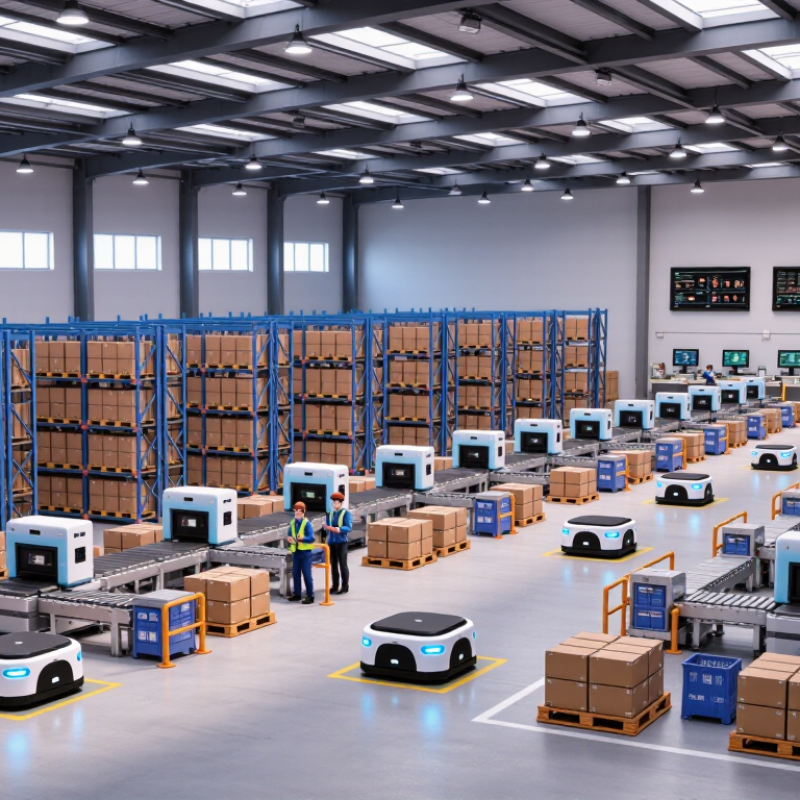
China Top 10 Warehouse Automation How to Integrate?

Understanding China’s Top 10 Warehouse Automation Technologies

China Top 10 Warehouse Automation How to Integrate?

Understanding China’s top 10 warehouse automation technologies starts with operational needs, not equipment lists. The main technologies include automated storage and retrieval systems, shuttle systems, autonomous mobile robots, automated guided vehicles, robotic picking, conveyor lines, sorting machines, goods-to-person stations, machine vision, and warehouse control software. The International Federation of Robotics reported 276,288 industrial robot installations in China during 2023. This represents about 51% of global installations.

Integration should follow the warehouse process. A warehouse management system releases orders, while warehouse execution software assigns tasks. Conveyors and sorters handle stable, high-volume routes. Mobile robots support changing layouts. Vision systems check barcodes, package positions, and damaged cartons. Automated storage works well where vertical space is limited. MHI’s 2024 Annual Industry Report surveyed more than 2,000 supply-chain professionals. It found that 55% increased technology investment during 2023.

The difficult part is coordination. A fast robot still fails when inventory data is inaccurate. Staff need clear exception-handling procedures. They also need practical training beside the machines. A pilot should measure pick rate, travel distance, order accuracy, energy use, and downtime. Do not automate everything. That assumption is expensive. Some manual work remains more flexible, especially during seasonal peaks. China’s strong robotics ecosystem helps, but integration quality depends on interfaces, maintenance skills, safety controls, and realistic process design. A small technical mismatch can stop an entire aisle.

China’s Top 10 Warehouse Automation Technologies: Integration Coverage

Number of standard warehouse workflows directly supported by each technology

The coverage score is based on eight common warehouse workflows: receiving, putaway, storage, picking, packing, shipping, inventory control, and returns. Higher coverage generally means more integration points with the WMS, WES, WCS, conveyors, robots, sensors, and enterprise systems. The score measures process coverage rather than market share or vendor performance.

Assessing Warehouse Needs and Selecting Suitable Automation Solutions

An effective warehouse automation project starts with evidence, not equipment catalogs. For China’s warehouse operators, assess order volume, SKU variety, peak seasons, storage density, and labor availability. Measure receiving, picking, packing, and dispatch times across several normal days. Include holiday surges. Small details matter.

The building itself may limit the solution. Check ceiling height, floor loading, aisle width, fire controls, temperature, and network stability. A high-speed conveyor may suit stable carton flows, while mobile robots can support changing layouts and mixed order profiles. Automated storage systems may improve space use, but they demand accurate inventory data and disciplined processes. Select equipment that matches the warehouse, not an impressive demonstration.

Integration requires more than mechanical installation. Confirm communication between warehouse software, control systems, scanners, weighing devices, and safety equipment. Define response times, maintenance access, spare parts, training, and manual backup procedures before signing a project plan. Use a pilot area with measurable targets, such as picking accuracy, hourly throughput, and order cut-off performance. Our early forecasts are often too optimistic. A pilot may reveal slow replenishment, poor barcode placement, or unsuitable packaging. Independent testing, documented acceptance standards, and references from similar operations make the final decision more reliable.

China Top 10 Warehouse Automation: How to Integrate? — Assessing Warehouse Needs and Selecting Suitable Automation Solutions
Rank Automation Solution Best-Fit Warehouse Need Typical Operating Profile Indicative Capacity or Performance Integration Requirements Implementation Complexity Typical Payback Range Recommended Selection Criteria
1 Warehouse Management System (WMS) Inventory accuracy, location control, order orchestration, batch management, and end-to-end warehouse visibility. Suitable for almost every warehouse, from manual operations to highly automated facilities. Can manage tens of thousands to millions of inventory records, depending on system architecture and transaction volume. ERP, order management system, transportation management system, barcode or RFID devices, labor management, and automation controls. Medium 12–36 months Real-time inventory, configurable workflows, API capability, multilingual support, traceability, and scalable database performance.
2 Warehouse Control System (WCS) and Warehouse Execution System (WES) Coordination of conveyors, sorters, storage systems, robots, workstations, and order priorities. Best for distribution centers with several automated subsystems that require centralized task scheduling. Performance depends on equipment configuration; control layers commonly coordinate hundreds of concurrent equipment events. PLC interfaces, equipment controllers, WMS integration, real-time dashboards, exception handling, and standardized communication protocols. High 18–48 months Vendor-neutral connectivity, real-time orchestration, failover design, simulation capability, and clear escalation procedures.
3 Automated Storage and Retrieval System (AS/RS) High-density storage, reduced travel distance, controlled inventory access, and labor reduction. Suitable for pallets, cartons, totes, or mini-load units with stable storage rules and predictable replenishment patterns. Typical crane or shuttle systems may deliver approximately 100–600 storage and retrieval cycles per hour, depending on layout and unit type. WMS or WES, rack structure, fire protection, building height, floor loading, power supply, safety controls, and temperature requirements. High 24–60 months Storage density, cycle rate, SKU dimensions, load weight, redundancy, maintenance access, and future expansion capacity.
4 Automated Guided Vehicles (AGVs) Repeatable movement of pallets, racks, carts, or containers between receiving, storage, production, and shipping zones. Best for structured routes, consistent material flows, and facilities where floor-based transport can be standardized. Common travel speeds are approximately 0.8–2.0 m/s, with fleet size determined by route length, payload, traffic, and charging requirements. Fleet manager, WMS or WES, facility map, traffic control, charging stations, safety scanners, and standardized load interfaces. Medium–High 18–48 months Payload, navigation accuracy, battery strategy, mixed-traffic safety, route flexibility, fleet scalability, and recovery from blocked paths.
5 Autonomous Mobile Robots (AMRs) Goods-to-person picking, flexible internal transport, replenishment, and changing order profiles. Suitable for e-commerce, retail distribution, and warehouses with variable layouts or frequently changing workflows. Typical operating speeds are approximately 1.0–2.5 m/s; practical productivity often ranges from 100–500 picks per workstation per hour, depending on process design. Robot fleet software, WMS or WES, workstation interfaces, map management, wireless coverage, safety systems, and charging infrastructure. Medium 12–36 months Navigation reliability, fleet density, workstation ergonomics, battery uptime, traffic management, software openness, and rapid redeployment.
6 Conveyor and Sortation Systems High-volume carton movement, order consolidation, destination sorting, and stable transport between process areas. Best for warehouses with predictable flows, multiple shipping destinations, and sustained daily order volumes. Typical conveyor speeds range from approximately 0.5–2.5 m/s; sortation capacity may range from 2,000–15,000 items per hour depending on technology and item profile. WCS or WES, scanners, barcode rules, divert logic, accumulation zones, induction stations, safety guarding, and parcel dimension standards. Medium–High 18–48 months Throughput, item dimensions, peak volume, noise, accumulation capacity, maintenance access, jam recovery, and future expansion zones.
7 Automated Picking and Robotic Manipulation Reduction of repetitive manual picking, improved consistency, and handling of high-volume or ergonomically difficult items. Most effective for standardized products with predictable packaging, clear presentation, and sufficient order density. Typical robotic picking performance may range from approximately 300–1,200 picks per hour, depending on SKU variety, grip complexity, and presentation quality. Vision systems, robotic arms, grippers, item database, WMS or WES, safety cells, quality checks, and exception-picking procedures. High 24–60 months SKU diversity, item deformability, grasp success rate, cycle time, exception rate, changeover effort, and human safety requirements.
8 Pick-to-Light and Put-to-Light Systems Fast and accurate piece picking, batch picking, put-wall operations, and order consolidation. Suitable for high-volume, small-item operations with relatively stable pick faces and clearly defined zones. Well-designed stations can often support approximately 200–600 picks per operator per hour, depending on SKU density and walking distance. WMS integration, light modules, scanners, zone controllers, replenishment logic, and workstation layout optimization. Low–Medium 6–24 months Order profile, pick-face stability, operator travel, light visibility, replenishment frequency, scalability, and error-proofing capability.
9 Dimensioning, Weighing, and Vision Inspection Automated parcel measurement, shipping verification, packaging quality control, and inventory identification. Best for outbound operations where freight cost, data quality, or compliance requires reliable item measurements. Inline systems commonly process approximately 500–3,000 parcels per hour, depending on item size, spacing, and inspection requirements. Barcode or RFID readers, cameras, scales, carrier systems, WMS or WES, label printing, data retention, and rejection handling. Medium 12–36 months Measurement accuracy, item range, lighting, data integration, reject handling, calibration, privacy controls, and maintenance requirements.
10 Smart Packaging, Palletizing, and Depalletizing Reduced manual lifting, consistent pallet quality, improved cube utilization, and faster outbound preparation. Suitable for repetitive carton or case patterns, stable product dimensions, and high-volume receiving or shipping processes. Robotic palletizing commonly operates at approximately 8–30 cases per minute, depending on case weight, pattern, reach, and product stability. Robotic cell, conveyors, pallet dispensers, stretch wrapping, vision or barcode verification, WMS or WCS, and safety guarding. Medium–High 18–48 months Case dimensions, payload, pallet patterns, changeover frequency, product fragility, line balancing, safety zoning, and maintenance support.
Planning note: Capacity, implementation time, and payback figures are indicative industry ranges rather than guaranteed results. Final selection should be based on SKU characteristics, order lines per day, peak demand, storage density, labor costs, building constraints, integration readiness, safety requirements, and a site-specific simulation or pilot.

Designing an Integrated Warehouse Automation System

China’s Top 10 Warehouse Automation: How to Integrate?

Designing an Integrated Warehouse Automation System

Integrating warehouse automation starts with the workflow, not the equipment list. Map receiving, put-away, picking, packing, and dispatch on one process diagram. Record travel distance, order peaks, carton sizes, and manual handoffs. These details reveal where delays actually occur.

A practical system may connect warehouse control software, inventory records, mobile terminals, conveyors, storage equipment, and picking stations. Use common data rules for item codes, locations, quantities, and status updates. Sensors can confirm tote movement, while barcode checks reduce mispicks. Keep a human release point for unusual orders and damaged packaging. Safety gates, emergency stops, access controls, and routine inspections should be designed into the layout.

Start with a limited zone. Measure throughput, queue time, inventory accuracy, downtime, and operator feedback for several weeks. Then adjust software logic and workstation height before expanding. Integration is rarely perfect on the first attempt. A rushed interface can create silent data errors. Conveyor speed may improve, yet poor replenishment timing can still stop the line. Staff training also needs more attention than many plans allow. Clear screens, recovery instructions, and supervised drills help workers respond when devices disconnect or orders change. Build for real conditions, not only the ideal flow.

Connecting Equipment, Software, Data, and Warehouse Operations

Integrating China’s top warehouse automation solutions requires more than connecting machines. Equipment, software, data, and daily operations must share one practical workflow. Conveyors, robots, scanners, and storage systems should exchange status signals with the warehouse control system. That system must then synchronize with the warehouse management system, inventory records, and order priorities.

Clear interfaces are essential. Use documented APIs, consistent item codes, and synchronized timestamps. A carton scanned at 10:03 should not appear in inventory at 10:08.

Tips: Map every process before selecting technology. Define who owns each data field. Test normal orders, peak volumes, network delays, and equipment faults. Keep manual procedures available.

Operational details decide whether integration succeeds. Operators need visible alerts, simple recovery steps, and training based on real warehouse conditions. A dashboard may show perfect performance while workers face blocked lanes or confusing exception messages.

Measure picking accuracy order cycle time equipment availability recovery time together. These indicators reveal hidden weaknesses. Start with one controlled zone, validate the data, then expand carefully.

No integration plan is perfect. Unexpected product sizes, changing promotions, and incomplete master data can disrupt smooth designs. Review failures without hiding them. A barcode mismatch or delayed sensor signal may expose a larger process problem. Reliable automation grows through repeated testing, disciplined maintenance, and honest feedback from the people using it each shift.

Implementing, Testing, and Optimizing the Automation Process

China Top 10 Warehouse Automation: How to Integrate

Implementing warehouse automation starts with a physical process audit. Measure aisle width, floor levels, lighting, and peak-hour traffic. Map every product movement before selecting equipment or software.

In one practical pilot, a missed barcode caused repeated picking delays. The issue was not the machine. It was inconsistent labeling. Clear location codes and stable packaging rules reduced handling errors.

Staff also need hands-on training beside the operating system. Short drills are more useful than long presentations. Keep manual procedures available during early deployment.

Testing should happen in controlled stages. Begin with empty routes, then add mixed cartons, urgent orders, and return items.

Record travel time, scan accuracy, blocked lanes, and recovery speed. Use real order data whenever possible. Simulated data can hide inconvenient problems.

Safety checks must cover sensors, emergency stops, pedestrian crossings, and battery charging areas. Operators should test abnormal situations, not only successful cycles.

Try a lost label. Try a delayed transfer. The results often reveal weak instructions.

Optimization requires weekly review, not a single launch meeting. Compare planned capacity with actual throughput during busy shifts.

Adjust slotting when fast-moving products create congestion. Clean sensors and inspect conveyors before small faults become expensive stoppages.

We once increased speed too early and created more jams. That decision needed correction.

Human feedback still matters. A picker may notice noise, awkward reach distances, or confusing screens before performance data shows the pattern.

Document every change, test it again, and retain evidence for future audits.

FAQS

What should be mapped before selecting warehouse automation equipment?

Map receiving, storage, picking, packing, and dispatch on one process diagram. Record travel distance, carton sizes, peak orders, and manual handoffs.

Which systems commonly need integration?

Connect control software, inventory records, mobile terminals, conveyors, storage equipment, and picking stations. Use shared rules for item codes, locations, quantities, and status updates.

How can automation reduce picking errors?

Barcode checks can confirm the correct item and location. Clear labels matter more than expected. Inconsistent labeling can delay many orders.

Why should implementation begin with a limited zone?

A small pilot exposes queue time, downtime, inventory errors, and operator concerns. Test it for several weeks before expanding. Expansion can wait.

What physical conditions should be checked before deployment?

Measure aisle width, floor levels, lighting, and peak-hour traffic. Inspect pedestrian crossings, charging areas, sensors, and emergency stops.

How should the automation system be tested?

Begin with empty routes, then add mixed cartons, urgent orders, and returns. Test lost labels, delayed transfers, blocked lanes, and disconnected devices. Successful cycles are not enough.

What training helps warehouse staff operate the new system?

Use short, hands-on drills beside the operating system. Provide clear screens, recovery instructions, and supervised practice. Keep manual procedures available during early deployment.

How can warehouse automation be optimized after launch?

Review performance weekly and compare planned capacity with busy-shift throughput. Adjust product locations when fast-moving items cause congestion. Clean sensors and inspect conveyors regularly.

What problems can occur when automation is rushed?

A rushed interface may create silent inventory errors. Higher conveyor speed may also increase jams. We once improved speed too early. That choice needed correction.

Conclusion

Integrating warehouse automation begins with understanding the main technologies available, such as automated storage and retrieval systems, conveyor systems, mobile robots, sorting equipment, and warehouse management software. Businesses should first evaluate inventory characteristics, order volumes, facility layout, labor processes, storage capacity, and future growth plans. This assessment helps determine which solutions can improve efficiency, accuracy, safety, and space utilization while remaining compatible with existing operations.

A successful plan for how to integrate automation into existing warehouse facilities should connect equipment, control systems, software, operational data, and employee workflows into one coordinated system. The process should include detailed system design, clear communication standards, phased installation, employee training, and careful testing. After implementation, performance should be monitored through measurable indicators such as throughput, order accuracy, equipment availability, and processing time. Continuous optimization allows the system to adapt to changing demand and deliver stable, long-term improvements.

Charlotte

Charlotte

Charlotte is a seasoned marketing professional with a deep understanding of the company's portfolio and a passion for elevating its presence in the market. With a keen eye for detail and a commitment to excellence, she ensures that our professional blog is regularly updated with insightful articles......