Finding the right answer to “what are the latest trends in warehouse technology” requires more than chasing impressive demonstrations. It requires evidence from daily operations, independent research, and measurable business results. In 2026, warehouse technology is moving beyond isolated automation. Artificial intelligence, autonomous mobile robots, computer vision, digital twins, wearable devices, and real-time inventory systems are becoming connected tools. The strongest solutions should reduce walking time, improve order accuracy, and support safer workstations.
Industry data shows why this shift matters. MHI’s 2024 Annual Industry Report found that 83% of supply chain professionals expect technology investment to increase. The report also identified artificial intelligence, robotics, sensors, and cloud computing as major growth areas. Zebra Technologies’ 2024 Global Warehousing Study reported that many warehouse leaders plan to accelerate modernization before 2029. Their priorities include real-time visibility, automation, and better workforce productivity. Numbers can guide decisions.
They cannot replace observation.
Gartner research vice president Dwight Klappich described the warehouse as “the center of the supply chain universe.” His statement highlights a practical reality. A warehouse connects inventory, labor, transportation, customer promises, and cash flow. Therefore, this guide will examine technology trends through implementation evidence, not marketing language. It will compare where AI creates value, when robotics solves a genuine bottleneck, and why data quality still determines results. Some forecasts may look optimistic. Real facilities remain noisy, constrained, and imperfect. That is exactly why careful evaluation matters. A modern warehouse should not simply look advanced. It should perform better at the dock, the picking aisle, and the packing station.
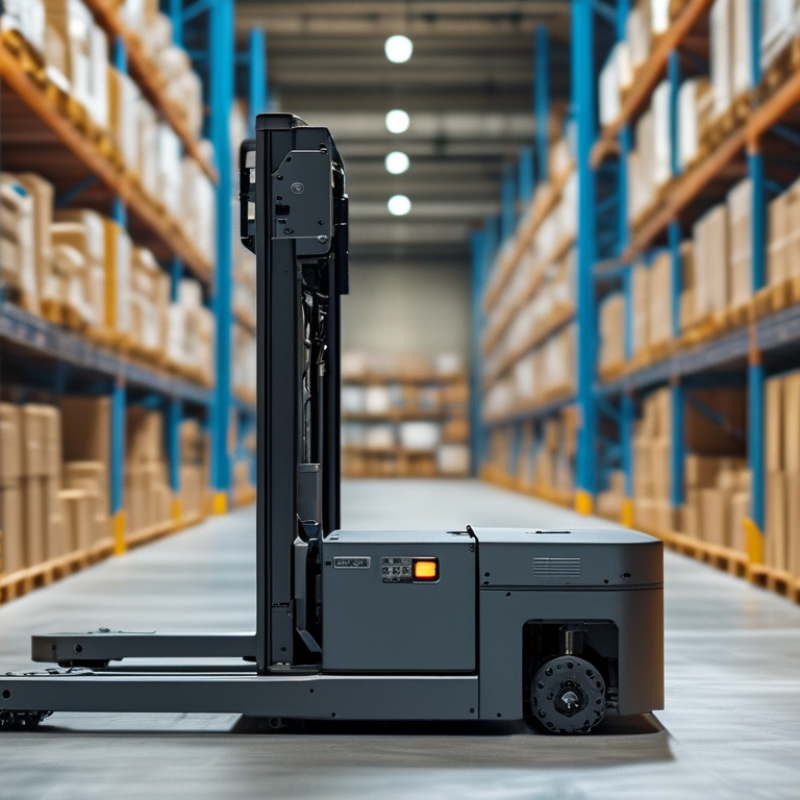
Defining the warehouse technology landscape in 2026 requires more than collecting fashionable product terms. It means examining how systems solve real operational problems. Look at robotics, computer vision, warehouse management software, smart sensors, digital twins, and autonomous transport together. Their value depends on inventory accuracy, safer movement, faster picking, and dependable data exchange. A modern warehouse is becoming a connected decision system, not merely a storage building.
From my experience, useful trend research begins with evidence from working sites. Compare pilot results, installation requirements, maintenance records, training time, and energy use. Check whether a system performs during peak orders, poor network conditions, and product variation. Independent research, technical standards, safety guidance, and transparent case data deserve more trust than promotional claims. Some forecasts will be wrong. That is normal, but ignoring uncertainty is not professional.
Tips: Map current delays before studying new tools. Ask vendors for measurable results. Test one workflow first. Review cybersecurity and worker safety early. Keep human oversight for exceptions. Do not treat artificial intelligence as magic. It may improve forecasts, yet weak data can produce confident mistakes. A practical 2026 landscape should therefore include governance, staff feedback, integration costs, and clear performance measures. The most advanced option may still be unsuitable for a small warehouse with limited technical support.
Finding useful warehouse trends requires more than reading headlines. Start with government trade reports, university research, logistics associations, and recognized standards organizations. These sources often explain safety, labor, data protection, and performance requirements. Their methods are usually visible. That matters.
During a warehouse process review, compare published claims with actual operating details. Ask whether a study measured picking speed, error rates, energy use, and maintenance time. A demonstration may look impressive, but a busy aisle reveals more. Check the sample size, testing period, and conditions. Small trials can produce large promises.
Speak with warehouse managers, equipment technicians, and frontline workers. Their experience exposes problems that reports may miss, such as poor scanner visibility or difficult battery changes. Review independent pilot studies and conference papers before trusting commercial forecasts. Also check publication dates. Technology changes quickly in 2026.
Keep a simple evidence table. Record the source, author, test setting, measured result, and unresolved risk. Compare three sources before calling an idea a trend. Do not treat frequent online mentions as proof. That assumption can mislead. I would also revisit older findings, because some “new” innovations have failed in earlier trials. Reliable research still needs judgment, and my own judgment can be wrong.
Warehouse technology trends deserve more than attention-grabbing headlines. Evaluate each trend against a real operating problem, such as picking delays, inventory errors, or unsafe lifting. Measure business value with clear figures: hours saved, accuracy improved, energy reduced, and payback period. A promising tool should improve daily work, not simply look advanced.
Readiness matters just as much. Check whether the technology works with existing systems, warehouse layouts, staff skills, and data quality. Ask for evidence from similar facilities. Review pilot results, maintenance needs, training time, and performance during peak demand. A controlled trial near one picking zone can reveal more than a polished demonstration.
Small tests help.
Risk needs equal attention. Examine cybersecurity, worker safety, data privacy, supplier stability, and failure recovery. Create a basic fallback process before expanding the pilot. I have seen projects fail because managers measured speed but ignored charging time and repair delays. That mistake is easy to repeat. It is also costly.
Consider how the technology affects workers, not only productivity reports. Ask operators what feels useful, confusing, or unsafe. Their practical feedback may challenge the original business case. Trends become credible when independent evidence, local testing, and transparent limitations support the decision.
Warehouse technology trends in 2026 should be judged by operational fit, not attractive demonstrations. Review how each solution handles receiving, picking, packing, returns, and inventory checks. A computer vision system may improve count accuracy, but poor lighting can reduce its reliability. Test it beside real shelves, rushed workers, and seasonal order peaks.
Cost comparison needs more than purchase prices. Calculate installation, software access, training, maintenance, energy use, and workflow changes. An automated mobile robot can reduce walking time, yet it may require floor redesign and charging space. Measure labor hours saved per order, error reduction, throughput, and downtime. The cheapest option is not always the least expensive.
Scalability reveals whether a technology can survive business growth. Ask whether the system supports new storage zones, additional facilities, changing order profiles, and temporary staff. Cloud-based tools may expand quickly, but unstable data connections can interrupt daily work. Run a limited pilot for eight to twelve weeks. Record results before and after deployment. Include operator feedback; practical resistance is often overlooked. I would also challenge optimistic forecasts. A projected payback period may ignore integration delays, training gaps, or slower adoption. Reliable research should combine supplier documentation, independent testing, customer evidence, and measured warehouse data. Compare results using the same time period and operating conditions. This produces a clearer view of performance, total cost, and long-term flexibility.
Warehouse technology trends rarely arrive with a clear announcement. They appear through repeated operational signals. Watch hiring posts, supplier specifications, conference agendas, and warehouse job descriptions. These clues show what teams are testing, not merely what suppliers are promoting. Small signs matter. A site adding sensor-based cycle counts may reveal a wider shift toward real-time inventory control.
Track adoption with a simple evidence log. Record the date, facility type, workflow, and observed result. Speak with warehouse managers, maintenance staff, and implementation engineers. Their experiences expose practical limits, including training time, integration errors, and uneven network coverage. Compare claims with measurable outcomes: pick accuracy, travel distance, order-cycle time, safety incidents, and energy use. Avoid treating one successful pilot as market proof. It may reflect an unusually skilled team.
Update the trend assessment every quarter, or sooner when evidence changes. Give each trend a confidence score based on independent sources, repeated deployments, and verified performance. My early assessment may be wrong. That is useful. A technology showing strong interest but weak retention deserves a lower rating. Keep old assumptions visible, then note what replaced them. Photos of control panels, dated interview notes, and anonymized process maps can make the review auditable. Trends become credible when evidence survives operational pressure, not when the language sounds impressive.
| Technology trend | Primary warehouse use case | 2026 adoption signal | Signal strength | Evidence to monitor | Assessment update trigger | Implementation readiness | Recommended 2026 status |
|---|---|---|---|---|---|---|---|
| Cloud-based warehouse management systems | Inventory control, receiving, picking, labor planning, and multi-site visibility | Strong | High | Migration projects, subscription-based procurement, API integrations, and reduced dependence on on-premise infrastructure | Upgrade the trend rating when deployment includes production integrations and measurable reduction in manual administration | High | Scale |
| Autonomous mobile robots | Goods movement, order picking assistance, replenishment, and point-to-point transport | Strong | High | More paid production deployments, fleet-management integration, safety validation, and repeatable return-on-investment cases | Increase confidence when utilization, travel-distance reduction, and labor-productivity results are tracked for at least one peak cycle | Medium-High | Scale selectively |
| AI-assisted forecasting and slotting | Demand forecasting, inventory positioning, pick-path optimization, and dynamic slotting | Emerging to strong | Medium-High | Use of historical order data, explainable recommendations, forecast-error measurement, and human approval workflows | Raise the rating only when accuracy, service level, inventory turnover, or travel-time improvement is documented against a baseline | Medium | Pilot and validate |
| Computer vision for inventory and quality | Barcode reading, dimensioning, damage detection, cycle counting, and pallet verification | Growing | Medium | Camera coverage, recognition accuracy, exception rates, lighting performance, and integration with inventory records | Update the assessment after accuracy is proven across different packaging types, locations, and operating conditions | Medium | Targeted deployment |
| Real-time location systems | Tracking pallets, containers, mobile equipment, and high-value inventory | Growing | Medium | Reduction in search time, improved asset utilization, fewer misplacements, and reliable indoor-positioning coverage | Increase the rating when location data is used in daily workflows rather than displayed only on dashboards | Medium | Monitor use cases |
| Goods-to-person automation | High-density storage, ergonomic picking, and rapid fulfillment of small items | Established in suitable profiles | High | Order-line productivity, storage-density improvement, ergonomic benefits, uptime, and peak-season throughput | Reassess when product dimensions, order profiles, or throughput requirements change materially | High | Scale where fit is proven |
| Energy management and electrification | Efficient lighting, electric material-handling equipment, demand management, and facility monitoring | Strong | High | Energy intensity per order, charging demand, electricity consumption, emissions reporting, and payback period | Refresh the trend score when energy prices, reporting requirements, or equipment replacement cycles change | High | Prioritize |
| Warehouse cybersecurity and operational resilience | Protection of warehouse software, connected equipment, operational data, and recovery processes | Strong requirement | High | Multi-factor authentication, network segmentation, patch management, backup testing, incident-response exercises, and supplier risk reviews | Immediately revise the assessment after a security incident, regulatory change, or major connected-equipment deployment | Medium-High | Mandatory control |
Judge operational fit, not attractive demonstrations. Test receiving, picking, packing, returns, and inventory checks beside real shelves.
Poor lighting can weaken counting accuracy. Test cameras during rushed work, crowded aisles, and seasonal order peaks.
Include installation, software access, training, maintenance, energy, and workflow changes. Purchase price alone can mislead.
They may reduce walking time and labor hours per order. Floor redesign and charging space can add unexpected costs.
Compare pick accuracy, travel distance, order-cycle time, errors, energy use, and downtime. Use the same operating conditions.
Run an eight-to-twelve-week pilot. Record results before and after deployment, including operator feedback and training difficulties.
Check support for new storage zones, extra facilities, changing orders, and temporary staff. Weak data connections may interrupt daily work.
Review job descriptions, hiring posts, supplier specifications, conference agendas, and repeated facility deployments. Small clues matter.
Use independent sources, repeated deployments, and verified performance. One successful pilot is not enough evidence.
Review them quarterly, or sooner when evidence changes. Keep old assumptions visible because early forecasts may be wrong.
Finding the answer to “what are the latest trends in warehouse technology” requires a structured and practical approach. Start by defining the 2026 warehouse technology landscape, including automation, robotics, artificial intelligence, connected equipment, real-time data systems, and workforce-support tools. Then consult reliable sources such as operational reports, research publications, technology evaluations, and feedback from warehouse professionals to identify meaningful innovations rather than short-lived hype.
Each trend should be assessed according to its business value, technical readiness, implementation risk, and compatibility with existing processes. Compare solutions across productivity, labor requirements, operating costs, maintenance, flexibility, security, and scalability. Finally, monitor adoption signals such as pilot results, measurable performance improvements, training needs, and investment patterns. Because warehouse technology continues to evolve, organizations should regularly update their assessments and prioritize solutions that support measurable efficiency, resilience, safety, and long-term operational growth.

JK Logistics