In today's rapidly evolving logistics landscape, efficiency is critical for success. The question arises: why do warehouses need intelligent sorting systems? These advanced systems streamline operations, enhance accuracy, and significantly reduce operational costs. Without them, warehouses face delays and increased errors.
Imagine a busy warehouse filled with diverse products. Manual sorting can lead to mistakes that cost time and money. Intelligent sorting systems use algorithms and automation to sort items quickly. This technology minimizes human error and maximizes throughput. However, implementing such systems can require a substantial investment and training.
The transition may present challenges, yet the benefits can be substantial. Increased efficiency leads to faster order fulfillment, which ultimately improves customer satisfaction. Recognizing the importance of intelligent sorting systems can help warehouses remain competitive in a demanding market. So, why do warehouses need intelligent sorting systems? The answer lies in their capacity to enhance productivity while addressing potential obstacles.
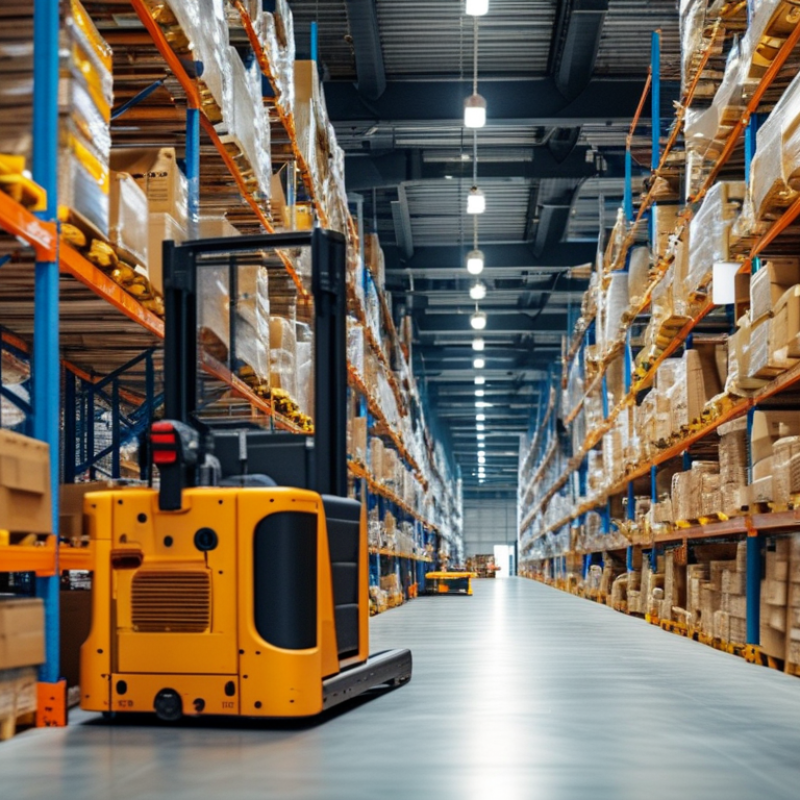
Efficient warehouse operations are crucial to maintaining competitiveness in today's fast-paced market. According to a 2022 report by Logistics Management, efficient sorting systems can reduce operational costs by up to 30%. This significant reduction directly impacts the bottom line. Intelligent sorting systems enhance accuracy and speed, facilitating faster order fulfillment. They can process high volumes of items seamlessly, ensuring that the right products reach customers promptly.
Warehouse inefficiencies can arise from outdated systems. Relying solely on manual sorting can lead to errors and delays. The same report highlights that 70% of warehouses still use manual processes. Automation is vital for staying relevant. Intelligent sorting not only improves productivity but also minimizes human error, which can cost companies thousands in penalties and returned shipments.
For warehouses considering upgrading their systems, monitoring performance metrics is essential. Evaluate sorting accuracy, processing time, and labor costs regularly. Continuous assessment aids in identifying areas needing improvement. Investing in real-time data tracking can also help reduce operational risks. Such strategies are not just about keeping pace but setting a standard for excellence in the industry.
Traditional sorting methods in warehouses have been the backbone of logistics for decades. Often, these systems rely on manual labor or basic mechanized processes. Workers sort items based on their size, weight, or destination. This method, while functional, is time-consuming and prone to errors. Missing a package or misplacing an item can create ripple effects, leading to delays.
Investing in training can enhance sorting accuracy. Workers should understand the layout and categories of items. Knowledgeable staff can speed up the process and reduce mistakes. Additionally, regular reviews of sorting procedures can reveal inefficiencies. Streamlining these methods may seem daunting, yet it is crucial for smooth operations.
Technology has begun to replace some traditional sorting systems. Barcode scanners and conveyor belts are examples. These tools increase efficiency but can be costly. The reliance on machinery raises questions about job security and the need for adaptation. It's vital to balance automation with human oversight. Emphasizing teamwork between machines and workers fosters a supportive environment, ensuring reliability in the sorting process.
| Sorting Method | Efficiency | Accuracy | Cost | Flexibility |
|---|---|---|---|---|
| Manual Sorting | Low | Moderate | Low | High |
| Conveyor Systems | Moderate | High | Moderate | Moderate |
| Automated Sortation Systems | High | Very High | High | Low |
| Voice-Directed Picking | Medium | High | Moderate | High |
| Robotic Sortation | Very High | Very High | Very High | Low |
Intelligent sorting systems are revolutionizing warehouse operations. These systems enhance efficiency, accuracy, and speed in sorting processes. A report by Grand View Research estimates that the global warehouse automation market will reach $30 billion by 2026. Intelligent sorting solutions are a significant part of this growth.
One of the key features of intelligent sorting systems is their ability to integrate advanced algorithms.
This capability allows for real-time processing of incoming data. Systems equipped with machine learning can adapt to changing inventory patterns. According to industry studies, these systems can reduce sorting errors by up to 30%. Furthermore, automation can cut labor costs significantly—by an estimated 20% to 30%, based on figures from a McKinsey report.
However, deploying these systems is not without challenges. Integration issues with existing warehouse management systems can arise. Companies may find themselves grappling with initial investment costs and staff retraining needs. A survey from Deloitte indicates that 40% of firms cite resistance to change as a major obstacle. Despite the hurdles, the push for intelligent sorting systems continues, driven by the promise of streamlined operations and improved service levels.
Intelligent sorting systems are becoming essential for warehouses. These solutions enhance efficiency and accuracy. They allow for faster processing of orders. Manual sorting can lead to errors and delays. With intelligent systems, items are tracked more precisely. This reduces misplacement and improves inventory accuracy.
Implementing these solutions also boosts employee satisfaction. Workers spend less time on repetitive tasks. They can focus on higher-value activities, leading to a more engaged workforce. However, transitioning to these systems requires careful planning. Companies may face challenges in training staff and integrating new technologies. It’s vital to assess the possible roadblocks before full implementation.
Moreover, the reliance on technology can be a double-edged sword. If the system fails, it may halt warehouse operations. This risk needs attention. It’s necessary to have contingency plans in place. Ensuring data security is another concern. Intelligent systems collect vast amounts of information. Protecting this data is crucial for maintaining trust and compliance.
Intelligent sorting systems are revolutionizing warehouse operations. According to a recent report by the MHI Industry Group, 74% of warehouses are investing in automation technologies to improve efficiency. As these systems evolve, several trends are emerging that promise to shape the future of warehouse sorting.
One trend is the integration of artificial intelligence (AI) and machine learning. AI can analyze vast amounts of data to predict sorting needs and optimize workflows. This technology helps warehouses reduce sorting errors by up to 30%. Another significant trend is the use of robotics. Autonomous mobile robots (AMRs) are increasingly being deployed for sorting tasks. They work collaboratively, ensuring faster processing speeds and enhanced accuracy.
While these advancements offer numerous benefits, they also raise questions. How do we ensure data security in automated systems? What about the workforce? Training employees to work alongside intelligent systems is crucial. The balance between automation and human touch remains a critical consideration.
In the realm of intelligent sorting, efficiency is key. Implementing smart sorting systems can help reduce labor costs. However, invest in training to maximize the benefits. Regularly evaluate system performance to identify and rectify inefficiencies. This proactive approach can foster a more resilient and adaptable warehouse environment.
: Intelligent sorting solutions enhance efficiency and accuracy, allowing faster order processing and reducing errors.
Workers spend less time on repetitive tasks, enabling them to focus on more engaging activities and improving job satisfaction.
Companies may struggle with staff training and integrating new technologies, requiring careful planning and assessment.
If the intelligent sorting system fails, it could halt warehouse operations, so risk management is essential.
Ensuring data security is crucial for maintaining trust and compliance, necessitating robust protection measures.
Key trends include the integration of AI and machine learning for predicting sorting needs and the use of autonomous robots.
Training is essential for employees to work effectively alongside intelligent systems and balance automation with human input.
Investing in continuous training and regularly evaluating system performance can help identify and fix inefficiencies.
Balancing the speed of automation with the human touch in operations remains a critical consideration for companies.
Underestimating training needs and not preparing for potential integration issues can lead to significant setbacks.
In modern logistics, the question of "why do warehouses need intelligent sorting systems" has become increasingly relevant. Efficient warehouse operations are critical for managing inventory and fulfilling customer orders promptly. Traditional sorting methods, while functional, often lack the speed and accuracy required in today’s fast-paced environment. Intelligent sorting systems leverage advanced technology such as automation and artificial intelligence to optimize sorting processes, reducing errors and increasing throughput.
The key features of intelligent sorting systems include real-time data processing, adaptability to various package sizes, and seamless integration with existing warehouse management systems. By implementing these solutions, warehouses can experience significant benefits such as improved operational efficiency, reduced labor costs, and enhanced customer satisfaction. Looking ahead, future trends in warehouse sorting technology promise further innovation, with a focus on sustainability and increased automation, making intelligent sorting systems an essential investment for warehouses aiming to stay competitive in the evolving marketplace.

JK Logistics