How to Reduce Manual Labor in Warehouse Operations Effectively?

Time:2026-08-10 Author:Henry
0%

In today’s fast-paced logistics environment, understanding how to reduce manual labor in warehouse operations is crucial. Warehouses face increasing demands for efficiency and cost-effectiveness. Manual labor often slows down processes and increases the risk of errors. Embracing technology can shift this trend.

Automation, like conveyor systems and robotics, can enhance productivity significantly. These innovations can minimize human error and improve safety. However, adopting new technology requires thoughtful planning. Warehouse staff must be trained effectively to use these systems. Balancing technology and human input is essential.

Moreover, it’s vital to regularly assess operations. Identifying bottlenecks or redundancies can lead to better practices. Continuous improvement ensures that strategies remain effective as markets change. Reflecting on these practices provides opportunities to further streamline processes and enhance outputs.
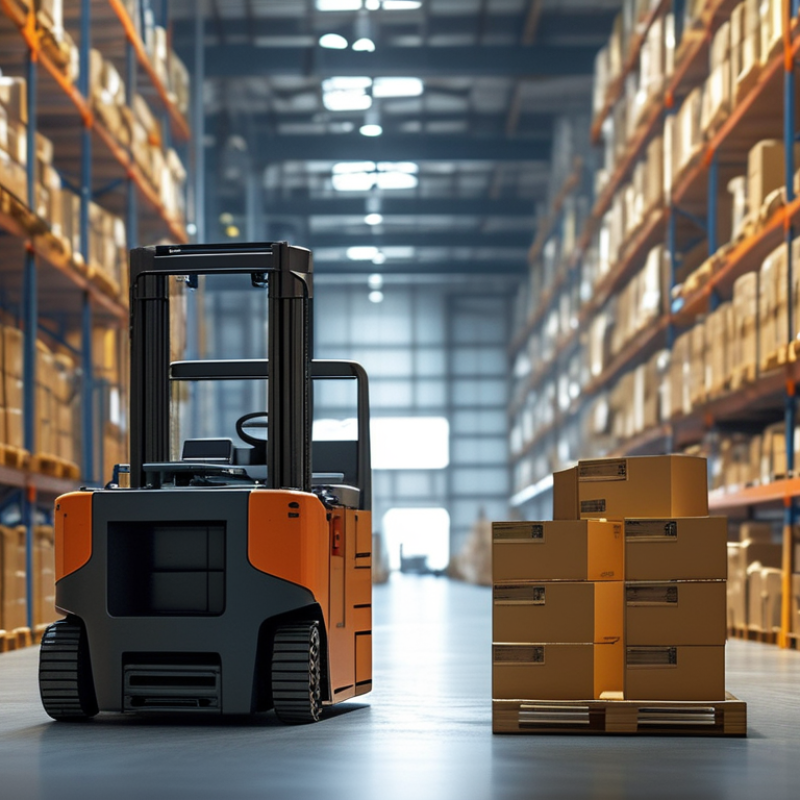
How to Reduce Manual Labor in Warehouse Operations Effectively?

Identifying Key Areas of Manual Labor in Warehouse Operations

In warehouse operations, manual labor is often a significant cost. Identifying areas where human effort can be minimized is crucial. First, assess the layout of your warehouse. Poor organization leads to unnecessary walking and delays. Analyze workflows. Look for bottlenecks that slow down processes.

Tips: Consider using a warehouse management system (WMS) to track inventory. A well-implemented WMS can streamline operations and reduce errors. Think about automation. Automated picking systems can eliminate repetitive tasks.

Another area to evaluate is the training of your staff. Proper training reduces mistakes and improves efficiency. Workers who understand processes can adapt quickly.

Tips: Invest in ongoing training programs to keep your team updated. Regular workshops can boost morale and skills.

Remember, it's essential to gather feedback from employees. They often have insights about inefficiencies that management overlooks. While it’s challenging to reduce manual labor entirely, taking these steps can lead to meaningful improvements.

Implementing Automation Technologies for Efficiency

In modern warehouse operations, automation technologies are key to reducing manual labor. Robotics, for example, can handle repetitive tasks such as picking and sorting. These machines can work tirelessly, increasing productivity. Integrating automated guided vehicles (AGVs) can further streamline logistics. They transport goods efficiently, cutting down on the need for human labor.

However, implementing these technologies doesn't come without challenges. Training staff to work alongside robots is crucial. Employees might resist new systems initially. A transition period may require extra time and effort. Monitoring the effectiveness of automation tools is necessary. Sometimes, they may not operate as expected, leading to bottlenecks if not carefully managed. Continuous evaluation and adjustment will ensure optimal results.

Investing in automation can lead to significant long-term benefits. Nonetheless, organizations must remain adaptable. The technology landscape is constantly evolving, and what works today might not be effective tomorrow. Balancing automation with the human touch is vital. Acknowledging these complexities will enable companies to navigate the path toward greater efficiency.

Impact of Automation Technologies on Manual Labor Reduction in Warehouse Operations

Streamlining Warehouse Processes Through Lean Management

In warehouse operations, lean management offers a structured approach to streamlining processes. By minimizing waste, businesses can significantly reduce manual labor. According to a 2022 industry study, companies that adopted lean practices reported a 20% decrease in labor costs and a 30% boost in overall efficiency. These improvements are essential in a sector where efficiency directly impacts profitability.

Implementing lean management involves analyzing workflows meticulously. Identifying bottlenecks and redundancies is vital. For instance, companies have found that reorganizing storage layouts reduces travel time for workers. A survey highlighted that 45% of warehouse workers spend too much time walking or searching for items. Addressing these issues improves speed and accuracy in fulfilling orders.

However, lean management is not without challenges. Resistance to change is common. Employees might feel overwhelmed by new processes. Continuous training is crucial for success, ensuring all staff understand their roles in the new system. Regular feedback helps to refine operations, making lean management a constantly evolving approach rather than a one-time fix.

Training Employees to Utilize New Tools and Techniques

Training employees to utilize new tools and techniques is crucial in modern warehouse operations. When introducing automation and advanced technology, proper training is essential. It helps employees adapt to their new environments. They must understand how to operate new machinery and technology effectively.

Hands-on training sessions can be beneficial. These sessions foster engagement and ensure employees feel confident using new tools. Role-playing can simulate real-life scenarios. This practice allows employees to face challenges in a controlled setting. Regular feedback during training can help identify areas for improvement.

Reflecting on past training initiatives is vital. Some employees may feel overwhelmed by transitions. Their concerns deserve attention. Encouraging open communication builds trust. It helps leaders understand employee needs better. Adjusting training approaches based on feedback can enhance overall effectiveness. Investing in employee training today leads to a more efficient warehouse tomorrow.

Monitoring and Evaluating Performance Post-Implementation

Monitoring performance after implementing changes is crucial for warehouse operations. It provides insights into how effectively labor has been reduced. Start by identifying key performance indicators (KPIs). These may include order accuracy, pick times, and labor costs. Regularly review these metrics to determine if the new processes meet their intended goals.


Gather feedback from warehouse staff. They are the ones who experience the impact of changes daily. Their insights can highlight areas needing improvement. Make it a habit to hold regular meetings. Discuss successes and challenges openly. This can foster a culture of continuous improvement and adaptation.


Physical audits of the processes should be conducted. Observing workflows in real-time can reveal inefficiencies that data alone might miss. While technology can streamline operations, reliance solely on automation may overlook human factors. Balancing tech and human insight is key. Reflect on any resistance to changes by staff. Understanding their concerns can guide better implementation strategies.

FAQS

: How can I minimize manual labor in warehouse operations?

: Assess your warehouse layout and improve organization to reduce unnecessary walking.

What role does a Warehouse Management System (WMS) play?

A WMS tracks inventory and streamlines operations, reducing errors significantly.

How can automation technologies benefit warehouse efficiency?

Robotics can handle repetitive tasks like picking and sorting, increasing productivity.

What challenges come with implementing automation?

Training staff for new technology is crucial. Employees may resist changes initially.

How can ongoing training improve efficiency?

Regular training sessions keep staff updated, reducing mistakes and boosting morale.

Why is employee feedback important?

Employees often notice inefficiencies that management might overlook. Their insights are valuable.

What should I do if employees feel overwhelmed by new systems?

Encourage open communication to understand their concerns better and adjust training methods.

How can role-playing help with training?

It simulates real-life scenarios, allowing employees to practice problem-solving in a safe environment.

How important is it to monitor automation tools?

It ensures they operate as expected and helps identify any issues causing bottlenecks.

Is balancing automation and human effort necessary?

Yes, finding the right balance is crucial as technology continues to evolve.

Conclusion

In order to effectively address the question of how to reduce manual labor in warehouse operations, it's essential to identify key areas where manual tasks are prevalent. By implementing automation technologies, warehouses can significantly enhance operational efficiency. Furthermore, embracing lean management practices allows for the streamlining of processes, minimizing waste, and optimizing workflow.

Equally important is the training of employees to proficiently utilize the new tools and techniques introduced during this transition. Continuous monitoring and evaluating of performance post-implementation are crucial to ensure that the changes are yielding the desired outcomes. By focusing on these strategies, warehouses can not only reduce manual labor but also improve productivity and employee satisfaction.

Henry

Henry

Henry is a dedicated marketing professional with a profound expertise in the company's offerings. With years of experience in the industry, he possesses an impressive understanding of the market dynamics and consumer behaviors that drive success. Henry is committed to sharing his insights through......