In today's competitive business landscape, understanding how to reduce warehouse operating costs is crucial. Companies are always seeking ways to enhance profitability while maintaining efficiency. A well-managed warehouse can significantly contribute to lowering these expenses.
Many factors influence operational costs. From labor to technology, each plays a role in the overall financial picture. Adopting best practices and innovative solutions can lead to substantial savings. However, some methods may not be suitable for every business model. It’s essential to evaluate what works best for your specific operations.
Investing in cost-reduction strategies is an ongoing process. It requires constant assessment and adjustments. Companies should be open to experimenting with new approaches while also reflecting on what previously didn’t yield results. A commitment to continuous improvement can lead to noteworthy reductions in operating costs.
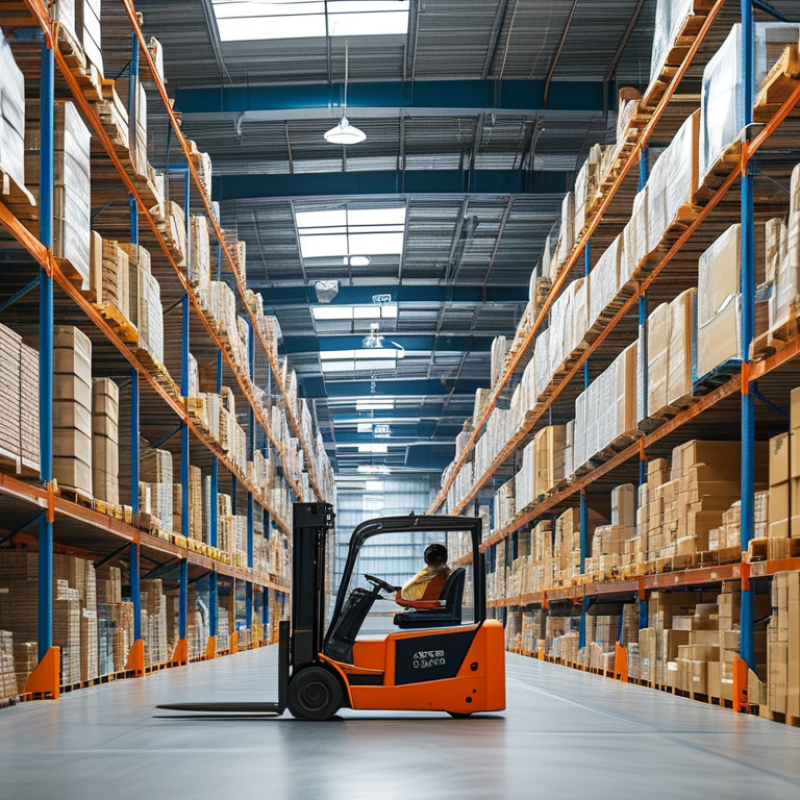
Reducing warehouse operating costs is critical for businesses seeking to enhance profitability. A key area to focus on is inventory management. According to a report by the Warehousing Education and Research Council, better inventory practices can lower costs by up to 20%. Implementing a robust tracking system streamlines operations and reduces excess stock.
Automated solutions also contribute significantly to cost savings. A study from McKinsey showed that automation in warehouses can lead to a 30% reduction in labor costs. However, transitioning to automated systems requires careful planning. It's essential to assess the technology's initial costs against long-term savings.
Tip: Regularly review your staffing needs. Many warehouses maintain more staff than necessary, leading to inflated costs.
Another area to target is warehouse layout. An inefficient layout can waste time and resources. Reorganizing storage systems can enhance efficiency. A well-organized warehouse can improve picking speed and accuracy, ultimately lowering operational costs.
Tip: Consider cross-docking strategies to minimize storage time. This can lead to faster order fulfilment and reduced holding costs.
By examining these key areas, businesses can make informed adjustments that effectively reduce costs in their warehouse operations.
Warehouse efficiency can drastically improve by implementing technology solutions. One effective approach is using automated picking systems. These systems can reduce errors and speed up order fulfillment. With fewer mistakes, inventory management becomes simpler. This technology also frees up staff for more critical tasks.
Another method is utilizing warehouse management software (WMS). A robust WMS can provide real-time inventory data. This helps prevent overstocking and stockouts. However, staff must be trained to use the software effectively. Neglecting this aspect can lead to poor usage and wasted resources.
Mobile devices are also changing the game. Workers can scan items and update inventory immediately. This keeps everyone informed on stock levels. Yet, reliance on technology needs careful consideration. If systems fail, operations can halt. Strike a balance between tech and human oversight to maintain smooth operations.
Inventory management is a critical component of warehouse operations. Effective inventory management minimizes holding costs. When a warehouse holds excessive stock, costs accumulate. This can strain budgets and affect profitability. To address this, warehouses should focus on optimizing stock levels. Using data analytics provides insights into inventory turnover rates.
Regular audits of stock can identify slow-moving items. These items tie up capital and storage space. Implementing just-in-time inventory practices can significantly reduce holding costs. This approach ensures that inventory arrives only as needed. It also helps maintain efficiency in warehouse operations.
Technology plays a vital role in streamlining inventory management. Automated systems can track stock levels in real time. They enhance accuracy and reduce human error. However, reliance on technology can lead to complacency. It’s essential to maintain a balance between automated processes and human oversight. Regularly revisiting inventory strategies ensures alignment with shifting market demands.
Training and incentives play a crucial role in enhancing labor productivity within warehouse operations. According to a report by the Warehousing Education and Research Council (WERC), investing in employee training can increase productivity by up to 25%. This is particularly significant in a landscape where labor costs account for nearly 50% of total warehouse operating expenses. By providing skills training, employees become more efficient, reducing errors and improving the overall workflow.
Incentives also drive performance. A study from the Industrial Truck Association reveals that implementing reward systems can boost individual productivity by 15%. Simple recognition programs or financial bonuses encourage workers to exceed their targets. However, it is essential to strike a balance; overemphasis on incentives may lead to burnout or unhealthy competition among team members. Encouraging collaboration while recognizing individual achievements becomes vital.
Despite these advantages, many warehouses still overlook the potential of workforce development. A report by the National Institute of Standards and Technology indicates that organizations failing to train their employees may incur losses of about 35% in operational efficiency. Reflecting on the potential impact of investment in training and incentives can help warehouse managers identify areas for improvement and develop a more resilient workforce.
| Training Program | Duration (Hours) | Cost per Employee ($) | Expected Productivity Increase (%) | Incentive Type | Incentive Amount ($) |
|---|---|---|---|---|---|
| Safety Training | 4 | 150 | 15 | Bonus | 200 |
| Forklift Operation | 8 | 300 | 20 | Gift Card | 50 |
| Inventory Management | 6 | 200 | 25 | Profit Sharing | 300 |
| Teamwork and Communication | 5 | 100 | 10 | Spot Awards | 75 |
Implementing energy-efficient practices can significantly lower utility expenses in warehouse operations. One effective method is optimizing lighting. Switching to LED lights reduces energy consumption drastically. Sensors can be installed to ensure lights are on only when needed. This may require an initial investment, but the long-term savings are worthwhile.
Another strategy is improving insulation. Properly insulated warehouses maintain temperature, reducing heating and cooling costs. Regular maintenance of HVAC systems is vital. Scheduling routine check-ups helps identify inefficiencies. Over time, a neglected system can lead to higher energy use.
Evaluating energy consumption regularly can provide insights into savings. Simple audits can reveal patterns or excessive usage during off-peak hours. Employees should be trained to recognize and report inefficiencies. This collaborative approach can lead to meaningful improvements. Awareness and action often highlight areas for reflection and growth in energy management practices.
: Better inventory practices can lower costs by up to 20%. Streamlining operations is key.
Automation can lead to a 30% reduction in labor costs. Careful planning is important for success.
Many warehouses have excess staff, inflating costs. Regular reviews can help maintain efficiency.
An inefficient layout wastes time and resources. A well-organized system can enhance picking speed.
Automated picking systems reduce errors and speed up fulfillment. This simplifies inventory management.
Investing in employee training can boost productivity by up to 25%. Skills training improves workflow efficiency.
Reward systems can increase individual productivity by 15%. Balance is crucial to avoid burnout.
If systems fail, operations can halt. Maintaining a balance between tech and human oversight is necessary.
They minimize storage time, leading to faster order fulfillment and reduced holding costs.
Lack of training can lead to a 35% loss in operational efficiency. Investing in workforce development is vital.
To effectively address how to reduce warehouse operating costs, it is essential to focus on several key areas. First, identifying inefficiencies in warehouse operations allows managers to target cost reduction efforts effectively. Implementing technology solutions can optimize processes, enhancing overall efficiency while reducing manual errors and labor requirements. Streamlining inventory management is crucial for minimizing holding costs, as proper inventory control can prevent excess stock and associated expenses.
Additionally, enhancing labor productivity through focused training and incentive programs promotes a more motivated workforce, leading to increased efficiency and reduced labor costs. Finally, adopting energy-efficient practices can significantly lower utility expenses, a critical factor in overall operating budgets. By addressing these aspects, warehouses can achieve substantial cost savings and improve their financial performance.

JK Logistics