How to Understand Why Warehouse Automation Is Essential

Time:2026-11-18 Author:Sophia
0%

At 6 a.m., a warehouse may already be processing hundreds of orders. Workers move between shelves, scanners beep, and a late replenishment can stall an entire picking line. These pressures help explain why are automated warehouse systems becoming essential for many operators. Automation can move goods, guide picking, and share live inventory data. It can also reduce repetitive travel and help teams respond to fluctuating demand. The gains are not automatic, though. Poorly chosen equipment can create bottlenecks faster than it solves them.

Tye Brady, Amazon Robotics’ chief technologist, has emphasized that robotics should support employees and make warehouse work safer and more effective. That perspective matters. The practical question is not whether machines can replace every task, but where they can improve flow while people retain oversight. A conveyor, mobile robot, or automated storage system may each suit different buildings, order profiles, and budgets. Even a well-designed system needs maintenance, trained staff, and reliable data. One overlooked exception can send a tote to the wrong station. It happens.

This introduction examines the operational pressures behind warehouse automation, the technologies commonly used, and the trade-offs leaders should assess. It also considers labor, safety, accuracy, and return on investment. Automation can strengthen a warehouse, but it is not a shortcut around sound planning. That distinction is easy to miss.
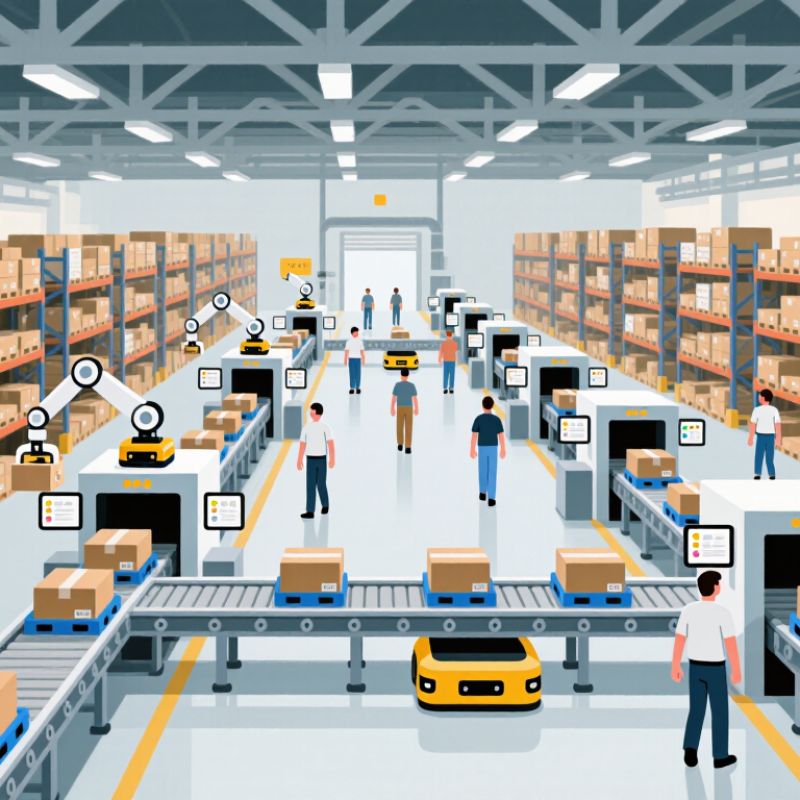
How to Understand Why Warehouse Automation Is Essential

What Warehouse Automation Includes and How It Works

Warehouse automation combines software, machines, and people to move goods through receiving, storage, picking, and shipping. A warehouse management system records each item’s location and sends tasks to workers or equipment. Barcode or RFID scans confirm that a carton arrived at the right dock or shelf. Conveyors and sorters move cartons; automated storage systems retrieve bins; mobile robots carry shelves or totes across the floor. Sensors and control software coordinate these steps. The system works best when inventory data is accurate. One misplaced scan can send a picker to an empty slot.

The MHI 2024 Annual Industry Report found that 55% of surveyed supply chain leaders planned to increase investment in technology and innovation. That figure covers supply chains broadly, not warehouses alone, but it signals growing interest in connected operations. In practice, automation often begins with a clear bottleneck, such as long walking routes or late order cutoffs. Software assigns work, machines handle repeatable movement, and staff manage exceptions, damaged cartons, or unusual orders. The handoff is not always neat. A robot may wait behind a blocked aisle, while a worker resolves the issue. Real facilities need space for charging, maintenance, and safe pedestrian routes. More automation is not automatically better. Teams still need to check whether the system reduces delays without creating new ones.

Which Operational Challenges Automation Addresses

An order can stall when a picker crosses a crowded aisle, searches for a pallet, or waits for replenishment. These small pauses build into missed dispatch windows. Automation can move cartons, scan locations, and flag low stock, reducing avoidable walking and manual data entry. MHI’s 2024 Annual Industry Report found that 55% of respondents had increased investment in supply-chain technology and innovation. That figure reflects investment across technology, not automation alone. Small delays add up.

McKinsey Global Institute’s 2017 analysis estimated that 60% of occupations have at least 30% of their activities technically automatable. The estimate covers many industries, not warehouses specifically. Still, it helps explain why repetitive tasks are candidates for automation, while exception handling needs human judgment. A conveyor may keep cartons flowing, but it cannot resolve every damaged label or unexpected SKU mismatch. Automation can also expose weak processes rather than fix them. Teams should measure travel time, queue lengths, mis-picks, and downtime before choosing equipment. Then they can compare results after installation. A faster system is not automatically a better one if workers must constantly work around it.

How to Understand Why Warehouse Automation Is Essential – Which Operational Challenges Automation Addresses

Operational challenge How it affects warehouse operations How automation can help Practical consideration
High order volumes and repetitive handling Manual picking, sorting, and transport can create bottlenecks when demand rises or order profiles change. Conveyors, sortation systems, goods-to-person solutions, and automated mobile robots can move or route items with less repetitive manual handling. System capacity should be matched to expected throughput, order mix, and peak demand.
Picking and inventory errors Incorrect picks or inaccurate stock records can lead to rework, delayed orders, and avoidable stock discrepancies. Barcode scanning, warehouse management software, and automated verification steps can support accurate item identification and transaction recording. Reliable item data, clear labeling, and well-defined exception procedures remain necessary.
Long travel distances inside the facility Workers may spend substantial time walking or transporting goods between storage, picking, packing, and dispatch areas. Automated transport and goods-to-person systems can reduce some travel by bringing items or materials closer to the work area. Layout, safety zones, traffic flows, and integration with existing processes affect the results.
Labor availability and physical strain Warehouses can face staffing constraints, while repeated lifting, carrying, and movement may place physical demands on workers. Robotic handling, lift-assist equipment, and automated transport can take on selected repetitive or physically demanding tasks. Automation changes job tasks; worker training, ergonomics, and safe operating procedures are still important.
Limited floor space or storage capacity Growing inventory can make storage locations harder to manage and increase congestion in aisles and work areas. High-density automated storage and retrieval systems can use vertical space and bring stored items to designated access points. Building structure, fire protection, item dimensions, and access requirements need to be assessed before installation.
Demand variability and peak periods Promotions, seasonal demand, or uneven order patterns can put pressure on staffing, staging, and dispatch processes. Flexible automation and warehouse software can help coordinate task assignment and material flow as workloads change. Capacity planning should account for peak scenarios, equipment availability, and manual fallback options.
Limited operational visibility Without timely information, supervisors may find it harder to identify delays, track inventory movement, or prioritize work. Warehouse management systems and equipment monitoring can provide operational data to support tracking, coordination, and problem detection. Data quality, system integration, and clear performance measures are essential for useful reporting.

Automation is most effective when selected for specific operational needs and supported by suitable processes, maintenance, training, and human oversight.

How Automation Improves Speed, Accuracy, and Safety

In a busy warehouse, minutes disappear when workers walk long aisles to find a single carton. Automated conveyors and guided vehicles can move goods between receiving, storage, and packing with fewer unnecessary trips. That changes the pace of a shift. Orders can flow more steadily, especially during predictable rush periods. Not magically, though. A blocked lane or empty charging station can slow the whole process.

Automation can also improve accuracy by matching scanned items with digital order records. A scan at each handoff helps catch a wrong product before it reaches the packing bench. Clear prompts and weight checks add another layer. These controls reduce repetitive mistakes, but they do not remove them entirely. Poorly labeled stock still causes confusion.

Safety matters just as much as speed. Sensors can slow equipment near people, while automated lifts handle some heavy or awkward loads. Marked pedestrian routes and regular equipment checks remain essential. A machine cannot judge every situation well. Workers need training, and supervisors should review near misses rather than assume the system is safe because it is automated. In practice, the best results come from combining reliable equipment with human attention.

How Automation Affects Costs, Labor, and Scalability

Warehouse automation changes costs by shifting spending from repetitive handling toward equipment, software, integration, and maintenance. MHI’s 2024 Annual Industry Report found that 55% of surveyed supply-chain professionals were increasing technology investment. The payoff is not automatic: a conveyor or mobile robot must fit the building, order mix, and peak-hour workload. Otherwise, it can add expense without clearing the packing queue.

Labor is affected less by simple replacement than by task redesign. McKinsey Global Institute estimated that about half of paid work activities worldwide could be technically automated with existing technologies; that does not mean half of jobs will disappear. In a warehouse, scanning, sorting, and moving totes may be automated, while people handle exceptions and equipment issues. Workers still need training. Sometimes the bottleneck is a poorly placed printer, not a lack of robots.

Scalability is where modular systems can help. A facility might automate one picking zone, then expand after measuring throughput, error rates, and downtime. This staged approach limits risk, but it also demands honest data: average daily volume can hide a difficult seasonal peak. Automation supports growth only when capacity, maintenance coverage, and workforce skills grow with it. The business case deserves regular review.

What Factors Shape an Effective Automation Strategy

An effective warehouse automation strategy starts with the work, not the machine. Map order profiles, peak-hour volume, travel distances, SKU variability, and error rates across receiving, storage, picking, and packing. A short pilot in one aisle can show whether congestion, replenishment delays, or uneven workloads are the real bottlenecks. Building layout, labor availability, software integration, maintenance skills, safety, and budget all shape the right approach. So does growth: a system sized only for today may constrain tomorrow.

MHI’s 2024 Annual Industry Report reported that 88% of surveyed supply-chain professionals expected robotics and automation adoption within five years. That points to momentum, not guaranteed returns. Build the business case using local measures: labor hours, throughput, accuracy, downtime, and maintenance costs. Set a baseline before installation and compare results across shifts and peak seasons. Averages can hide problems. One uncomfortable truth: automation may move a bottleneck rather than remove it.

Tips: Start with one repetitive, measurable process, such as moving cartons between picking and packing. Check how workers interact with the equipment, and record exceptions as well as successful cycles. Measure before scaling. Real floors differ.

FAQS

What does warehouse automation include?

It combines software, machines, and people to move goods from receiving to shipping. Scans track cartons, while conveyors and mobile robots handle repeatable movement.

How does warehouse software help daily operations?

A warehouse management system records item locations and assigns tasks. One incorrect scan can send a picker to an empty shelf.

Which warehouse tasks are often automated?

Scanning, sorting, and moving totes are common candidates. Workers still manage damaged cartons, unusual orders, and equipment problems.

Does automation always reduce warehouse costs?

No. Equipment, software, integration, and maintenance add costs. A robot may sit idle if it does not fit the building or order flow.

Will warehouse automation replace workers?

It often changes tasks rather than removing every role. Workers may need training to handle exceptions and maintain equipment. The transition can be uneven.

How can a warehouse scale automation carefully?

Start with one picking zone and track throughput, errors, and downtime. A daily average can hide a difficult seasonal peak.

What should teams measure before choosing equipment?

Record order volume, travel distances, labor hours, accuracy, and delays. Check results across shifts. Averages can mislead.

What can go wrong after automation is installed?

Congested aisles can delay robots, and a new system may shift the bottleneck elsewhere. It happens. Leave space for charging, maintenance, and safe walking routes.

Conclusion

Warehouse automation combines software, sensors, conveyors, robots, and other equipment to move, store, and track goods with less manual handling. These systems can address common operational challenges such as rising order volumes, repetitive tasks, inventory errors, and delays between warehouse processes. Understanding why are automated warehouse systems becoming essential begins with recognizing how coordinated technology can help operations work faster and more accurately while reducing physical strain and improving workplace safety.

Automation can also change the balance of operating costs and labor by shifting employees toward supervision, problem-solving, and other higher-value tasks. Flexible systems may help a warehouse scale as demand changes, but effective results depend on careful planning. Businesses should assess their workflows, facility layout, order patterns, workforce needs, budget, and integration requirements before choosing an approach. The right strategy aligns automation with practical goals rather than adopting technology for its own sake.

Sophia

Sophia

Sophia is a dedicated marketing professional with an exceptional depth of knowledge about her company's products and services. With a keen understanding of market trends and customer needs, she crafts insightful blog posts that not only inform but also engage readers, enriching the company’s online......