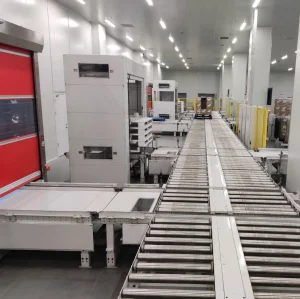
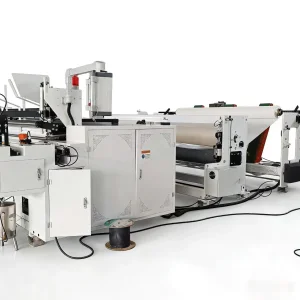
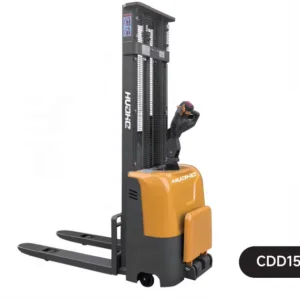
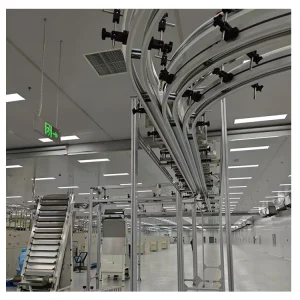
Explore our core engineered systems designed to streamline return validation, dynamic sorting, and automated materials routing.
In the modern omni-channel ecosystem, reverse logistics has transitioned from a cost-center liability into a vital determinant of customer satisfaction and bottom-line margin recovery. Return rates across global e-commerce hover between 20% to 30%, placing immense physical and operational pressure on distribution facilities. Traditional forward logistics configurations are inherently unsuited for the unpredictable, fragmented flows of returns.
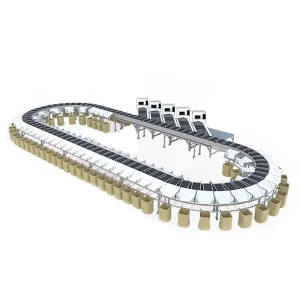
A specialized, high-capacity Returns Processing System addresses this bottleneck by automating the intake, sorting, inspection routing, and re-shelving processes. By integrating scanning modules, weight and volume dimensioners, and high-speed cross-belt sorters, facilities can immediately reduce cycle times from weeks to hours.
"Automation in reverse logistics is no longer a luxury. Recovering value from returned products at maximum velocity requires precision hardware integrated deeply with intelligent warehouse execution systems."
Our solutions enable operators to scan incoming return packages, immediately query the merchant’s database for Return Merchandising Authorization (RMA) data, assess the product condition, and sort it dynamically into designated channels: re-stocking, liquidation, refurbishing, or disposal.
| Return Phase Process | Manual Bottlenecks | Automated System Solutions |
|---|---|---|
| Intake & Sortation | Unlabeled parcels, manual data entry, slow distribution. | Dynamic DWS (Dimension, Weight, Scan) arrays with 99.9% accuracy. |
| Routing & Staging | Prone to error, cluttering aisles, misrouted batches. | High-speed belt/shoe sorters routing items automatically to designated bins. |
| Value Assessment | Vague quality classification, slow processing. | Integrated cobot-assisted inspection and optical sensor checks. |
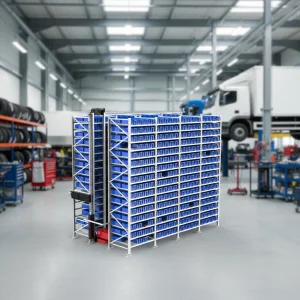
| Put-away / Restocking | Long inventory lag times, lost resale value. | AS/RS Miniload shuttle staging for immediate inventory re-entry. |
Shenzhen JK Logistics Co., Ltd. is a professional Warehouse Conveyor Systems Manufacturer specializing in material handling, sorting systems, and logistics automation solutions for modern warehouses, distribution centers, and industrial facilities. Based in Shenzhen, China, the company focuses on the development and production of intelligent automation equipment designed to improve operational efficiency, optimize material flow, and support the growing demands of global supply chains.
With extensive experience in warehouse and logistics automation, JK Logistics provides integrated solutions covering material handling systems, warehouse conveying equipment, automated sorting technologies, order fulfillment automation, pallet handling solutions, distribution center infrastructure, and smart logistics integration. These solutions are widely used in e-commerce fulfillment centers, retail distribution networks, third-party logistics operations, manufacturing facilities, and parcel processing hubs.
The company is committed to delivering reliable, scalable, and customized automation solutions that address the challenges of modern warehousing. Its engineering team collaborates closely with customers to analyze operational requirements, warehouse layouts, throughput objectives, and future expansion plans. By combining automation technology with practical logistics expertise, JK Logistics develops systems that improve productivity, reduce manual handling, enhance accuracy, and streamline warehouse operations.
Equipped with advanced manufacturing capabilities and comprehensive quality management processes, the company maintains strict standards throughout design, production, testing, and installation. Continuous investment in research and development enables JK Logistics to incorporate intelligent control technologies, data-driven automation, and flexible system integration into its solutions.
Serving customers across Asia, Europe, North America, South America, the Middle East, and other international markets, Shenzhen JK Logistics Co., Ltd. is dedicated to providing efficient warehouse conveyor systems and logistics automation solutions that help businesses improve operational performance, increase supply chain efficiency, and adapt to the evolving requirements of modern distribution and fulfillment environments.
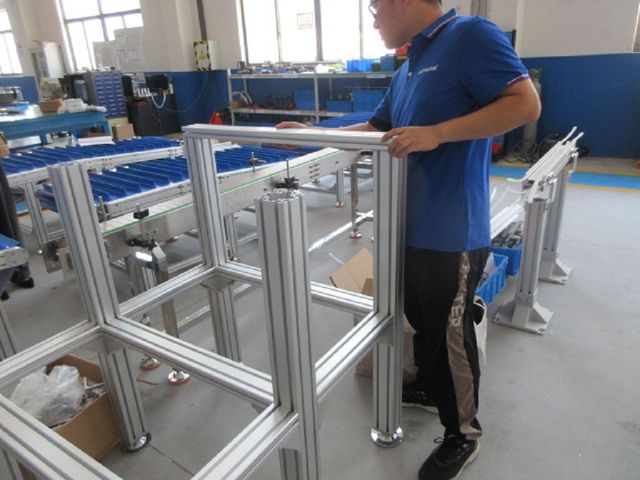
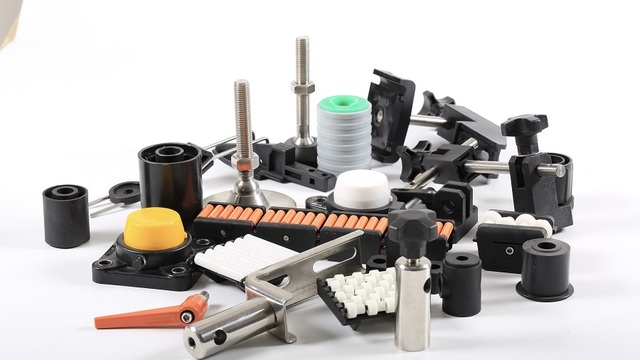
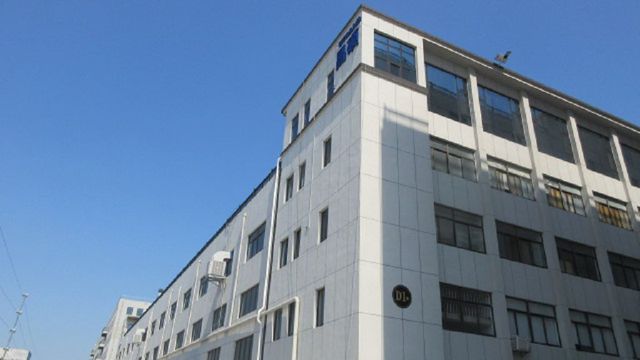
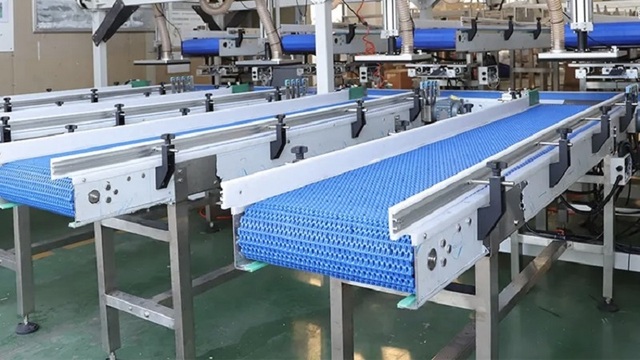
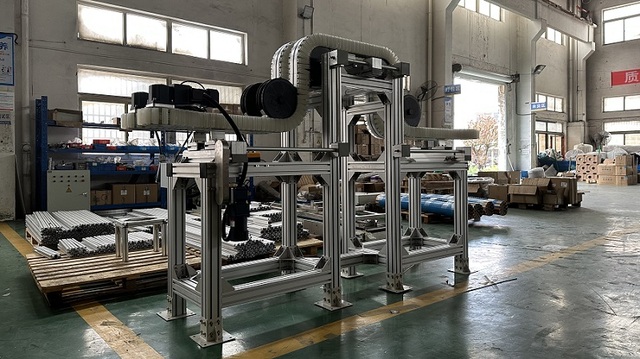
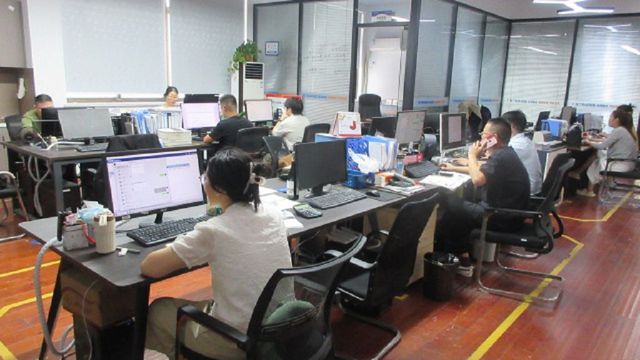
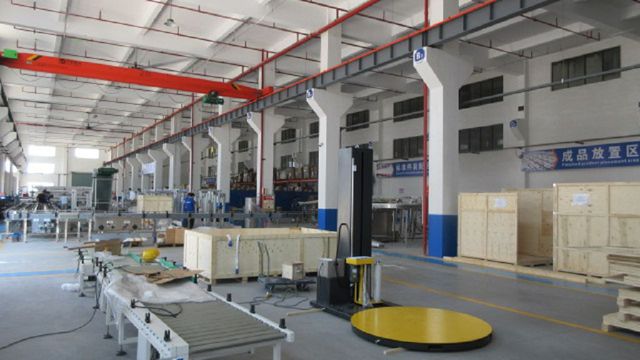
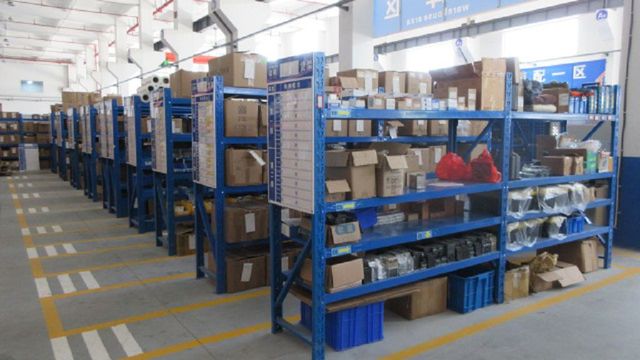
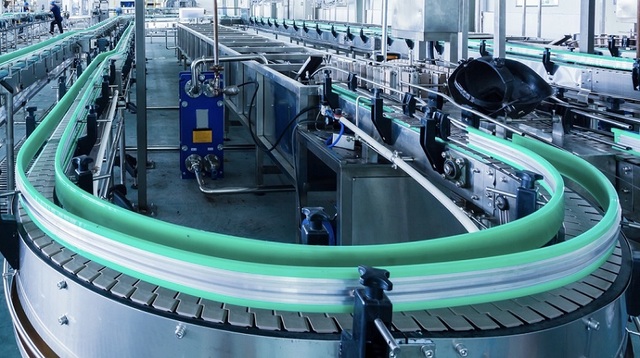
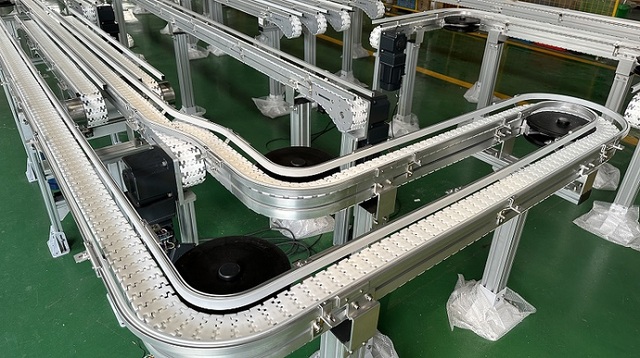
How JK Logistics integrates advanced lean manufacturing, local vertical supply integration, and high engineering customization.
By leveraging Shenzhen's hardware fabrication cluster, we achieve rapid raw material sourcing and structural frame manufacturing, shortening standard build cycles by 30% compared to Western competitors.
Our quality verification protocol operates under ISO 9001:2015. Every modular belt conveyor, cross-belt sorter, and control unit undergoes exhaustive 72-hour continuous testing prior to global packing and crating.
We do not believe in one-size-fits-all. Our structural design engineers customize belt widths, roller compositions, and electric terminal boxes to withstand unique site conditions and regional electrical grids.
Reverse logistics is highly dynamic. Packages arrive in various sizes, bags, boxes, or even un-packaged states. Traditional sorters struggle with this variance. To address this, the engineering roadmap at JK Logistics centers on key paradigm shifts in automation technology:
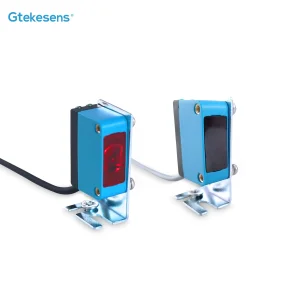
Our focus extends deeply into preventive health monitoring of mechanical components. Through integrating IoT-enabled laser photoelectric sensors and vibration analyzers along main drive shafts, JK Logistics conveyor networks predict belt wear and motor failures weeks before a breakdown occurs.
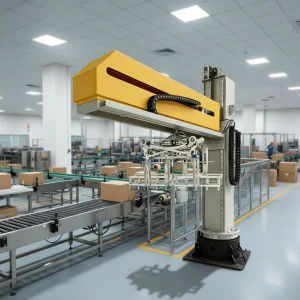
Furthermore, by utilizing advanced cobot systems equipped with custom pneumatic suction or mechanical grippers, returns processing systems can autonomously handle fragile returns (e.g., glassware, high-value electronics) and route them to refurbishing workbenches without human touching.
Optimized reverse logistics systems custom-tailored to different business verticals and supply chain models.
For international dropshipping operators, returns can be fatal to profitability. Our custom software bridges API connections from systems (MAC/OS) to Chinese warehousing facilities, enabling instant returns routing, re-packaging, and automated inventory sync.
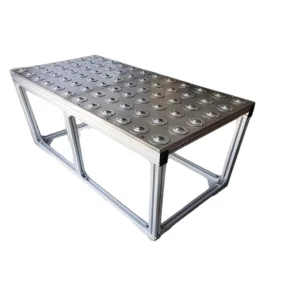
Third-party logistics providers require highly flexible sorting lines capable of handling diverse products daily. By integrating heavy-duty modular conveyor belts with universal ball transfer tables, 3PL managers can re-route pathways manually or programmatically depending on the current tenant project.
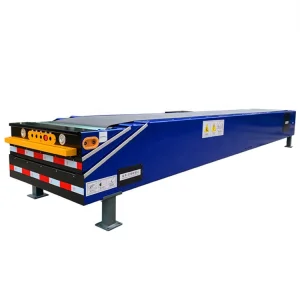
In store-to-warehouse returns, bulk processing is key. High-capacity belt systems coupled with automated vertical transport solutions allow distribution nodes to move palletized return stacks to mezzanine consolidation decks rapidly.
Deploying machinery internationally requires strict adherence to regional safety and regulatory standards. Shenzhen JK Logistics Co., Ltd. builds systems that comply with global expectations, ensuring smooth site inspection approvals and seamless integration with existing software architectures.
Our electrical designs integrate UL/CSA components for North American clients and CE certified controllers, motors, and light curtains for European facilities. This minimizes setup friction and reduces risk during on-site deployment.
Operational downtime is expensive. To support international operations, we maintain localized partnerships for field support, installation supervision, and system calibration. Furthermore, all physical conveyors are designed with modular components, allowing facilities to source spare parts globally (such as standard bearings and photo-sensors) or request rapid express dispatch from our extensive inventory warehouses in China.
Key parameters and engineering inquiries procurement teams must evaluate before contracting a Chinese supplier.
Identify the peak load requirements. Ensure the manufacturer defines conveyor belt tension limits, drive power ratings, and peak parcel sorting frequency (parcels per hour) under loaded conditions.
Confirm the supplier's control systems (PLC/SCADA) support open protocols (such as TCP/IP, Modbus, or RESTful APIs) to communicate with your existing Warehouse Management Systems without licensing roadblocks.
Insist on modular layouts. Systems should be designed so that sorting spurs, additional belt extensions, or diversion gates can be retrofitted without reconstructing the entire frame structure.
Expert insights regarding deployment cost, timelines, structural customization, and technological compatibility.
Our advanced systems utilize hybrid conveyor designs. A dynamic scanning gate (DWS) determines the package length, width, height, and weight instantly upon induction. For polybags and variable soft packaging commonly found in clothing returns, we deploy modular plastic panel belts or sliding-shoe sorters which prevent thin bags from getting caught in rolling gaps.
Yes. Our integrated control cabinets use Siemens, Schneider, or Mitsubishi PLCs configured to communicate via standard Ethernet/IP or Modbus TCP protocols. We provide comprehensive documentation for API and SDK hookups, allowing database developers to sync physical sorting signals directly with inventory updates in SAP, Manhattan, Oracle, or customized cloud platforms.
Standard design and production phases require 4 to 8 weeks depending on the sorting system's length and complexity. Ocean freight to North America or Europe averages 3 to 5 weeks. Installation is guided by detailed 3D CAD modeling and wiring layouts. For enterprise projects, we can send specialized technicians on-site to oversee assembly and lead dry-testing protocols.
All structural frame segments, electrical boxes, and rotating elements are engineered with safety compliance in mind. All automated machinery carries CE certification. Motors and electrical systems can be customized to comply with local certifications, and integrated safety circuits include physical emergency-stop pull-chords along the entire conveyor length.
Explore supplementary components, pallet lifters, automated guided vehicles, and customized factory conveyor modules.

 JK Logistics