Product Description
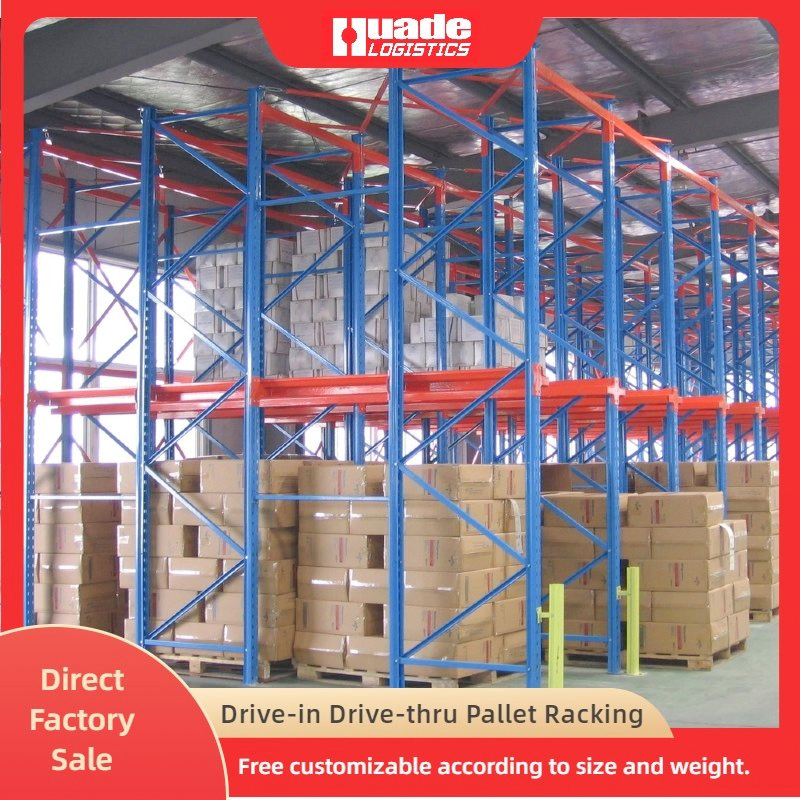
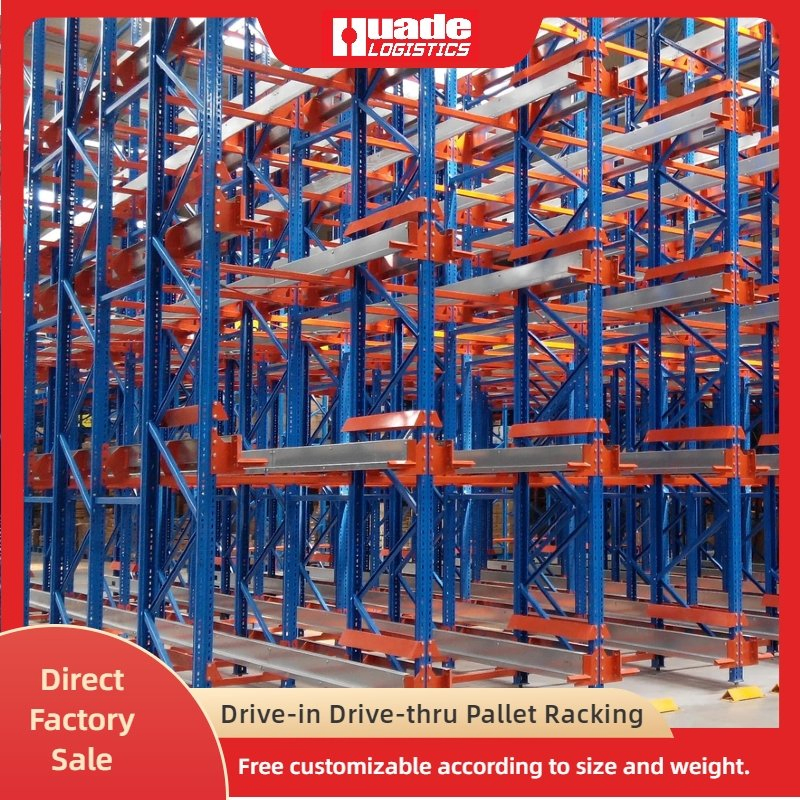
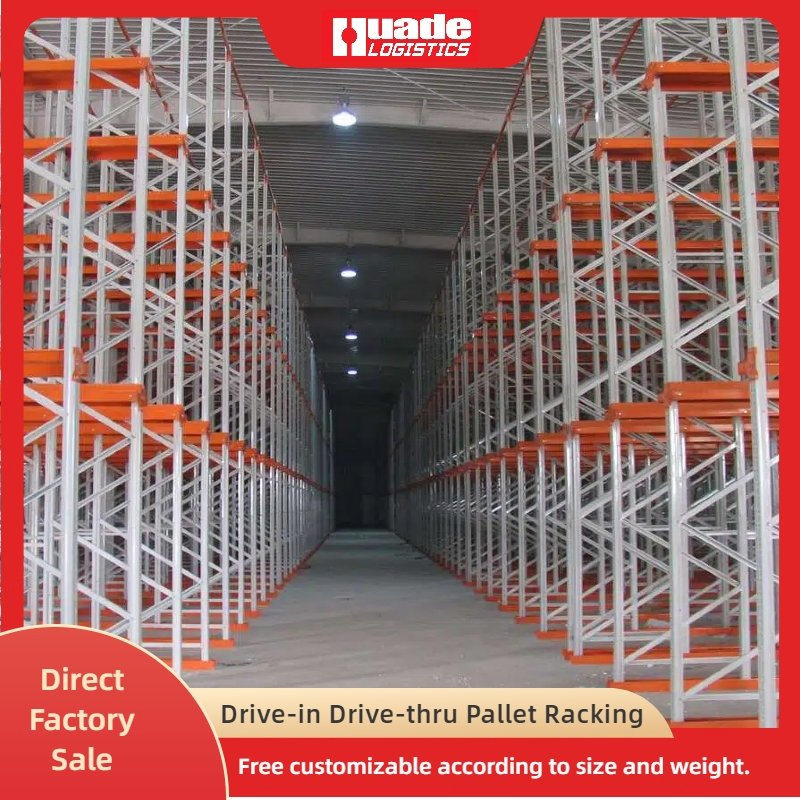
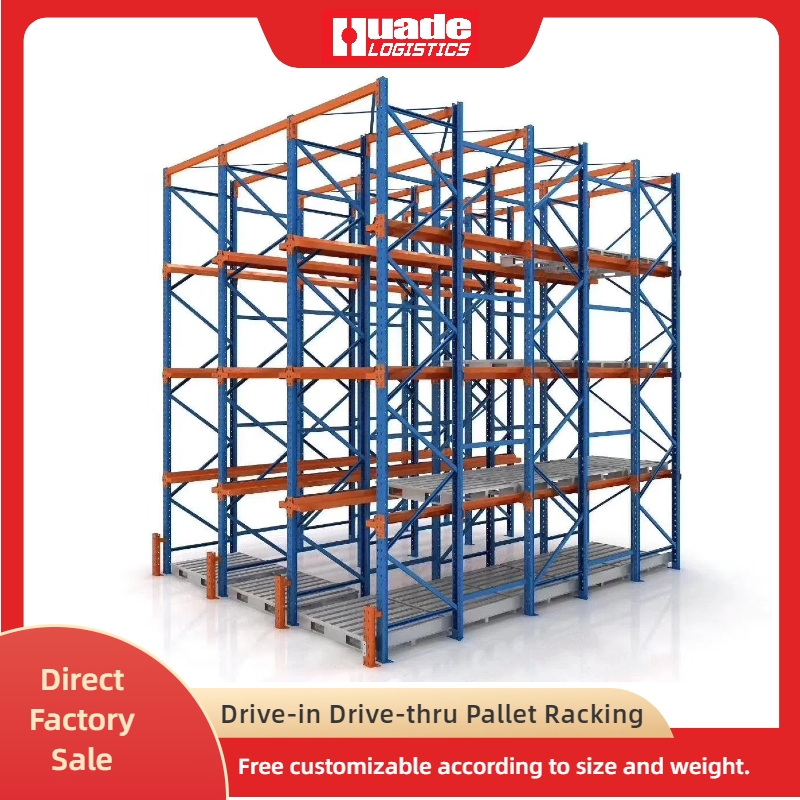
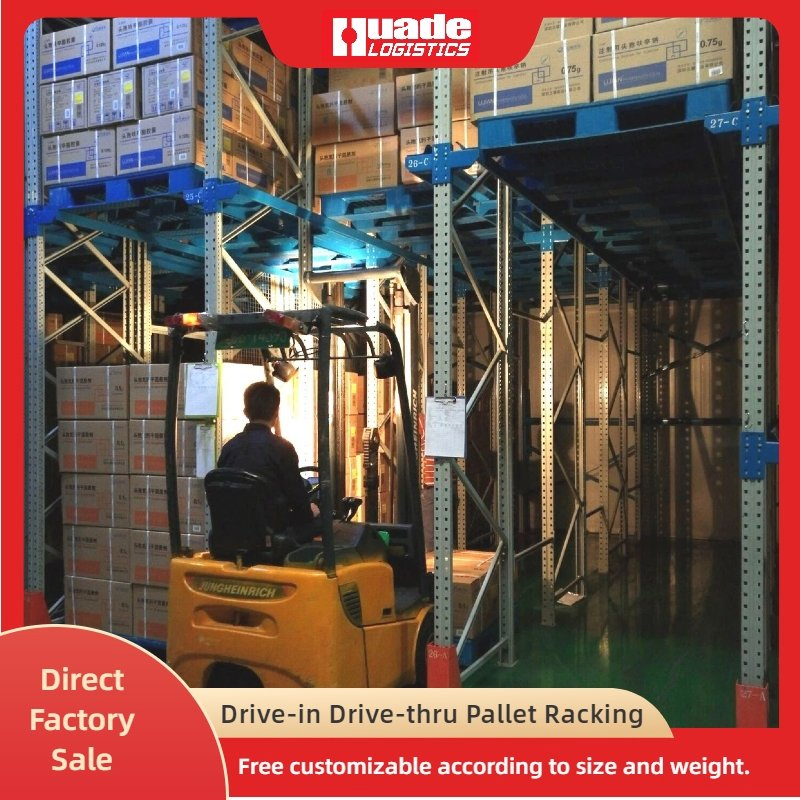
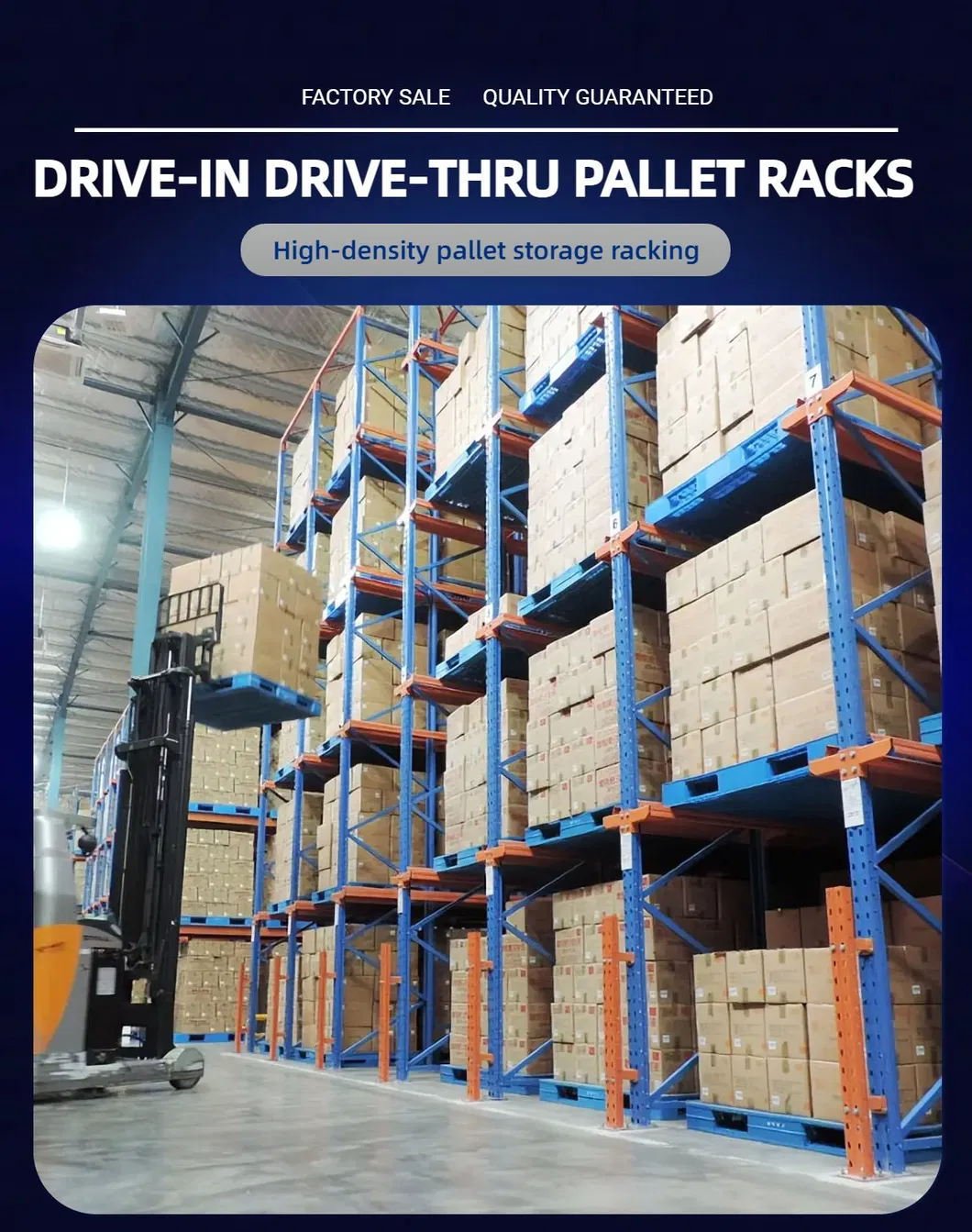
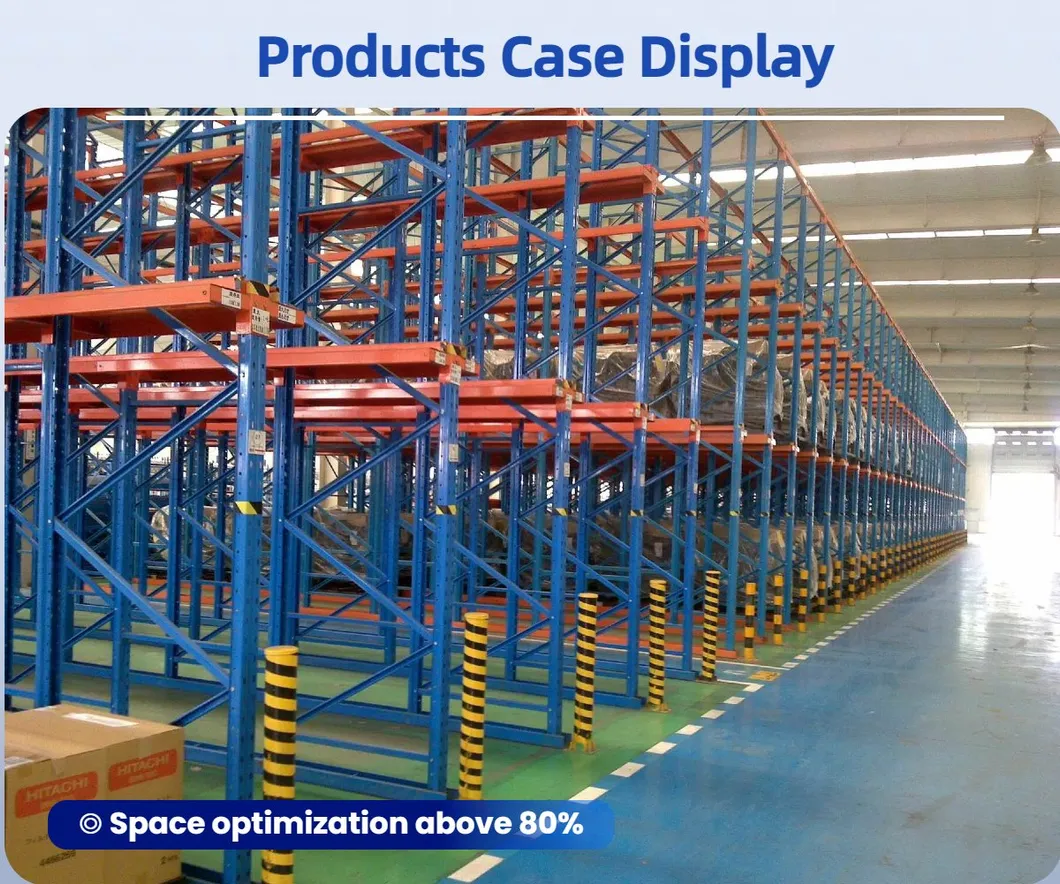
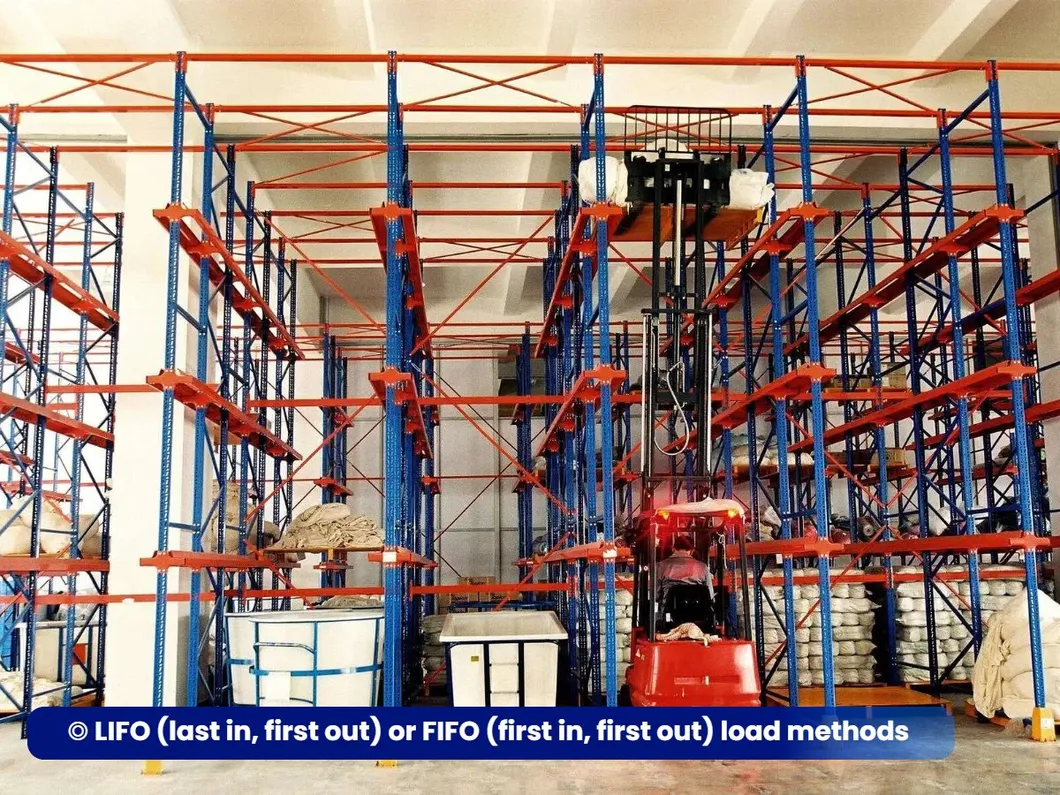
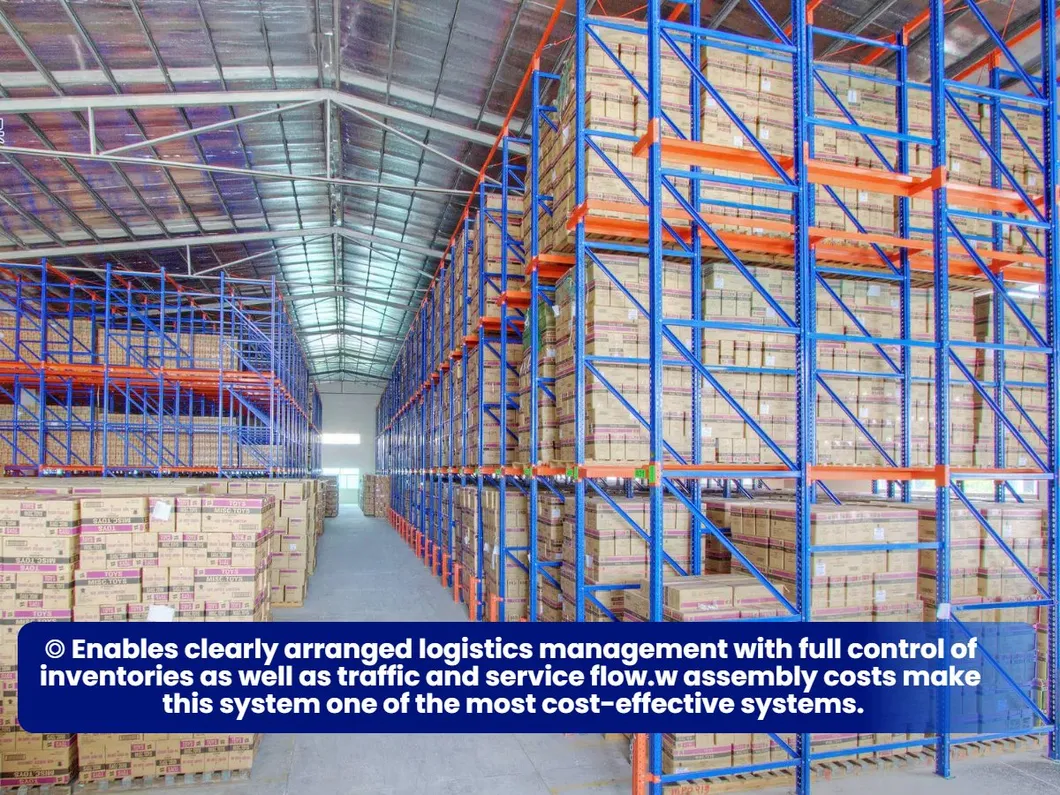
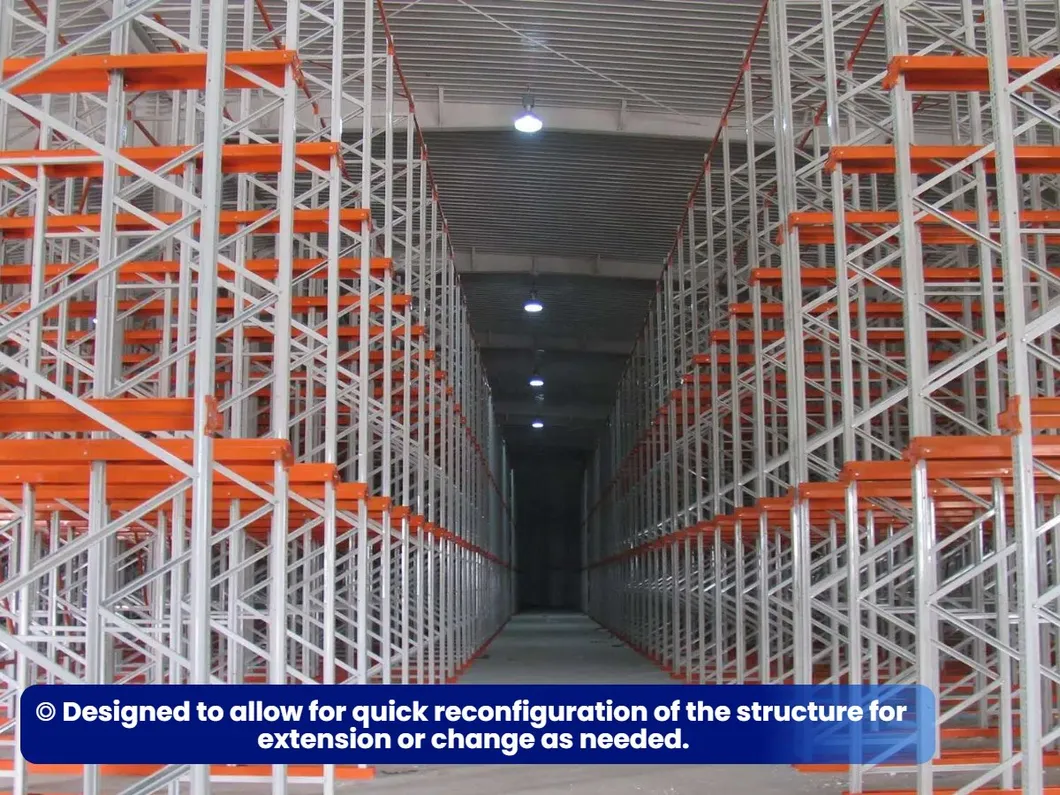
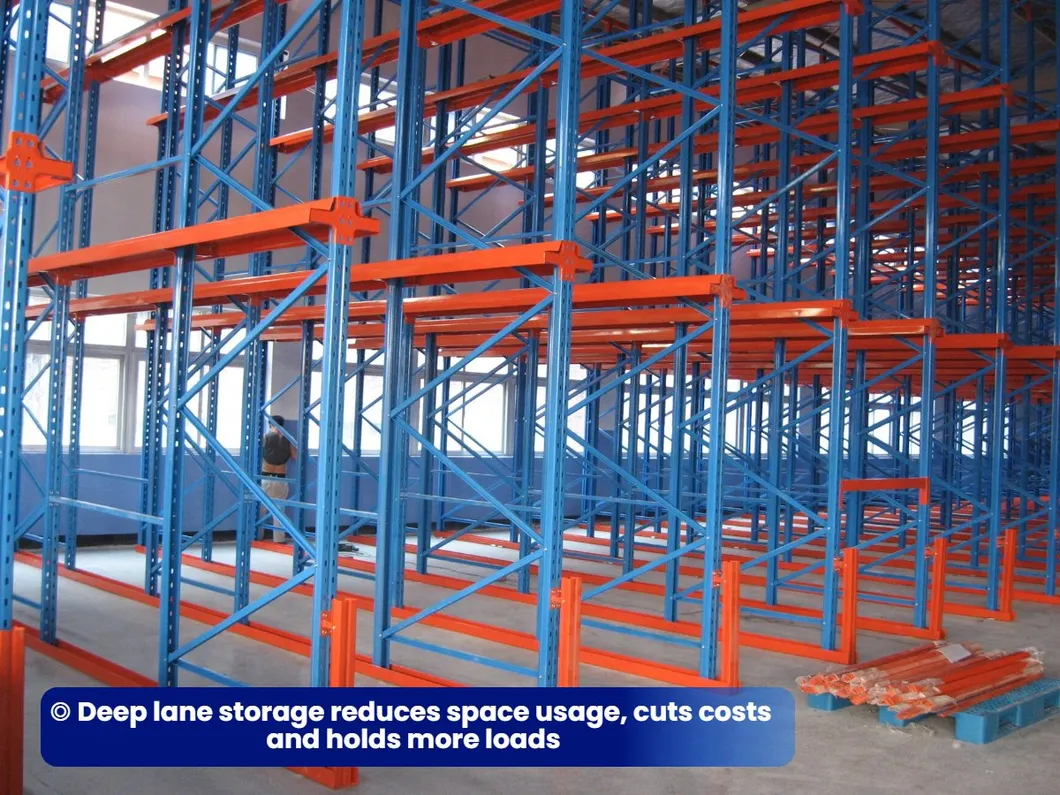
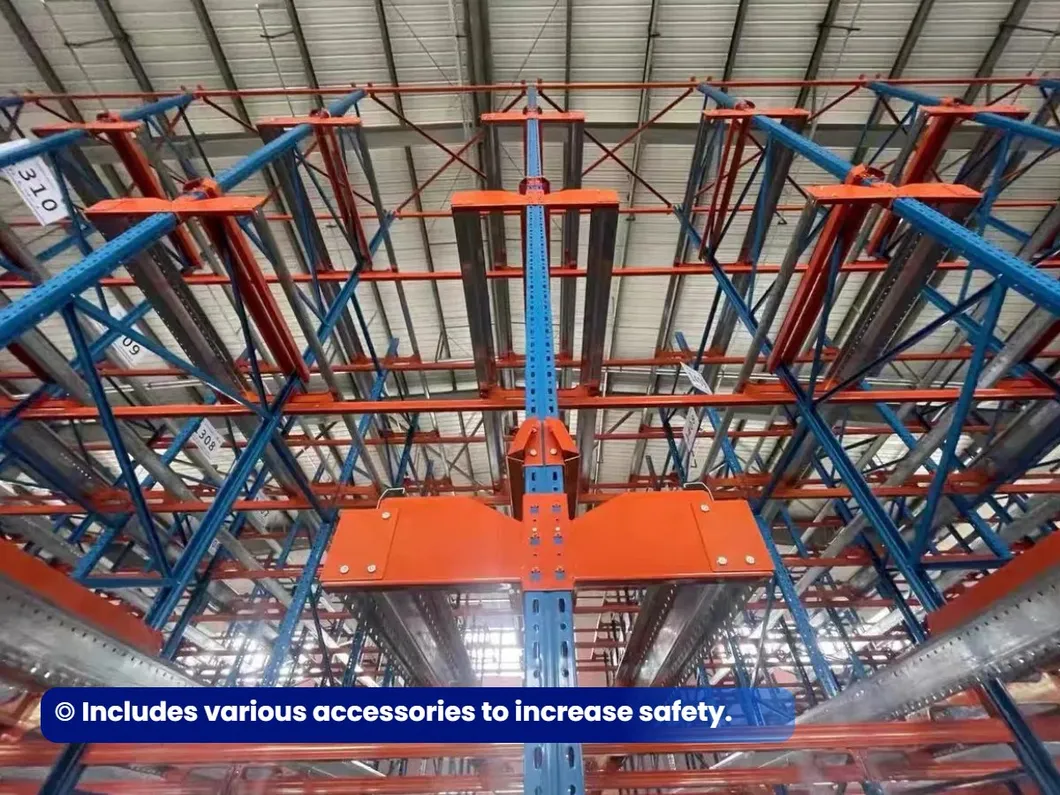
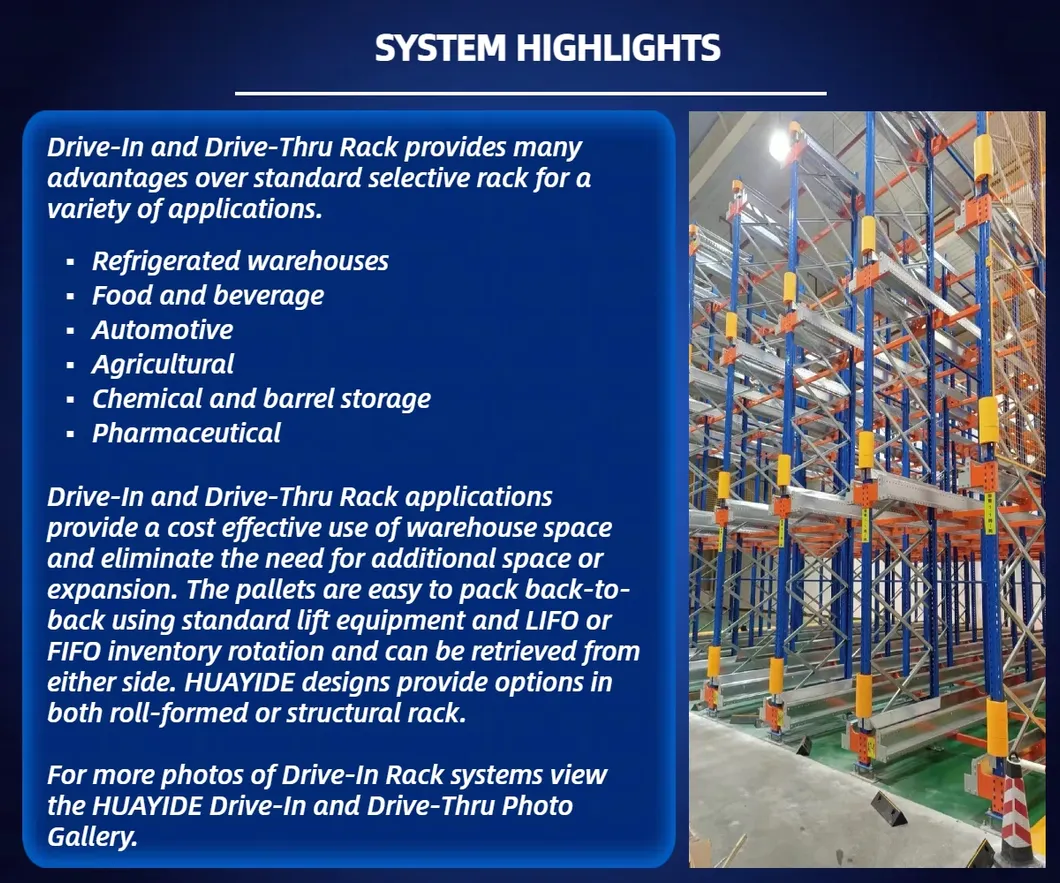
Drive-In pallet racking is a high-density storage solution ideal for high volumes of the same or limited SKUs. It is a Last-In/First-Out (LIFO) storage system with single-aisle access, allowing for a deep, compressed design. Drive-in pallet rack is easy to identify by its unique storage lanes equipped with horizontal rails that run the full depth of the rack. The system can store up to 10+ pallets deep per lane.
The first pallet is loaded in the last or furthest available pallet position leaving the most recently stored to be the first picked. However, you can also design the system with opposite side forklift entry and exit; this is called a Drive-Thru configuration.
★ Drive-in/drive-through racking system: perfect for warehouses with homogeneous goods and a large number of pallets per SKU.
Engineering and design experts will help you choose the drive-in or drive-thru pallet racking design that will work best for your facility.
Features & Advantages
★
Ideal for high-volume, low-SKU applications
★
Vulnerable to honeycombing - empty pallet positions due to SKU increase
★
Easy implementation: the structures are assembled quickly and have a low maintenance cost.
★
LIFO stock rotation - drive-in
★
FIFO stock rotation - drive-thru.
Versatile, robust storage solution that offers direct access to each pallet. Adaptable to all types of facilities. Pallet racks have become an integral part of intralogistics in many areas ever since standardized pallets have become the prevalent system for storing goods. The right one-stop solution for your customized racking system, accessories, and service is available.
Product Parameters
| Product Name |
Drive in/thru Pallet Rack |
Load Capacity |
1.5 tons |
| Guide Rail |
150*75*5.0 for upright 100, 120
140*85*3.0 for upright 85, 100 |
Material |
Q235B cold roll steel |
| Double Side Bracket |
445*200 |
Surface Treatment |
Powder coating with anti-rust treatment |
| Single Side Bracket |
275*200 |
|
|
Main Racking Product
Q
What type of automated storage and retrieval systems (AS/RS) are available?
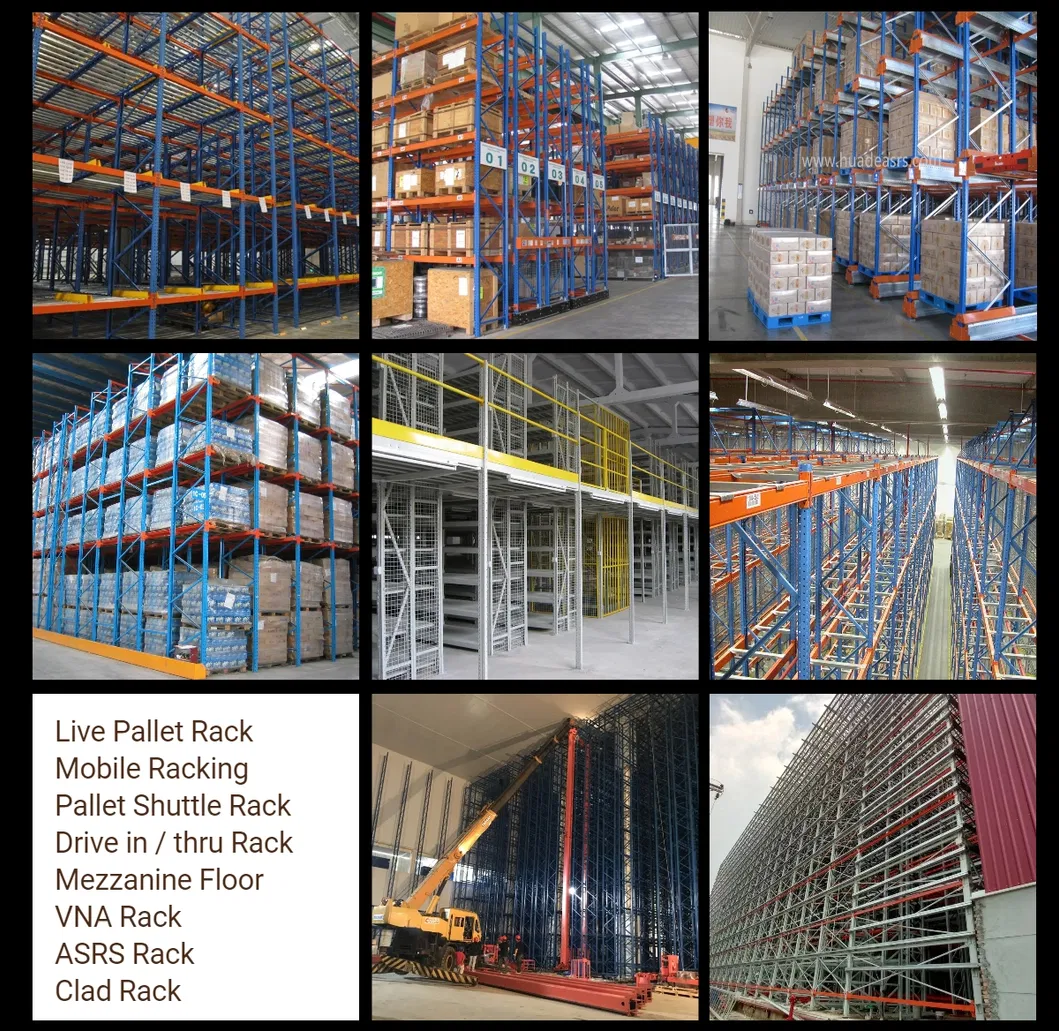
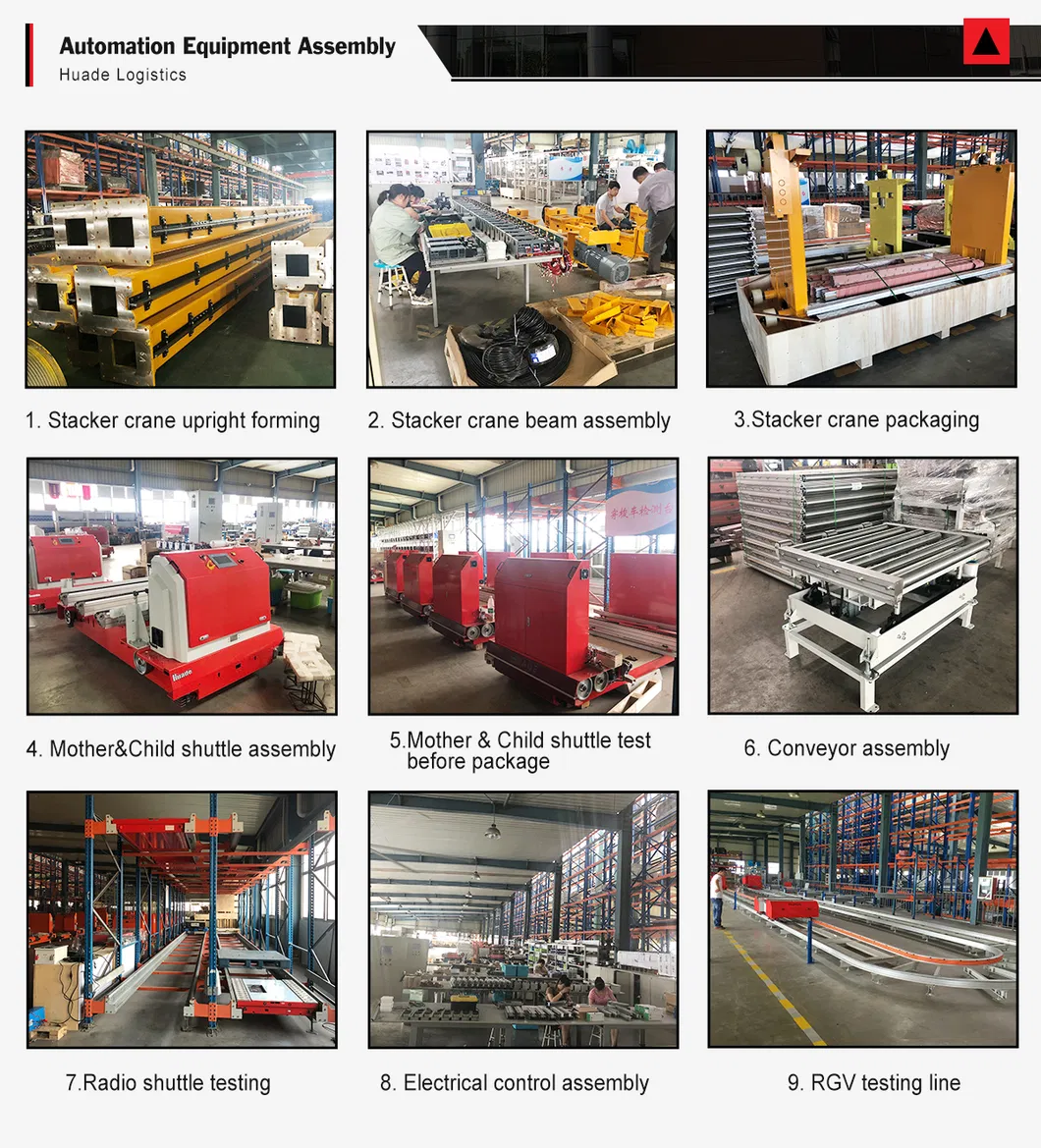
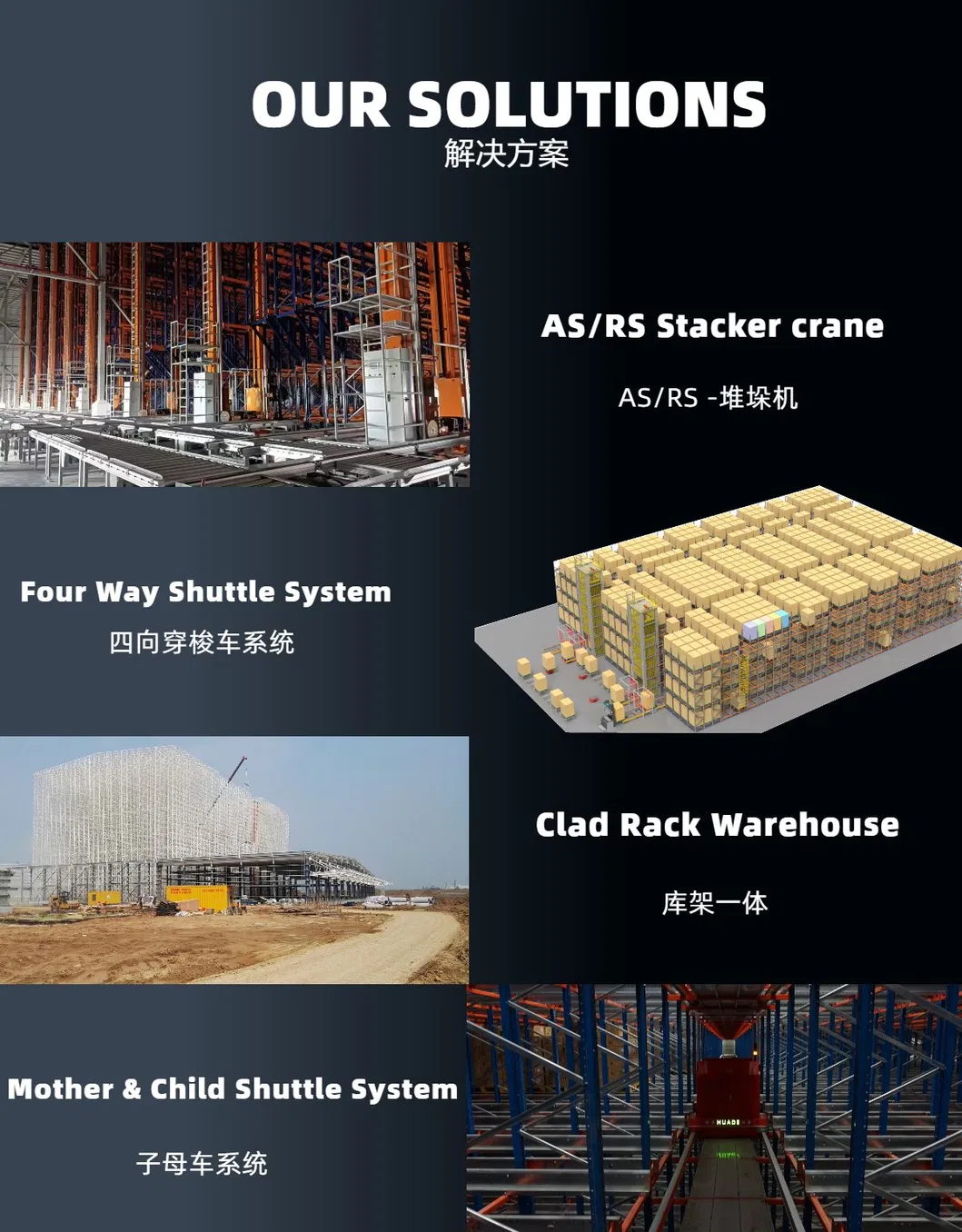
Available systems include Pallet Type Automated Storage and Retrieval System (Unitload AS/RS), Box/Container/Crate/Case Type Automated Storage and Retrieval System (Miniload AS/RS), Shuttle Storage & Sequencing system, Rack-supported building type AS/RS, Semi-automated Radio Shuttle System, Electrical Mobile Racking System, Floor conveying & sortation system, and Automatic Truck/Trailer Loading System.
Q
What kind of services are provided for the racking implementation?
Turnkey solutions are provided covering engineering & consulting, design & manufacturing, implementation & training, commissioning & after-sale service to handle all warehousing requirements.
Q
What are the competitive advantages of these solutions?
Key advantages include complete mastery of the self-developed, engineered, produced, and installed processes; highly competitive pricing due to integrated manufacturing; successful case backups in various industries; 24/7/365 instant communication; rapid RFQ turnaround within 36 hours; and a professional engineering team that designs solutions to comply with local regulations.
Q
What is the step-by-step process of project collaboration?
The process follows six structured steps:
Step 1 Define: Work with stakeholders to determine project objectives.
Step 2 Measure: Collect details to understand the business requirements.
Step 3 Analyze: Examine operational data and build predictive models.
Step 4 Design: Formulate specific layout and system solutions.
Step 5 Validate: Estimate system costs and conduct feasibility analyses.
Step 6 Client Presentation: Present the final costs and optimal storage solution.
Q
What are the main technical parameters and materials of the Drive-In Racks?
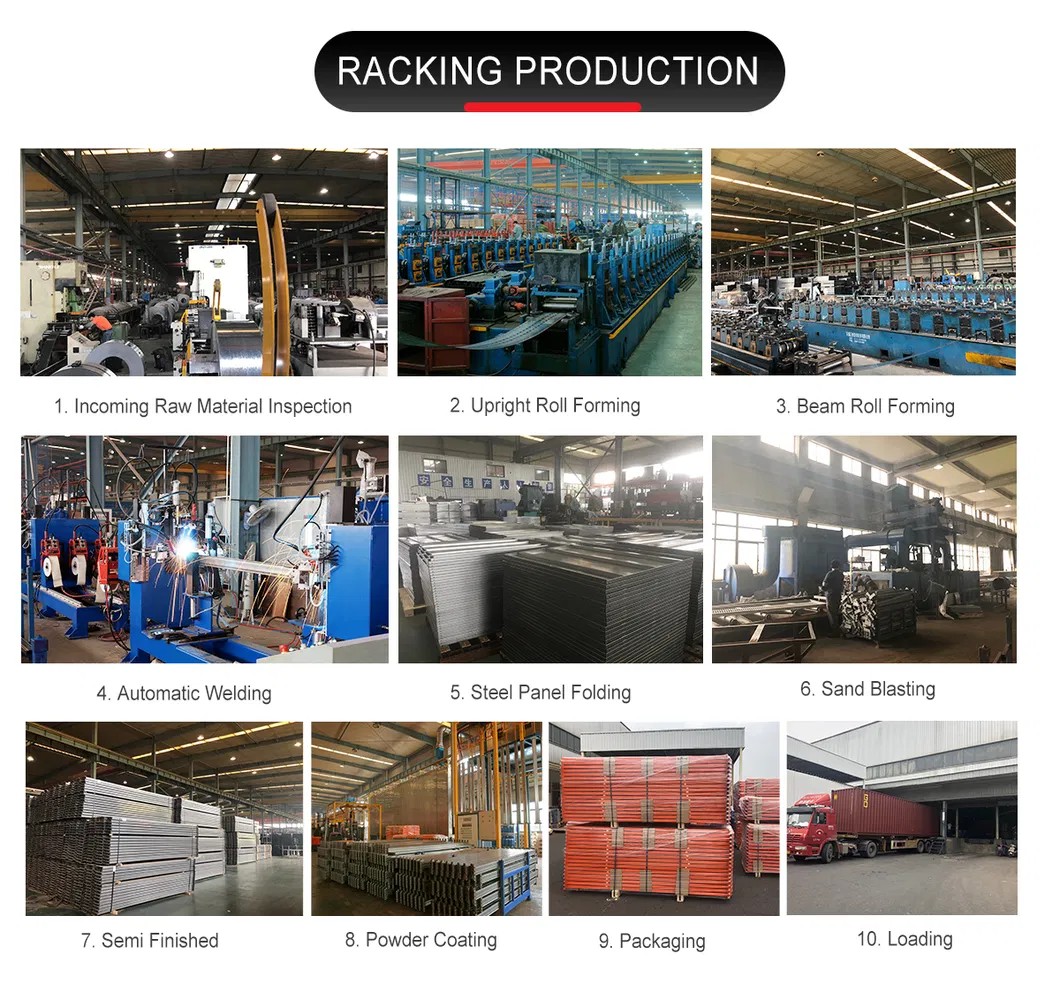
The racking is manufactured from Q235B cold roll steel, finished with a rust-preventative powder coating. It features single brackets (275*200), double brackets (445*200), and guide rails (150*75*5.0 for upright 100/120 and 140*85*3.0 for upright 85/100) with a load capacity of 1.5 tons.
Q
How do Drive-In and Drive-Thru systems differ in stock rotation?
Drive-in racking structures utilize a Last-In/First-Out (LIFO) stock rotation system with a single entry point. Drive-thru racking structures support a First-In/First-Out (FIFO) configuration by allowing forklift access from opposite entry and exit points.
 JK Logistics