Seamlessly bridging modern software routing layers with real-time physical logistics and industrial automation hardware.
In the hyper-competitive ecosystem of global logistics and multi-channel fulfillment, the boundaries between software orchestration and physical hardware execution have dissolved. A modern, enterprise-grade Order Management System (OMS) serves as the digital heart of supply chain orchestration, but its ultimate efficacy relies directly on the speed, intelligence, and integration of the warehouse logistics machinery at the fulfillment end.
Shenzhen JK Logistics Co., Ltd. stands as a premier global Warehouse Conveyor Systems Manufacturer specializing in advanced material handling, intelligent sorting systems, and complex logistics automation solutions. Operating from the technological core of Shenzhen, China, JK Logistics bridges the gap between high-velocity digital orders and robust industrial hardware execution. Our continuous investments in R&D permit the deployment of intelligent control technologies, automated sorting, and flexible system integration protocols. These technical elements seamlessly link client OMS layers with high-capacity warehouse operations to drive global distribution networks.
"The modern warehouse can no longer afford to operate with siloed software and hardware systems. Integrating Order Management Systems directly with warehouse conveyor networks and scanning arrays is the only path to zero-latency fulfillment."
By blending software analytics with durable structural engineering, JK Logistics designs integrated systems that process digital transactions, allocate warehouse routing, execute automated cross-belt sorting, and control robotic stackers in one unified workflow. From high-capacity distribution centers in Western Europe to rapidly scaling e-commerce hubs in South America, our solutions assist businesses in overcoming manual labor dependency, maximizing layout space, and ensuring prompt order fulfillment.
The global industrial landscape is undergoing a massive shift. E-commerce platforms, complex B2B supply chains, and rising customer expectations for same-day delivery are driving logistics centers toward higher throughput capacities. This transition requires order management platforms to be deeply interconnected with operational hardware. In mature global markets, high labor costs and worker shortages are forcing third-party logistics (3PL) providers and manufacturing hubs to adopt automated material handling equipment to support their digital platforms.
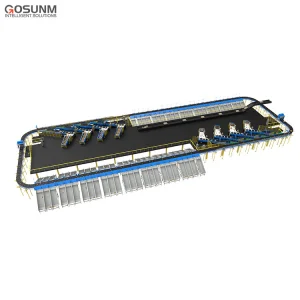
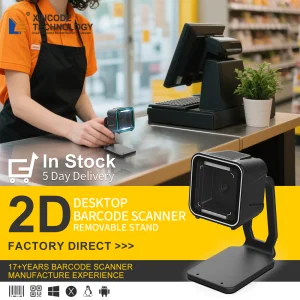
In regions like North America and the European Union, the focus has centered on end-to-end integration: when a wholesale client places an order in their OMS, that order must immediately translate into a series of coordinated physical operations within the fulfillment center. Without integration with systems like automated cross-belt sorters, automated storage and retrieval systems (ASRS), and dynamic sorting machines, the software order pipeline stalls during physical execution. Modern industrial systems demand that incoming data dynamically route physical parcels through conveyor lines, utilizing automated barcode scanning (DWS systems) to assign lanes and prioritize carrier dispatches.
Deploying automated systems requires tailoring configurations to localized commercial workflows. Below, we examine three high-impact implementation scenarios where digital systems interact directly with material handling hardware:
In high-volume cross-border fulfillment centers, an order enters the local OMS database and instantly generates dynamic shipping configurations. In response, local conveyor networks direct the package toward scanning arrays (DWS). These systems read barcode attributes and verify physical weights, while integrated cross-belt sorters automatically route the package to target dispatch bins. This process bypasses manual classification and accelerates processing.
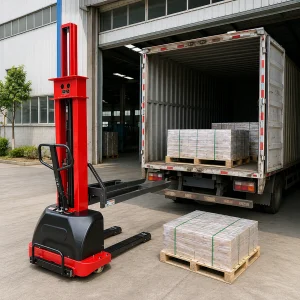
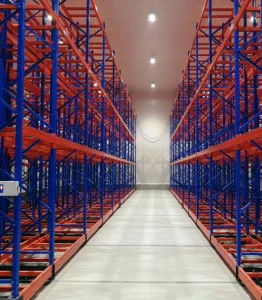
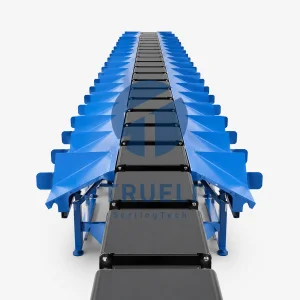
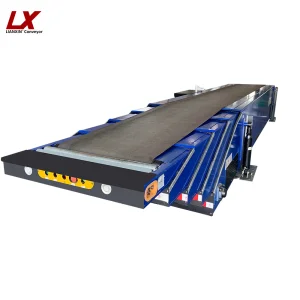
Large wholesale distribution demands complex palletization and variable item grouping. When order requests are processed by the central system, automated vertical storage platforms work in tandem with self-loading walkie stackers to retrieve high-volume pallet stocks. Concurrently, telescopic conveyors carry raw items directly into loading areas, speeding up high-capacity vehicle loading while maintaining precise inventory tracking.
In industrial electronics or appliance factories, raw sub-assemblies must align with live production requests. As the master production system queues assembly jobs, speed chain conveyors and junction box lines coordinate with automation controllers to deliver components just-in-time. This dynamic system coordination prevents line stoppages and reduces intermediate staging inventory.
As industrial operations evolve, the technical roadmap for modern Order Management Systems and matching physical automation hardware points toward three core developments:
Traditional systems suffered from communication delays between cloud-hosted databases and on-premise hardware. The next generation of automation integrates edge-computing APIs, enabling order processing databases to issue direct mechanical instructions (PLC calls) with latency times under 10 milliseconds. This makes cross-belt sorting arrays and vertical storage units faster and more responsive.
By leveraging operational data, future systems will actively predict daily shipping spikes and bottleneck risks. Advanced algorithms analyze historical order data to adjust sorting speeds, re-allocate inventory within vertical systems, and direct walkie stackers to optimal picking zones before peak operational windows begin.
Industrial conveyor systems are adopting comprehensive IoT sensor networks. By tracking mechanical stress, temperature shifts, and vibration changes across motors, drive chains, and belts, the system alerts maintenance crews to wear issues before they cause downtime. This ensures continuous warehouse operations.
Procuring logistics hardware and integration components from specialized Chinese manufacturers offers global enterprises distinct structural and financial benefits. Sourcing from Shenzen JK Logistics provides clients with advantages rooted in industrial cluster design and technological integration:
The Shenzhen industrial cluster provides immediate, local access to precision steel, sensor systems, control cards, and advanced motors. This proximity speeds up development cycles and protects production timelines from external shipping interruptions.
Unlike rigid, off-the-shelf suppliers, JK Logistics provides tailored engineering support. Our design team analyzes warehouse space, weight limits, and sorting targets to build custom conveyor configurations suited to your operational goals.
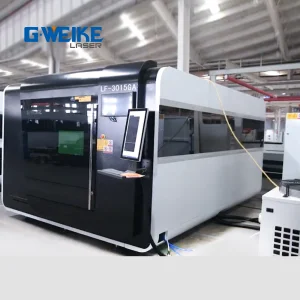
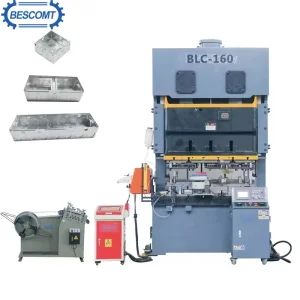
By combining advanced production lines (like automatic CNC laser cutters and automated punch lines) with local material sourcing, we build high-capacity automation hardware at competitive price points. This helps companies optimize their capital expenditures.
Enterprise-class logistics automation requires strict compliance with international safety and data management standards. When integrating software orders with physical hardware systems, JK Logistics adheres to clear corporate standards:
1. Data Security and Privacy (GDPR/CCPA): Our software APIs use modern encryption protocols (AES-256 and HTTPS) to protect customer data during transit from the cloud database down to localized scanning and sorting units.
2. Machinery Safety Standards (CE/UL): All material handling hardware, including cross-belt sorters, telescopic conveyors, and automated stackers, conforms to CE directives and UL standards. Systems include emergency stop loops, physical guards, and optical safety sensors to protect operations staff.
3. Integration Support: Our technical team assists during the transition phase, providing software integration support, training, and remote diagnostic assistance to minimize deployment downtime.
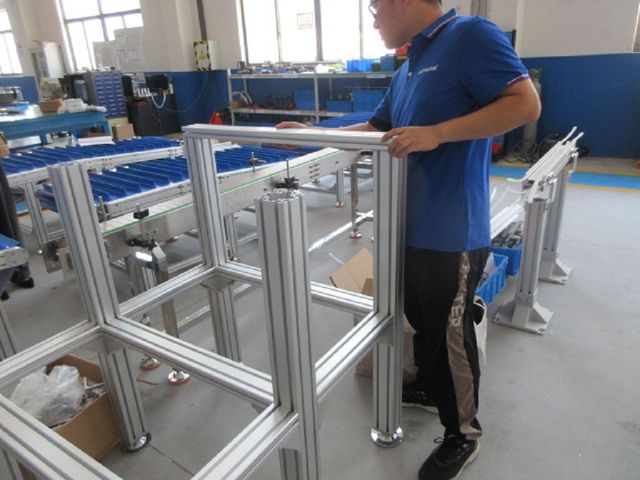
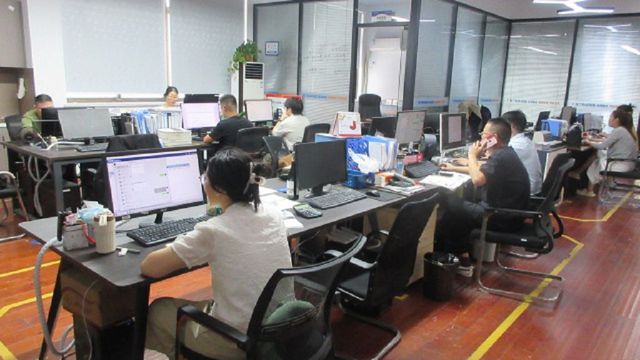
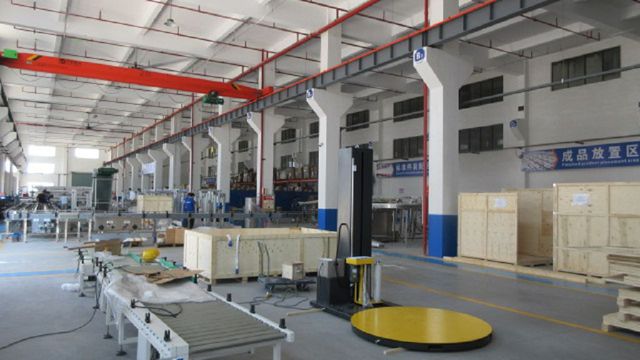
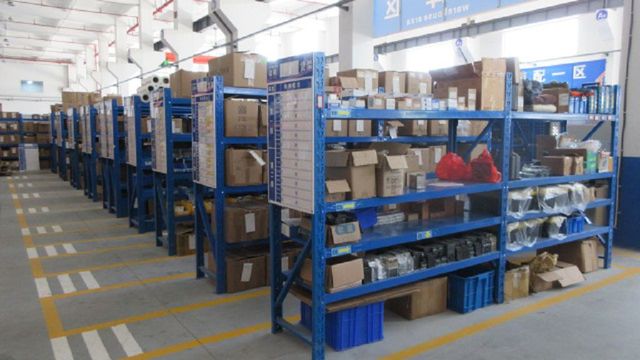
Ensuring reliability in high-capacity warehouse installations requires rigorous quality control throughout the manufacturing lifecycle. Shenzhen JK Logistics operates modern manufacturing systems, applying strict testing protocols from initial design to final hardware installation.
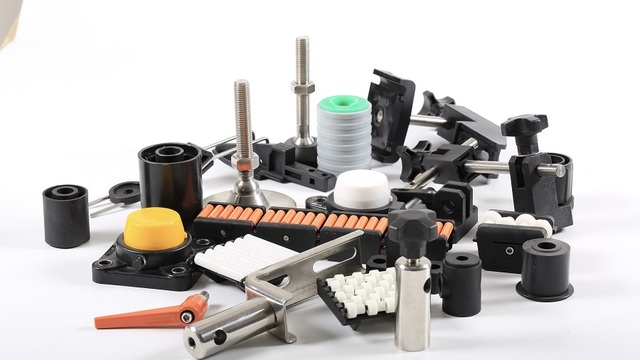

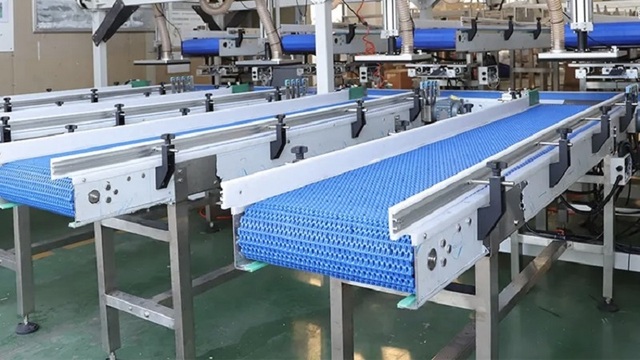
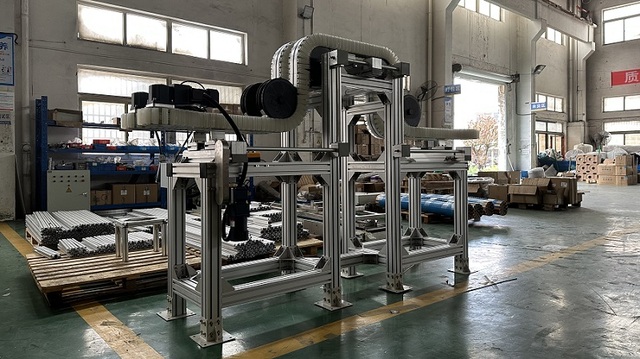
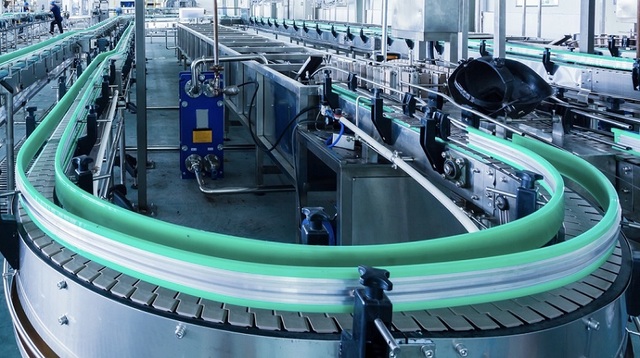
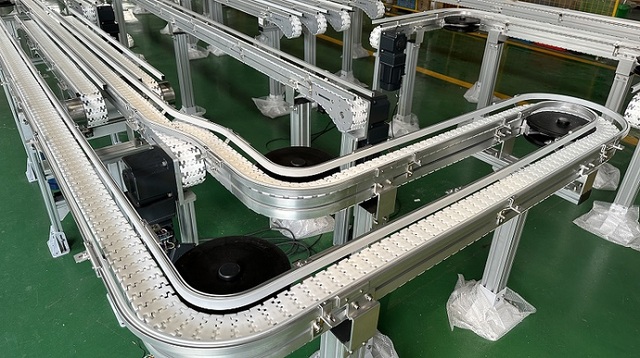
Explore our industrial-grade components, manufactured to support automated distribution and production needs.
 JK Logistics