Explore our leading hardware and sorting automation architectures designed to protect inventory integrity.
Modern warehouse logistics have progressed far beyond basic storage facilities. Today’s high-throughput fulfillment centers operate as complex, cyber-physical ecosystems where physical security, process optimization, and inventory protection are inextricably linked. As a leading hub for industrial logistics, Shenzhen, China, hosts advanced engineering enterprises like Shenzhen JK Logistics Co., Ltd., which are restructuring global supply chains with high-level automation systems.
By blending precision materials handling, real-time dynamic parcel tracking (DWS), and intelligent sorting hardware, contemporary security systems in warehousing do not simply monitor perimeters—they safeguard accuracy, prevent shrinkage, and eliminate handling liabilities. Implementing dynamic weight scanning and automated sorting prevents structural inventory errors and asset loss, satisfying the security and auditing protocols required by global regulatory frameworks.
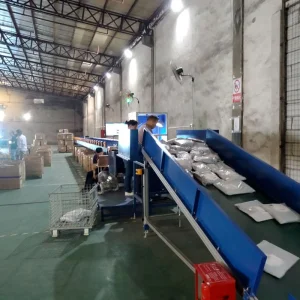
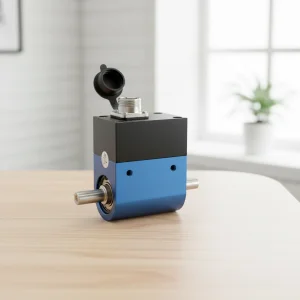
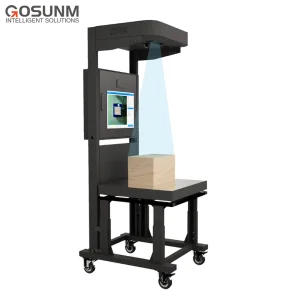
Integrating precise dynamic weighing sensors with automated sorting mechanisms ensures that every item entering or exiting the facility is accounted for, eliminating the classic vector of human inventory manipulation.
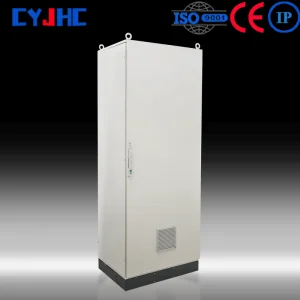
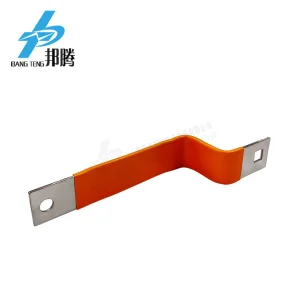
CE-certified distribution control cabinets and soft copper bus connectors form the electrical backbone of automated warehouses, mitigating thermal hazards and guaranteeing continuous operational uptime.
As international enterprises seek reliable logistics equipment manufacturers, the geographic concentration of technology suppliers in Shenzhen, China, provides unmatched advantages. This unique logistics industrial corridor consolidates raw steel fabrication, electronic component design, sensor integration, and software engineering into a highly compressed developmental loop. Manufacturers like Shenzhen JK Logistics Co., Ltd. leverage this proximity to transition custom CAD layouts into functional, high-capacity warehousing systems in a fraction of the time required by Western manufacturers.
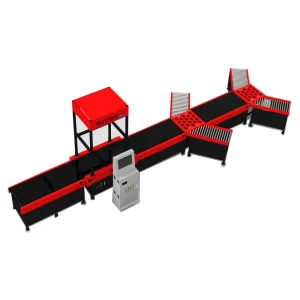
Additionally, the localized availability of advanced casting, precise robotic milling, and automated testing rigs ensures that heavy-duty steel hangars, dynamic DWS (Dimension-Weight-Scanning) platforms, and robotic sorting systems meet the strictest tolerances. The result is a robust combination of industrial-grade physical endurance and software-driven monitoring tools, allowing systems to sustain continuous multi-shift operations in harsh environment warehouses.
Global procurement directors face major challenges when integrating hardware from overseas suppliers into existing Warehouse Management Systems (WMS) and Warehouse Execution Systems (WES). A high-caliber security and logistics automation platform must satisfy three critical requirements:
Equipments must bear international approvals such as CE, FCC, RoHS, and UL certificates. Our L HMS Industrial Distribution Cabinets undergo strict testing to ensure compliance with hazardous location regulations and fire protection codes.
Security tracking hardware, such as dynamic express scanners, must interface directly with corporate databases via standardized protocols (RESTful APIs, MQTT, or OPC-UA) to prevent data silos and latency.
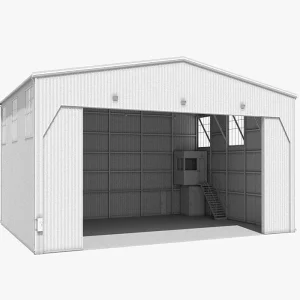
Using premium materials, such as heavy-duty steel hangars with sound insulation and waterproof properties, protects warehouse operations from severe environmental challenges and unauthorized entry.
Sorting Accuracy Level
Countries Exported To
Global Compliance Standard
Active System Tracking
A primary concern for international logistics managers sourcing equipment from Chinese manufacturers is the post-sale lifecycle support and on-site integration. E-E-A-T principles dictate that reliable manufacturers must show robust post-sale programs, field engineering dispatch protocols, and comprehensive warranty coverage.
To meet these requirements, top exporters establish strategic partnerships with local engineering firms in key markets across North America, Europe, and Asia. When a complex warehouse picking system or a high-capacity distribution cabinet is installed, field teams supervise mechanical alignment, electrical integration, and software debugging. This local presence minimizes risks and ensures compliance with local safety regulations, such as OSHA in the United States or the European Machinery Directive.
Modern commercial facilities require diverse security applications tailored to specific logistics settings:
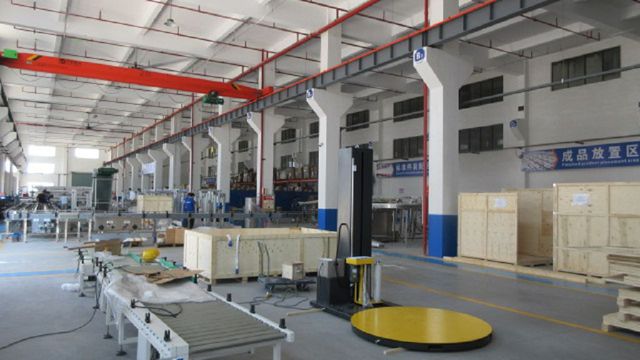
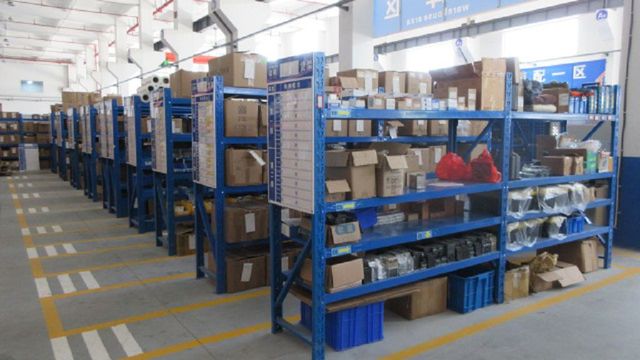
Explore our production, testing, assembly, and quality assurance processes.
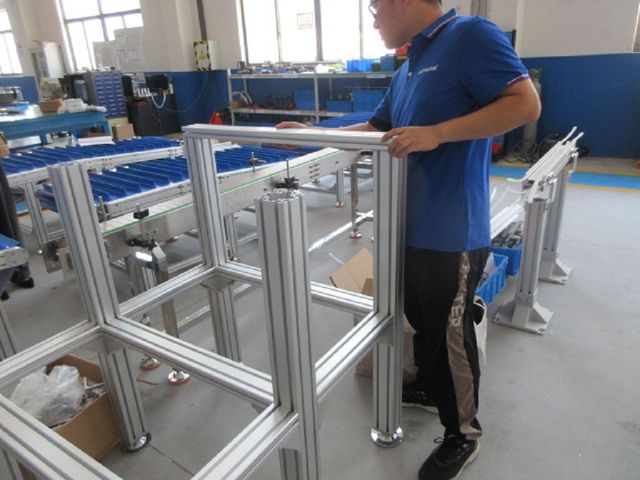

As we enter the next phase of logistics automation, security is shifting focus from basic physical tracking to complex cyber-physical protection. Modern systems integrate smart payment cabinets, computerized sorting sensors, and dynamic tracking databases. The next generation of security architectures features three distinct trends:
Key considerations for global sourcing, integration, and security engineering.
To ensure compliance with safety and electrical codes in your target market, imported equipment must carry certifications such as CE for Europe and FCC or UL for the United States. Control systems, distribution boxes, and automated conveyors must meet local wiring standards to comply with regional fire and safety codes.
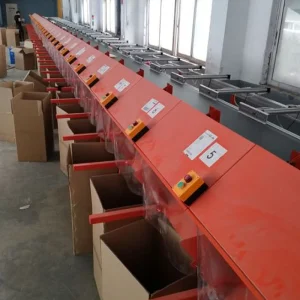
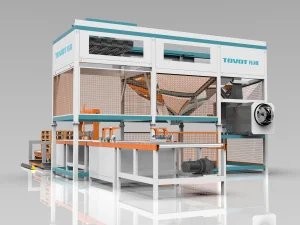
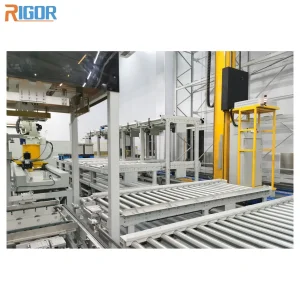
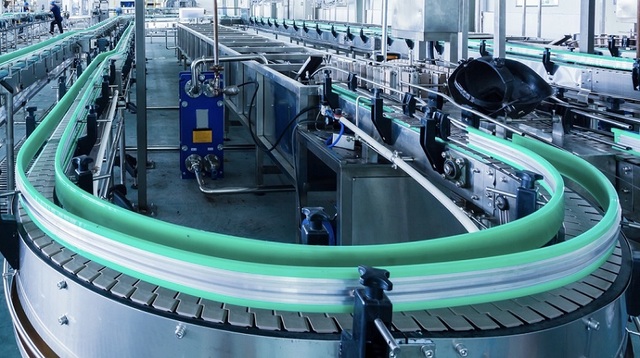
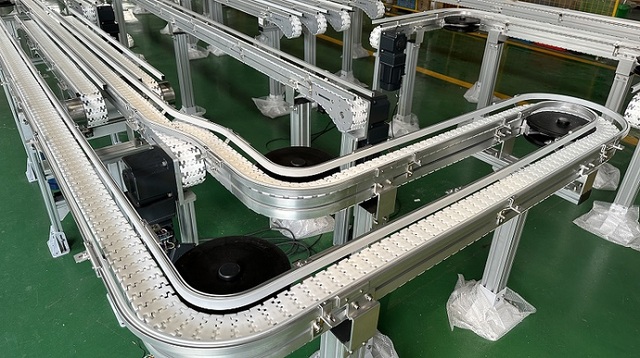
Automated sorting systems (like air-push and push-board sorters) use advanced scanners and weighing systems to record each parcel. By cross-checking package weight and dimensions against customer orders in real time, the system flags and reroutes discrepancies immediately, preventing loss from shipping errors or inventory manipulation.
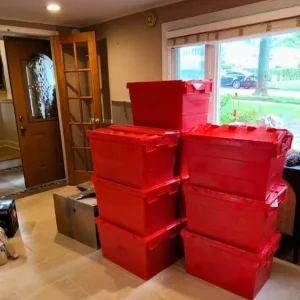
Working with specialized logistics forwarders ensures safe transport using heavy-duty custom packaging, anti-static barriers, and moisture protection. Cargo receives priority tracking, including Door-to-Door (DDP) or LCL terms, to ensure delivery to the destination with clear documentation.
Yes. The engineering team designs integrated control cabinets and automation software using open protocols (like OPC-UA, Modbus, and API connections). This allows conveyor lines, robotic picking cells, and dynamic tracking devices to interface with your warehouse software for real-time visibility.
Heavy-duty transport structures, advanced electrical connections, and cargo monitoring systems.
 JK Logistics