Explore our core selection of high-precision picking machinery, smart logistics hardware, and integrated robotics solutions.
Evaluating the tectonic shifts in supply chain architectures, labor economics, and Goods-to-Person (G2P) technologies.
The global industrial and commercial landscapes are undergoing a profound structural transition. Driven by exponential e-commerce demand, labor scarcity, escalating warehousing real estate costs, and the urgent demand for compressed delivery windows, Automated Picking Systems have shifted from an optional operational upgrade to a core competitive necessity. Industry statistics indicate that order fulfillment processes account for up to 55% of total warehouse operating costs, with manual traveling and searching representing the largest share of this overhead.
Contemporary automated picking systems represent a convergence of hardware, software, and artificial intelligence. By integrating Automated Storage and Retrieval Systems (ASRS), Autonomous Mobile Robots (AMRs), robotic arm cobot manipulators, and high-velocity sortation conveyor systems, modern distribution centers can scale throughput independently of labor markets. The integration of Warehouse Control Systems (WCS) and Warehouse Management Systems (WMS) ensures that inventory is tracked, sorted, and routed in real-time, yielding maximum operational accuracy.
A detailed global analysis of the leading manufacturers shaping the logistics automation industry.
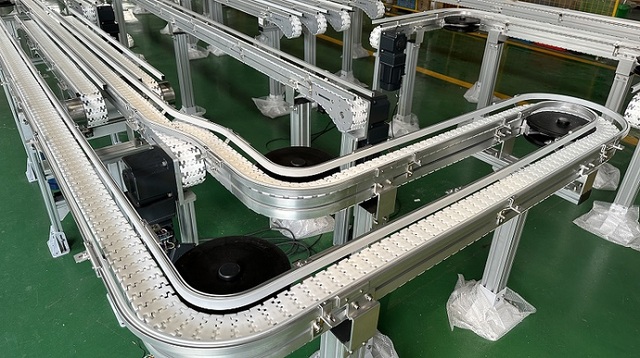
Shenzhen JK Logistics Co., Ltd. is a premier Warehouse Conveyor Systems Manufacturer based in Shenzhen, China. They specialize in material handling, automated sorting systems, and intelligent logistics integration for distribution centers. Collaborating closely with global buyers, their systems optimize layout, improve throughput, and streamline high-speed order fulfillment.
A global powerhouse in intralogistics solutions, Dematic supplies advanced automated guided vehicles (AGVs), unit-load ASRS, and high-density multi-shuttle automated picking networks, maintaining a major footprint in both North America and Europe.
Based in Japan, Daifuku is a leading supplier of manufacturing and cleanroom automation. Their automated picking catalog includes high-velocity sorting transfer vehicles, mini-load ASRS, and extensive factory automation interfaces.
A German engineering leader providing complete systems from storage bins to complex software architectures. They excel in modular racking, vertical lift modules (VLM), and robotic piece picking systems.
An Austrian technology partner specializing in pharma and retail logistics. Knapp is renowned for its OSR Shuttle systems and intelligent AI-driven robotic pick-it-easy stations designed for irregular shapes.
Integrating KUKA's advanced robotics with data-driven intralogistics software, Swisslog offers top-tier AutoStore integration, CarryPick mobile systems, and high-performance pallet ASRS.
Specializing in airport baggage handling and parcel sorting, Vanderlande delivers high-speed automated sorting systems and order picking solutions optimized for global courier hubs.
Composed of powerful hardware portfolios including smart conveyors, tilt-tray sorters, and advanced robotic depalletizers, Honeywell delivers robust end-to-end material handling solutions.
An Asian market leader in automated warehouse storage and high-speed logistics sorting. Muratec provides highly reliable vertical storage rack systems and overhead hoist transport systems.
Austrian-based manufacturer offering highly integrated, energy-efficient conveyor systems and automated picking platforms. They design robust end-to-end hardware-to-software configurations.
As a prominent player in the warehouse conveying sector, Shenzhen JK Logistics Co., Ltd. stands out due to its comprehensive material handling systems, warehouse conveying equipment, automated sorting technologies, order fulfillment automation, pallet handling solutions, distribution center infrastructure, and smart logistics integration. These systems are widely deployed in e-commerce fulfillment centers, retail distribution networks, third-party logistics operations, manufacturing facilities, and parcel processing hubs.
By leveraging advanced design paradigms, their engineering division collaborates closely with regional and global clients to assess target throughput, facility height limits, system layouts, and scale-up pathways. The manufacturing operation utilizes high-grade materials and advanced manufacturing tools to supply systems that feature intelligent controllers, data-driven diagnostics, and modular flexibility, allowing seamless integration with legacy WMS or complex ERP platforms.
Analyzing the competitive advantages of Chinese automated picking system manufacturers in the global industrial ecosystem.
The concept of Factory 4.0 is fully realized in Chinese automation manufacturing centers. China-based suppliers of automated picking systems offer distinct advantages that go beyond low labor costs, centering instead on supply chain resilience, advanced research and development, and integrated industrial clusters. The close proximity of components factories (including high-load motors, precision guide rails, carbon-fiber structural materials, and PCB assembly centers) allows manufacturers like Shenzhen JK Logistics to rapidly prototype, iterate, and mass-produce complex logistics machinery.
A structured evaluation framework for procurement executives to compare, analyze, and select automated picking systems.
| Evaluation Parameter | Technical Criteria | ASRS & Shuttle Systems | Autonomous Mobile Robots (AMR) | Robotic Cobot Picking Arms |
|---|---|---|---|---|
| Throughput Velocity | Picks per hour (PPH) per unit | High to Very High (Up to 1000+ double-cycles/hr) | Moderate (dependent on travel path layout) | High (Constant 400-800 picks/hr depending on payload) |
| Vertical Density | Storage utilization index | Excellent (Utilizes full vertical clearance up to 40m) | Low-Medium (Typically restricted to human height) | N/A (Focused strictly on G2P station integration) |
| System Flexibility | Ability to reconfigure warehouse layout | Low (Fixed structural racking infrastructure) | Excellent (Highly adaptable via software routing) | Medium (Can be relocated with base modifications) |
| Initial Capital Outlay | CapEx per square meter of facility | High (Requires significant structural engineering) | Medium (Scalable step-by-step per unit) | Medium-High (Depends on gripper complexity) |
| Software Integration | API / SDK communication protocols | Direct WCS control; Modbus/TCP, OPC UA interfaces | API RESTful, ROS, Wi-Fi mesh protocols | PLC control (EtherNet/IP, PROFINET, CE Certified) |
Global procurement teams must look beyond hardware specifications and evaluate structural compatibility. Any automated picking platform must seamlessly interface with the enterprise Warehouse Management System (WMS). High-performance conveyor systems, sortation networks, and robot control modules utilize standard industrial networking architectures, such as EtherNet/IP and PROFINET, under PLC control, ensuring real-time diagnostic reporting and predictive maintenance tracking.
Case analysis of specialized industries implementing robotic picking solutions to optimize operating metrics.
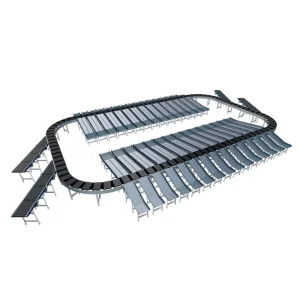
E-commerce warehouses deal with high SKU counts, variable order structures, and tight shipping timelines. Utilizing DWS (Dimensioning, Weighing, Scanning) sorting lines, automated package packers, and automated pallet systems ensures rapid processing. Order picking systems dramatically reduce search times, allowing fulfillment operations to meet strict delivery SLAs.
Cold chain facilities must maximize storage density to control refrigeration energy costs, while minimizing human exposure to sub-zero environments. Integrating a Cold Storage Radio Shuttle Rack System creates a high-density ASRS structure that operates reliably down to -30°C, ensuring continuous product flow and safety.
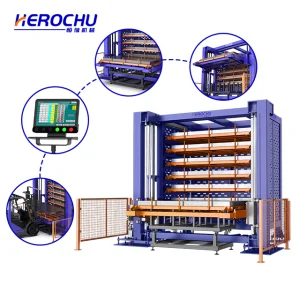
Automated sheet metal storage systems and heavy-duty powered roller conveyors are key to supplying materials to laser cutting systems and robotic welding cells. These high-load, PLC-controlled logistics systems ensure that heavy materials are stored securely and delivered to production lines on time, minimizing operational downtime.
A forward-looking analysis of technology trends, software advances, and mechanical designs.
As we plan for 2025 and beyond, several technological trends are reshaping automated picking systems. Software intelligence is advancing rapidly, transforming physical machinery into self-optimizing operations.
Instead of using static warehouse layouts where items are assigned permanent locations, AI systems analyze incoming order trends in real time. Items that are frequently purchased together are automatically slotted adjacent to each other. Autonomous mobile robots and automated shuttle systems adapt on the fly, reducing travel distances and maximizing system throughput.
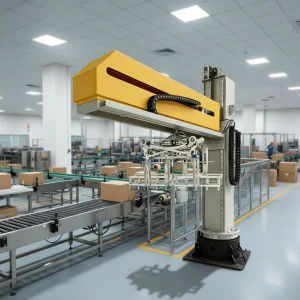
Integrating heavy-duty articulating arms and column-type cobot pickers equipped with vision systems has resolved the problem of picking irregular objects. These systems use smart grippers and vacuum interfaces to safely handle diverse products, such as parcels, metal structures, or consumer electronics, operating continuously without manual intervention.
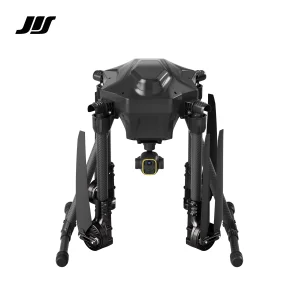
For urgent inventory checks or small product movements within expansive distribution networks, industrial cargo drones provide vertical logistics solutions. These aerial systems integrate with standard floor conveyors and ASRS setups to establish a multi-dimensional transport network within modern warehouses.
Crucial insights and detailed answers for procurement, engineering, and logistics directors.
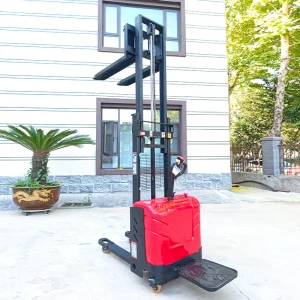
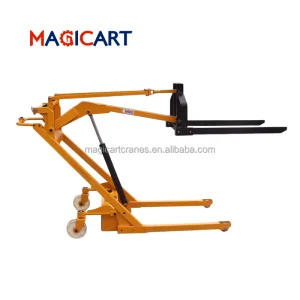
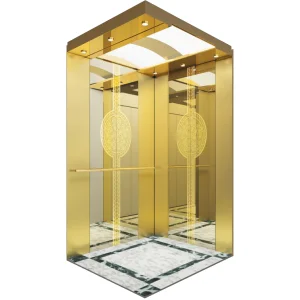
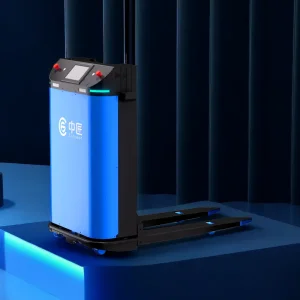
Complete your automation setup with our selection of industrial conveyors, material stackers, and specialized facility elevators.
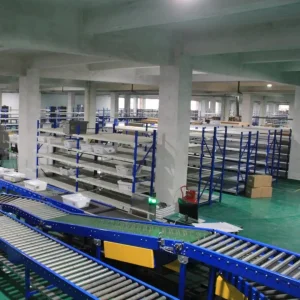
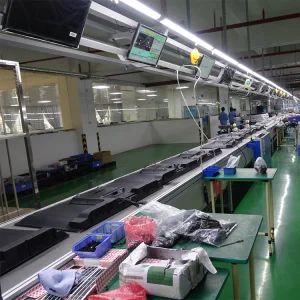
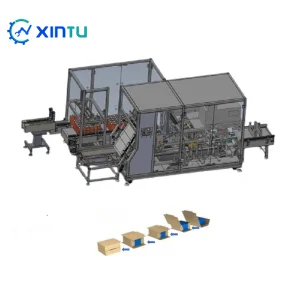
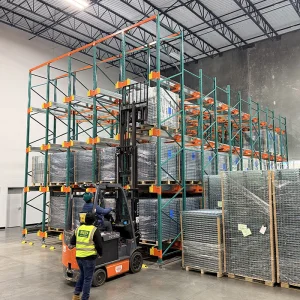
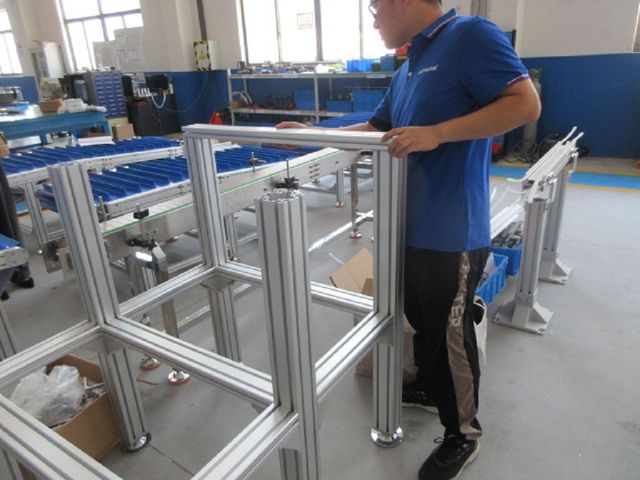
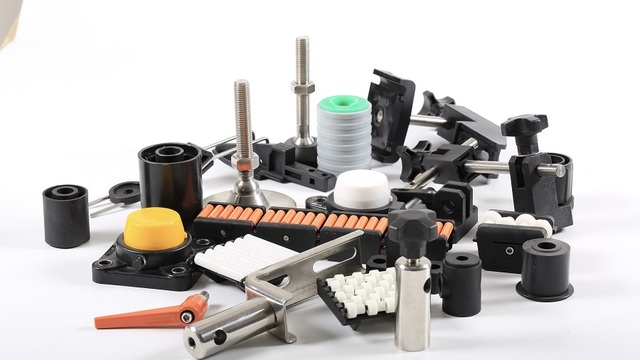
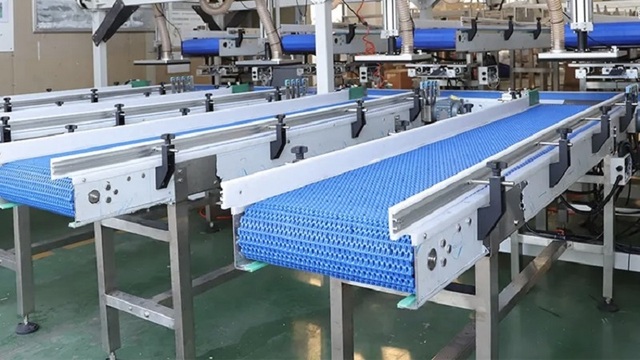
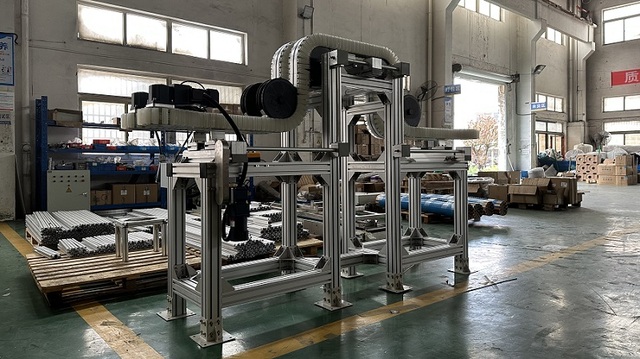
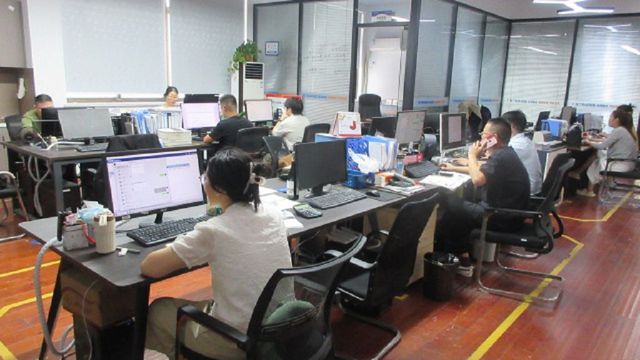
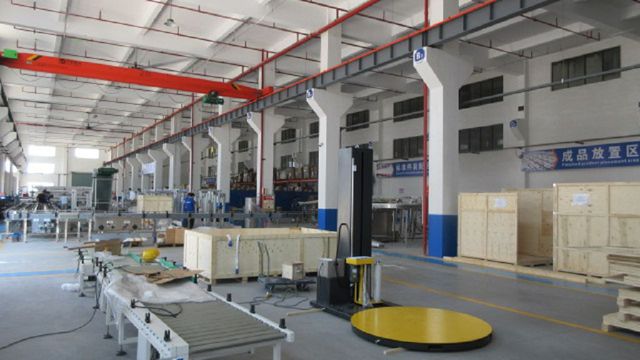
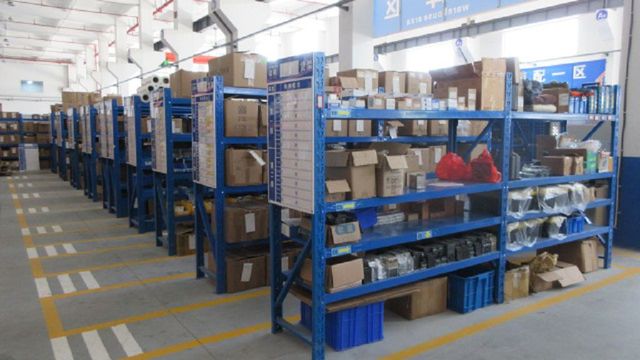
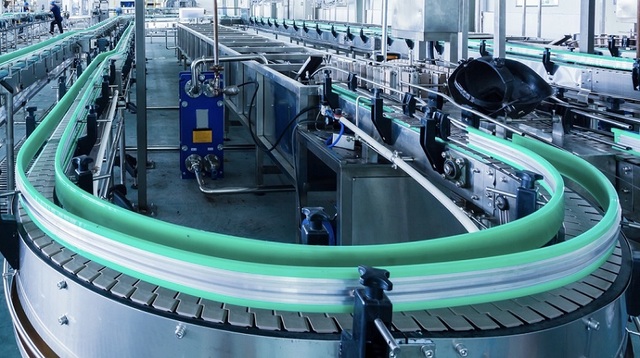
A visual look inside our partner manufacturing hubs, quality testing centers, and production lines.

 JK Logistics