Discover state-of-the-art material handling equipment designed to streamline throughput and drive localized operational performance.
In the contemporary era of hyper-fractionated supply chains, shipping optimization tools have evolved from simple digital route planners into comprehensive, physical-digital ecosystem integrations. Modern distribution facilities, third-party logistics (3PL) centers, and manufacturing hubs no longer treat shipping optimization as a localized dispatch function. Instead, it is understood as a real-time bottleneck mitigation system that starts at the factory floor, extends through material handling conveyors, and integrates into local and international freight transportation frameworks.
As a pioneering force in warehouse automation, Shenzhen JK Logistics Co., Ltd. specializes in addressing the complex engineering requirements that lie at the intersection of mechanical design and digital control systems. By designing, manufacturing, and exporting top-tier warehouse conveyor networks, high-precision sorting machines, and automated robotic systems, JK Logistics provides the structural infrastructure that makes shipping optimization software actionable. Without precision physical sorters, dynamic roller systems, and automatic gantry robots, even the most advanced AI routing software remains constrained by manual physical transfer limits.
"Shipping optimization is fundamentally a throughput game. By aligning sub-second sorting algorithms with rugged, reliable machinery, global enterprises achieve a seamless synergy of information flow and material movement."
The global commercial landscape is facing unprecedented challenges: rising labor costs, volatile fuel rates, and consumers demanding next-day or same-day delivery. In response, multi-national distribution centers are replacing manual loading zones with automated container loading systems, telescopic belt conveyors, and intelligent parcel diverters.
Leading companies across Europe, North America, and the Asia-Pacific region are prioritizing capital expenditure (CapEx) in warehouses that can operate autonomously. In industrial manufacturing, modular robotic systems are integrated directly with CNC lines and packaging plants to ensure that finished goods transition from production to the outbound shipping dock without human intervention, reducing localized micro-stoppages.
Shenzhen JK Logistics Co., Ltd. leverages the unparalleled depth of China's industrial manufacturing ecosystem. Headquartered in Shenzhen—the global capital of hardware innovation—JK Logistics is strategically positioned to secure high-quality raw materials, electrical control parts, and advanced sensors at speed.
This proximity allows for rapid prototyping, robust testing under simulated load conditions, and swift iteration of design features. In times of global supply disruptions, the vertical integration of China's local components markets ensures that production schedules remain intact, offering global buyers reliable lead times and predictable cost efficiency.
Every geographical market presents a distinct set of regulatory requirements, labor dynamics, and structural warehouse configurations. Implementing a one-size-fits-all shipping optimization tool is a recipe for operational failure. Below, we examine how JK Logistics' portfolio adapts to specific regional demands.
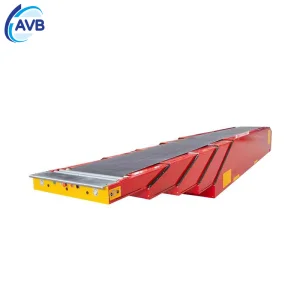
In high-velocity fulfillment hubs, extendable mobile belt conveyors are deployed at inbound docks to expedite trailer unloading. Paired with automated dimension-weigh-scanning (DWS) systems, they allow for rapid manifesting and sorting, minimizing shipping costs by utilizing actual volume data rather than flat weight calculations.
European clients often integrate gantry linear robots and 6-axis palletizing arms with CNC production lines. The strict safety standards (CE, Machinery Directive) require seamless control loop integration, ensuring that hardware like pallet dispensers coordinate with local PLCs using Profinet or EtherNet/IP.
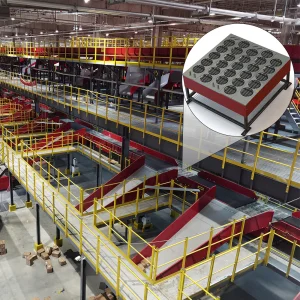
For cross-border transshipment hubs in developing markets, cost-efficient, high-throughput linear cross belt sorters offer a space-saving alternative to bulky systems. This enables localized hubs to manage high parcel volumes with minimal physical footprint, keeping real estate expenditures low.
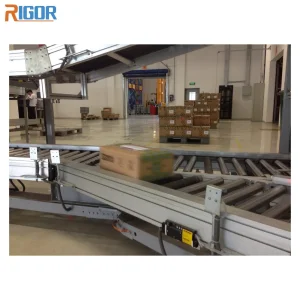
In regions where road infrastructure is variable, container seals and high-security disposable bolt seals are essential for load integrity. Combining these physical security solutions with intelligent roller conveyors prevents cargo tampering while accelerating cargo cross-docking times.
The next decade of shipping optimization will be defined by the convergence of edge computing, deep neural networks, and kinetic machinery. As systems transition from PLC-based reactive controls to AI-driven predictive routing, the mechanical systems housing these technologies must become smarter, more adaptive, and less power-intensive.
Deploying high-precision load cells and CCD-camera based color sorters directly connected to edge-computing gateways. This ensures instant data feed into Warehouse Management Systems (WMS), preventing sorting errors before a package moves down the diverter.
Standardizing open APIs across robotic arms, palletizers, and autonomous mobile robots. This allows a 6-axis mechanical arm to place loaded pallets directly onto AMRs, bypassing fixed conveyors to optimize dynamic layout setups on the fly.
Integrating regenerative drives on high-power roller conveyors and sorting tracks to harvest kinetic energy during deceleration. Concurrently, machine learning algorithms analyze vibration data from rollers to schedule preventative maintenance before wear causes unexpected downtime.
Expanding warehouse operations across borders demands strict adherence to local laws, electrical directives, and safety codes. Shenzhen JK Logistics Co., Ltd. ensures that every system exported is pre-configured and documented to clear local inspections without delays.
Motors, PLCs, and pneumatic systems are sourced in compliance with local specifications: NEMA and UL ratings for the United States, CE marks for European Union countries, and local safety guardrails that satisfy OSHA guidelines.
Every complex conveyor or sorting line comes with secure VPN-enabled diagnostic gateways. This allows JK Logistics' engineering team to assist local engineers with initial commissioning, parameter tuning, and troubleshooting, reducing setup lead times.
Get answers to critical technical questions regarding shipping optimization tools, warehouse automation integration, and customization.
Our automation systems utilize PLC controllers (such as Siemens or Allen-Bradley) that communicate via industrial networks (Profinet, Ethernet/IP, Modbus TCP) to a middleware layer (Warehouse Control System, or WCS). The WCS maps physical barcode reads or RFID tags detected on our conveyors and queries the WMS/ERP database in real time. The WMS then returns sorting decisions, directing the balance wheel sorter or cross-belt divert mechanism to guide the package to the correct outbound lane.
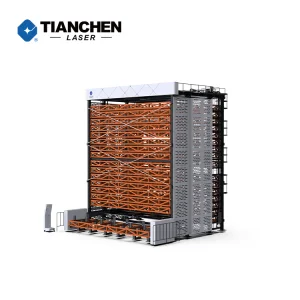
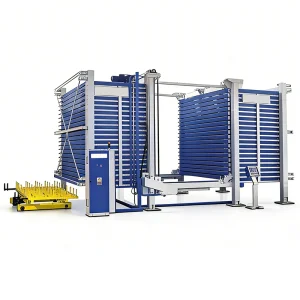
Our material handling equipment is highly modular. Standard roller conveyors and telescopic systems support loads from 0.5 kg to over 100 kg per meter. For heavy industrial requirements, our sheet metal storage towers and robotic gantry linear manipulators are customized to handle payload capacities ranging from hundreds of kilograms to multiple metric tons, ensuring safe loading and unloading of metal plates, tubes, or heavy pallets.
We source structural steel, precision motors, and pneumatic actuators under strict ISO 9001:2015 quality guidelines. High-stress elements undergo finite element analysis (FEA) during the design stage. Prior to export, components like sorting turntables, color sorters, and robotic arm joints are subjected to cycle testing to simulate real-world conditions, minimizing premature wear and field failures.
Yes. Our extendable telescopic mobile belt conveyors are specifically engineered to reach deep inside 20-foot and 40-foot shipping containers. By expanding and retracting dynamically, they eliminate the need for workers to carry heavy boxes over long distances inside the container, reducing unloading cycle times by up to 50% and minimizing cargo damage.
Absolutely. Space constraint is a critical issue in urban logistics. Products like our LUHUI Balance Wheel Sorter are built with a compact turntable structure, allowing them to fit into tight footprints where traditional long-arm pneumatic diverters cannot operate. Our engineering team collaborates on CAD layout files to design tailored drop-in configurations that hook directly into your existing conveyor headers.
Maximize sorting speed, optimize warehouse palletization, and verify product compliance with our heavy-duty and precision industrial solutions.
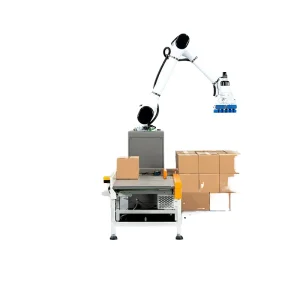
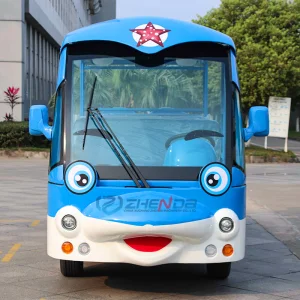
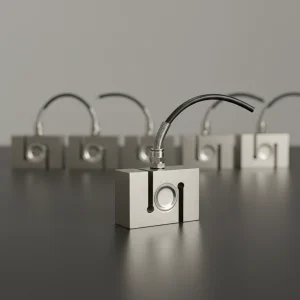
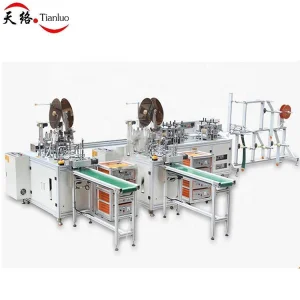
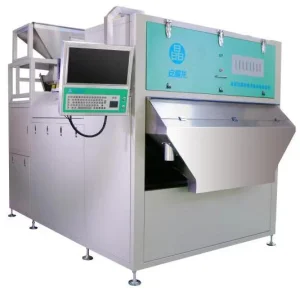
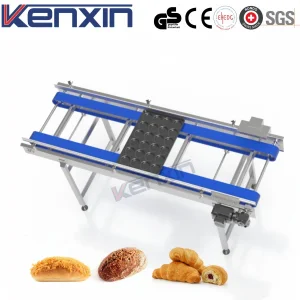
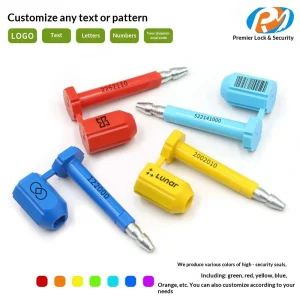
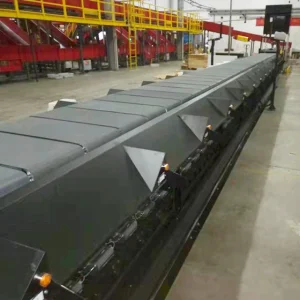
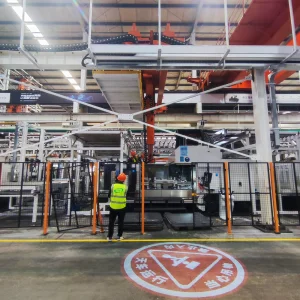
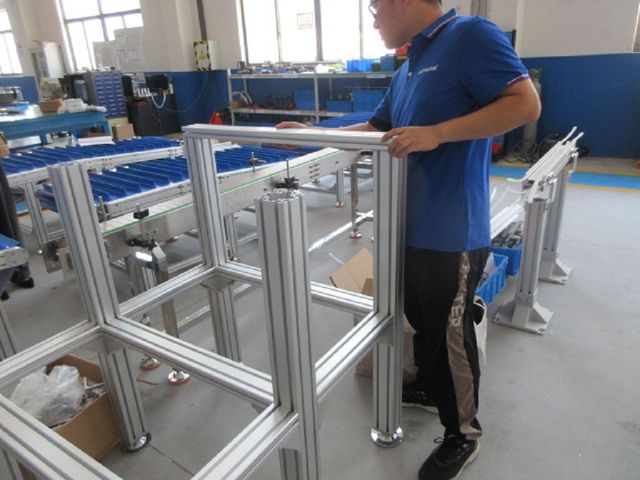
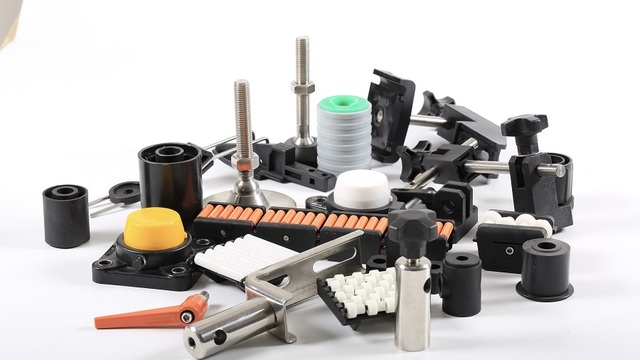
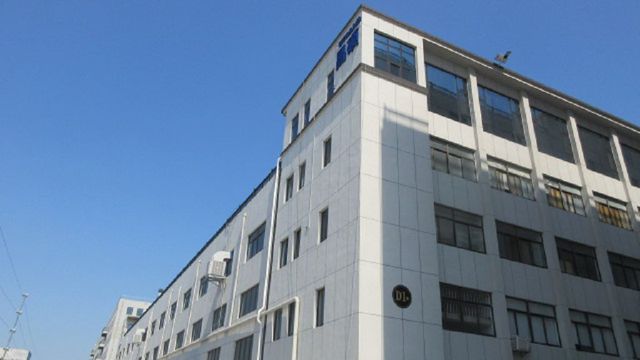
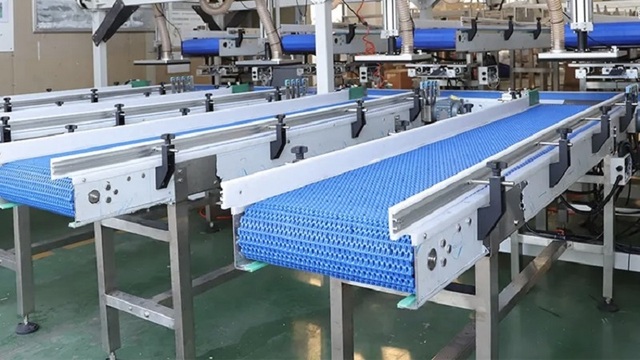
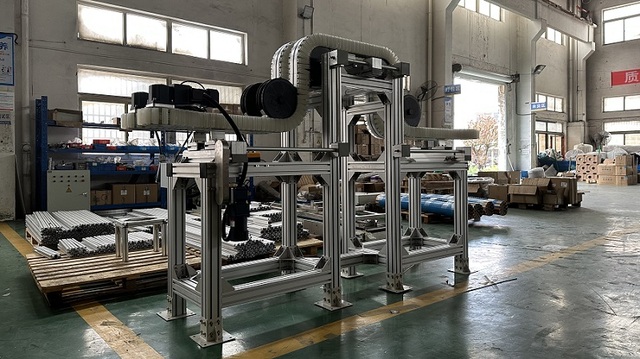
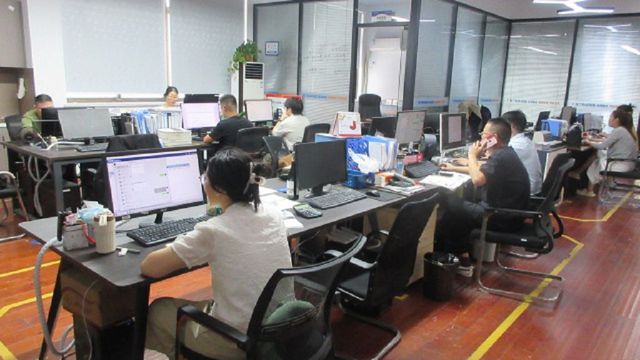
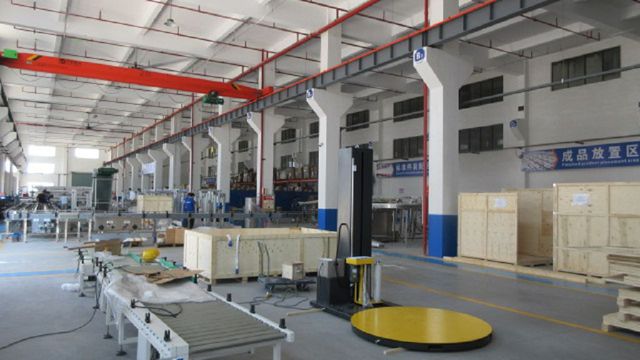
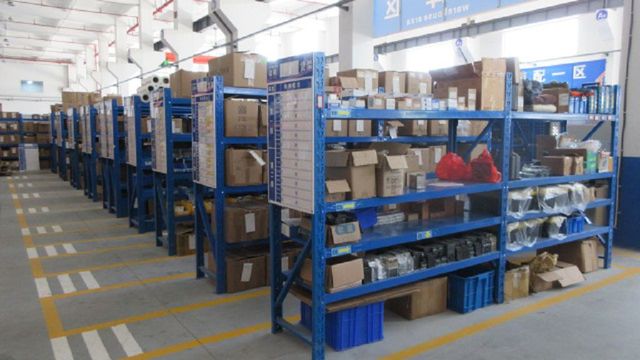
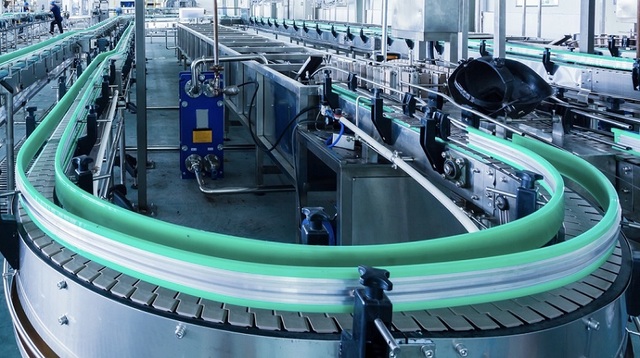
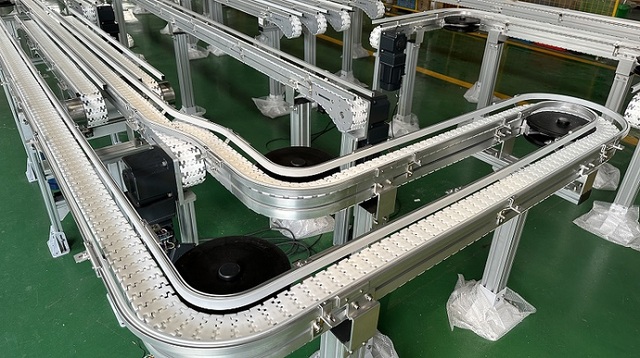
Shenzhen JK Logistics Co., Ltd. continuously invests in production facilities, clean testing centers, assembly workshops, and high-precision steel fabrication bays. Our facilities ensure that all material handling platforms and conveying systems satisfy international engineering tolerances before shipment. Below is a look inside our modern manufacturing facilities and product assembly setups.
 JK Logistics