High-standard engineering solutions configured for end-to-end efficiency optimization in modern warehousing.
In an era defined by volatile consumer behavior, localized disruptions, and shifting geopolitical alignments, the concept of a linear supply chain is rapidly becoming obsolete. Today's global market demands absolute adaptability, real-time feedback loops, and highly localized distribution points. Global companies are moving away from centralized, monolithic distribution systems toward agile, hybrid fulfillment networks. Achieving this level of structural agility requires more than just buying logistics equipment off the shelf; it requires deep-level industrial consultancy coupled with bespoke engineering capability.
As supply chains grow in complexity, manufacturers must transition into comprehensive end-to-end integration partners. Top China supply chain consultancies act not merely as hardware fabricators, but as tactical advisors who analyze structural inefficiencies, develop scalable system topologies, and supply the heavy-duty automation systems required to execute these programs. The synergy between high-end industrial consultation and advanced manufacturing is the primary driver behind modern warehouse transformation, lowering the total cost of ownership (TCO) while securing long-term operational resilience.
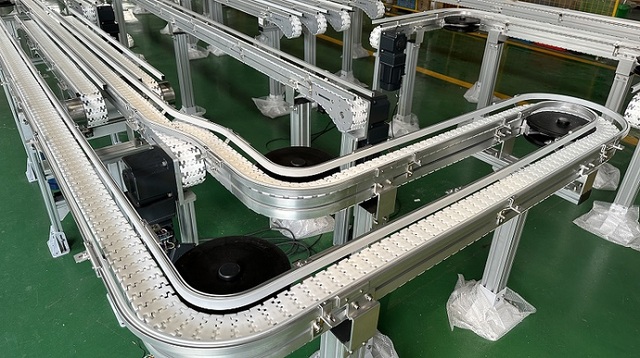
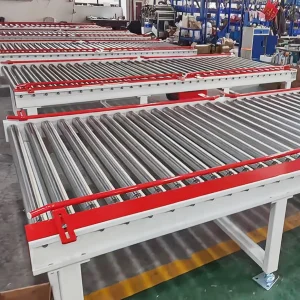
At the center of this industry movement stands Shenzhen JK Logistics Co., Ltd., a professional Warehouse Conveyor Systems Manufacturer specializing in material handling, sorting systems, and logistics automation solutions for modern warehouses, distribution centers, and industrial facilities. Based in Shenzhen, China's premiere high-tech manufacturing hub, the company focuses on the development and production of intelligent automation equipment designed to improve operational efficiency, optimize material flow, and support the growing demands of global supply chains.
With extensive experience in warehouse and logistics automation, JK Logistics provides integrated solutions covering material handling systems, warehouse conveying equipment, automated sorting technologies, order fulfillment automation, pallet handling solutions, distribution center infrastructure, and smart logistics integration. These solutions are widely used in e-commerce fulfillment centers, retail distribution networks, third-party logistics (3PL) operations, manufacturing facilities, and parcel processing hubs.
The company is committed to delivering reliable, scalable, and customized automation solutions that address the challenges of modern warehousing. Its engineering team collaborates closely with customers to analyze operational requirements, warehouse layouts, throughput objectives, and future expansion plans. By combining automation technology with practical logistics expertise, JK Logistics develops systems that improve productivity, reduce manual handling, enhance accuracy, and streamline warehouse operations.
Equipped with advanced manufacturing capabilities and comprehensive quality management processes, the company maintains strict standards throughout design, production, testing, and installation. Continuous investment in research and development enables JK Logistics to incorporate intelligent control technologies, data-driven automation, and flexible system integration into its solutions.
Serving customers across Asia, Europe, North America, South America, the Middle East, and other international markets, Shenzhen JK Logistics Co., Ltd. is dedicated to providing efficient warehouse conveyor systems and logistics automation solutions that help businesses improve operational performance, increase supply chain efficiency, and adapt to the evolving requirements of modern distribution and fulfillment environments.
China's undisputed leadership in automated material handling manufacturing is not just a function of scale; it is the result of an incredibly dense, integrated hardware ecosystem in Shenzhen. This localization of component suppliers, precision tooling facilities, and embedded electronics engineering firms allows for rapid prototyping and iterative design phases that are simply impossible anywhere else in the world.
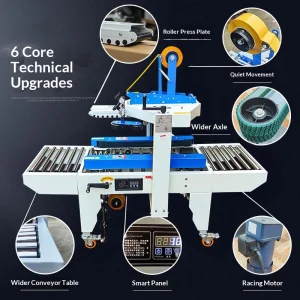
From high-tensile steel construction for heavy-duty cargo elevators to precision sensor arrays for robotic AMRs, every element of the manufacturing value chain is optimized. Real-time factory testing procedures ensure that high-tolerance components, such as automated carton sealing equipment or AI-based inspection systems, are stress-tested under variable load configurations prior to export. This localized manufacturing depth translates directly to lower lead times, robust quality control, and competitive unit economics for cross-border enterprise buyers.
International procurement teams face complex regulatory hurdles when sourcing heavy industrial automation and material handling equipment. Ensuring conformity to CE, UL, RoHS, and local electrical standards is mandatory. A premier supply chain consultancy must act as an engineering buffer, redesigning system components to align with the safety, grid-compatibility, and operational guidelines of target jurisdictions.
Furthermore, integration capability with existing legacy software architectures is highly requested. Warehouse Management Systems (WMS) and Warehouse Control Systems (WCS) must seamlessly communicate with incoming automation equipment. Shenzhen JK Logistics addresses these requirements by building open-architecture APIs, utilizing standard PLC controllers, and incorporating robust industrial communication protocols (such as Modbus, EtherNet/IP, and OPC UA) into their hardware products, ensuring seamless integration on the global stage.
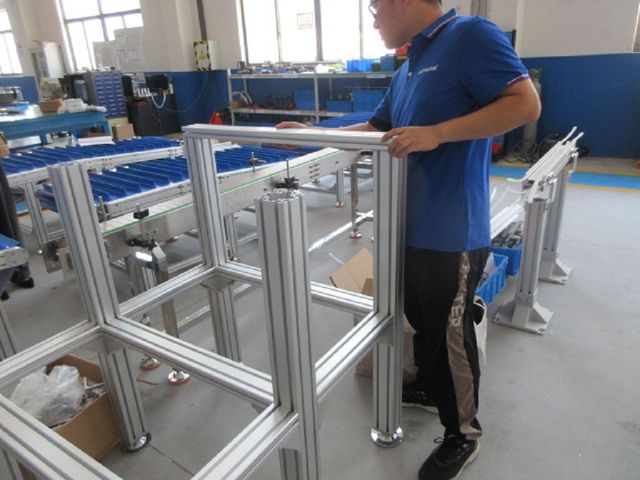
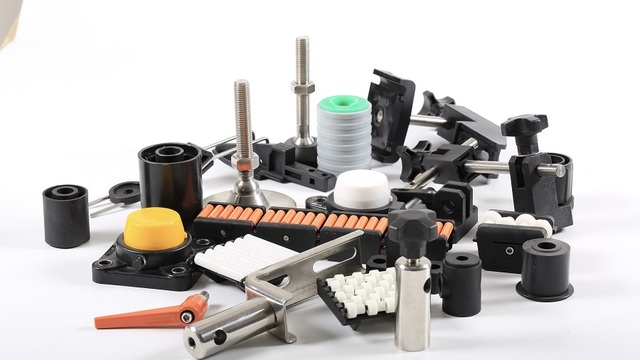
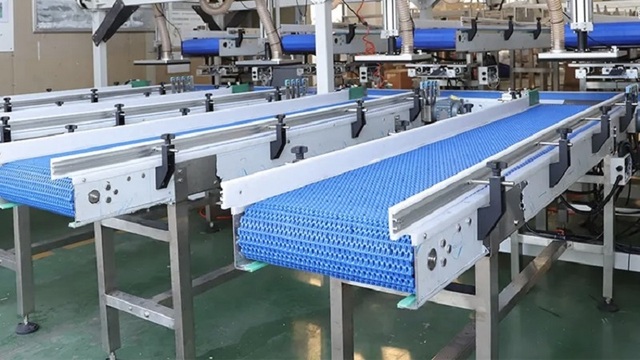
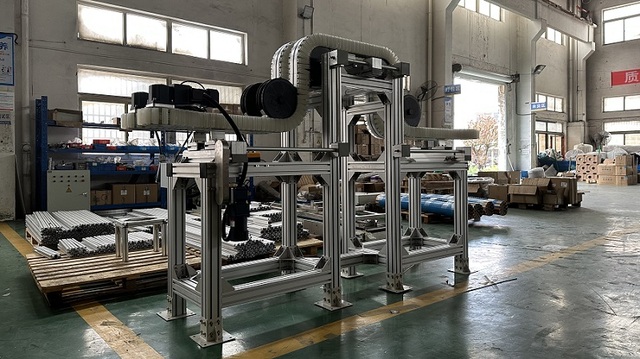
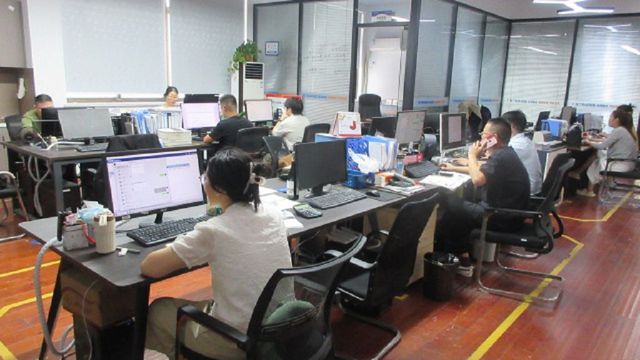
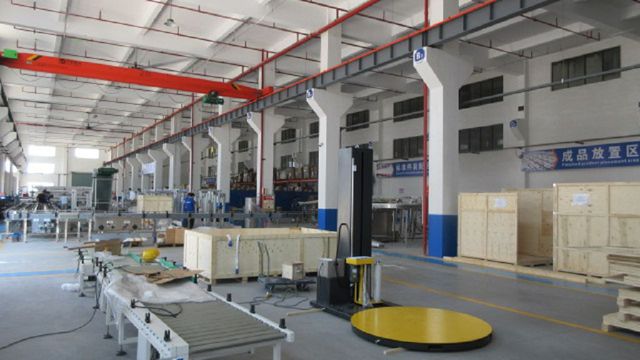
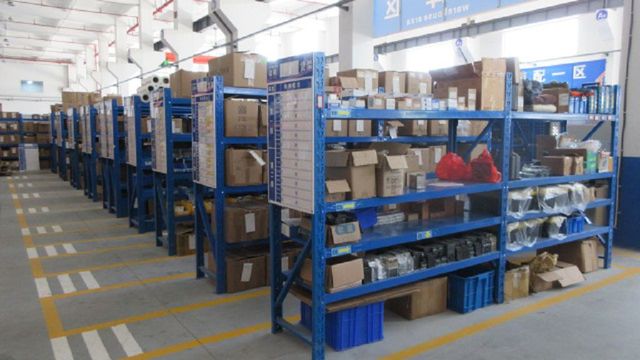
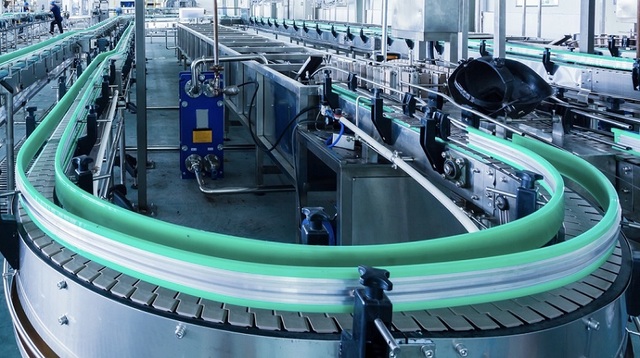
Visual insights into our high-precision manufacturing processes, quality inspection protocols, and testing facilities in Shenzhen.

Automation must adapt to the physical and logical constraints of its operational environment. Different industrial scenarios demand completely different technical configurations:
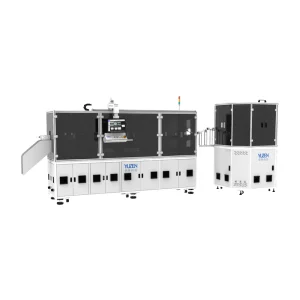
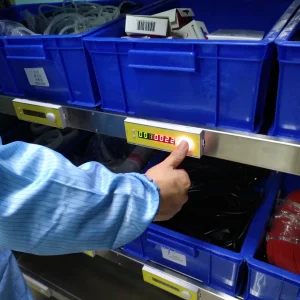
High SKU counts, micro-orders, and volatile seasonal spikes require high-speed intelligent parcel sorting lines, wireless put-to-light systems, and automated sealing mechanisms to optimize the packaging workflow.
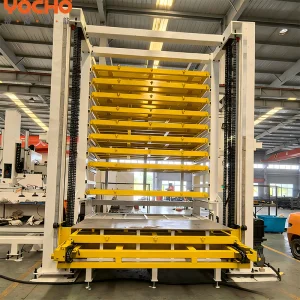
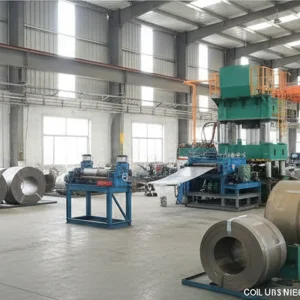
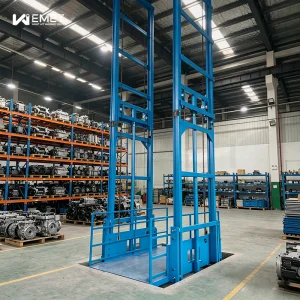
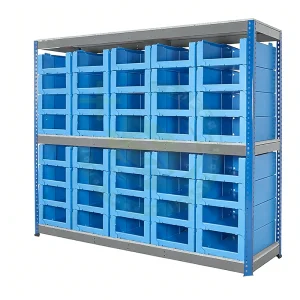
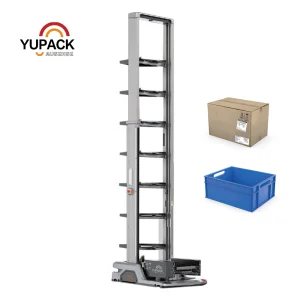
Designed for raw materials, metal sheets, and machinery storage. Utilizes high-tolerance automated storage towers, vertical cargo lift platforms, and customized pallet shuttle systems configured for heavy payloads.
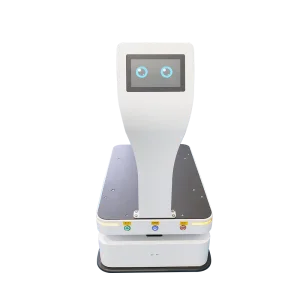
Dynamic factory floor delivery utilizing AGV and AMR systems with localized fleet management software. Seamlessly integrates transport systems without requiring costly structural modifications to building architecture.
The warehouse logistics industry is transitioning from simple mechanization to autonomous cognition. Key developmental trends include:
Swarm Robotics and Decentralized Decision Making: Rather than relying on a centralized server to route each vehicle, AMRs will utilize edge-computing arrays to determine optimal travel paths, minimize intersection congestion, and coordinate sorting actions dynamically.
Computer Vision and Deep Learning Quality Assurance: Real-time AI scanning systems will evaluate package dimensions, weight, label accuracy, and structural integrity at conveyor transfer nodes, routing anomalous parcels to containment zones without stopping the primary sorter.
Sustainability through Regenerative Power: Future automated conveyor networks and heavy cargo lifts will implement energy recovery systems that convert deceleration and downward mechanical force into electrical energy, feeding power back into local grids and lowering the facility's carbon footprint.
Technical responses concerning equipment integration, customizations, export capability, and engineering support.
Our design process begins with a detailed physical scan or DWG architectural review of your facility. Our consultancy engineers then model localized equipment layouts, identifying building obstacles, forklift routes, and egress pathways. Using 3D simulation tools, we test different conveying configurations to optimize throughput before fabricating custom-length modular frames, curved transitions, and variable-height supports.
All our automated systems, including AMR fleets, pick-to-light systems, and high-speed sorters, run on open-architecture control modules. We provide standard APIs and support direct communication protocols like OPC UA, Modbus TCP, and TCP/IP sockets, allowing your IT team or system integrator to connect our equipment to SAP, Oracle, HighJump, or proprietary WMS/WCS platforms.
We manufacture our automation systems in compliance with international certification requirements. Critical electrical components, control panels, and drive assemblies are sourced from recognized global providers (like Siemens, Schneider, and Omron) carrying CE and UL marks. Structural welding, cargo lifts, and pressure systems are fabricated to international safety standards with structural calculations provided upon request.
We provide comprehensive installation options. For complex, large-scale systems, we can dispatch field engineers to supervise on-site mechanical assembly, electrical integration, and commissioning. Alternatively, we provide detailed, modular assembly guidelines, remote calibration support, and video diagnostic reviews. Every system comes with recommended spare parts kits and 24/7 technical helpdesk access.
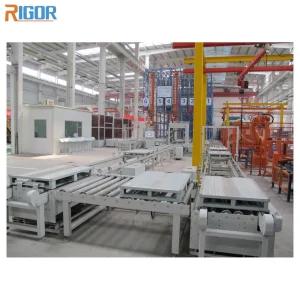
Explore our advanced sorting, transportation, and automated fulfillment products designed for high-density operation.

 JK Logistics