Home >
Warehouse Transfer Systems >
E-Commerce Logistics Put To Light Accuracy PTL Digital Parcel Sorter Express Sorting Put Wall With Wireless Pick To Light System
1 / 5
E-Commerce Logistics Put To Light Accuracy PTL Digital Parcel Sorter Express Sorting Put Wall With Wireless Pick To Light System
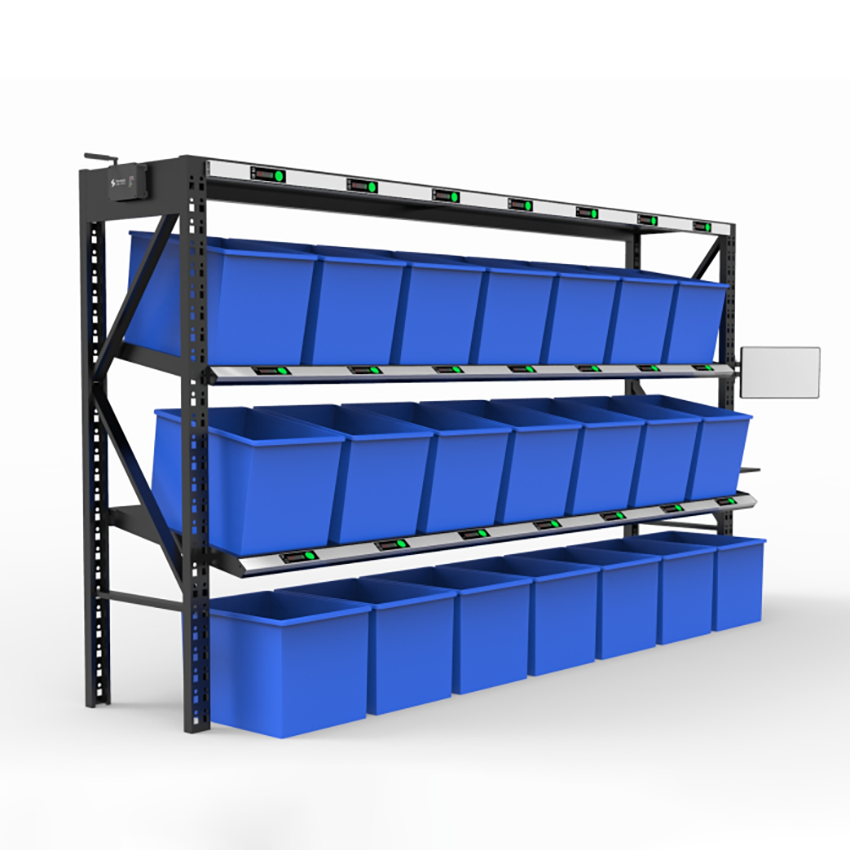
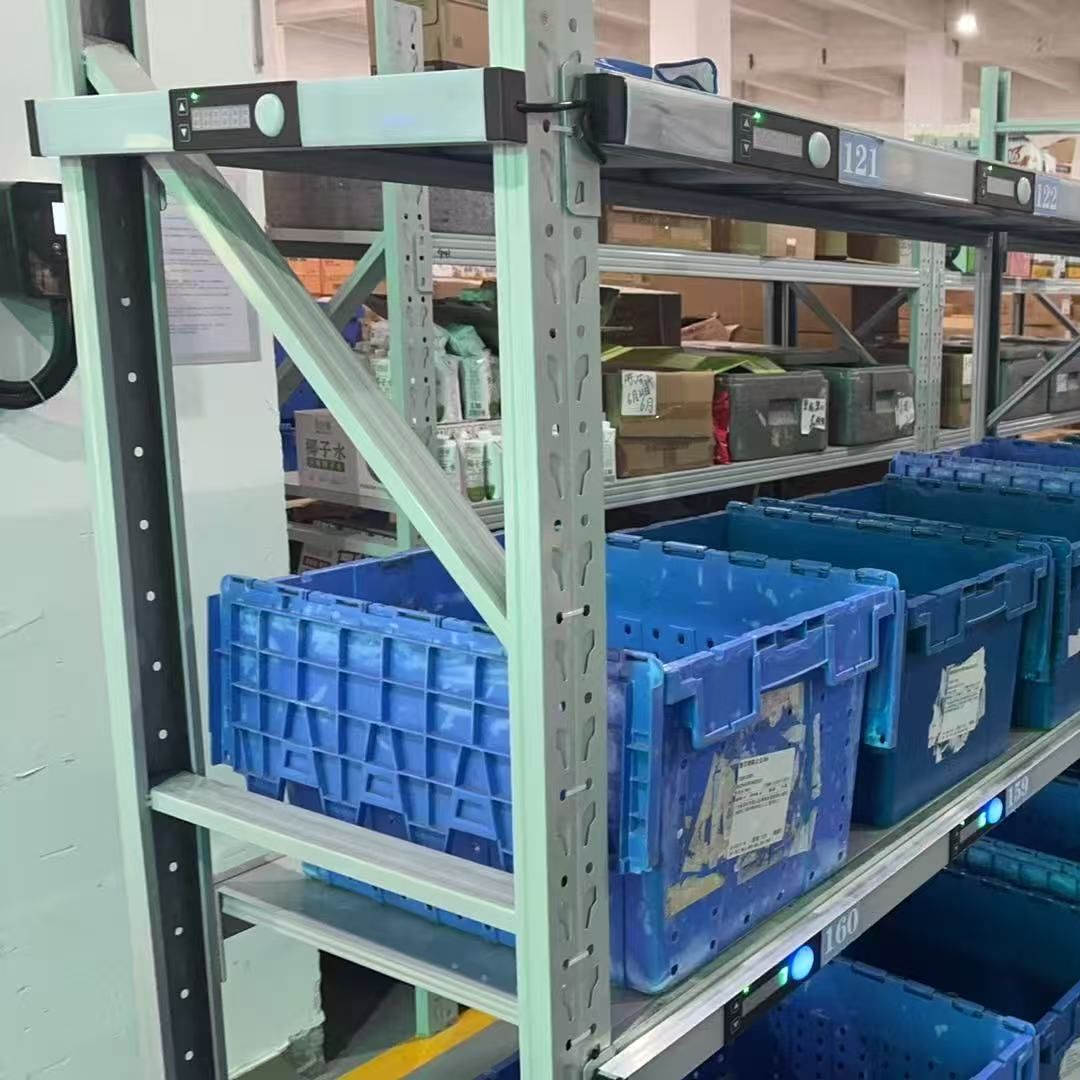
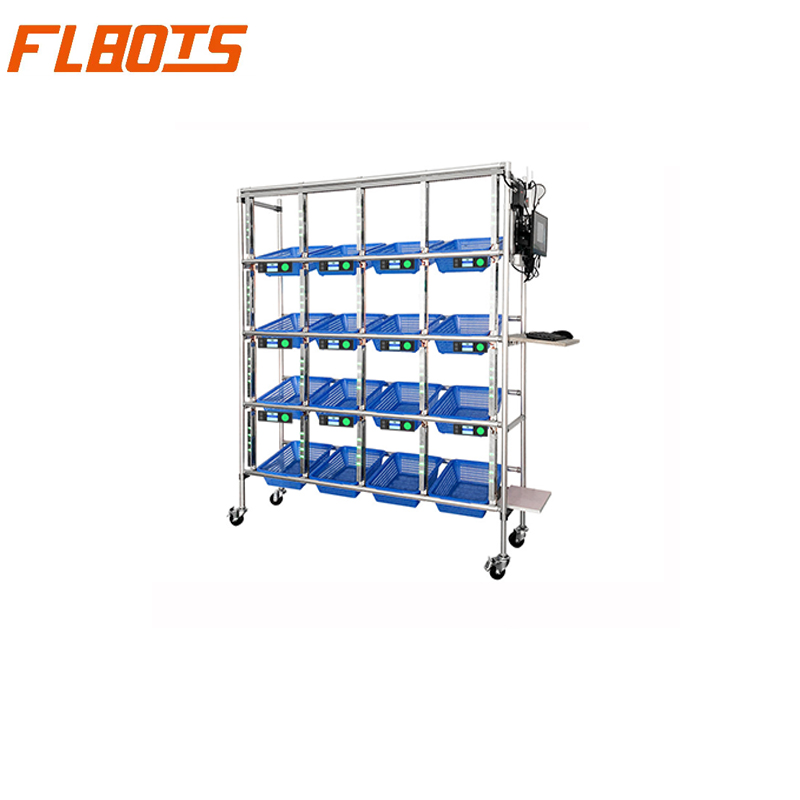
The light strip put wall is an intelligent electronic device used in secondary sorting of e-commerce warehousing. It is mainly used for automated sorting and packaging of goods.
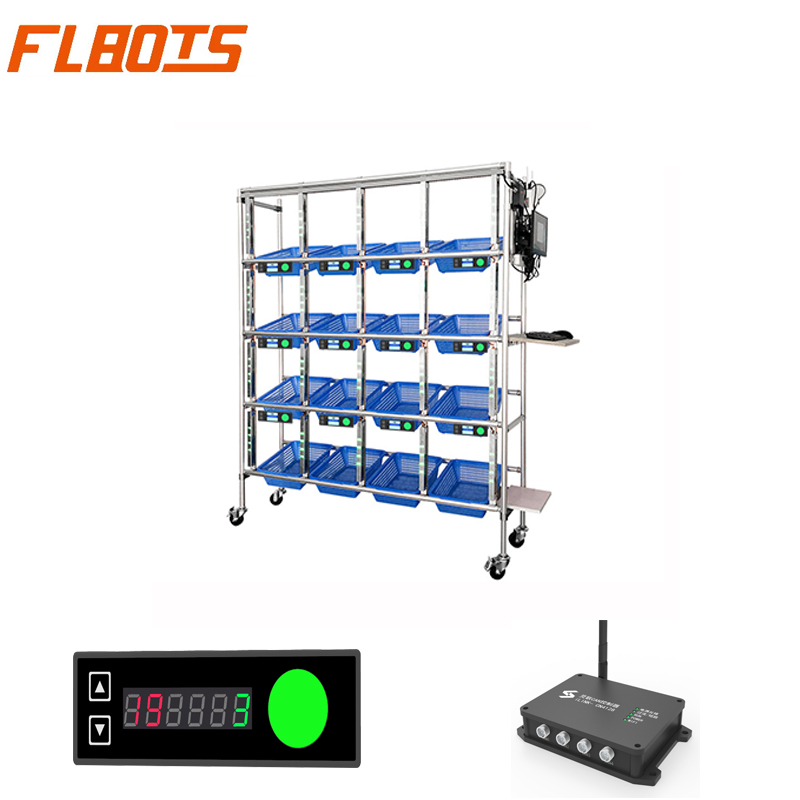
It comprises a put rack and a plurality of material grids. The material grids are used for storing sorted goods, and can be arranged in an array on the put rack.
During sorting operation, goods are usually classified according to order tasks, and placed in the storage grids of the put wall according to the order tasks. Finally, the goods in the storage grids are packaged and delivered according to the order.
The put wall equipment can effectively improve the delivery efficiency of the order and reduce personnel dependence and personnel use costs.
Products Description
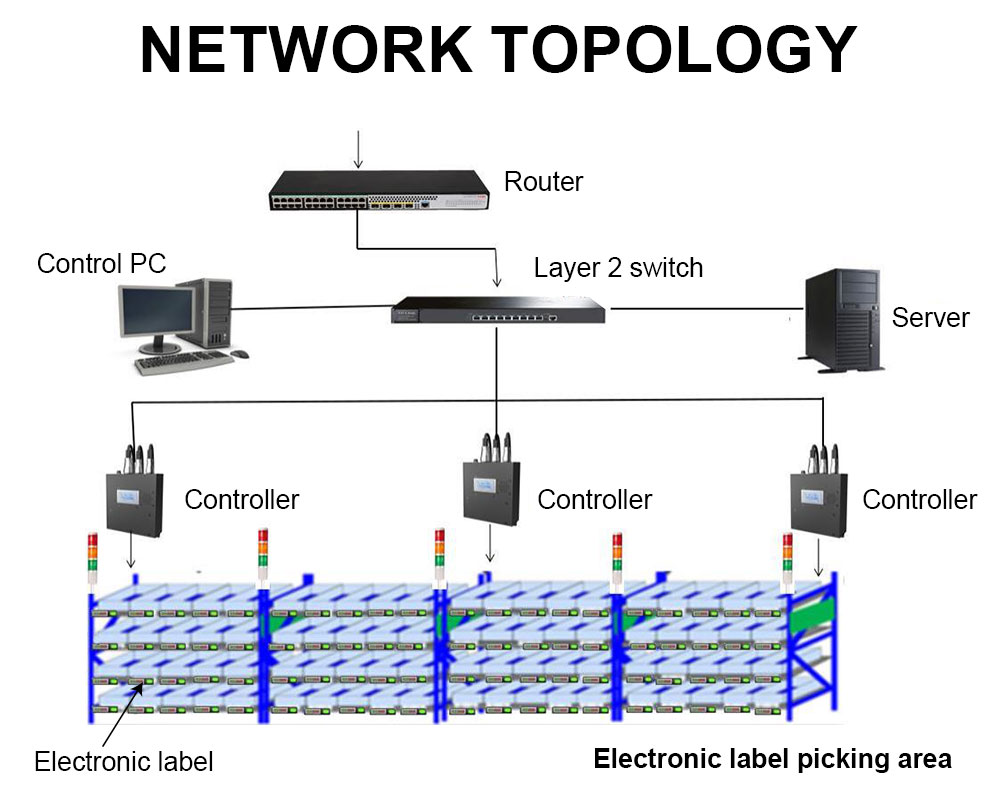
System Framework
The controller service system provides secondary development SDK to enable users to control the functions of the driving hardware equipment independently. Users can fully customize their own picking process. The SDK adopts the web socket protocol, and the control data is transmitted in json format.
Used for Warehouse Management and Logistics Distribution
1
Improve efficiency: Quickly locate materials through electronic tag guidance, reduce picking intervals, and improve efficiency and accuracy.
2
Reduce errors: Assist personnel in picking goods based on light colors and displayed numbers.
3
Improve order response speed.
4
Can be integrated with other intelligent devices to reduce reliance on manpower.
5
Lower operational threshold and easy to use.
System Architecture
1
Data source: The existing WMS system, ERP, MIS, etc. or manually inputting the information.
2
Control PC: Used to download the order from WMS and send the outbound information to the Intelligent BUS module through the network switch.
3
Network switch: From one interface to multiple interfaces, also known as the bridge.
4
Intelligent BUS: Control the work of the signal lamp and electronic tags of the captioning machine, and transmit the completed job information back to the PC. Achieve two-way communication.
5
Alarm light: Used in the working area to prompt the task to be done in the area.
6
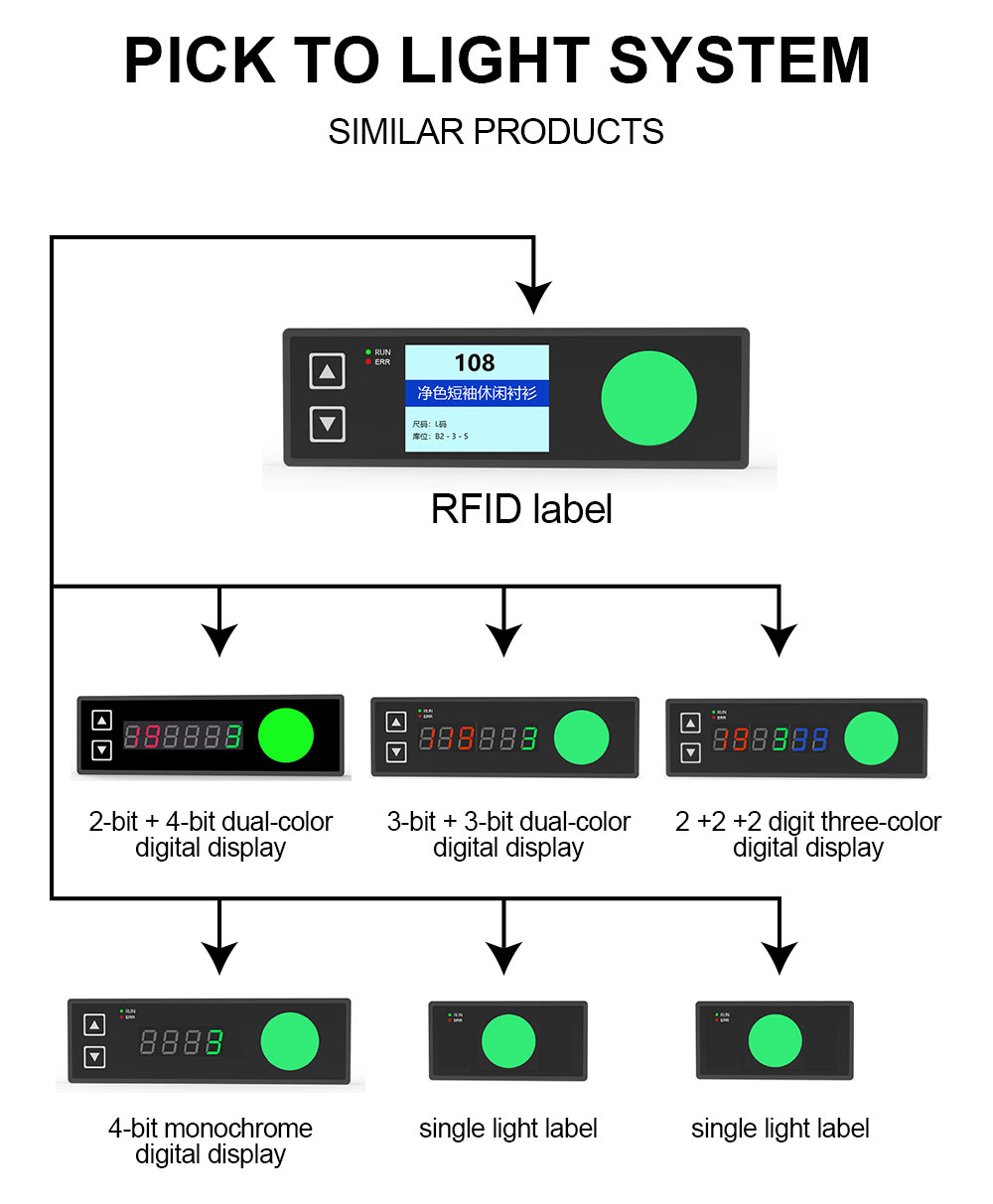
Multi-function label: Can be connected to the alarm light and scanning gun.
7
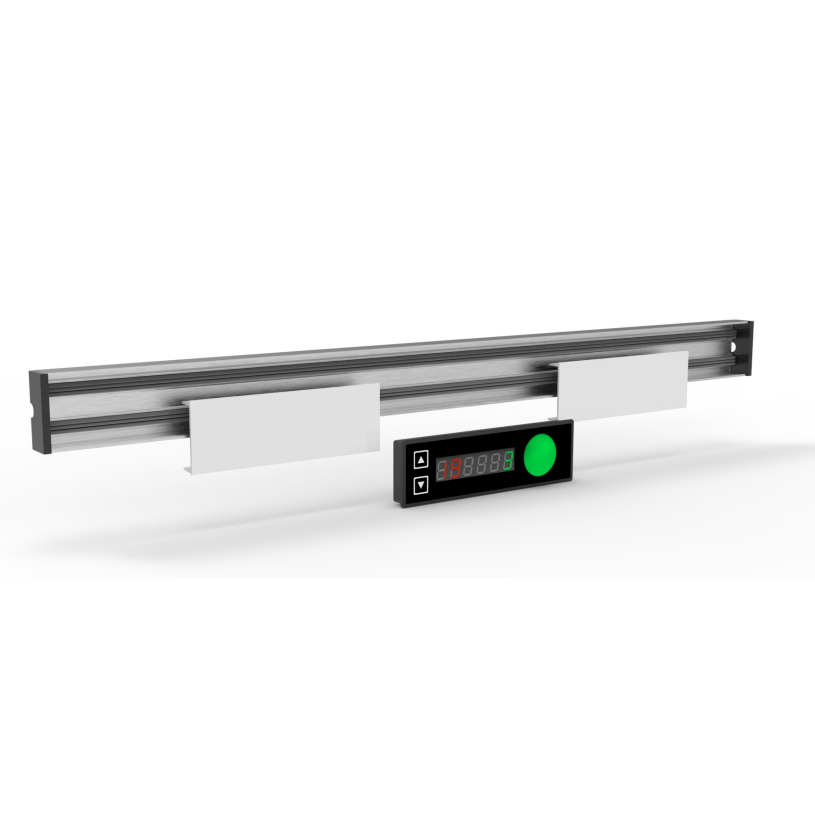
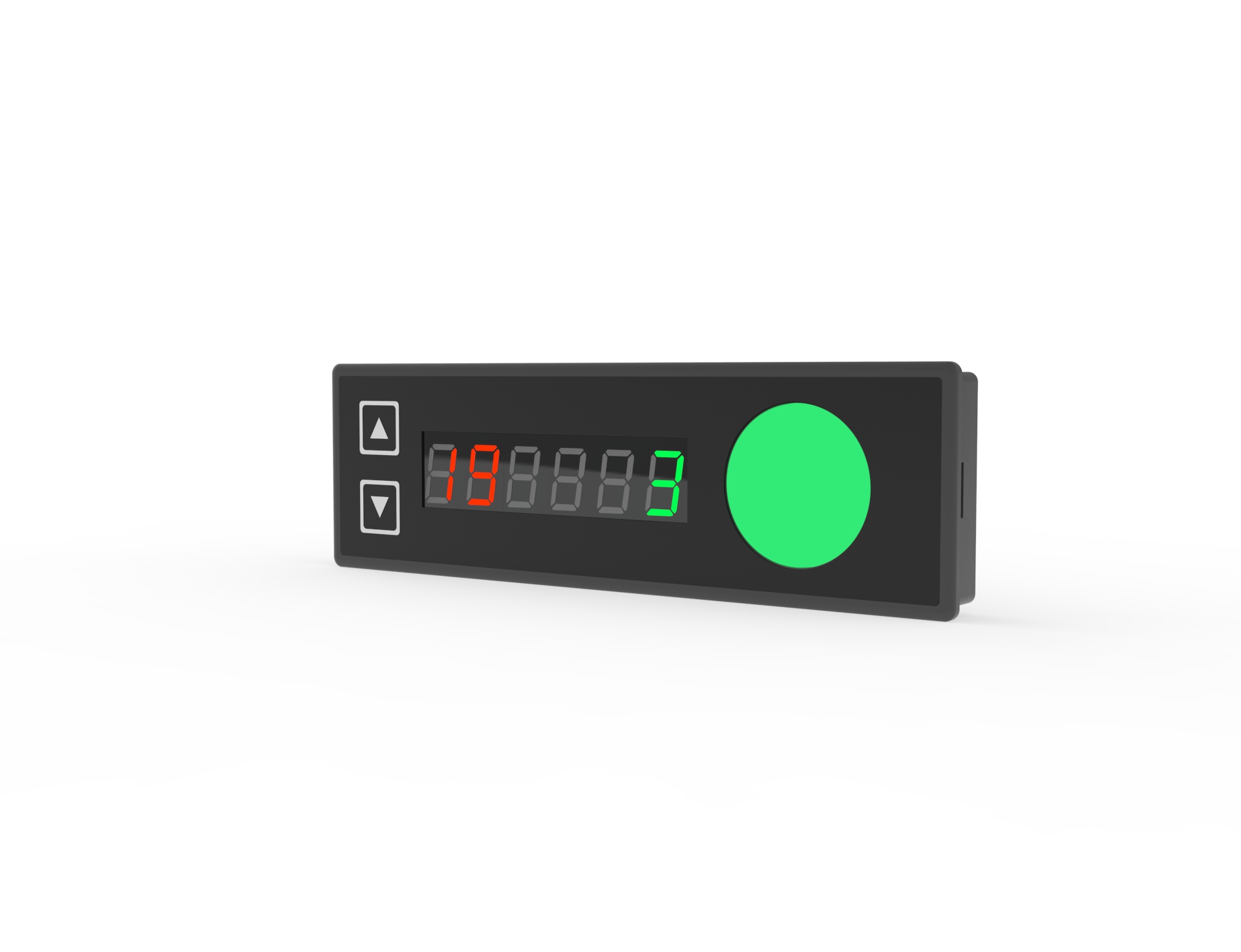
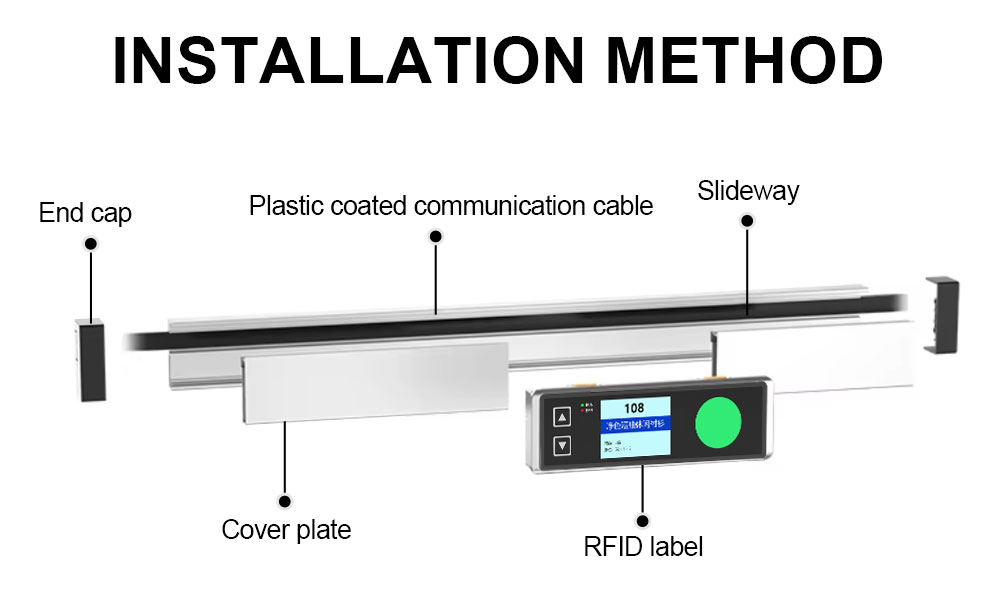
Electronic label: Used to display the goods location, quantity and send out indicating information.
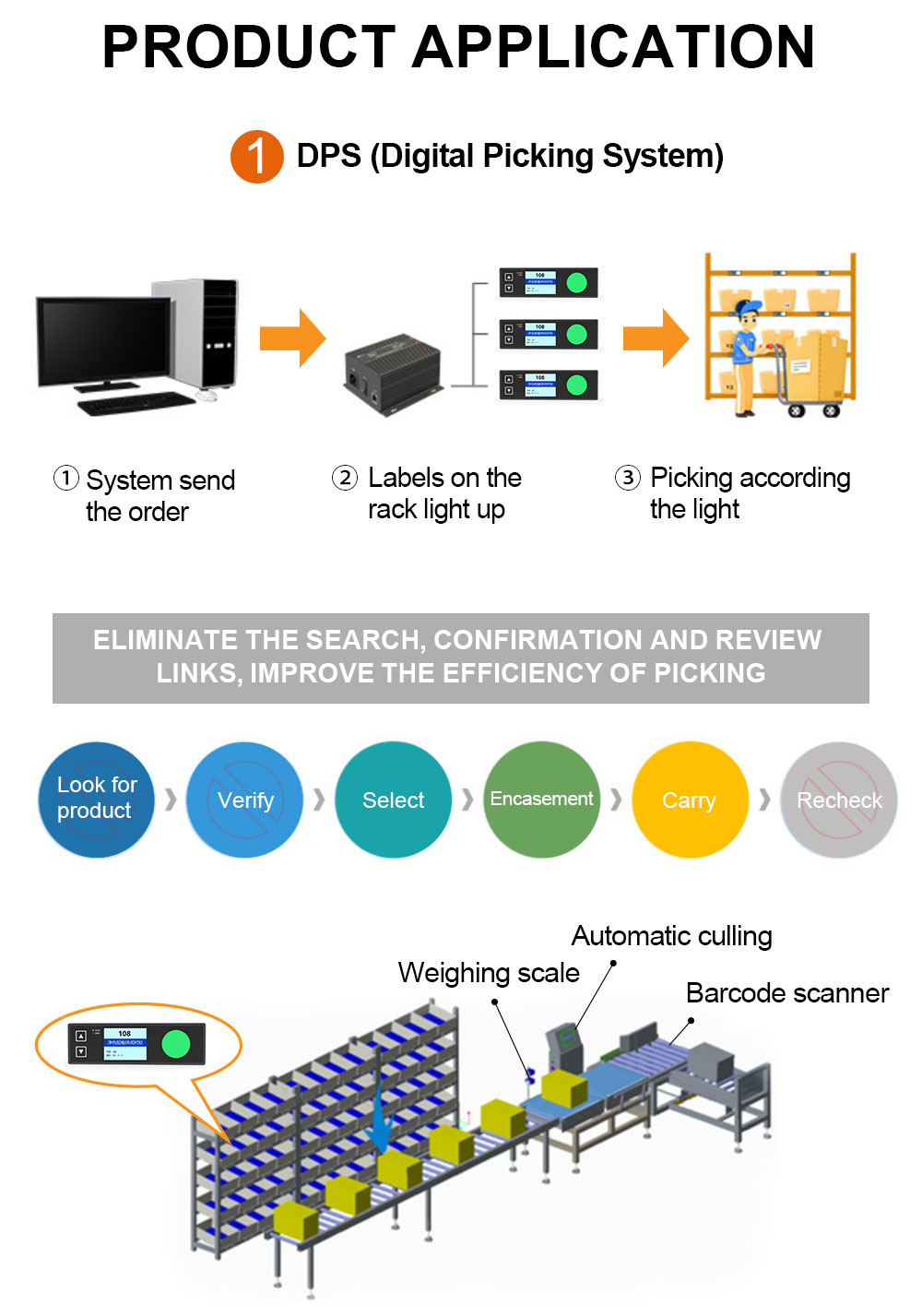
DPS (Digital Picking System)
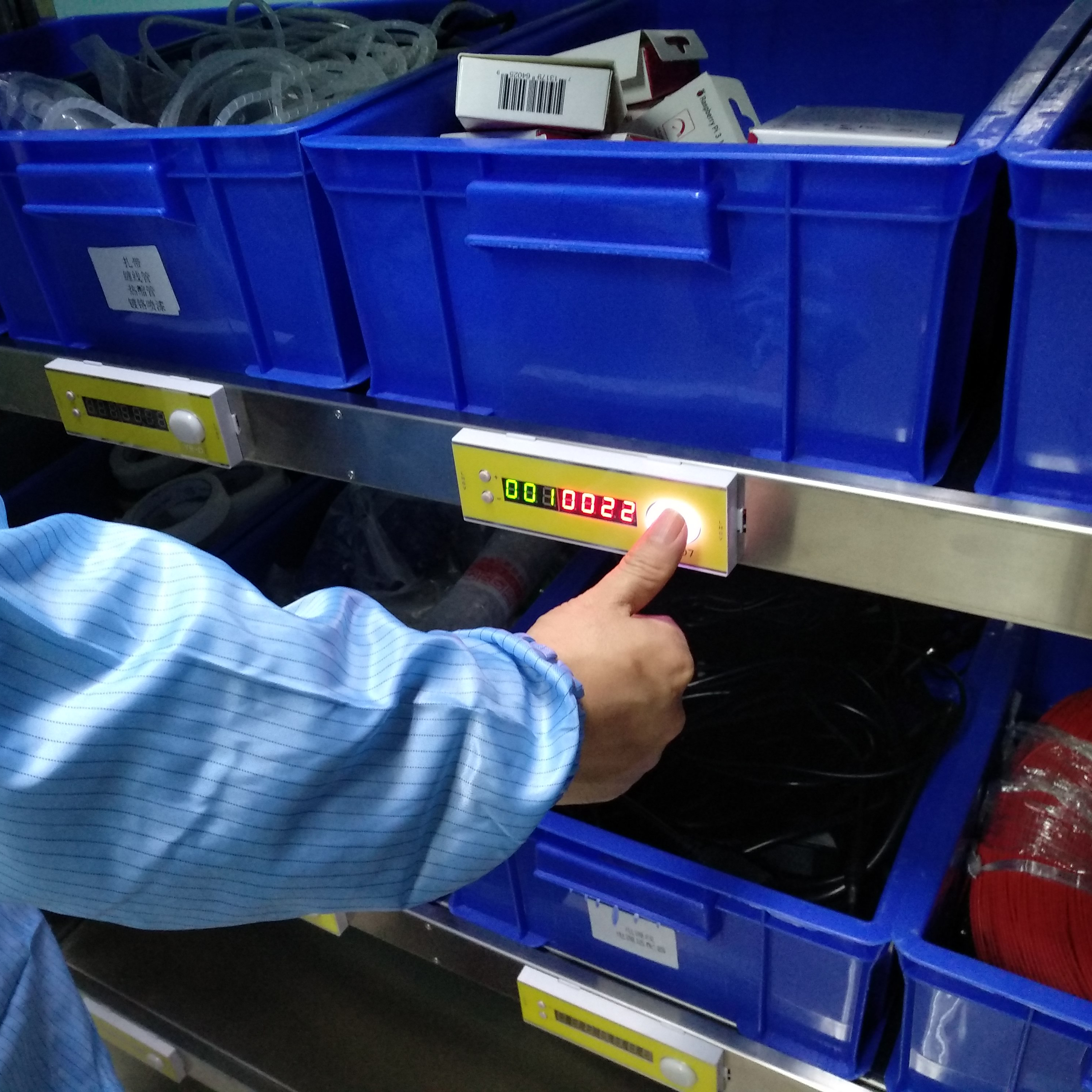
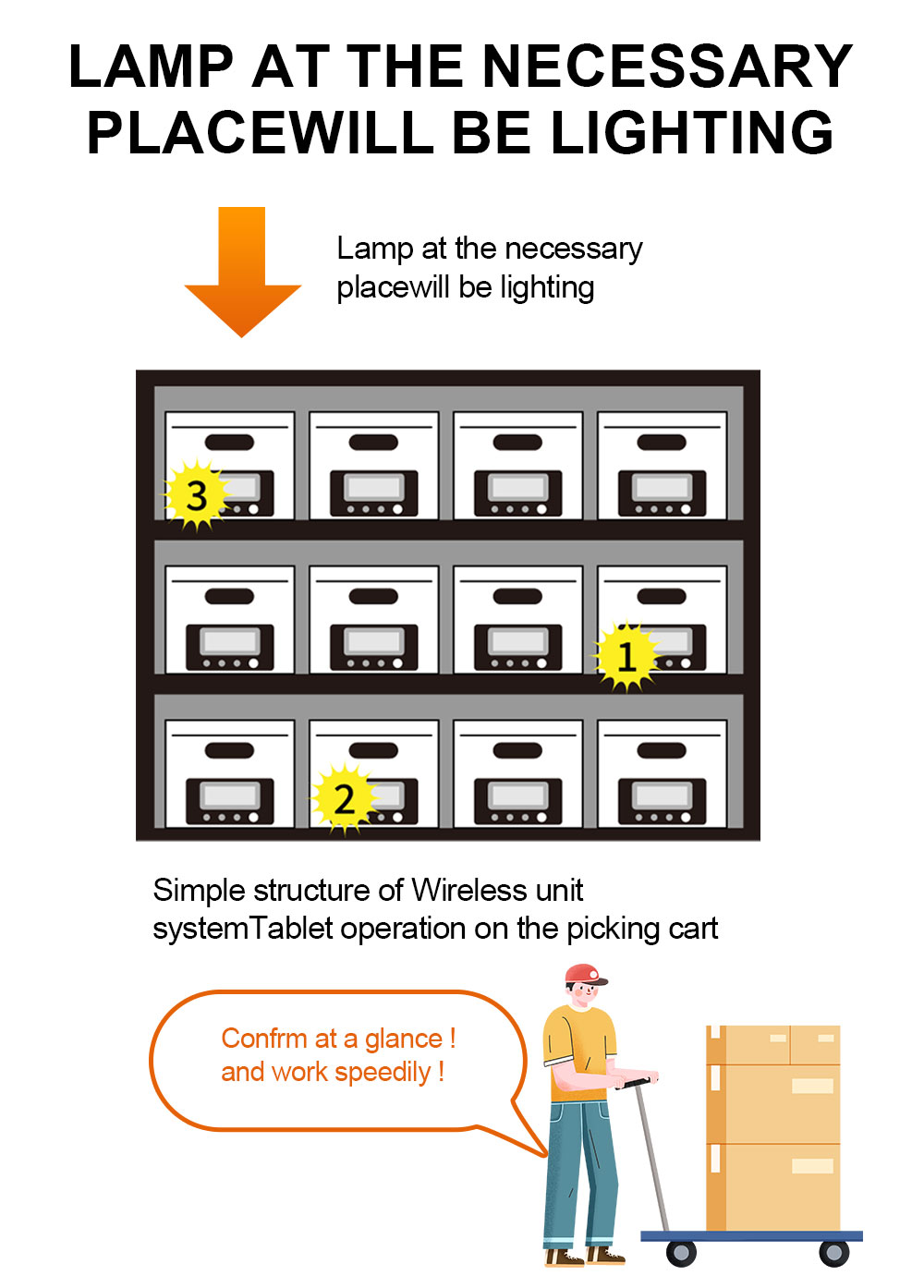
Install electronic labels on the shelf, in principle placing a product in the store (a label represents a product) and one order for a processing unit, the system causes the corresponding label to light up in the order, picking member according to the bright lights and digital display to take out the goods from the shelf. This is called pick to light according to the order.
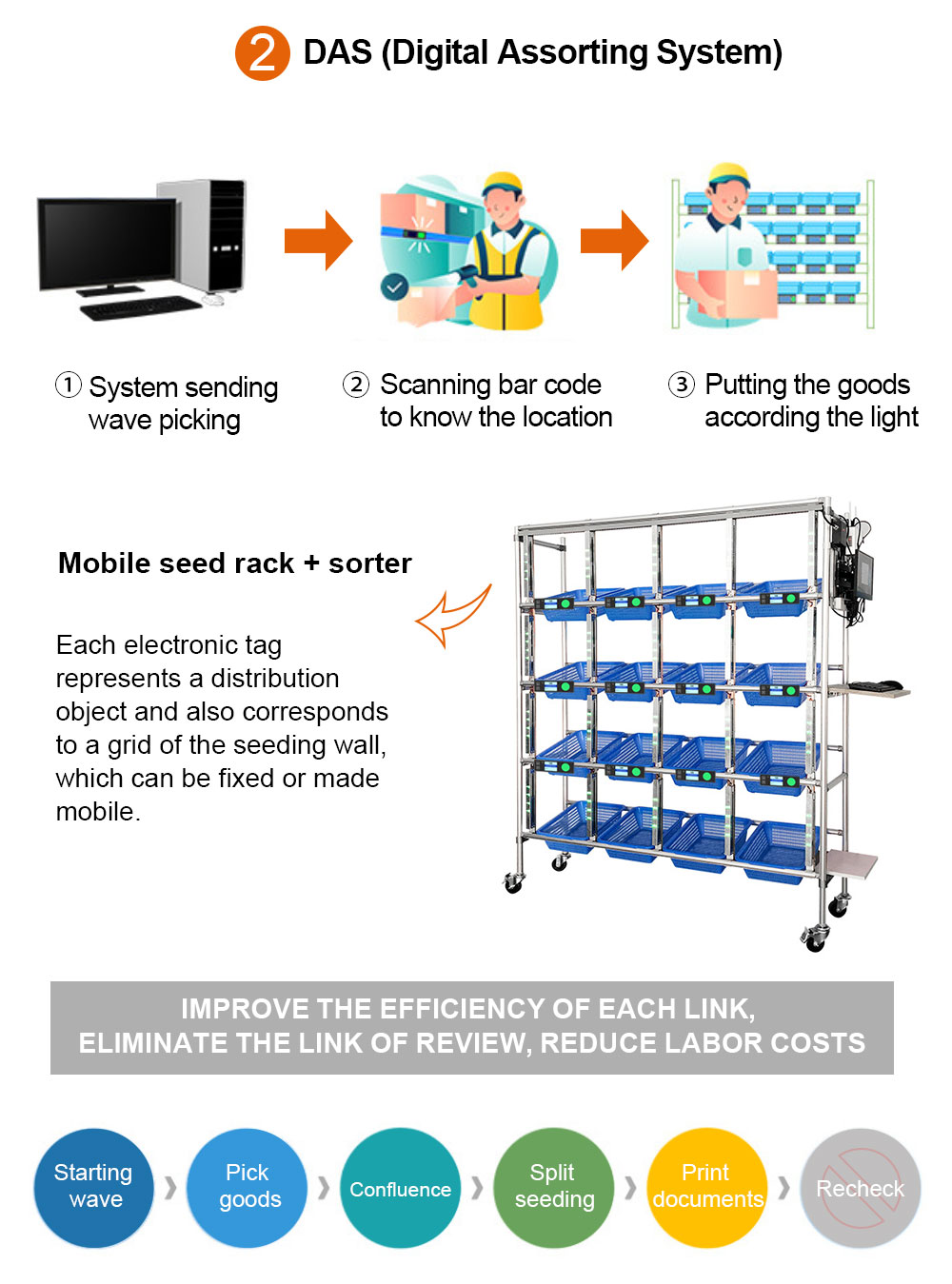
DAS (Digital Assorting System)
Each label represents an order customer or a distribution object. Taking out the total quantity of the ordered goods first, and scanning the good's bar code to light up the according PTL label. The distributor can match the goods to the cargo space corresponding to the light or digital display of the PTL label. Put to light wall can be divided into fixed type or mobile type.
Product Gallery
Frequently Asked Questions (FAQ)
Q1: What is a light strip put wall and how does it benefit e-commerce warehousing?
A: A light strip put wall is an intelligent electronic device used in secondary sorting of e-commerce warehousing. It automatedly helps in sorting and packaging goods, significantly improving delivery efficiency while reducing dependencies on personnel and lowering operational costs.
Q2: What dimensions and weight ranges does the Light Strip Put Wall support?
A: It supports cell dimensions of 250*300*200 mm, holds a weight range of 10g to 5kg, and operates with a time effect handling capacity of up to 1500 pieces. RFID identification mode is supported, and the configuration can be customized.
Q3: What is the main difference between DPS and DAS systems?
A: DPS (Digital Picking System) assigns an electronic label for each product type. The system lights up the respective product location to guide pickers in picking items out according to the order. DAS (Digital Assorting System) assigns labels to orders or customers; sorting operators scan a barcode, and light indicators show where to allocate the item on the put wall.
Q4: How does the system framework allow customization?
A: The system provides a secondary development SDK for control over the driving hardware. It uses the web socket protocol and JSON formatting for data transmissions, allowing operators to fully customize their own picking workflows.
Q5: What elements make up the system architecture of this warehouse solution?
A: The architecture includes a data source (WMS, ERP, or MIS), a control PC, network switches, an Intelligent BUS controller, alarm lights, multi-function labels, and electronic tags to display quantities and locations.
Q6: How does the system help reduce operational errors?
A: The system guides warehousing staff visually using bright lights, colors, and clear digital displays. This helps warehouse personnel quickly identify exactly where to pick or place items, which greatly reduces retrieval and sorting errors.
 JK Logistics