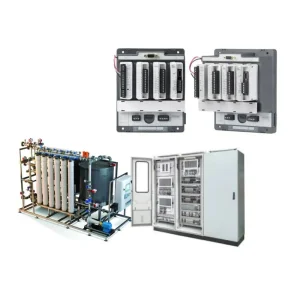
Premium measurement and handling technologies customized for Denmark's strict regulatory framework and high operational standards.
Denmark has consistently positioned itself at the vanguard of the European transition to Industry 4.0, combining highly automated production lines with rigorous green mandates. In a market where labor costs are high and environmental policies are stringent, Danish manufacturers are forced to optimize every fraction of their internal supply chains. Material Flow Management Systems (MFMS) are no longer viewed as optional handling mechanisms; they are the core nervous system of modern industrial facilities, waste-to-energy plants, breweries, and pharmaceutical distribution networks across Denmark.
From the wind turbine ports of Esbjerg to the food processing plants in Jutland, the Danish industrial sector requires high-accuracy monitoring and zero-loss conveyor operations. The implementation of intelligent material flow controls allows companies to achieve two vital parameters: maximizing throughput and reducing operational energy consumption. This shift is deeply connected to Denmark's national strategy for digital growth and green transition, creating a high demand for systems that feature embedded intelligence, real-time diagnostic reporting, and low carbon footprints.
Danish facilities require material flow components to handle variable biomass fuels, recycle process water, and manage organic waste. Flow metering and automated logistics must align with strict resource-efficiency targets.
Reducing human intervention in hazardous or high-speed sorting locations. Systems utilize advanced PLC programming (such as Siemens TIA Portal or Beckhoff TwinCAT, widely utilized in Denmark) to control complex conveyor configurations.
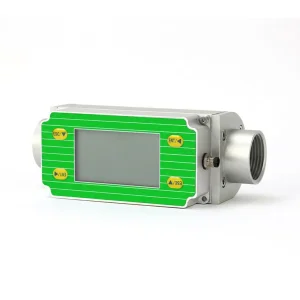
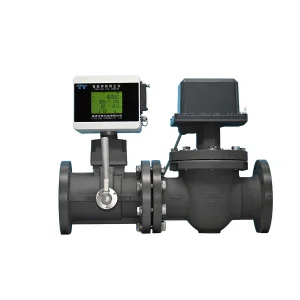
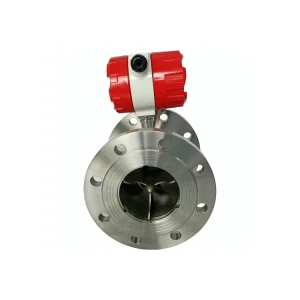
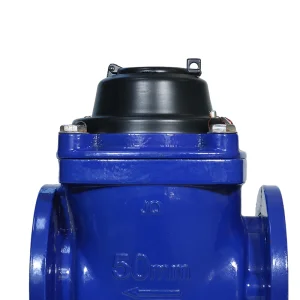
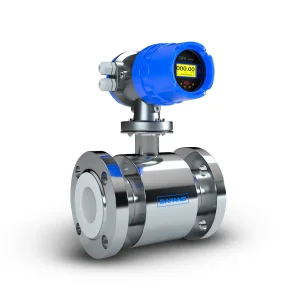
Danish tax structures on carbon emissions and water usage require exact metering. Turbine and electromagnetic meters must feature custody-transfer level accuracy (+/-0.5% or better) with direct fieldbus communication.
Compliance with DS/EN safety guidelines, ATEX certifications for dust/gas explosive environments, and the European Union's Measuring Instruments Directive (MID) is a baseline requirement for Danish operations.
Key metrics driving global supply chains and the Danish local market toward automated intralogistics systems.
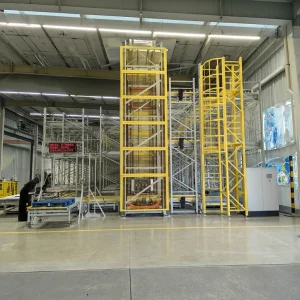
Globally, supply chains face intense friction caused by fluctuating consumer demands, maritime disruptions, and resource scarcity. The response is a widespread transition from manual warehouses to fully integrated Automated Storage and Retrieval Systems (AS/RS). In Denmark, this trend manifests in highly customized regional hubs. Rather than massive, sprawling footprints, Danish companies tend to build space-optimized, highly technical distribution networks situated near major hubs like Copenhagen, Aarhus, and Odense.
Moreover, the Danish market demands that flow data is not siloed. Flow rates of liquids, gases, and physical goods must feed back to central ERP systems via unified APIs. The synchronization between field level hardware (flow meters, conveyor sensors) and the cloud-based warehouse management software (WMS) is the core battleground for efficiency gains.
Translating advanced material flow concepts into functional applications across Denmark's key industrial sectors.
Denmark is a global leader in biomass energy conversion. Large agricultural installations in Jylland rely heavily on customized bulk handling systems to feed organic matter to digesters. Simultaneously, high-precision digital flow meters monitor the resulting biogas production. The combination of explosion-proof (ATEX) bulk material feed control and stainless steel biogas flow metering allows operators to run maximum-efficiency loops with minimal emission leakage risks.
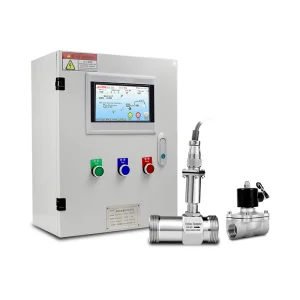
Danish liquid food and beverage giants (such as Carlsberg or Arla) require hygienic, automated pipe-flow management. Electromagnetic and turbine flowmeters with food-grade stainless steel casings measure water intake, batch mixing, and cleaning-in-place (CIP) chemicals. The synchronization of these sensors with PLC-controlled batch controllers minimizes product waste and ensures absolute compliance with international food hygiene guidelines (FDA, EHEDG).
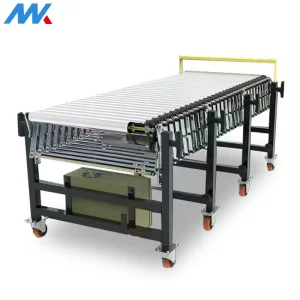
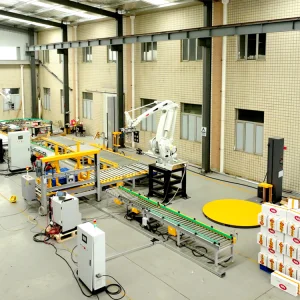
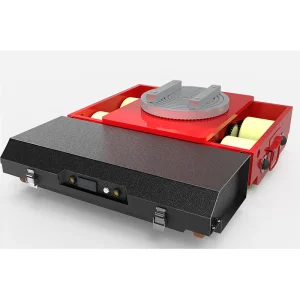
Danish retailers and institutional bodies utilize advanced conveyor setups to handle diverse packaging sizes. From automated sorting lines to intelligent book library logistics, sorting speed and parcel track-and-trace are crucial. Integrating smart rollers and high-load conveying layouts reduces transit times inside distribution hubs, allowing next-day delivery across the main Danish islands.
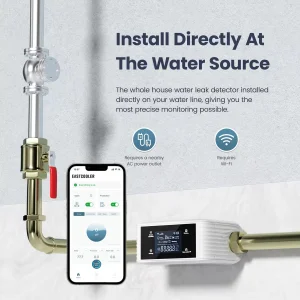
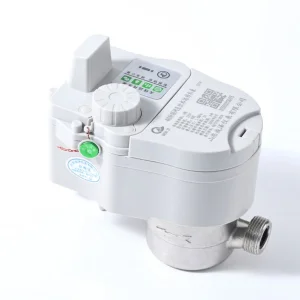
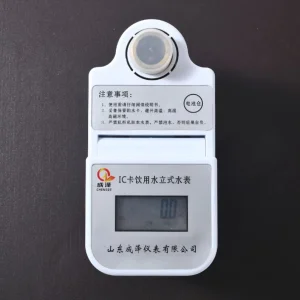
Danish municipalities (Kommune) enforce extremely tight controls on urban water losses. IoT-enabled water flow meters with LoRaWAN or cellular connectivity allow water utility companies to detect leaks dynamically. Operating with IP68 ratings and built-in prepayment systems, these meters facilitate modern, grid-wide flow control that matches the country's smart city initiatives.
Integrating wireless networks and smart sensors into local industrial telemetry grids.
Operational technology in Denmark must anticipate upcoming environmental and data transparency regulations. The integration roadmap for material flow systems hinges on two critical vectors: safety and telemetry. For plants managing volatile materials (such as waste-to-energy processes or specialized gas measurement), ATEX compliance ensures the protection of both the workforce and physical assets. All electrical instrumentation, including display flow meters and PLC enclosures, must meet localized explosive-atmosphere certifications.
Simultaneously, the digital transition requires devices to speak standard open protocols. Industrial structures are moving away from proprietary legacy systems to OPC UA, Modbus TCP/IP, and EtherCAT architectures. This enables seamless connection between the field sensors and higher-level SCADA configurations. Furthermore, as green regulations mandate rigorous reporting of lifecycle resource usage, flow data is directly fed into Corporate Sustainability Reporting Directive (CSRD) databases. Our systems are engineered to facilitate this level of data export, ensuring that Danish exporters remain compliant with the latest EU-wide sustainability mandates.
Your global partner for advanced warehouse conveyor systems and integrated material flow management.
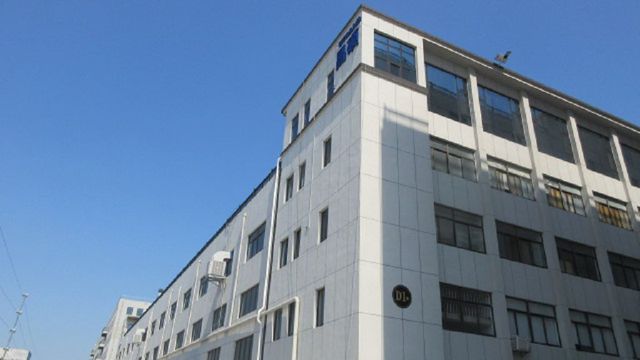
Shenzhen JK Logistics Co., Ltd. is a professional Warehouse Conveyor Systems Manufacturer specializing in material handling, sorting systems, and logistics automation solutions for modern warehouses, distribution centers, and industrial facilities. Based in Shenzhen, China, the company focuses on the development and production of intelligent automation equipment designed to improve operational efficiency, optimize material flow, and support the growing demands of global supply chains.
With extensive experience in warehouse and logistics automation, JK Logistics provides integrated solutions covering material handling systems, warehouse conveying equipment, automated sorting technologies, order fulfillment automation, pallet handling solutions, distribution center infrastructure, and smart logistics integration. These solutions are widely used in e-commerce fulfillment centers, retail distribution networks, third-party logistics operations, manufacturing facilities, and parcel processing hubs.
The company is committed to delivering reliable, scalable, and customized automation solutions that address the challenges of modern warehousing. Its engineering team collaborates closely with customers to analyze operational requirements, warehouse layouts, throughput objectives, and future expansion plans. By combining automation technology with practical logistics expertise, JK Logistics develops systems that improve productivity, reduce manual handling, enhance accuracy, and streamline warehouse operations.
Equipped with advanced manufacturing capabilities and comprehensive quality management processes, the company maintains strict standards throughout design, production, testing, and installation. Continuous investment in research and development enables JK Logistics to incorporate intelligent control technologies, data-driven automation, and flexible system integration into its solutions.
Serving customers across Asia, Europe, North America, South America, the Middle East, and other international markets, Shenzhen JK Logistics Co., Ltd. is dedicated to providing efficient warehouse conveyor systems and logistics automation solutions that help businesses improve operational performance, increase supply chain efficiency, and adapt to the evolving requirements of modern distribution and fulfillment environments.
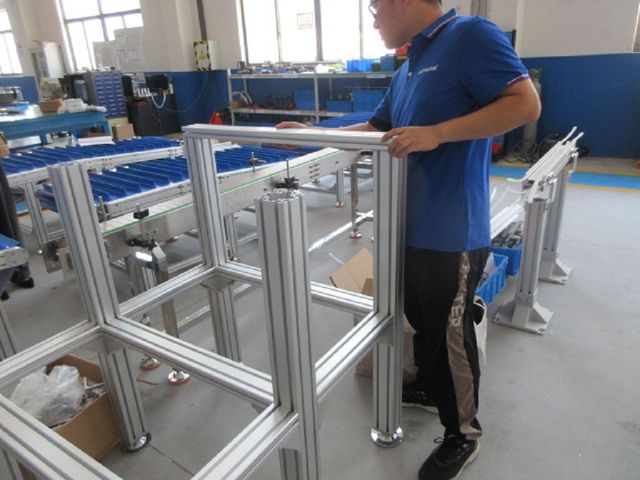
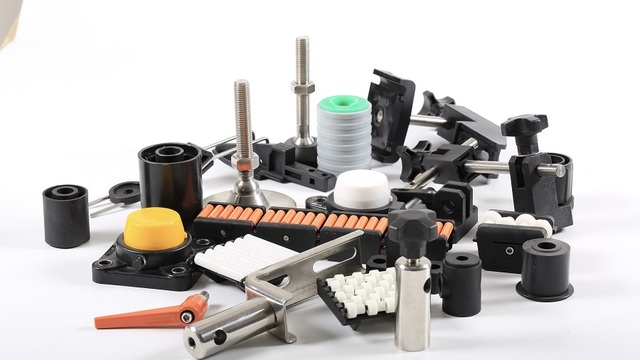
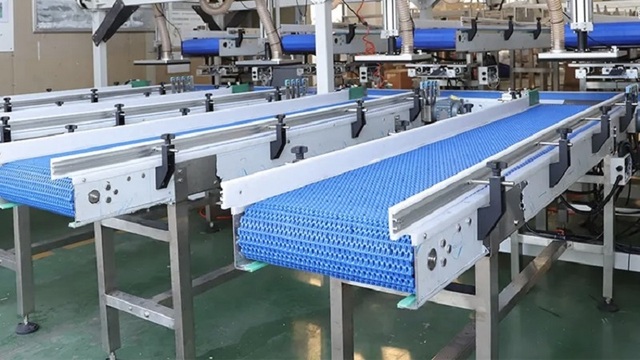
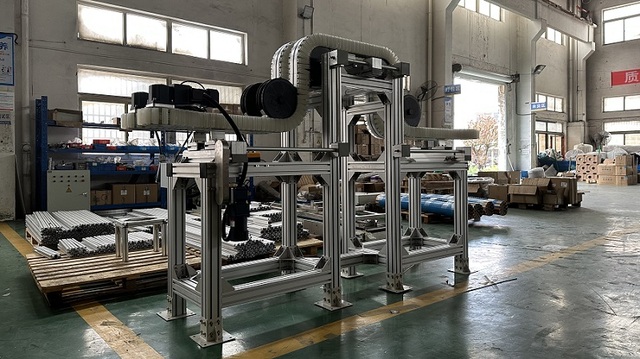
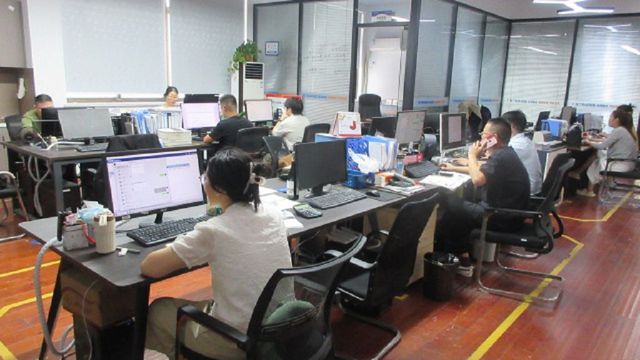
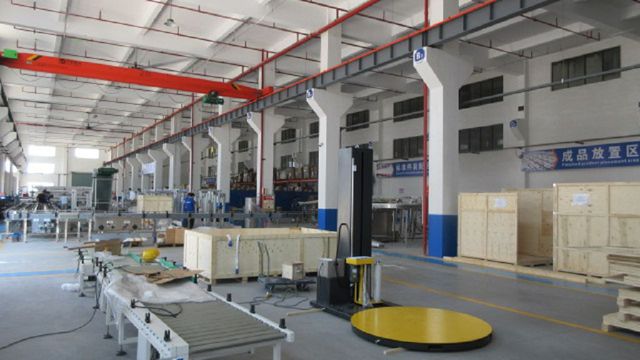
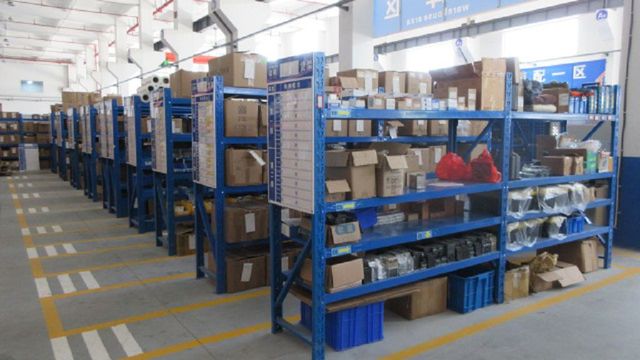
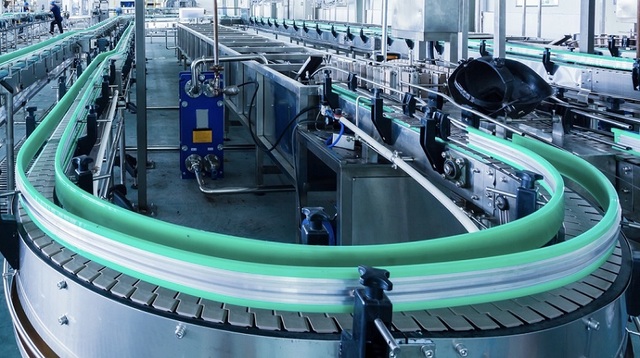
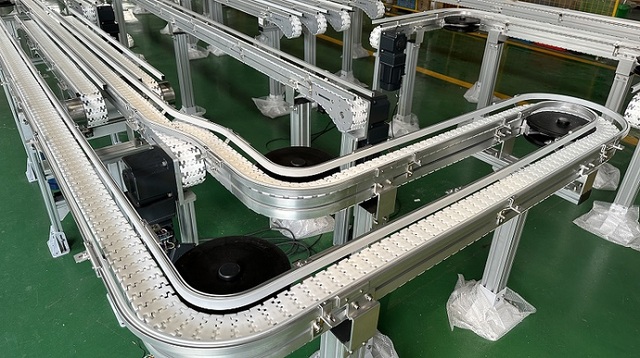
Comprehensive portfolio of high-performance meters, control systems, and automated handling machinery.
Expert answers regarding compliance, design parameters, and integration of material flow systems in Denmark.
 JK Logistics