JK Logistics
Lesotho's Industrial Evolution: The Need for Advanced Supply Chain Automation
The Kingdom of Lesotho, strategically positioned within Southern Africa and integrated closely with the South African economy, is experiencing a steady structural shift towards modern industrialization. Historically driven by garment exports under the African Growth and Opportunity Act (AGOA) and mining activities, Lesotho’s industrial parks—such as those in Maseru, Maputsoe, and Thetsane—are facing crucial bottlenecks in manufacturing cycle times, logistics coordination, and cross-border transport optimization. To preserve its competitive advantage and transition toward higher-value manufacturing, the implementation of localized automated supply chain equipment is no longer an optional upgrade, but a core strategic imperative.
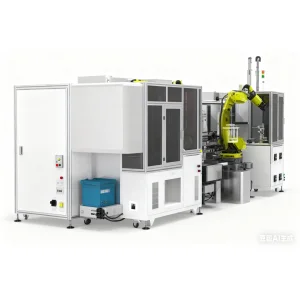
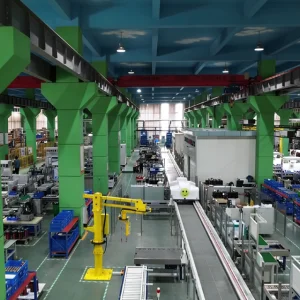
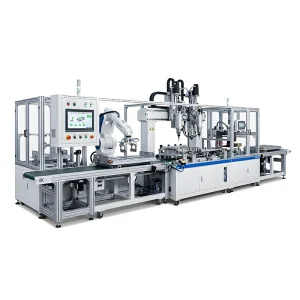
For Lesotho’s factories, importing raw materials and exporting finished goods require absolute synchronization with logistics networks linking back to South Africa's Durban Port. High lead times and rising labor overheads demand internal efficiency. By implementing intelligent material handling systems, multi-axis automated lines, and custom conveyor systems, manufacturers can mitigate floor space limitations, eradicate sorting errors, and establish resilient workflows that operate seamlessly despite fluctuating workforce dynamics.
Transitioning from Manual Labor to Hybrid Automation
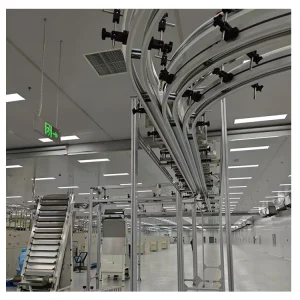
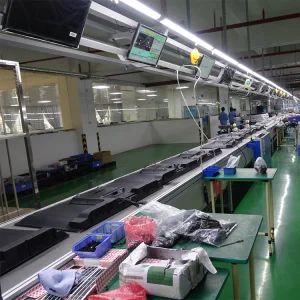
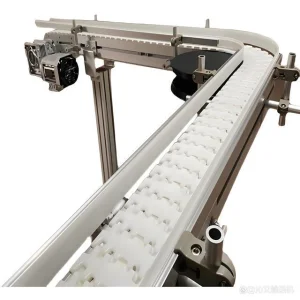
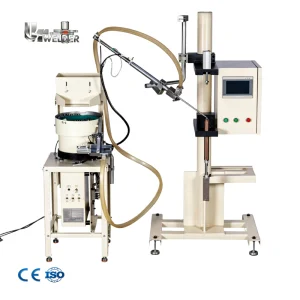
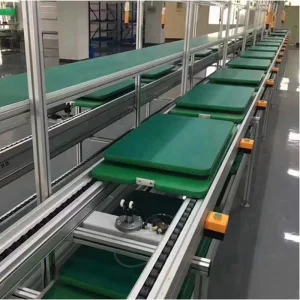
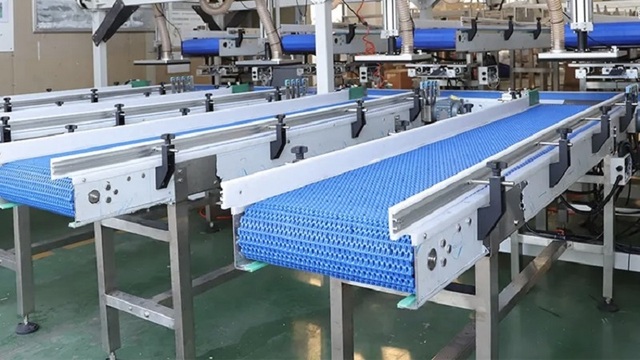
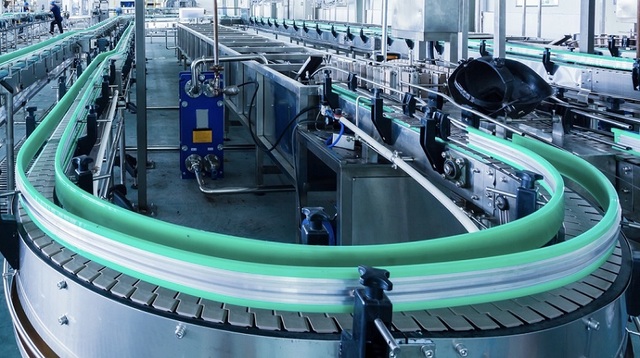
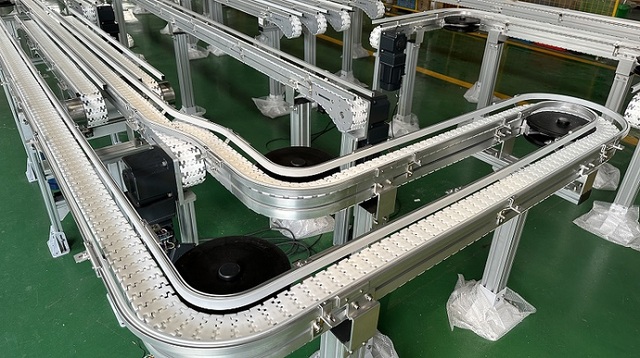
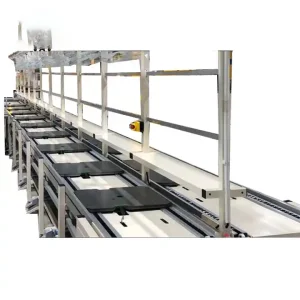
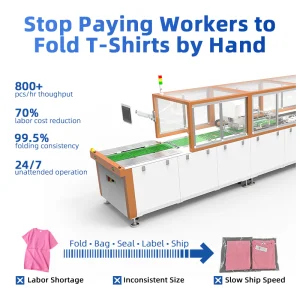
While Lesotho boasts a dedicated workforce, manual material handling introduces structural inconsistencies and limits maximum daily throughput. A hybrid automation roadmap, focusing on critical bottleneck operations like garment sorting, precision part routing, and automated packaging feeder systems, represents the most realistic, high-ROI approach for local operators. By introducing heavy-duty and light flexible chain conveyors alongside PLC-controlled automated sorting lines, factories can scale their output capacity while retaining specialized labor for high-skill final inspection and assembly tasks.
Infrastructure Challenges & Power Resilience in Lesotho
One of the persistent challenges faced by factory managers in Lesotho is power fluctuation. When planning supply chain automation, systems must be built with structural power resilience. Our equipment utilizes energy-efficient Variable Frequency Drives (VFDs) and PLC motors that support automated soft-start features, protecting components against sudden voltage spikes. Furthermore, backup power configurations and modular mechanical designs ensure that conveyor lines can easily integrate with auxiliary generator grids without losing sensor-calibration data.