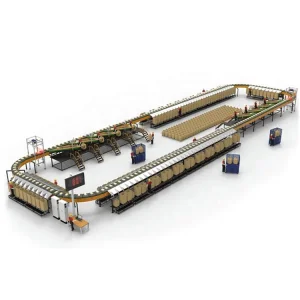
Engineered to integrate seamlessly with intelligent Warehouse Control Systems (WCS) for high-efficiency intralogistics.
In the hierarchy of intralogistics execution, the Warehouse Control Software (WCS) acts as the central nervous system. Positioned directly between enterprise-level applications—such as Warehouse Management Systems (WMS) or Enterprise Resource Planning (ERP) databases—and the physical hardware running on the floor, WCS orchestrates real-time routing logic, dynamic load balancing, and direct equipment handshake commands.
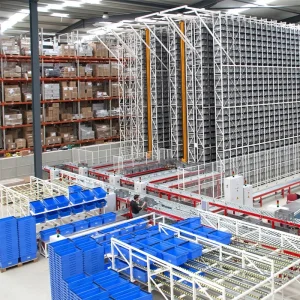
For operations utilizing modern high-speed conveyors, automated storage and retrieval systems (ASRS), and autonomous mobile robots (AMRs), a generic execution layer is insufficient. The software must interface seamlessly with Programmable Logic Controllers (PLCs) via industrial communication protocols like OPC UA, Modbus, and Profinet. It is not just about routing cartons; it is about microseconds of execution safety, predictive pathing, and maintaining continuous flow to prevent gridlocks at critical merging zones.
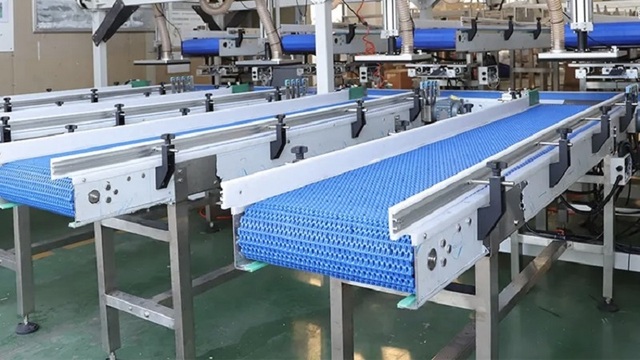
Shenzhen JK Logistics Co., Ltd., as a professional Warehouse Conveyor Systems Manufacturer, bridges the gap between hardware precision and intelligent software orchestration. Specializing in material handling, sorting systems, and global automation setups, JK Logistics designs integrated systems where the WCS and PLC layers are tightly coupled to deliver unmatched reliability, maximize throughput, and reduce localized system latency.
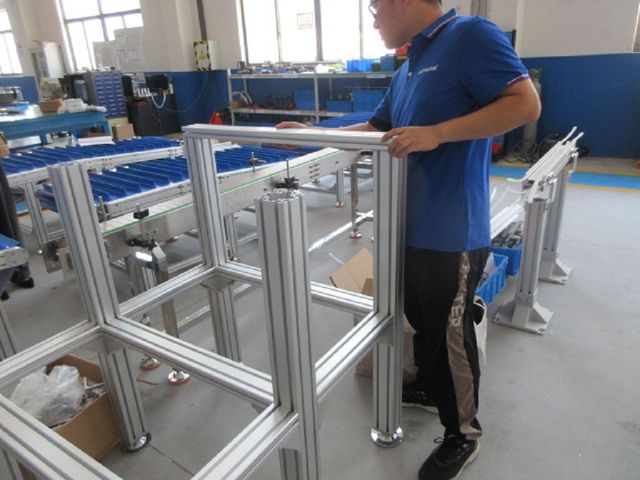
Procuring software-hardware integrated setups from Chinese factories yields unprecedented cost efficiencies, customization capabilities, and integration speeds.
Unlike Western systems integrators who source hardware and software from fragmented vendor lists, leading Shenzhen manufacturers design, machine, assemble, and program the electrical control panels and WCS engines in-house, minimizing integration friction.
Shenzhen's industrial clusters enable rapid mechanical and electrical design prototyping. Modifying a PLC logic layout or integrating custom WCS API payloads for a client's legacy ERP takes days rather than the months typically quoted by traditional integrators.
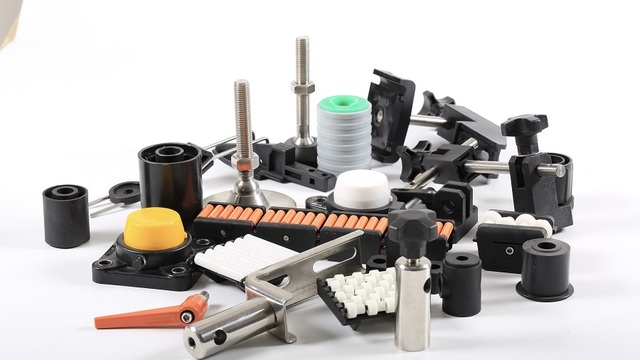
By utilizing localized manufacturing ecosystems for steel frames, high-precision rollers, energy-efficient motors, and combining them with cost-effective engineering talent, global buyers can deploy advanced systems at a fraction of local market costs.

Global procurement introduces complex regulatory requirements. Importing intelligent material handling systems into North America or Europe demands rigorous alignment with electrical, safety, and data security mandates.
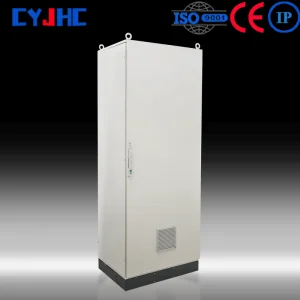
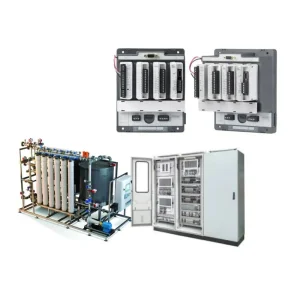
Compliance Frameworks: Our hardware components and distribution control systems are designed in strict accordance with CE, UL, and CSA standards. Electrical panels are built in certified facilities utilizing components from trusted global brands like Schneider, Siemens, and Omron to ensure ease of replacement and local safety code validation.
Data Governance and Security: Modern WCS systems interface directly with corporate intranets. We adhere strictly to localized data security requirements. For deployments within the EU, WCS databases can be configured on-premise or hosted via GDPR-compliant cloud nodes, preventing unauthorized external telemetry and ensuring data remains under the local operator's sovereign control.
Global Support Infrastructure: We address the challenge of timezone variations and language barriers by providing:
Explore the emerging technologies shifting WCS from reactive routing engines to proactive, AI-driven operational coordinators.
Pushing decision-making algorithms directly to the conveyor edge. This reduces reliance on central servers, ensuring high-speed sorters operate with zero latency even during peak periods.
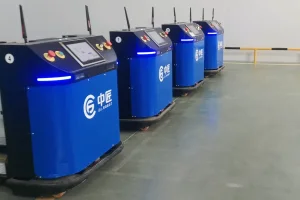
Modern software platforms integrate diverse mobile assets—coordinating AMRs, high-speed loop sorters, and traditional multi-level shuttle systems under a unified material flow system.
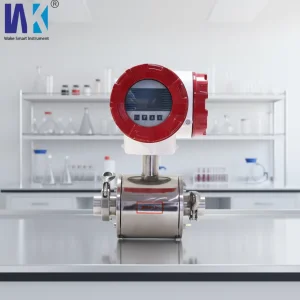
By utilizing continuous vibration and temperature sensor data integrated via OPC UA, WCS software notifies maintenance teams of roller or motor failure risks days before downtime occurs.
Cloud interfaces handle analytics and performance tracking, while local edge servers execute conveyor routing commands. This hybrid setup guarantees operations run offline if connection fails.
Every industrial sector has unique throughput constraints, storage profiles, and regulatory compliance paths. Tailored software and hardware configurations address specific processing needs across distinct environments:
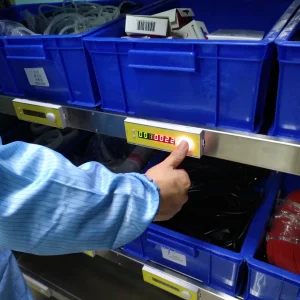
E-commerce demands extreme order sorting capabilities. WCS systems coordinate wireless Pick-to-Light (PTL) arrays and digital parcel sorting put-walls. By dynamic routing of totes along high-speed belt conveyors, sorting lanes remain balanced, ensuring high order accuracy during promotional spikes.
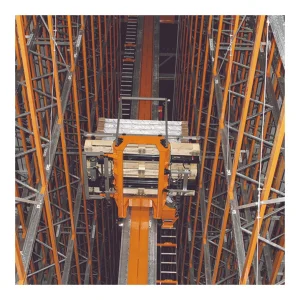
In temperature-controlled environments, minimizing human occupancy is vital for safety and energy conservation. WCS controls heavy-load automatic storage retrieval systems, utilizing advanced storage algorithms to handle inventory rotation on a FIFO (First-In, First-Out) basis without requiring manual inventory checks.
In manufacturing settings, material handling requires heavy pallet conveyors and double-speed chain lines. Here, WCS interfaces directly with production scheduling software (MES) to deliver components to robotic welding cells or manual assembly zones just-in-time, reducing localized work-in-progress inventory.
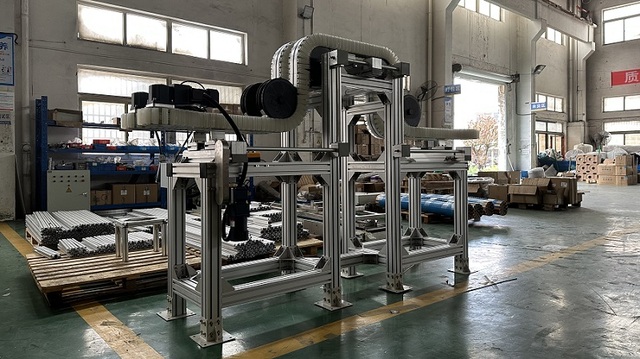
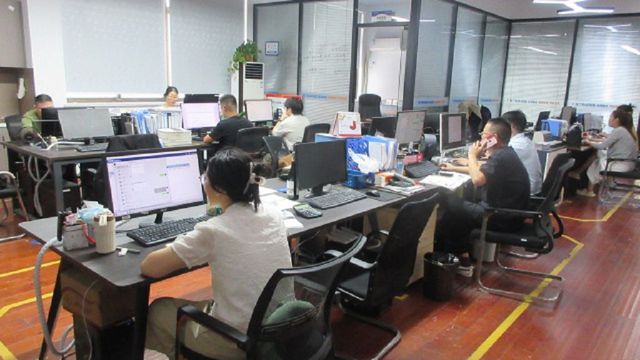
How Shenzhen JK Logistics Co., Ltd. builds robust, globally compatible hardware and software systems.
Our solutions support industry-standard interfaces to communicate with both high-level IT infrastructures and low-level physical sensors. This eliminates the need for proprietary middleware adapters.
Our physical systems are designed to match top international specifications, ensuring durability and lowering the Total Cost of Ownership (TCO).
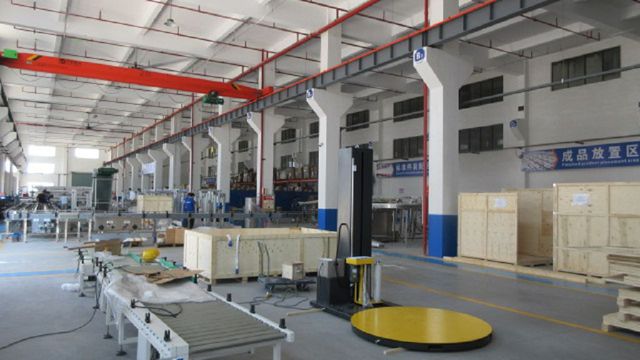
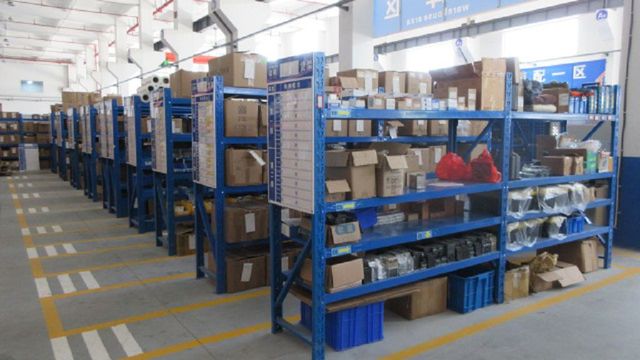
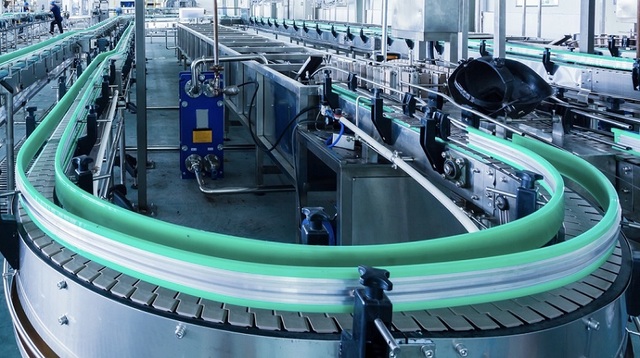
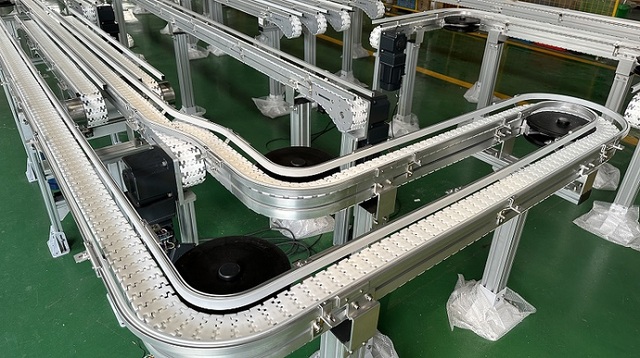
Inside Shenzhen JK Logistics Co., Ltd.: Manufacturing excellence, advanced assembly, and system validation.
Answers to key integration, compliance, and procurement questions for global operations directors.
Engineered by Shenzhen JK Logistics Co., Ltd. for seamless warehouse scaling and advanced material handling control.
 JK Logistics