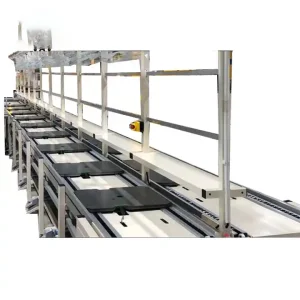
Explore our top industrial automated materials handling, transport robotics, and sorting technologies driving climate-controlled facilities.
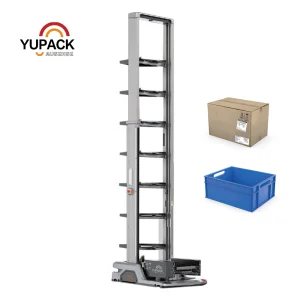
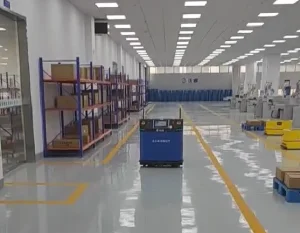
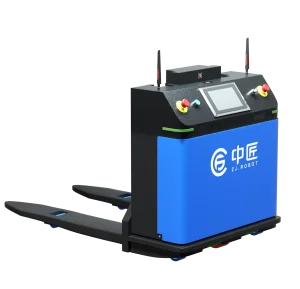
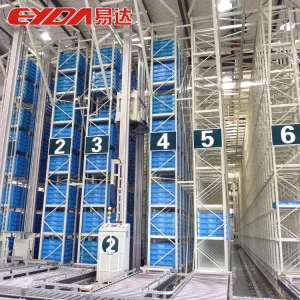
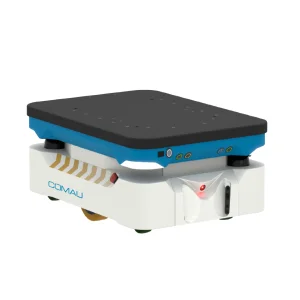
E-commerce Fulfillment Center Advanced Tote Shuttle AMR Robot Automated Bin Handling System
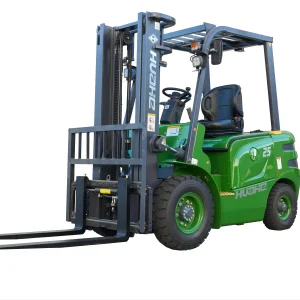
2026 New Energy Forklift 2.5 Ton Full Electric Forklift Truck Lithium Battery All Terrain Forklift
In an increasingly interconnected global economy, the storage and transport of sensitive commodities require unparalleled environmental stability. Climate-controlled warehousing has transitioned from a niche requirement to a macro-supply chain imperative. Industries ranging from biotechnology, biopharmaceuticals, and high-capacity lithium-ion battery production to precision aerospace components and advanced electronics demand precise management of thermal profiles and relative humidity (RH).
Unlike standard cold storage, climate-controlled warehousing mandates the simultaneous, active regulation of temperature, humidity, airflow metrics, and air particulate filtration. Fluctuations in relative humidity can precipitate corrosion in electronic micro-junctions, cause organic chemical decomposition, or alter the physical characteristics of powder-based industrial materials. Implementing a robust, automated climate envelope prevents product degradation, ensures strict regulatory compliance (such as FDA, GMP, and ISO standards), and protects high-value capital assets from micro-environmental shock.
Off-the-shelf logistics equipment frequently fails under the operational strain of high-precision environmental control. Original Equipment Manufacturer (OEM) customization is fundamental when deploying Automated Storage and Retrieval Systems (ASRS), autonomous mobile robots (AMRs), and conveying networks in temperature-sensitive facilities. An OEM approach ensures that all mechanical drives, electronic control modules, and physical structural components are engineered to withstand specific atmospheric parameters—whether that means continuous sub-zero Arctic zones (-25°C to -40°C) or highly regulated pharmaceutical environments (15°C to 25°C, 50% RH).
Partnering with an OEM supplier like Shenzhen JK Logistics Co., Ltd. allows enterprises to co-develop system-level solutions. This involves designing specific structural components, such as low-contraction stainless steel racking systems, specialized thermal barrier seals, and high-frequency communication pathways that guarantee automated performance in complex insulated environments.
China's manufacturing sector has undergone a profound structural shift from high-volume assembly to high-precision engineering and R&D. In the domain of logistics automation and climate-controlled warehousing infrastructure, Chinese manufacturers—centered in high-tech clusters like Shenzhen—deliver a unique combination of raw material access, comprehensive engineering ecosystems, and rapid design-to-prototype life cycles.
Shenzhen JK Logistics Co., Ltd. sits at the heart of the world’s most concentrated hardware and electronics cluster. This spatial proximity to high-capacity lithium battery fabricators, advanced sensor developers, CNC precision machining firms, and silicon processing plants permits exceptionally fast product development cycles. What takes months in other regions can be designed, prototyped, tested, and iterated in weeks.
The global shift towards clean energy has driven massive domestic innovations in lithium-iron-phosphate (LFP) and solid-state battery chemistry. This translates to an unparalleled advantage when developing heavy-duty equipment like electric all-terrain forklifts, dynamic AMRs, and high-speed ASRS shuttles. By directly integrating advanced domestic battery management systems (BMS) with thermal pre-heating blankets, Chinese-manufactured materials handling equipment operates reliably in low-temperature cold storage environments where typical off-the-shelf robotics fail due to voltage drops and battery drain.
Modern distribution demands vertical, space-efficient warehousing designed to operate in controlled atmospheres. The following structural pillars outline how modern suppliers configure macro-solutions:
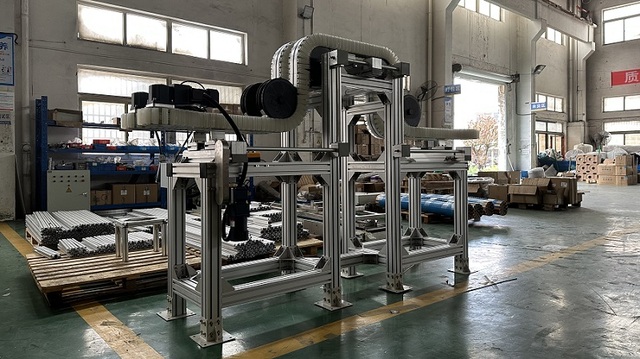
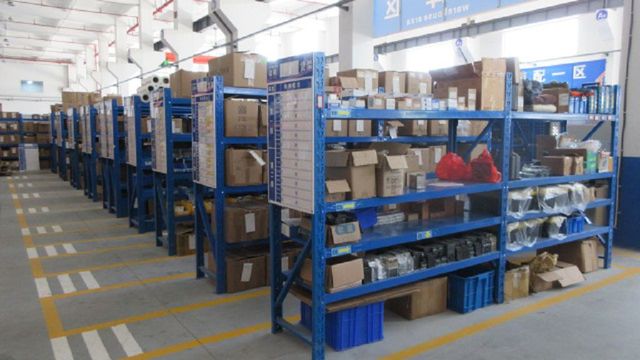
High-bay ASRS configurations utilize automated cranes, shuttles, and customized structural steel racking. In climate-controlled configurations, the structure itself must handle physical stress from thermal contraction. Our systems incorporate custom alloys and slide-joints to maintain physical tolerances down to the millimeter, preventing racking misalignment and shuttle jams.
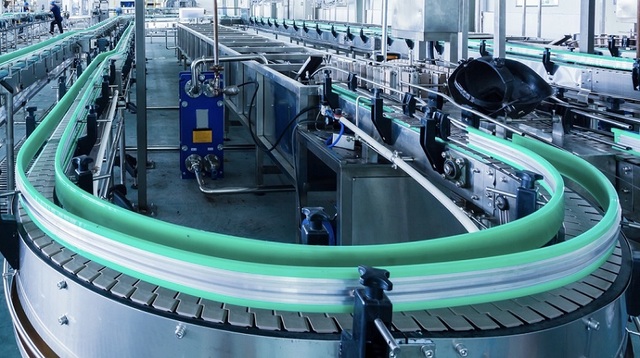
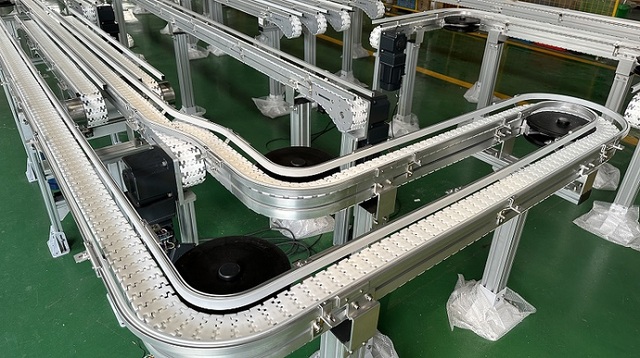
Control architectures are the backbone of smart warehouses. Deploying hardware like Ethernet Modbus TCP 8-channel digital output modules enables real-time interaction between software (WMS/WCS) and physical components. This lets operators dynamically cycle climate zones, isolate areas based on inventory type, and monitor environmental anomalies instantly.
Instead of heating or cooling a massive multi-thousand-square-meter facility uniformly, smart layouts utilize thermal barriers and localized airflow hoods. This dynamic zoning concentrates thermal control strictly around temperature-critical inventory zones, generating significant energy savings.
International procurement teams seeking partnerships with Chinese automation factories follow structured evaluation standards to ensure long-term operational success:
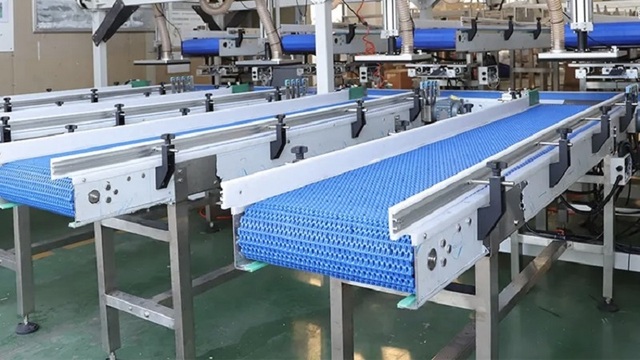
Shenzhen JK Logistics Co., Ltd. is a professional Warehouse Conveyor Systems Manufacturer specializing in material handling, sorting systems, and logistics automation solutions for modern warehouses, distribution centers, and industrial facilities. Based in Shenzhen, China, the company focuses on the development and production of intelligent automation equipment designed to improve operational efficiency, optimize material flow, and support the growing demands of global supply chains.
With extensive experience in warehouse and logistics automation, JK Logistics provides integrated solutions covering material handling systems, warehouse conveying equipment, automated sorting technologies, order fulfillment automation, pallet handling solutions, distribution center infrastructure, and smart logistics integration. These solutions are widely used in e-commerce fulfillment centers, retail distribution networks, third-party logistics operations, manufacturing facilities, and parcel processing hubs.
The company is committed to delivering reliable, scalable, and customized automation solutions that address the challenges of modern warehousing. Its engineering team collaborates closely with customers to analyze operational requirements, warehouse layouts, throughput objectives, and future expansion plans. By combining automation technology with practical logistics expertise, JK Logistics develops systems that improve productivity, reduce manual handling, enhance accuracy, and streamline warehouse operations.
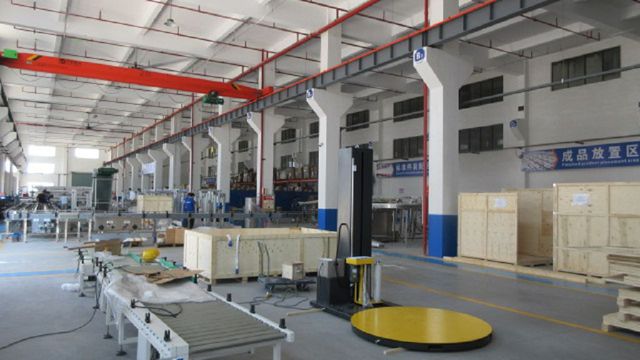
Equipped with advanced manufacturing capabilities and comprehensive quality management processes, the company maintains strict standards throughout design, production, testing, and installation. Continuous investment in research and development enables JK Logistics to incorporate intelligent control technologies, data-driven automation, and flexible system integration into its solutions.
Serving customers across Asia, Europe, North America, South America, the Middle East, and other international markets, Shenzhen JK Logistics Co., Ltd. is dedicated to providing efficient warehouse conveyor systems and logistics automation solutions that help businesses improve operational performance, increase supply chain efficiency, and adapt to the evolving requirements of modern distribution and fulfillment environments.
Industrial controllers, sorting machinery, specialized racking, and smart transport solutions for advanced logistics systems.
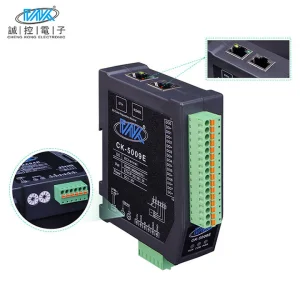
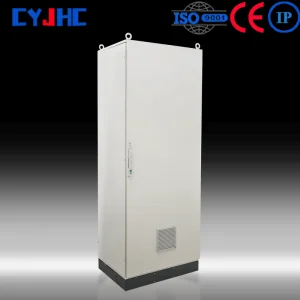
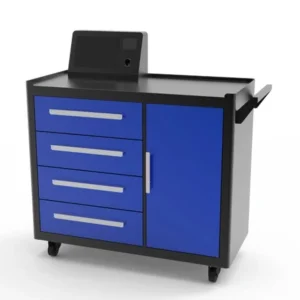
L HMS CE Certified Industrial Distribution Cabinet Factory Distribution And Automation Control
 JK Logistics