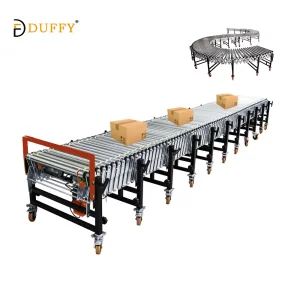
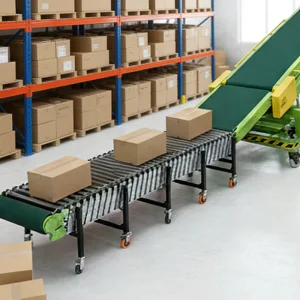
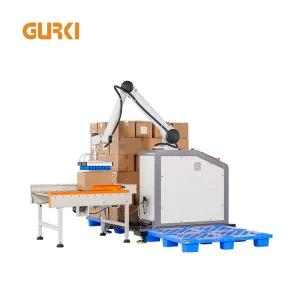
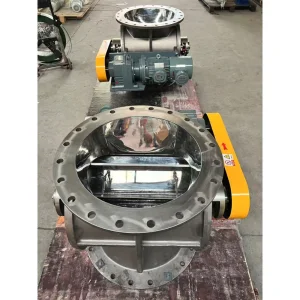
Modern supply chains are no longer purely mechanical structures. Today, the global material handling sector faces an unprecedented convergence of high-capacity physical conveyors and sophisticated digital intelligence. For distribution center operators, third-party logistics (3PL) organizations, and multinational industrial enterprises, real-time data analytics is the cornerstone of operational continuity.
Intelligent conveyors capture real-time diagnostics at the component level. Continuous tracking of belt velocity, motor temperature, vibration harmonics, and photo-eye alignments prevents minor discrepancies from morphing into system-wide shutdowns.
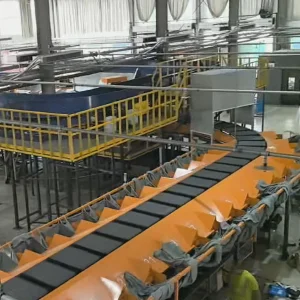
Data mining models process sorting velocity and parcel spacing instantly. Algorithms detect dynamic bottleneck thresholds in merging loops and adapt VFD (Variable Frequency Drive) speed patterns to prevent jams.
Our API architectures ensure that local machine execution logic syncs instantly with cloud-based Warehouse Management Systems (WMS), enabling seamless cargo routing across various logistics networks.
Shenzhen JK Logistics Co., Ltd. is a professional Warehouse Conveyor Systems Manufacturer specializing in material handling, sorting systems, and logistics automation solutions for modern warehouses, distribution centers, and industrial facilities. Based in Shenzhen, China, the company focuses on the development and production of intelligent automation equipment designed to improve operational efficiency, optimize material flow, and support the growing demands of global supply chains.
With extensive experience in warehouse and logistics automation, JK Logistics provides integrated solutions covering material handling systems, warehouse conveying equipment, automated sorting technologies, order fulfillment automation, pallet handling solutions, distribution center infrastructure, and smart logistics integration. These solutions are widely used in e-commerce fulfillment centers, retail distribution networks, third-party logistics operations, manufacturing facilities, and parcel processing hubs.
The company is committed to delivering reliable, scalable, and customized automation solutions that address the challenges of modern warehousing. Its engineering team collaborates closely with customers to analyze operational requirements, warehouse layouts, throughput objectives, and future expansion plans. By combining automation technology with practical logistics expertise, JK Logistics develops systems that improve productivity, reduce manual handling, enhance accuracy, and streamline warehouse operations.
Equipped with advanced manufacturing capabilities and comprehensive quality management processes, the company maintains strict standards throughout design, production, testing, and installation. Continuous investment in research and development enables JK Logistics to incorporate intelligent control technologies, data-driven automation, and flexible system integration into its solutions.
Serving customers across Asia, Europe, North America, South America, the Middle East, and other international markets, Shenzhen JK Logistics Co., Ltd. is dedicated to providing efficient warehouse conveyor systems and logistics automation solutions that help businesses improve operational performance, increase supply chain efficiency, and adapt to the evolving requirements of modern distribution and fulfillment environments.
The requirements of global warehousing networks vary significantly based on local constraints, order profiles, and environmental factors. Standard solutions often struggle to address the specific performance bottlenecks that modern distribution systems face. This makes custom OEM/ODM hardware design combined with bespoke telemetry essential for achieving optimal efficiency.
We build smart automation systems from the ground up. Our design and manufacturing process integrates sensor technologies, programmable logic controllers (PLCs), and edge data processing units directly into the physical structural frames of our material handling equipment.
Located in Shenzhen, China, our manufacturing facilities sit within one of the world's most advanced industrial automation and hardware ecosystems. This location provides several distinct advantages for our global clients:
Rapid Component Sourcing: The direct proximity to top-tier semiconductor hubs, steel mills, precision machining plants, and sensor suppliers allows us to source components quickly. This significantly shortens production timelines for custom orders compared to manufacturers in other regions.
High-Quality Material Engineering: Our proximity to advanced steel fabrication and surface treatment industries allows us to use high-grade structural alloys, wear-resistant polymer rollers, and durable powder coatings. This ensures our heavy-duty equipment handles demanding operations while maintaining long service lives.
Optimized Shipping Routes: Positioned adjacent to major global shipping networks, Shenzhen JK Logistics utilizes major deepwater terminals like Shenzhen and Hong Kong. This enables us to coordinate reliable, cost-effective container shipping to North America, Europe, South America, and Asia.
Logistics infrastructures operate under varied local regulations, facility footprints, and operational parameters:
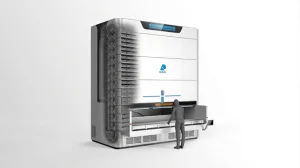
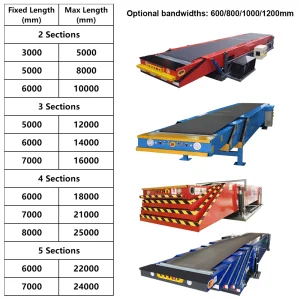
North America (US & Canada): Distribution centers in these regions often manage high volume processing, requiring heavy-duty, continuous-duty telescopic belt systems and vertical carousels. Systems must comply with strict ANSI/ASME safety regulations and UL/CSA electrical certification standards.
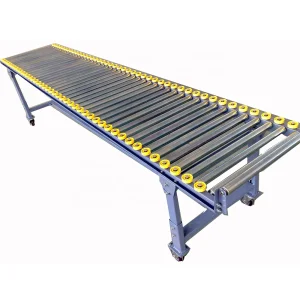
European Union: Operations in Europe prioritize space optimization and strict energy efficiency. This drives demand for modular, space-saving layouts, quiet-running gravity roller lines, and energy-efficient 24V DC motor driven rollers (MDR) that comply with CE directives and RoHS compliance standards.
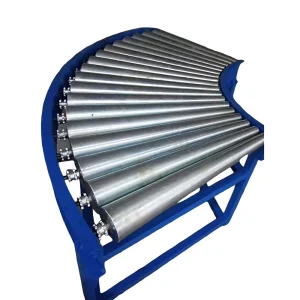
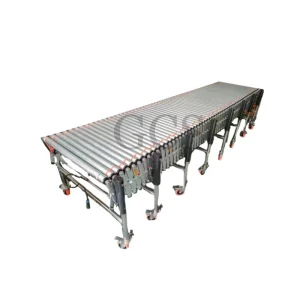
Southeast Asia & Middle East: These regions are experiencing rapid e-commerce growth. Facilities require scalable loop sorters and flexible roller conveyors that can handle diverse, non-standard packages while maintaining high sorting accuracy.
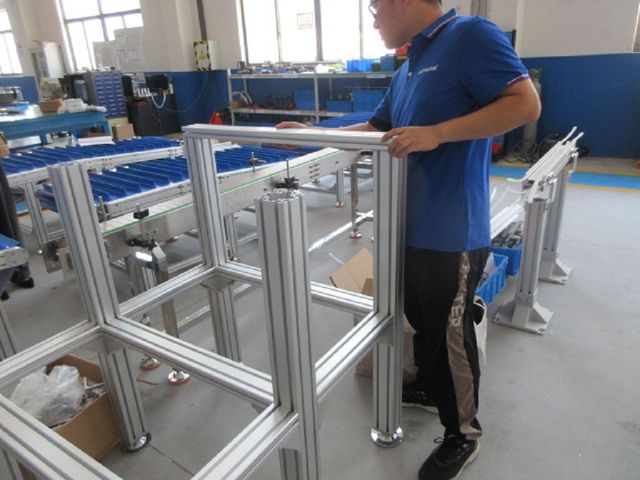
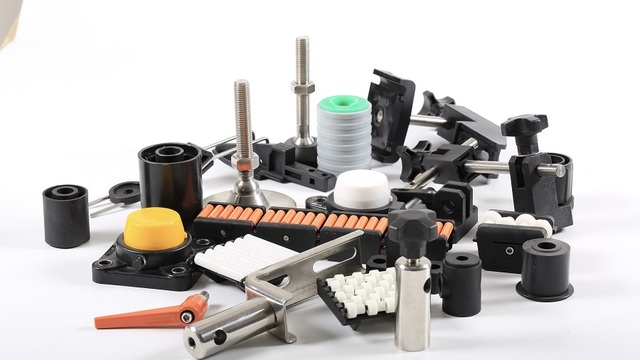
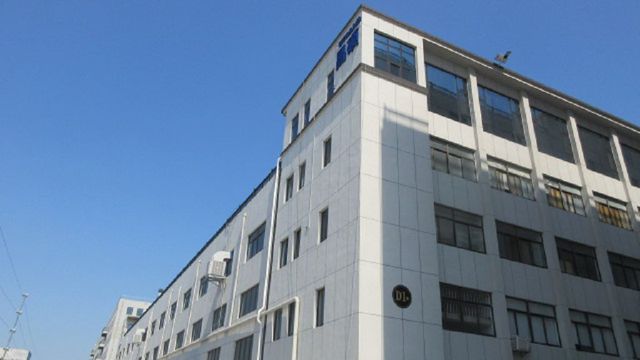
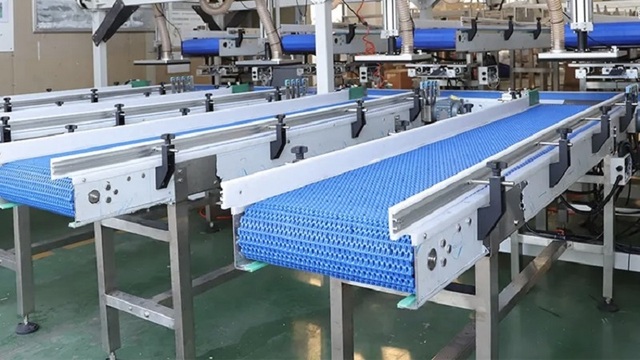
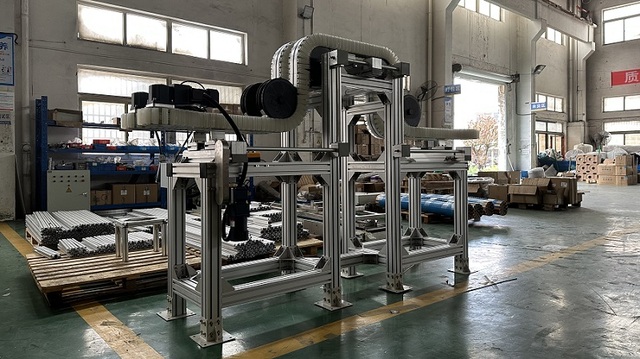
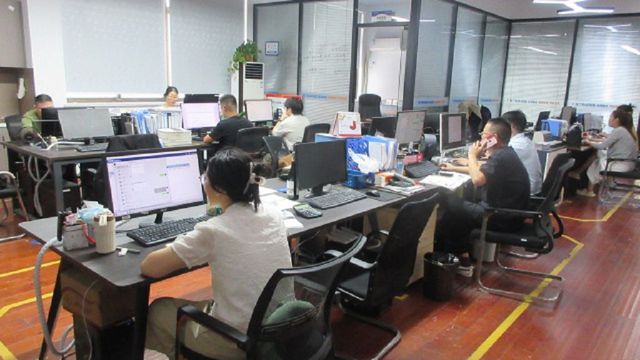
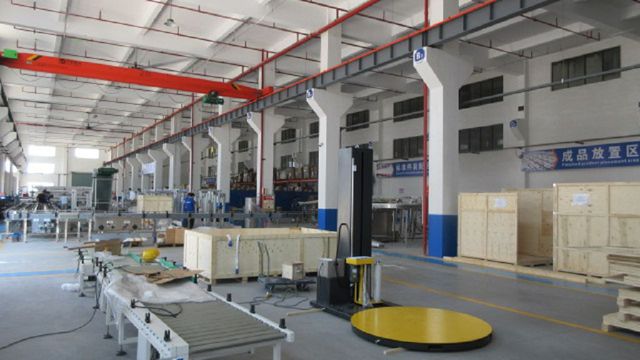
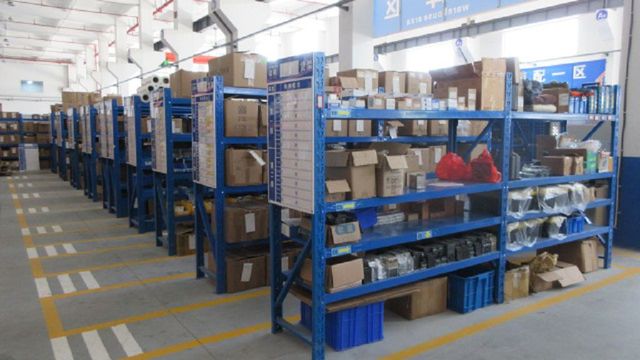
A visual overview of our manufacturing processes, testing setups, and engineering integration areas located in Shenzhen, China.
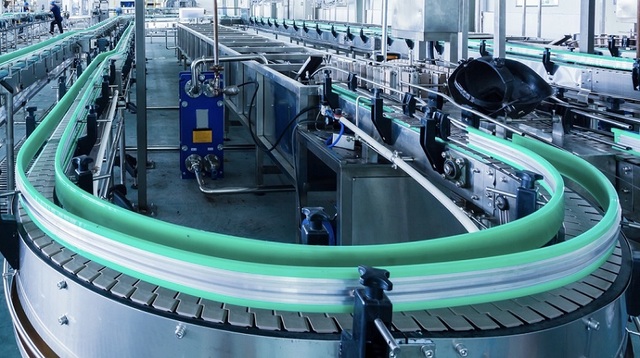
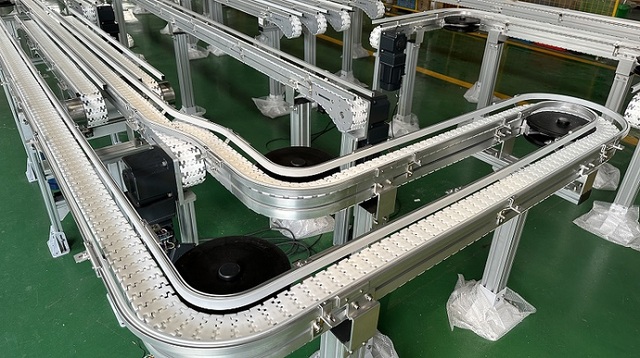
As global logistics volumes continue to grow, physical conveying systems must become more adaptable and integrated with digital monitoring. Below are the core technological trends shaping modern warehouse design:
Moving away from reactive maintenance, today's systems monitor continuous vibration data from primary bearings and gears. Advanced analysis tools forecast component wear, allowing operators to plan maintenance windows before a failure occurs.
Modern distribution facilities require modular equipment configurations. Standardized electrical interfaces and structural connections allow operators to quickly reconfigure conveyor layouts as throughput needs change.
Conveyor lines use zone-activation algorithms to save energy. Integrated sensors shut down idle conveyor zones when no parcels are detected, reducing power consumption and wear on drive systems.
When selecting an OEM/ODM manufacturing partner for warehouse conveyor hardware and material handling systems, procurement teams should evaluate potential partners on key operational criteria:
Detailed answers to common technical, design, and sourcing questions about smart warehouse conveyor installations.
By utilizing multi-axis vibration sensors and temperature probes mounted near motor gearboxes and high-stress drive pulleys, our systems capture baseline operating profiles. When vibration amplitudes or temperatures exceed pre-set limits, the edge processor flags the anomaly. This alerts maintenance teams before bearing failures or belt tears occur, shifting maintenance from reactive to predictive.
Our systems are compatible with Siemens Simatic S7 platforms and Allen-Bradley ControlLogix processors. Communications are handled through standard protocols like PROFINET, EtherNet/IP, or Modbus/TCP. For data collection at the sensor level, we use IO-Link technology to transmit device telemetry directly to higher-level controllers.
Our Shenzhen location gives us direct access to a deep supply chain for precision parts, sensors, and structural steel. This allows us to rapidly prototype and customize systems to meet specific client needs. Additionally, proximity to global shipping ports in Shenzhen and Hong Kong helps us manage shipping logistics efficiently and economically.
Yes, our modular loop and linear sorting lines are built with future expansion in mind. The physical tracks and software configurations allow operators to add extra sorting stations or extend conveying paths without replacing the core control architecture.
We use run-on-demand sensor logic and energy-efficient VFD motor drives. When sensors detect a gap in parcel flow, individual conveyor zones slow down or pause automatically. The sections restart instantly when new packages approach, reducing energy usage and wear during off-peak hours.
 JK Logistics