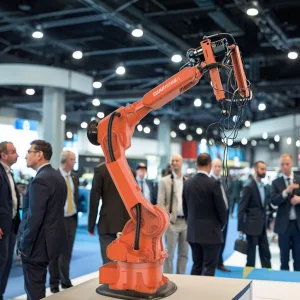
In modern logistics, speed is no longer just a metric; it is the ultimate competitive advantage. Conventional fulfillment strategies rely heavily on warehousing storage, introducing prolonged dwell times, overhead costs, and multiple handling phases. High-efficiency cross-docking solutions bypass storage phases entirely, transferring incoming freight directly from receiving docks to outbound transport with minimal or zero storage time.
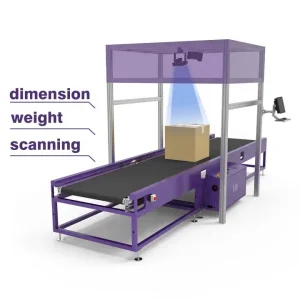
To implement a zero-error cross-docking terminal, supply chain operators require dynamic automation architecture. By deploying specialized high-volume conveyor machinery, automated dimensioning-weighing-scanning (DWS) systems, and robust execution software, organizations can transform static distribution centers into active transshipment hubs. Discover how top manufacturers, led by industry pioneers like Shenzhen JK Logistics Co., Ltd., design custom material handling frameworks to support this shift.
Shenzhen JK Logistics Co., Ltd. is a professional Warehouse Conveyor Systems Manufacturer specializing in material handling, sorting systems, and logistics automation solutions for modern warehouses, distribution centers, and industrial facilities. Based in Shenzhen, China, the company focuses on the development and production of intelligent automation equipment designed to improve operational efficiency, optimize material flow, and support the growing demands of global supply chains.
With extensive experience in warehouse and logistics automation, JK Logistics provides integrated solutions covering material handling systems, warehouse conveying equipment, automated sorting technologies, order fulfillment automation, pallet handling solutions, distribution center infrastructure, and smart logistics integration. These solutions are widely used in e-commerce fulfillment centers, retail distribution networks, third-party logistics operations, manufacturing facilities, and parcel processing hubs.
The company is committed to delivering reliable, scalable, and customized automation solutions that address the challenges of modern warehousing. Its engineering team collaborates closely with customers to analyze operational requirements, warehouse layouts, throughput objectives, and future expansion plans. By combining automation technology with practical logistics expertise, JK Logistics develops systems that improve productivity, reduce manual handling, enhance accuracy, and streamline warehouse operations.
Equipped with advanced manufacturing capabilities and comprehensive quality management processes, the company maintains strict standards throughout design, production, testing, and installation. Continuous investment in research and development enables JK Logistics to incorporate intelligent control technologies, data-driven automation, and flexible system integration into its solutions.
Serving customers across Asia, Europe, North America, South America, the Middle East, and other international markets, Shenzhen JK Logistics Co., Ltd. is dedicated to providing efficient warehouse conveyor systems and logistics automation solutions that help businesses improve operational performance, increase supply chain efficiency, and adapt to the evolving requirements of modern distribution and fulfillment environments.
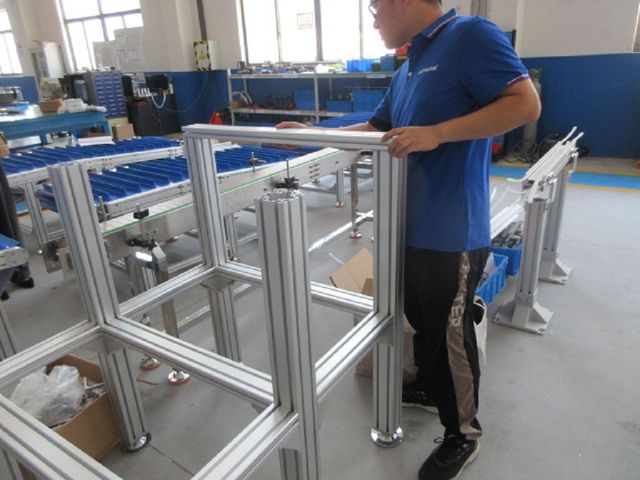
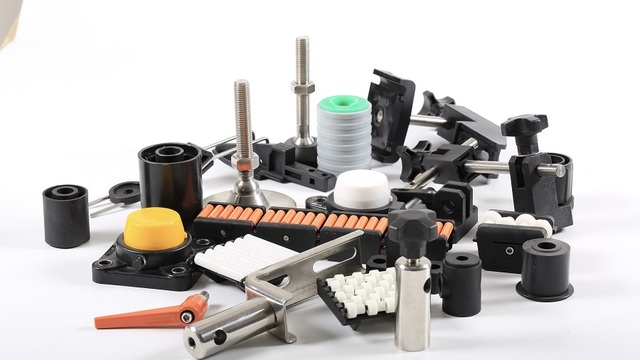

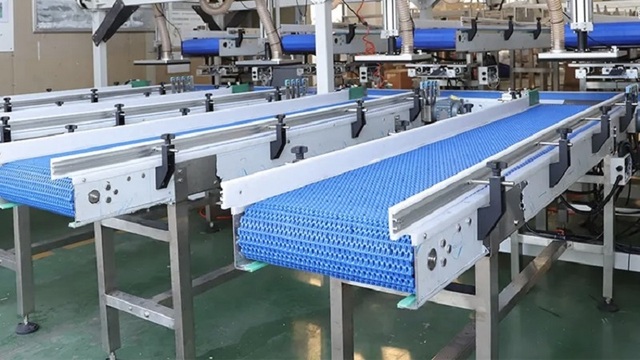
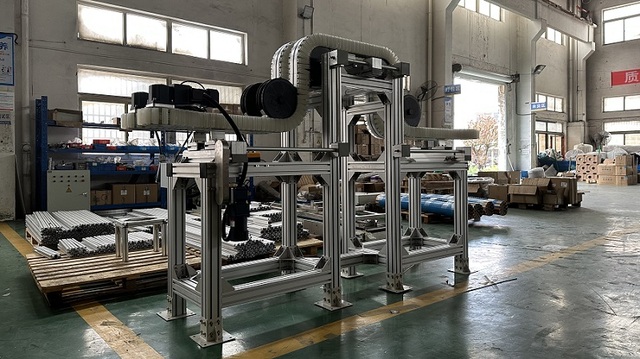
Purchasing material handling and conveyor solutions directly from Chinese factories provides global companies with unmatched strategic advantages. From supply chain agility to state-of-the-art automation integration, Chinese manufacturers are defining global logistics standards.
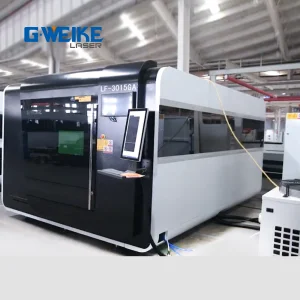
From precision laser cutting of structural frames (powered by 1000W-8000W Fiber Lasers) to IoT sensors and motor controllers, the physical cluster in Shenzhen ensures fast component sourcing and rapid manufacturing.
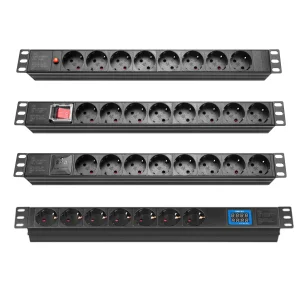
Chinese factories are highly responsive to custom warehouse topologies. Mechanical, electrical, and control interfaces can be adjusted to comply with local standards (CE, UL, EU Plug, Schuko PDU requirements) and architectural layouts.
Lower production expenditures coupled with advanced automation (such as CNC assembly, robot welding, and 6-axis loading robots) allow companies to access high-quality equipment at highly competitive prices, accelerating project payback times.
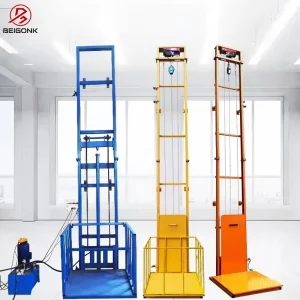
In addition, factories situated in Shenzhen leverage direct access to logistics hubs, enabling fast shipping, consolidation services, and seamless global distribution. This allows exporters to deliver complex structures, heavy-load cargo lifts, and AMRs on tight schedules.
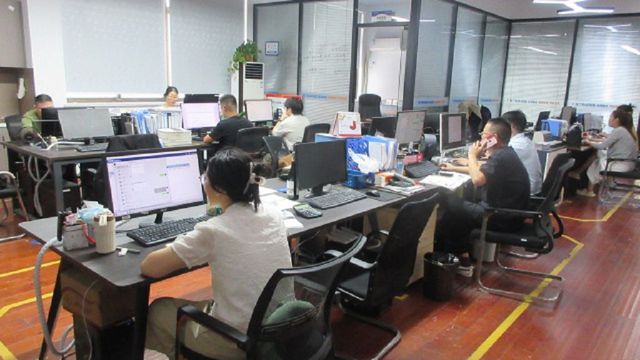
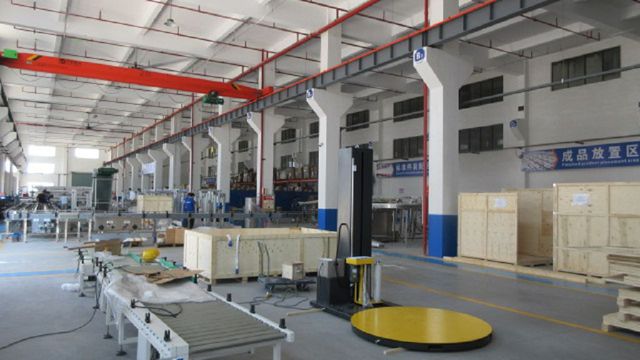
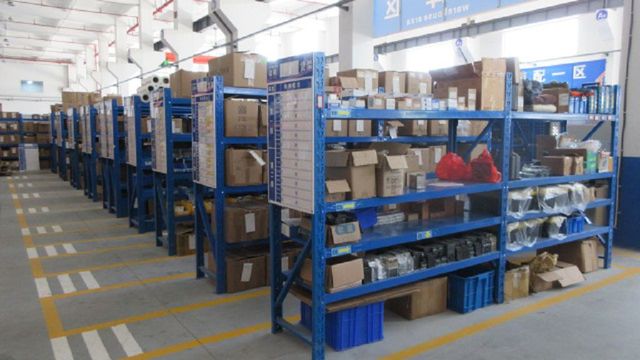
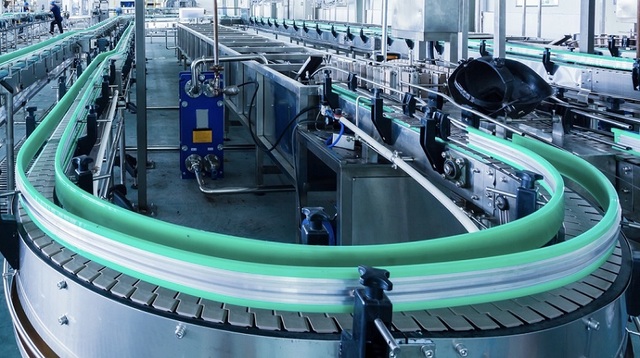
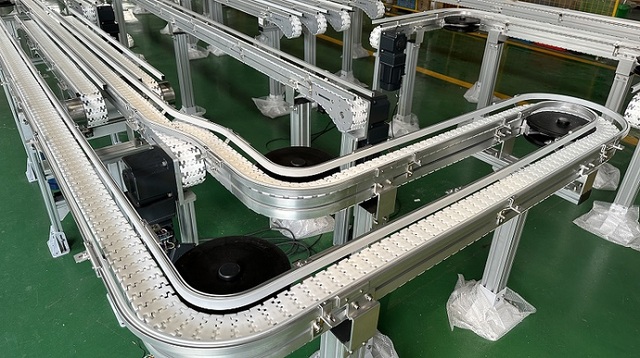
Automation in warehousing is shifting from isolated machines to highly integrated, software-driven environments. To plan effectively for the next decade, organizations must align with these core industry trends:
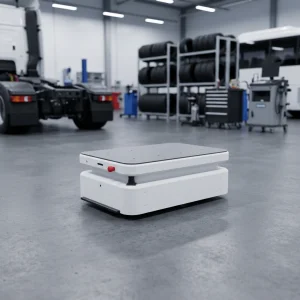
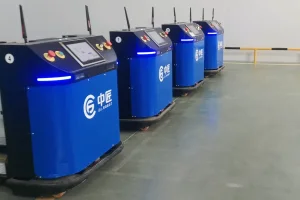
Fixed conveyor networks are increasingly complemented by flexible, smart routing agents. Using Autonomous Mobile Robots (AMRs) with dynamic navigation (SLAM) and 1000W+ lifting units, fulfillment centers can reconfigure their floor layouts dynamically to support fluctuating parcel volumes without requiring permanent floor modifications.
Cross-docking operations rely on fast, precise parcel identification. Advanced Dimensioning, Weighing, and Scanning (DWS) systems now execute calculations in milliseconds, feeding data directly to cloud-based Warehouse Execution Systems (WES) to optimize sorting decisions.
Energy efficiency has become a standard design requirement. Smart steel warehouses integrated with IoT devices utilize energy-saving motors, power-conscious conveyor systems, and sustainable structural frameworks to reduce carbon footprints while lowering operational expenditures.
| System Class | Core Components | Primary Use Case | Efficiency Benefit |
|---|---|---|---|
| Automated Conveying | Double-speed chains, roller belts, high-precision drives | Continuous path high-speed parcel travel | Eliminates manual forklift movements |
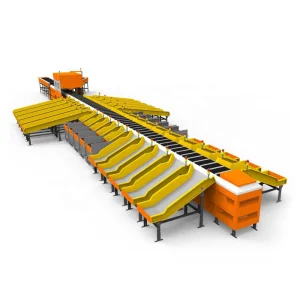
| Intelligent Sorting (DWS) | Laser scanners, inline scales, visual camera arrays | Dynamic dimensioning and package identification | Prevents bottlenecks at sorting gates |
| Autonomous Mobile Robots (AMR) | 1000W drive units, SLAM navigation sensors, lift pads | Flexible payload transport for dynamic flows | Optimizes floor space usage and routes |
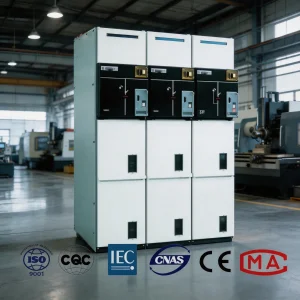
| Distribution Infrastructure | 2000A Switchgear, EU/Schuko PDU cabinets | Power supply management for automation lines | Protects critical assets from power issues |
To maximize efficiency, cross-docking systems must be configured for specific supply chain roles. Below are typical application scenarios implemented by JK Logistics for global clients:
In high-speed e-commerce, goods from multiple vendors must be consolidated quickly for regional shipping. Automated sorting systems process incoming packages, scan their barcodes via DWS, and sort them directly to outbound shipping containers, minimizing storage costs and delivery times.
Automotive and electronics assembly plants rely on just-in-time delivery. Double-speed chain conveyor lines transport sub-assemblies directly from parts delivery trucks to production areas, reducing in-process inventory and improving overall assembly productivity.
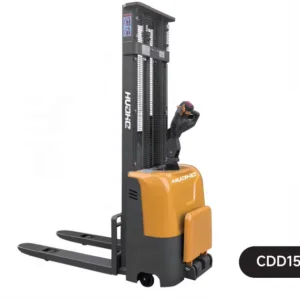
3PL operators manage a diverse mix of parcel sizes, pallets, and shipping profiles. Heavy-duty station-operated electric pallet stackers, cargo lifts, and 6-axis palletizing robots work together to unload, sort, and reload freight quickly, maximizing daily processing volumes.
Review these detailed answers to common questions about sourcing automated warehouse equipment, sorting systems, and cross-docking infrastructure.
 JK Logistics