The global logistics infrastructure is undergoing its most profound transformation since the containerization revolution of the mid-20th century. Driven by regulatory mandates, corporate environmental commitments (ESG goals), and volatile energy markets, organizations are forced to seek out Scope 3 emissions reduction strategies directly inside their warehousing and distribution hubs. Historically, logistics was optimized purely for velocity and cost. In the current global industrial economy, sustainability has emerged as a co-equal KPI. Selecting the right logistics equipment manufacturer in China is no longer just a purchasing transaction; it is a critical alignment with green technologies that support a circular economy.
Regulatory pressure in the European Union (under the Corporate Sustainability Reporting Directive - CSRD) and North America (with SEC climate disclosure rules) has created a stringent operational baseline for multinational enterprises. Supply chain executives must prove measurable carbon reduction at every nodes—from manufacturing intake to last-mile delivery. Key trends shaping this global landscape include:
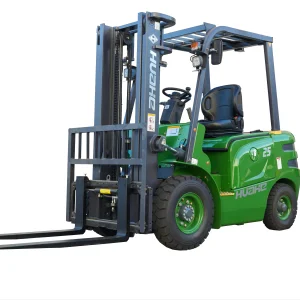
To achieve a carbon-neutral facility, operators must deploy hardware and software designed as cohesive ecological nodes. The building block of modern green supply chains consists of:
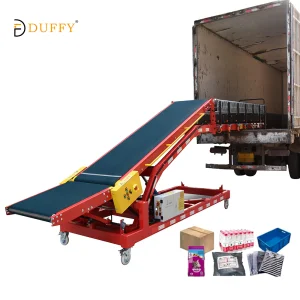
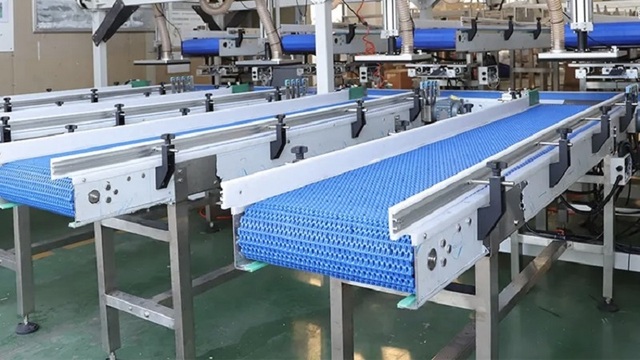
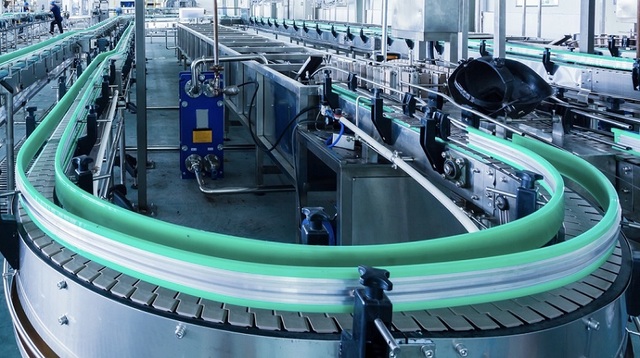
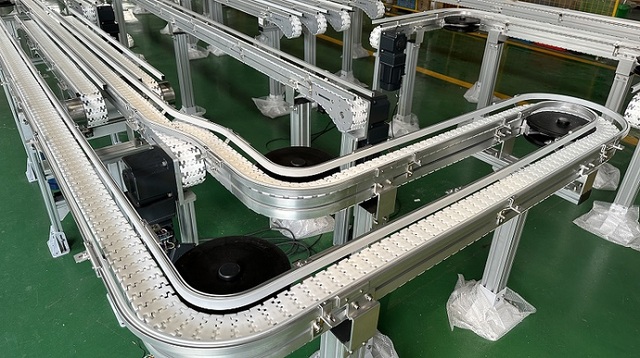
Under these technological verticals, companies like Shenzhen JK Logistics Co., Ltd. design modular elements that allow facilities to scale without increasing their carbon overhead. By implementing low-friction materials on automated conveyors, using gravity-assisted chutes, and selecting smart-charging lithium battery platforms, modern logistics operations achieve carbon neutrality while retaining high throughput capacities.
China's manufacturing sector has rapidly evolved from a low-cost production base into the global leader in high-tech, green automation R&D. The Pearl River Delta, specifically Shenzhen, is the epicenter of this technological shift. Buying from a China-based sustainability logistics manufacturer provides distinct business advantages:
Sustainable logistics systems are not one-size-fits-all. Different industries require customized solutions based on throughput, safety, and spatial restrictions:
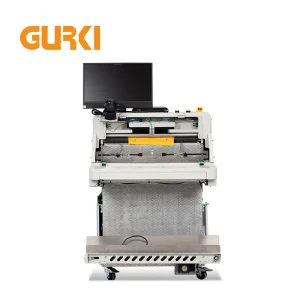
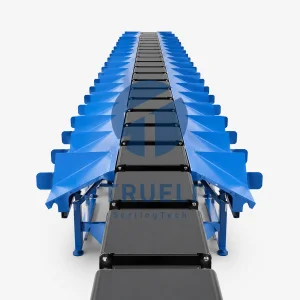
E-commerce hubs experience dramatic throughput swings during peak retail seasons. Systems like the GURKI Electric Ecommerce Fulfillment System and Truelisort Automated Cross Belt Sorting System enable automated packaging and sorting. These high-speed systems leverage optical scanning and dynamic path allocation to minimize idle runtime. Instead of running continuous-loop belts, sensor-driven zone controls activate sorting loops only when items approach, saving significant daily electricity.
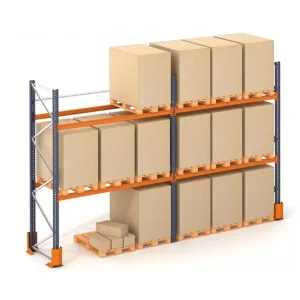
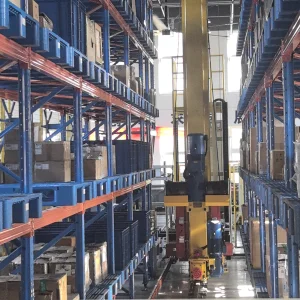
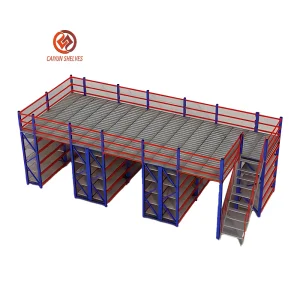
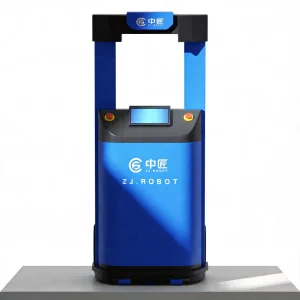
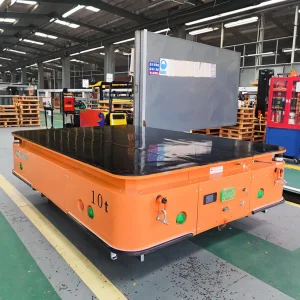
In factories handling large-scale components (e.g., automotive parts, steel coils, and machinery components), moving materials safely and efficiently is paramount. The MRT Pallet Piggyback AGV Robot, boasting a 20-ton load capacity and laser SLAM navigation, reduces the reliance on heavy, diesel-burning industrial vehicles. By integrating this with Heavy Duty Mezzanine Floor Racking Systems and Commercial Grade Warehouse Racks, factories utilize vertical space safely while maximizing floor workflow efficiency.
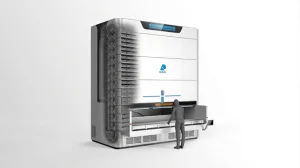
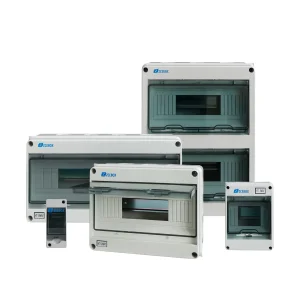
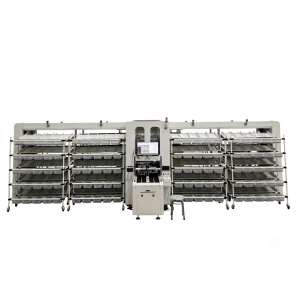
Cold chain operations are notoriously energy-intensive. Vertical storage systems like the Fast Picking Vertical Carousel Module (VLM) minimize the thermal cubic volume required. Because the storage is compact and enclosed, cooling loss is reduced. The inclusion of IP65 switch and circuit breaker boxes ensures that high-humidity and low-temperature conditions do not compromise electrical reliability or create hazardous power leakage.
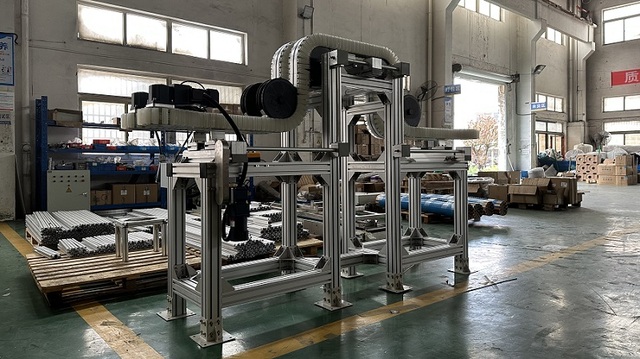
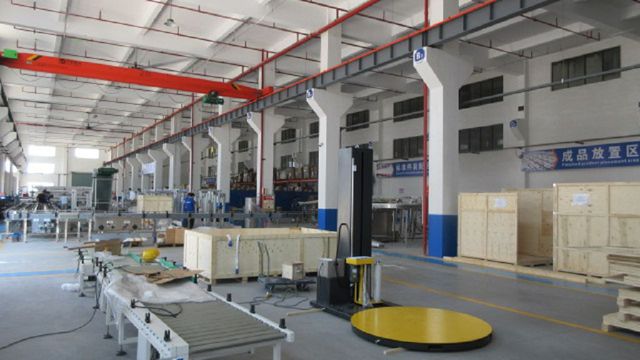
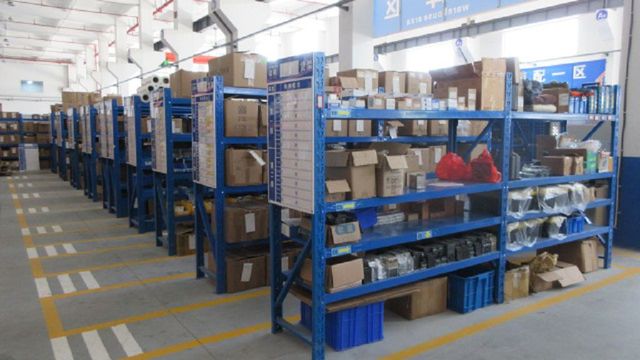
With extensive experience in warehouse and logistics automation, JK Logistics provides integrated solutions covering material handling systems, warehouse conveying equipment, automated sorting technologies, order fulfillment automation, pallet handling solutions, distribution center infrastructure, and smart logistics integration. These solutions are widely used in e-commerce fulfillment centers, retail distribution networks, third-party logistics operations, manufacturing facilities, and parcel processing hubs.
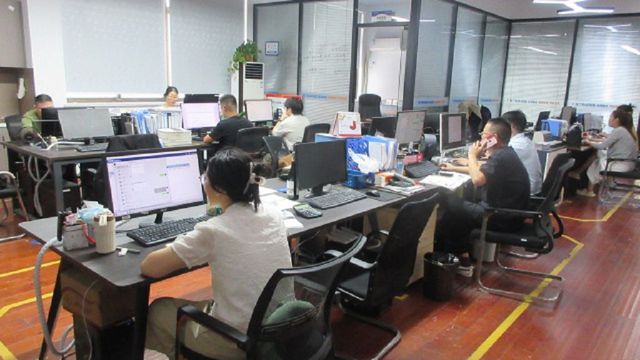
The company is committed to delivering reliable, scalable, and customized automation solutions that address the challenges of modern warehousing. Its engineering team collaborates closely with customers to analyze operational requirements, warehouse layouts, throughput objectives, and future expansion plans. By combining automation technology with practical logistics expertise, JK Logistics develops systems that improve productivity, reduce manual handling, enhance accuracy, and streamline warehouse operations.
Equipped with advanced manufacturing capabilities and comprehensive quality management processes, the company maintains strict standards throughout design, production, testing, and installation. Continuous investment in research and development enables JK Logistics to incorporate intelligent control technologies, data-driven automation, and flexible system integration into its solutions.
Serving customers across Asia, Europe, North America, South America, the Middle East, and other international markets, Shenzhen JK Logistics Co., Ltd. is dedicated to providing efficient warehouse conveyor systems and logistics automation solutions that help businesses improve operational performance, increase supply chain efficiency, and adapt to the evolving requirements of modern distribution and fulfillment environments.
Global procurement departments evaluating Chinese logistics manufacturers must look beyond initial acquisition costs (CAPEX) to consider long-term environmental and operating costs (OPEX):
 JK Logistics