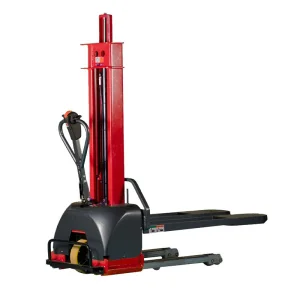
Highly customized, intelligent logistics machinery designed to integrate seamlessly with South Korean warehousing infrastructures and K-Smart factory workflows.
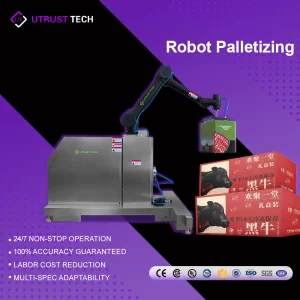
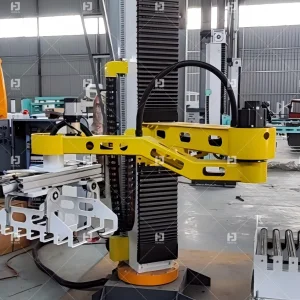
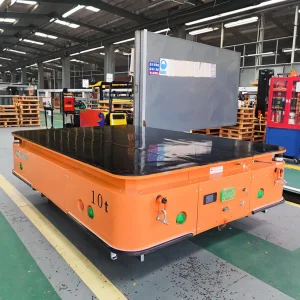
Understanding the local commercial demands, labor trends, and technological pushes driving robotic pallet handling systems in South Korea.
South Korea’s industrial sector is currently undergoing a profound paradigm shift. Positioned at the vanguard of Global Industry 4.0, the nation is actively restructuring its manufacturing and logistics networks. Driven by the "K-Smart Factory" initiative, enterprise-level facilities from the semiconductor clusters in Pyeongtaek and Yongin to the automotive complexes in Ulsan and Busan are aggressively integrating intelligent automated material handling systems (AMHS).
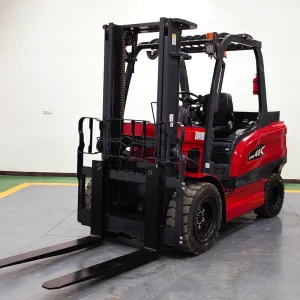
This massive drive for automation is not merely an option—it is a structural necessity. South Korea faces some of the most challenging demographic trends globally, highlighted by a rapidly aging workforce and chronic labor shortages in heavy manual sectors. To maintain their globally renowned output and cost competitiveness, manufacturing facilities must transition away from forklift-heavy, manually operated floor environments. Automated pallet handling systems, including roller-bed loops, autonomous transfer cars, and robot palletizing stations, provide the vital bridge needed to sustain operational throughput with minimal human intervention.
Furthermore, South Korea's highly advanced cold chain and food logistics sectors—anchored by giants like Coupang, Market Kurly, and CJ Logistics—require seamless, climate-controlled, and space-optimized storage. Land constraints around major metropolitan areas like Gyeonggi-do drive the adoption of multi-tiered Automated Storage and Retrieval Systems (AS/RS). Our high-performance pallet handling systems, specifically optimized for cold-room compliance (down to -30°C) and heavy payload densities, meet these specific regional parameters perfectly, ensuring zero-downtime operations in critical supply chains.
How global standard compliance and technological convergence shape the procurement of heavy pallet logistics equipment.
On a global scale, the material handling industry is moving rapidly toward intelligent convergence. Equipment is no longer viewed in isolation; rather, a pallet handling system is an active nodule in a larger, data-driven ecosystem consisting of Warehouse Management Systems (WMS), Enterprise Resource Planning (ERP) databases, and floor-level programmable logic controllers (PLCs). This shift is driven by the global need for supply chain transparency, high throughput, and energy conservation.
A major focus of global procurement managers is **standardization**. In Korea and Japan, the KS T 1102 (T11 type) pallet measuring 1100mm × 1100mm is the standard interface. Compare this to the Euro Pallet (800mm × 1200mm) or the North American Standard (1016mm × 1219mm / 40” x 48”). Our pallet handling systems are engineered with modular, multi-pitch chain and roller conveyors that easily adjust to these varying dimensional matrices, preventing load slippage, motor stress, and sensor misalignment.
Easily scalable modular structures allow Korean facilities to expand conveyor routes, rotate curves, or elevate vertical lifts with minimal downtime.
Integrated photo-eye sensors, zero-pressure accumulation (ZPA) controls, and pneumatic stops prevent damage to fragile or premium products.
Fully compliant with CE, KCs, and international ISO safety standards, utilizing light curtains, safety interlocks, and emergency stop networks.
How Shenzhen JK Logistics Co., Ltd. bridges high-precision manufacturing with competitive pricing for international projects.
Procuring automated logistics equipment from China is no longer just a cost-saving measure; it is a strategic step toward building **supply chain resilience**. Leveraging the highly developed industrial supply chain of Shenzhen and the wider Greater Bay Area, Shenzhen JK Logistics Co., Ltd. combines high-precision robotic assembly, rapid prototyping, and software-defined automation. This robust ecosystem allows us to achieve production speeds and product customizations that Western manufacturers struggle to match.
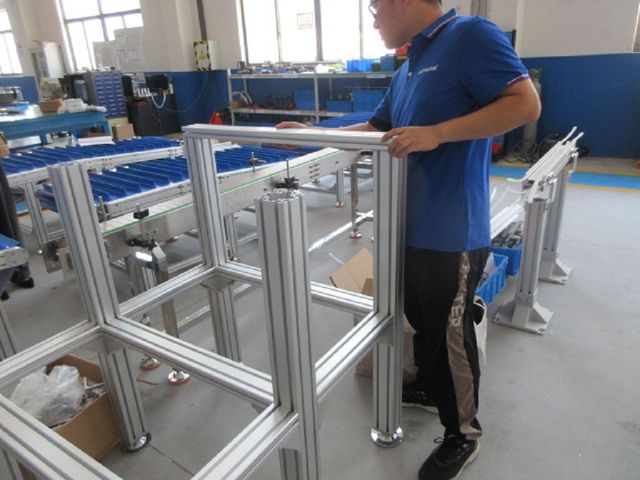
Our manufacturing workflow features structural steel fabrication, CNC precision machining of roller shafts, and multi-stage testing bays where automated pallet handling systems undergo full load testing before dispatch. This guarantees that when systems arrive at Korean ports like Incheon or Busan, they can be quickly installed and integrated with local systems. We utilize globally recognized electrical components (such as Siemens PLCs, SEW-EURODRIVE motors, SICK/Omron sensors, and SMC pneumatics), ensuring that your maintenance crews have immediate access to local spare parts and familiar software interfaces.
A professional comparative guide for choosing the optimal pallet handling system configuration based on operational requirements.
| System Type | Typical Payload Cap. | Ideal Application Environment | Standard Navigation/Control | Korean Industrial Sector Relevance |
|---|---|---|---|---|
| 6-Axis Palletizing Robots | Up to 500 kg | Heavy manufacturing, chemical drumming, dry goods | Teach Pendant / PLC Interface | Yeosu and Ulsan Petrochemical complexes |
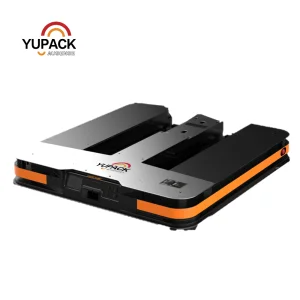
| Heavy-Duty Piggyback AGVs | 1,000 kg to 20,000 kg | Automotive sub-assembly transport, heavy metal coils | Laser SLAM / Magnetic Tape / RFID | Ulsan, Gwangju automotive assembly lines |
| Automatic Rotary Arm Palletizers | Up to 2,000 kg | High-speed, continuous packaging & bottling lines | Integrated PLC / HMIs | Beverage & food packaging hubs in Gyeonggi-do |
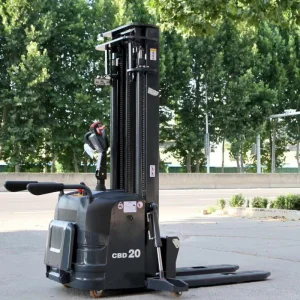
| Lithium-Ion Electric Stackers | 1,000 kg to 2,000 kg | Narrow aisle warehousing, courier loading zones | Manual walking/riding with smart control handle | Metropolitan urban parcel delivery depots |
| 304/316 Stainless Steel Lifters | 2,000 kg to 3,000 kg | Cleanrooms, pharmaceutical production, wet areas | Hydraulic Manual/Semi-Electric | Osong and Incheon Bio-pharmaceutical clusters |
Real-world examples of how JK Logistics systems solve localized warehousing and manufacturing challenges.
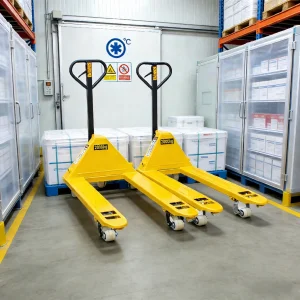
Korean consumers expect ultra-fast deliveries, which places immense operational pressure on cold storage depots. In cold storage down to -25°C, manual workers cannot operate continuously, and standard battery-powered equipment fails due to condensation and freezing. We provide custom low-temperature component packages—including condensation-proof wiring, special low-viscosity hydraulic oils, and heated control housings—allowing our Lithium-ion electric stackers and automated roller systems to run continuously in these demanding conditions.
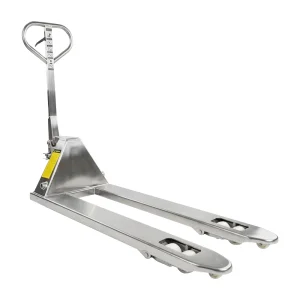
Semiconductor fabs require clean class-100/1000 environments. Traditional steel equipment that flakes or uses heavy open lubricants is not allowed. For these facilities, we supply specialized 304/316 Stainless Steel Manual and Semi-Electric Hydraulic Lifters. These systems feature fully sealed, food-grade/medical-grade hydraulic units and non-marking polyurethane wheels that prevent static buildup and dust shedding, keeping the facility fully compliant with cleanroom protocols.
Handling raw chemical drums requires explosion-proof safety designs and precise robotic handling to prevent spills. Our 6-Axis Robot Palletizing Systems and Dual-Station Rotary Arm Palletizers feature explosion-proof enclosures, automated safety interlock grids, and heavy-duty mechanical grippers that handle up to four drums simultaneously, keeping workers safe from hazardous materials.
Your Reliable Engineering Partner for Next-Generation Warehouse & Material Handling Automation
Shenzhen JK Logistics Co., Ltd. is a professional Warehouse Conveyor Systems Manufacturer specializing in material handling, sorting systems, and logistics automation solutions for modern warehouses, distribution centers, and industrial facilities. Based in Shenzhen, China, the company focuses on the development and production of intelligent automation equipment designed to improve operational efficiency, optimize material flow, and support the growing demands of global supply chains.
With extensive experience in warehouse and logistics automation, JK Logistics provides integrated solutions covering material handling systems, warehouse conveying equipment, automated sorting technologies, order fulfillment automation, pallet handling solutions, distribution center infrastructure, and smart logistics integration. These solutions are widely used in e-commerce fulfillment centers, retail distribution networks, third-party logistics operations, manufacturing facilities, and parcel processing hubs.
The company is committed to delivering reliable, scalable, and customized automation solutions that address the challenges of modern warehousing. Its engineering team collaborates closely with customers to analyze operational requirements, warehouse layouts, throughput objectives, and future expansion plans. By combining automation technology with practical logistics expertise, JK Logistics develops systems that improve productivity, reduce manual handling, enhance accuracy, and streamline warehouse operations.
Equipped with advanced manufacturing capabilities and comprehensive quality management processes, the company maintains strict standards throughout design, production, testing, and installation. Continuous investment in research and development enables JK Logistics to incorporate intelligent control technologies, data-driven automation, and flexible system integration into its solutions.
Serving customers across Asia, Europe, North America, South America, the Middle East, and other international markets, Shenzhen JK Logistics Co., Ltd. is dedicated to providing efficient warehouse conveyor systems and logistics automation solutions that help businesses improve operational performance, increase supply chain efficiency, and adapt to the evolving requirements of modern distribution and fulfillment environments.
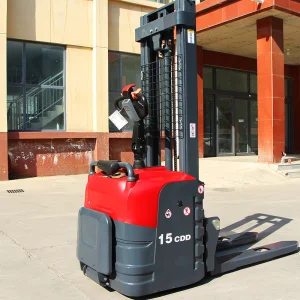
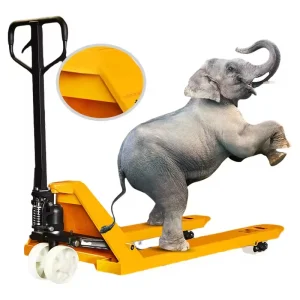
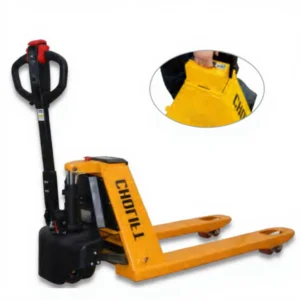
Our complete line of pallet movers, self-loading stackers, and heavy-duty electric trucks available for prompt shipping and local installation in Korea.
Key technical and commercial inquiries for engineering and procurement managers sourcing pallet systems for Korean facilities.
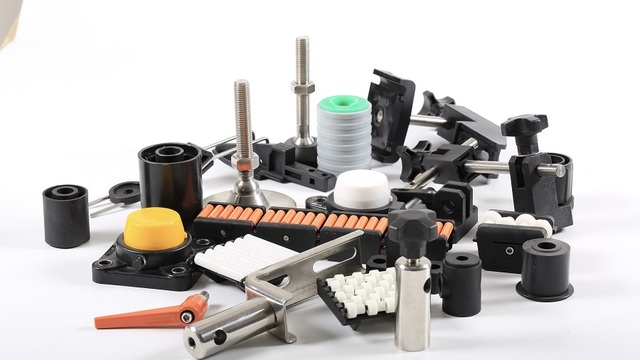
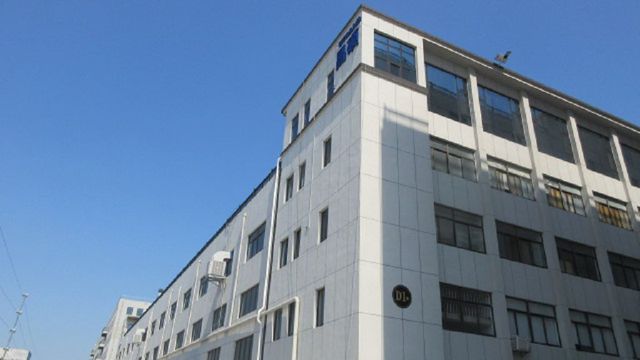
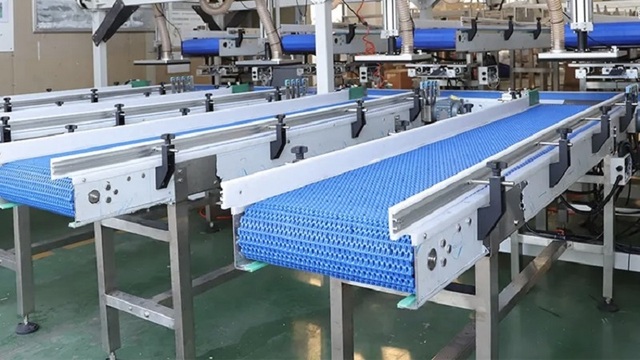
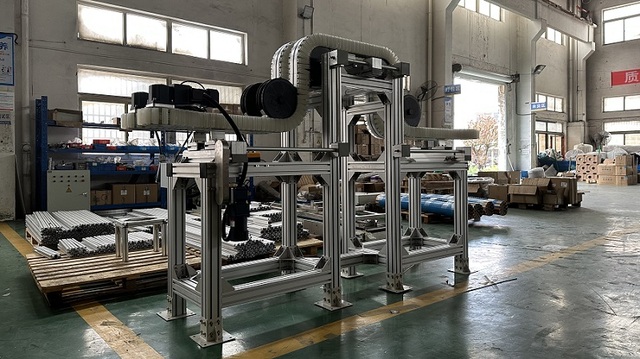
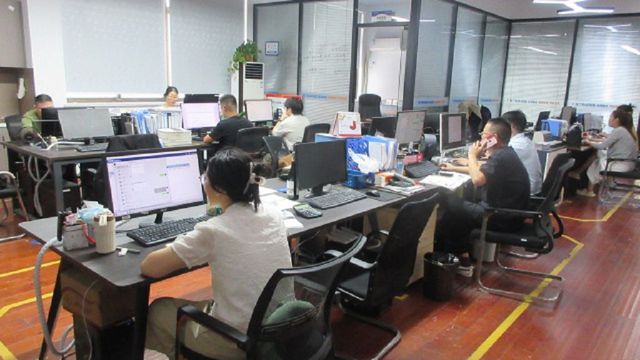
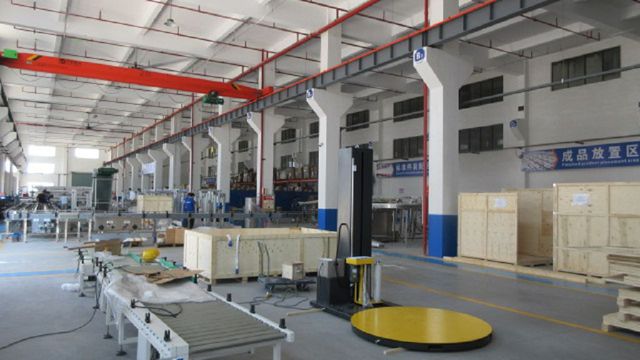
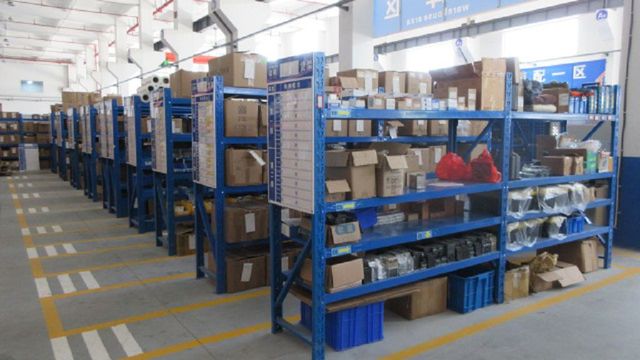
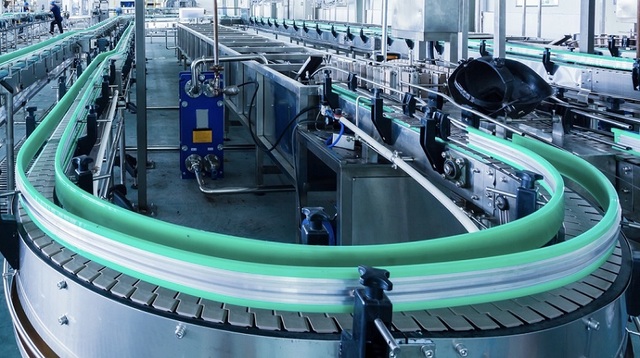
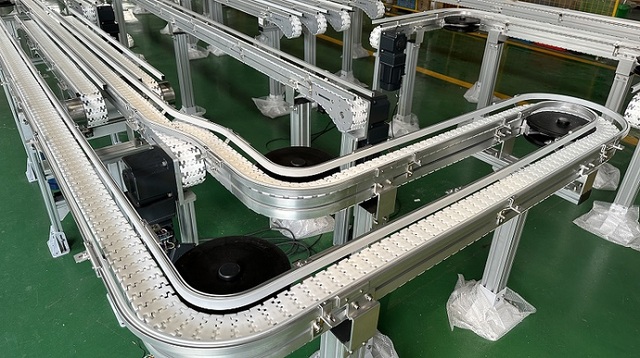
Take a look inside our modern facility where we design, build, and test our material handling equipment before it ships globally.
 JK Logistics