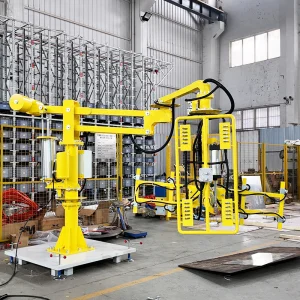
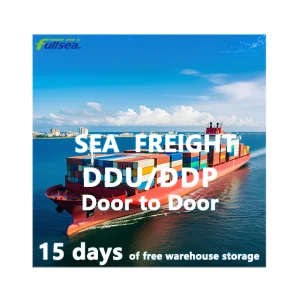
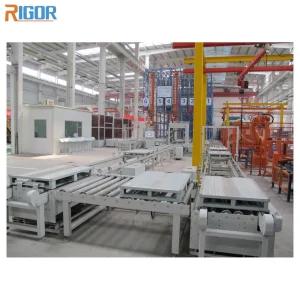
Engineered for high-volume cross-docking environments, micro-fulfillment centers, and heavy-duty cargo handling.
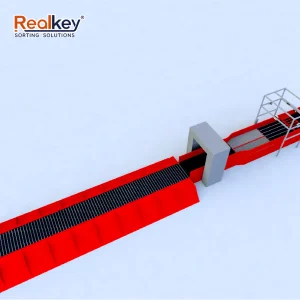
In contemporary high-throughput supply chains, cross-docking serves as the premier distribution framework to minimize transit time, eliminate redundant warehousing steps, and reduce inventory carrying costs. A robust cross-docking system bypasses long-term storage configurations, directing inbound materials immediately to outbound logistics channels. Achieving this requires precise synchronization across physical hardware, control software (WCS), and sorting systems.
Shenzhen JK Logistics Co., Ltd. is a professional Warehouse Conveyor Systems Manufacturer specializing in material handling, sorting systems, and logistics automation solutions for modern warehouses, distribution centers, and industrial facilities. Based in Shenzhen, China, the company focuses on the development and production of intelligent automation equipment designed to improve operational efficiency, optimize material flow, and support the growing demands of global supply chains.
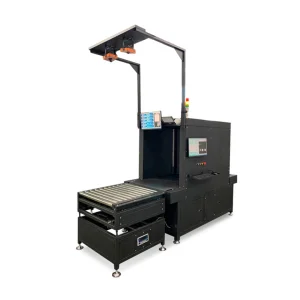
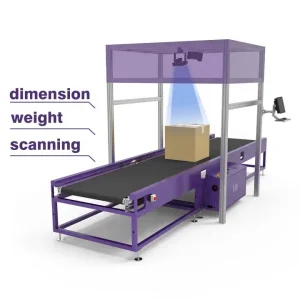
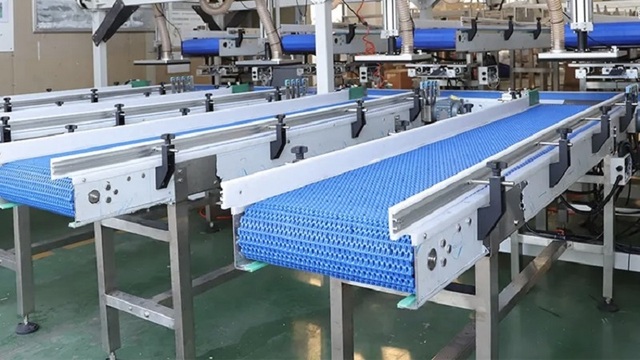
Our engineering methodology centers on modular, customizable configurations. By deploying automated conveyor matrices, laser-guided scanning junctions, and real-time Dimensioning-Weighing-Scanning (DWS) equipment, JK Logistics converts slow, manual handling pipelines into streamlined operations. The cross-docking process integrates structural components with intelligent IoT layers to monitor load factors, dispatch packages dynamically, and prevent processing bottlenecks.
With extensive experience in warehouse and logistics automation, JK Logistics provides integrated solutions covering material handling systems, warehouse conveying equipment, automated sorting technologies, order fulfillment automation, pallet handling solutions, distribution center infrastructure, and smart logistics integration. These solutions are widely used in e-commerce fulfillment centers, retail distribution networks, third-party logistics operations, and parcel processing hubs.
The operation of an automated cross-docking system relies on precise technical steps:
This system eliminates typical warehouse storage cycles, cutting down inventory processing time from days to minutes. It reduces forklift movement within the facility, lowering energy use and protecting personnel and products.
We combine advanced mechanical design with intelligent sensing technology. Our custom OEM cross-docking installations help global enterprises scale sorting capacity, reduce processing times, and minimize human error across the distribution network.
Our solutions feature smart controls, high-speed sorting nodes, and real-time diagnostic reporting to keep operations running smoothly.
The company is committed to delivering reliable, scalable, and customized automation solutions that address the challenges of modern warehousing. Its engineering team collaborates closely with customers to analyze operational requirements, warehouse layouts, throughput objectives, and future expansion plans. By combining automation technology with practical logistics expertise, JK Logistics develops systems that improve productivity, reduce manual handling, enhance accuracy, and streamline warehouse operations.
Standard, off-the-shelf equipment rarely meets the layout requirements of legacy warehouses or specialized sorting pipelines. Our OEM service addresses this limitation:
Exporting automated logistics systems requires strict adherence to international safety and technical standards. JK Logistics ensures that all custom installations comply with destination-market frameworks. We modify and configure electrical control panels to meet UL 508A standards for North America, and carry CE compliance certificates for European Economic Area countries.
Our localization support covers several critical areas:
Delivering engineering excellence, agile manufacturing, and global supply chain integration from Shenzhen, China.
Located in the world's leading hardware manufacturing hub, we access premium components, structural steel, and advanced sensors to ensure quick prototyping and delivery.
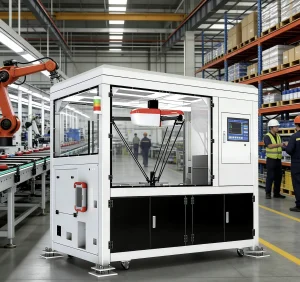
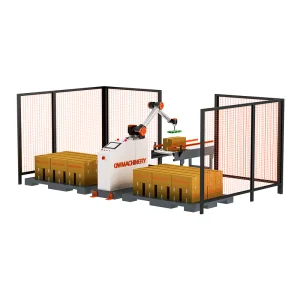
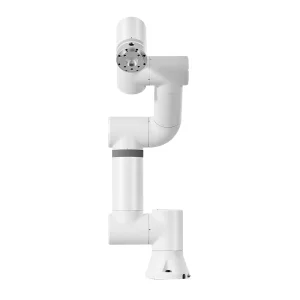
We incorporate camera-based DWS systems, OpenCV vision algorithms, and robotic pick-and-place arms (cobots/delta) to automate sorting processes.
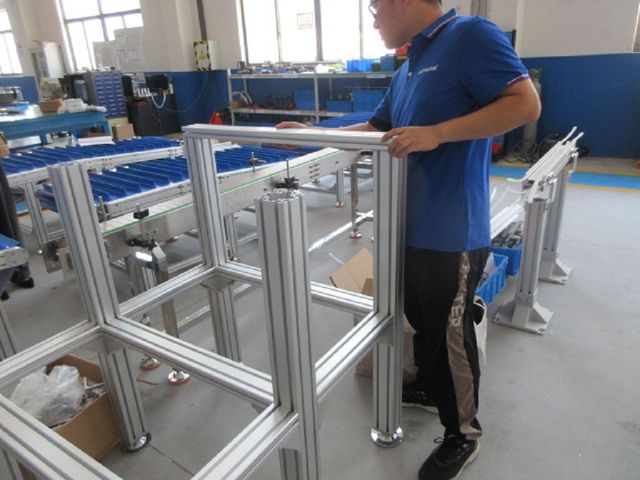
From conveyor belt widths and motor capacities to steel grades and frame structures, we tailor systems to your facility layout and load requirements.
Our machinery meets international quality and safety standards, including UL, CE, OSHA, and global grid codes, for smooth import and operation.
Equipped with advanced manufacturing capabilities and comprehensive quality management processes, the company maintains strict standards throughout design, production, testing, and installation. Continuous investment in research and development enables JK Logistics to incorporate intelligent control technologies, data-driven automation, and flexible system integration into its solutions.
Operating from Shenzhen, China, provides distinct advantages for global enterprise procurement teams:
The warehouse automation sector is shifting from simple, mechanically driven systems to intelligent, data-driven environments. Key trends driving this evolution include:
Technical insights and project support details for global procurement teams.
Lead times depend on the system size and degree of customization. Typically, custom conveyor layouts and sorting systems require 8 to 12 weeks for design, manufacturing, and internal testing. Shipping and onsite installation depend on your destination country.
Our systems use standard PLC interfaces (such as Siemens or Allen-Bradley) and support communication protocols like Modbus TCP, EtherNet/IP, and Profinet. We work closely with your software team to integrate our conveyor and sorting controls with your Warehouse Management System (WMS) or Warehouse Control System (WCS).
All JK Logistics conveyor systems feature emergency stop buttons, physical safety guards over moving parts, safety interlocks, and sensor-monitored light curtains. We design control systems to meet PLd/PLe safety standards in compliance with international safety guidelines.
Yes. We design and build systems using SUS304 or SUS316 stainless steel with IP65, IP66, or IP69K rated motors, sensors, and enclosures for facilities that require washdowns or operate in damp, dusty, or cold conditions.
We offer remote diagnostics via secure VPN connections to check PLC code and solve operational issues. For hardware maintenance, we supply detailed documentation, recommended spare parts lists, and coordinate with local technicians to minimize downtime.
Serving customers across Asia, Europe, North America, South America, the Middle East, and other international markets, Shenzhen JK Logistics Co., Ltd. is dedicated to providing efficient warehouse conveyor systems and logistics automation solutions that help businesses improve operational performance, increase supply chain efficiency, and adapt to the evolving requirements of modern distribution and fulfillment environments.
We understand that distribution facilities operate under different constraints depending on their region. For instance, fulfillment operations in Northern Europe place high priority on ergonomic design, low noise emissions, and low power usage. North American facilities often require robust, continuous handling capacity for high SKU volumes, while hubs in developing markets favor modular, easy-to-maintain mechanics. By tailoring systems to these local demands, we help international operators build stable, efficient logistics networks.
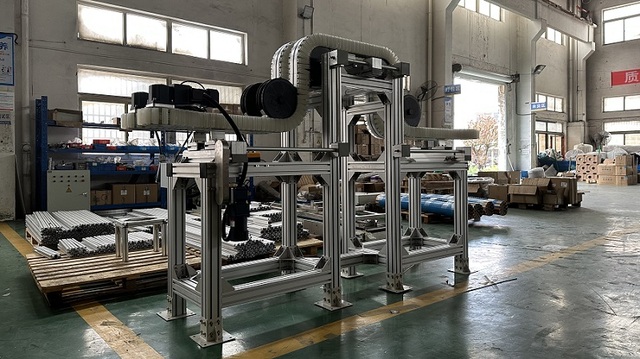
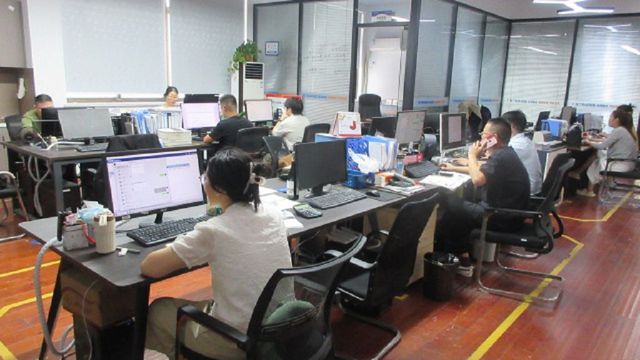
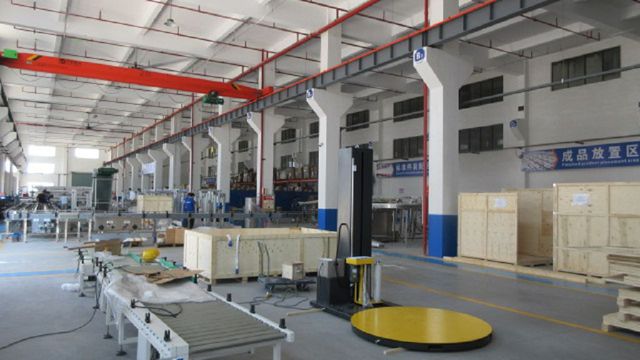
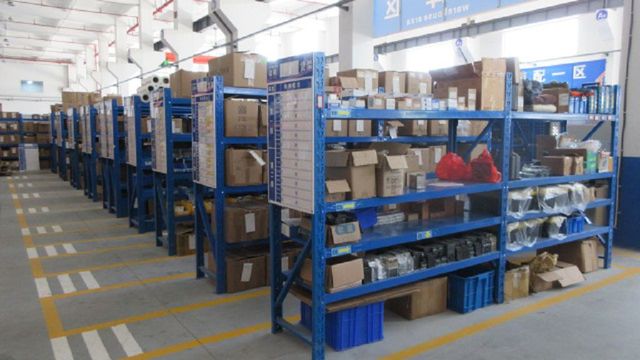
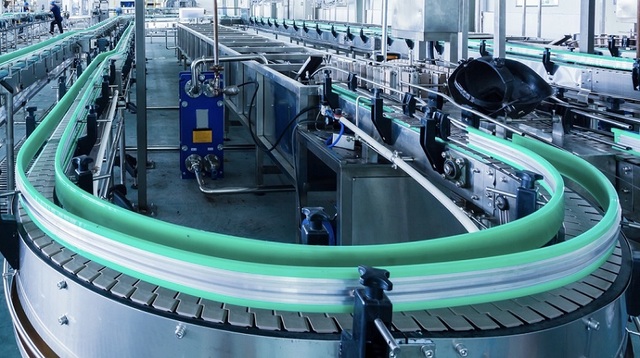
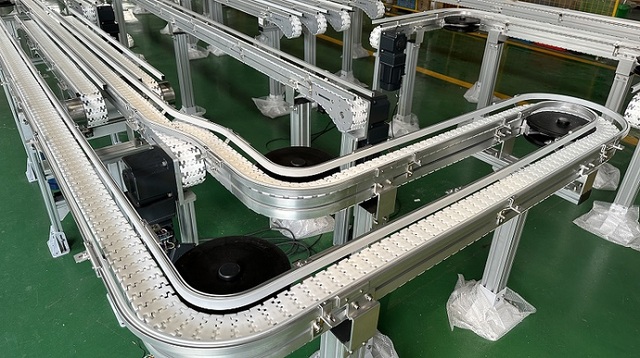
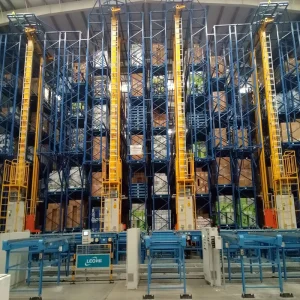
High-speed roller systems, collaborative robotics, and automated storage solutions.
 JK Logistics