In the era of hyper-globalization and rapid e-commerce expansion, warehouse operational efficiency is no longer a localized logistical concern—it is a core pillar of corporate competitiveness. Global fulfillment operations are undergoing a structural shift driven by labor shortages, soaring industrial real estate costs, and the absolute necessity for compressed delivery cycles. Standardized off-the-shelf logistics solutions frequently fall short because they fail to adapt to the highly specific constraints of individual physical footprints and varying throughput profiles.
This white paper examines the strategic deployment of custom OEM (Original Equipment Manufacturer) warehouse systems. By integrating advanced mechanics, smart sensor arrays, and data-driven management software, modern operators can eliminate structural bottlenecks. From automated storage systems to high-speed sorting mechanisms, the modern warehouse is evolving into a cyber-physical ecosystem where space is maximized, manual interventions are minimized, and throughput errors approach zero.
Shenzhen JK Logistics Co., Ltd. stands at the forefront as a professional Warehouse Conveyor Systems Manufacturer. Specializing in material handling, sorting systems, and logistics automation, the company serves modern warehouses, distribution centers, and industrial facilities globally. Headquartered in Shenzhen, China—the world’s primary hardware innovation hub—we leverage our strategic location to design, prototype, and manufacture next-generation automation equipment engineered to enhance operational efficiency and optimize overall material flow.
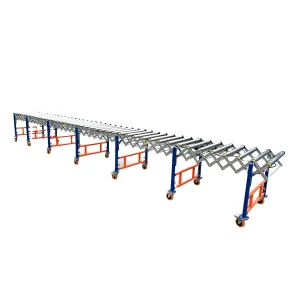
Our comprehensive service spectrum integrates automated material handling, sophisticated warehouse conveying equipment, advanced sorting technologies, order fulfillment automation, heavy pallet handling, and smart logistics control software. Our engineering teams work directly with global clients to model complex warehouse layouts, evaluate throughput bottlenecks, and configure tailored answers that scale. Whether serving global e-commerce centers, third-party logistics (3PL) providers, or heavy manufacturing hubs, our technologies are built for performance, reliability, and ease of maintenance.
By emphasizing continuous investment in research and development, Shenzhen JK Logistics incorporates intelligent control systems, automated data capture, and flexible mechanical configurations. We serve vital international markets spanning Asia, Europe, North America, South America, and the Middle East, assisting enterprises in adjusting to the dynamic needs of modern trade.
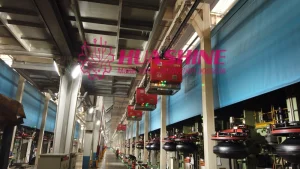
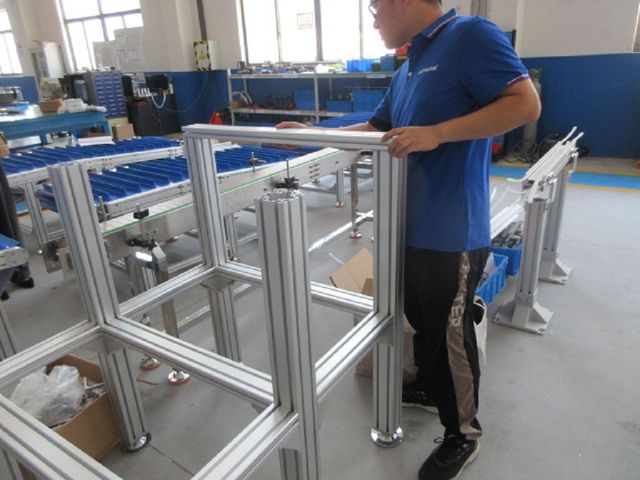
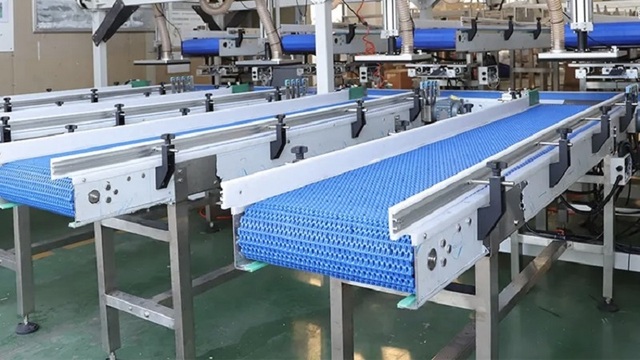
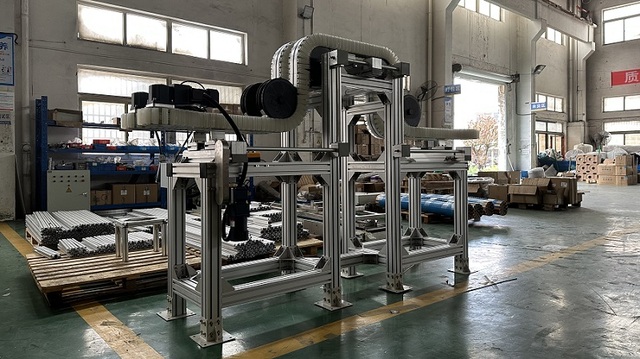
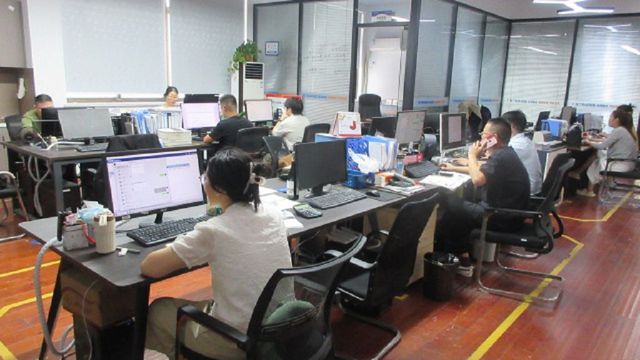
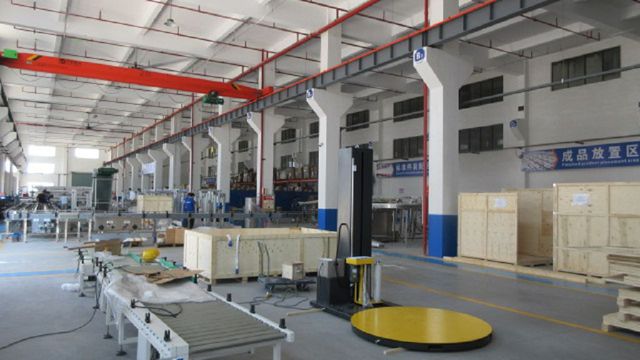
Our manufacturing standards are strictly monitored from material sourcing to complex final system assembly. Below is a visual walkthrough of our modern manufacturing plants, structural steel processing lines, and operational testing sites.

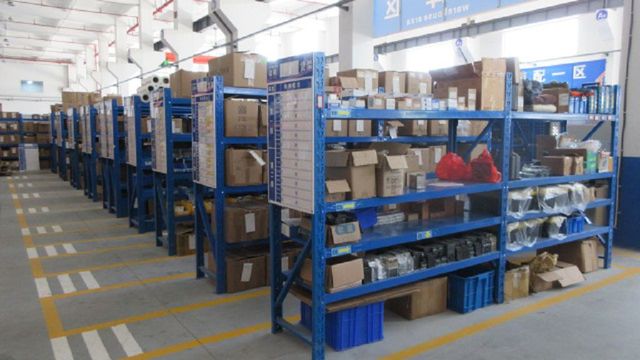
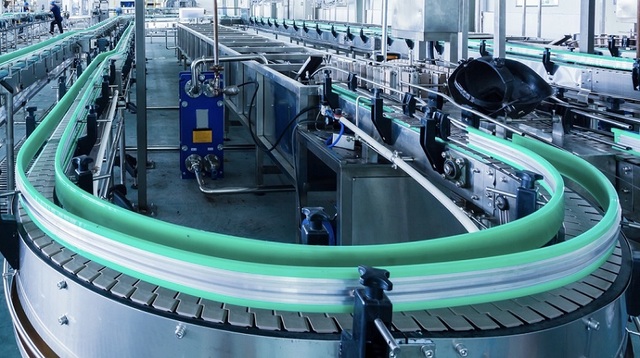
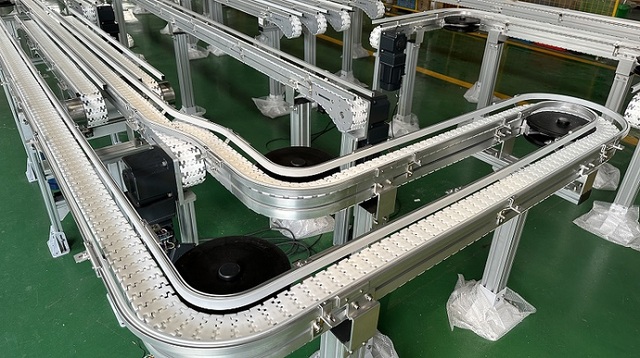
The development of next-generation warehouse systems rests on three core technological pillars:
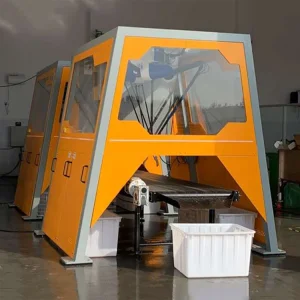
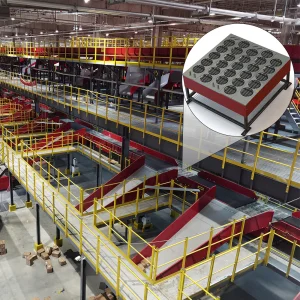
Traditional static conveying systems suffer from high latency and limited flexibility. Modern solutions, such as the LUHUI Balance Wheel Sorter Conveyor, deploy dynamic multidirectional wheels to route parcels at speeds exceeding 2.5 meters per second. Coupled with AI Optical Sorting Machines, warehouses can easily process non-standard parcels, municipal waste fractions, or small packaging boxes with dynamic optical camera scanning.
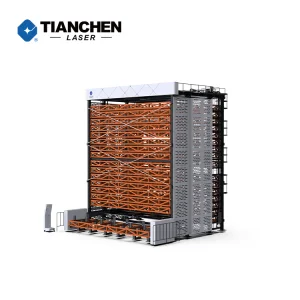
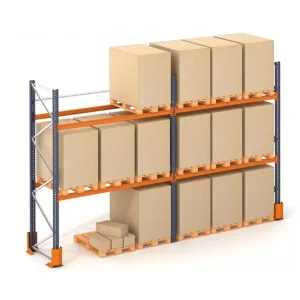
As vertical real estate costs escalate, utilizing height becomes critical. Automated Storage and Retrieval Systems (ASRS), combining Ring-type Shuttles, RGVs, and AGVs, transform traditional storage. By integrating Steel Sheet Metal Storage Towers with multi-level racking, operations can safely manage dense inventories—from bulk metal tubes to fragile electronics.
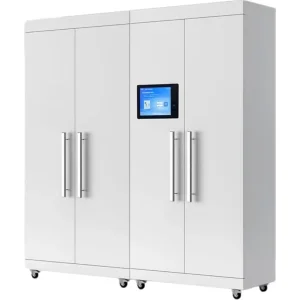
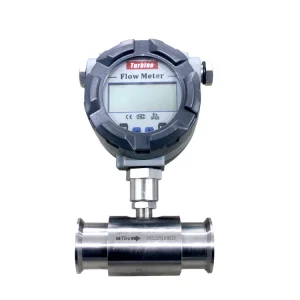
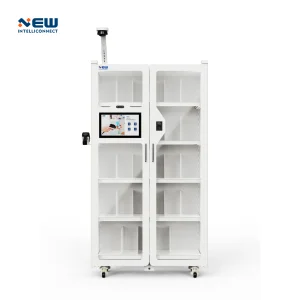
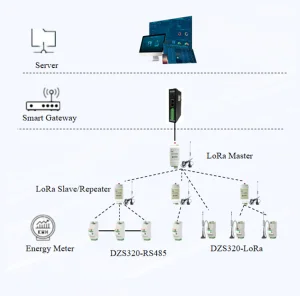
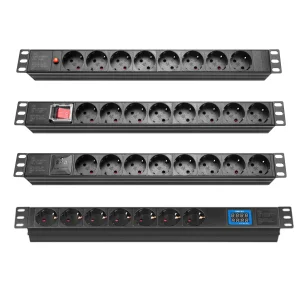
Smart facilities require end-to-end electrical monitoring. Combining energy management IoT platforms (such as the Heyuan platform) with high-efficiency Schuko PDUs allows operators to analyze power profiles. Real-time control software integrates with RFID Scanning Cabinets to maintain accurate stock records, mitigating manual auditing delays.
The Shenzhen and Greater Bay Area supply chain offers unique advantages for global intralogistics sourcing. Proximity to mechanical component fabrication and specialized electronics allows companies like Shenzhen JK Logistics Co., Ltd. to design, produce, and adapt custom systems rapidly.
From raw sheet metal fabrication to specialized PLC electrical control assemblies, all production stages occur within a 50-kilometer radius. This geographic proximity speeds up prototyping and reduces coordination delays during customization.
We design systems to meet localized international regulations, ensuring electrical safety (UL/CE), load-bearing compliance (AISC/EN), and worker safety (OSHA guidelines), which simplifies integration at the delivery site.
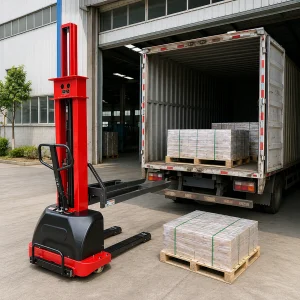
Operating near major ports in Shenzhen and Hong Kong ensures steady logistics. We utilize heavy ocean-freight packaging and offer remote startup assistance to verify smooth system deployment.
Explore detailed answers regarding hardware configurations, mechanical integration, software compatibility, and ordering procedures.
 JK Logistics