In the modern digital economy, consumer behavior spans across diverse avenues—ranging from direct-to-consumer (D2C) web portals and global e-commerce marketplaces to traditional brick-and-mortar operations. Managing these varying channels demands an underlying logistical architecture that is modular, intelligent, and highly optimized. Selecting the correct Multi-Channel Fulfillment (MCF) factories and equipment suppliers is no longer just a purchasing decision; it is a critical strategy to enhance operational speed, eliminate logistics bottlenecks, and scale international markets.
When procurement executives search for top MCF factories, their intent reaches far beyond simple manufacturing services. The core requirement is identifying partners capable of engineering complete, automated ecosystems. The hardware must effortlessly integrate with modern Warehouse Management Systems (WMS) and Enterprise Resource Planning (ERP) tools to manage high-velocity order sorting and complex package processing.
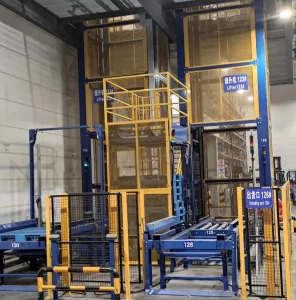
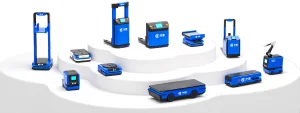
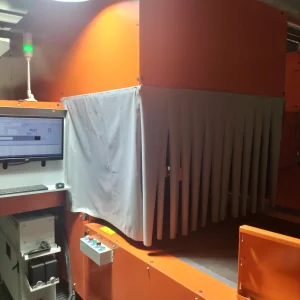
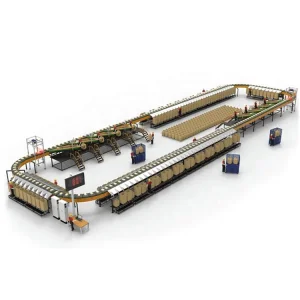
An ideal MCF equipment manufacturer acts as a systems integrator. They offer high-speed dimensioning and sorting machinery, robotic picking systems, high-density AS/RS (Automated Storage and Retrieval Systems), and heavy-duty structural racking. This integration enables logistics providers to maintain high accuracy, adapt to volatile order profiles, and manage returns effectively across all sales channels.
Sortation Accuracy
Warehouse Throughput
Labor Cost Reduction
Uninterrupted Operations
Shenzhen and the Pearl River Delta have evolved into global hubs for intelligent hardware manufacturing. This ecosystem combines hardware design, precision component manufacturing, software testing, and international shipping options into a single, high-efficiency cluster.
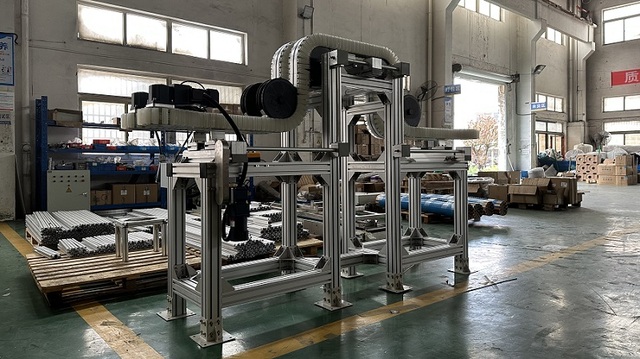
Chinese factories specialize in tailoring equipment to specific facility shapes. By collaborating with local material suppliers and mechanical engineering hubs, suppliers like Shenzhen JK Logistics Co., Ltd. can rapidly move from custom 3D CAD design proposals to fully realized physical prototypes, accelerating deployment timelines.
By utilizing local component manufacturing hubs, these suppliers offer advanced logistics systems at a fraction of the cost of Western competitors. The savings can be reinvested in software integration, facility expansion, or additional automation equipment.
Strategically located near major ports in Shenzhen and Hong Kong, these factories have extensive experience handling international shipping regulations. They ensure heavy machinery is securely packaged, customs-cleared, and delivered safely to destinations worldwide.
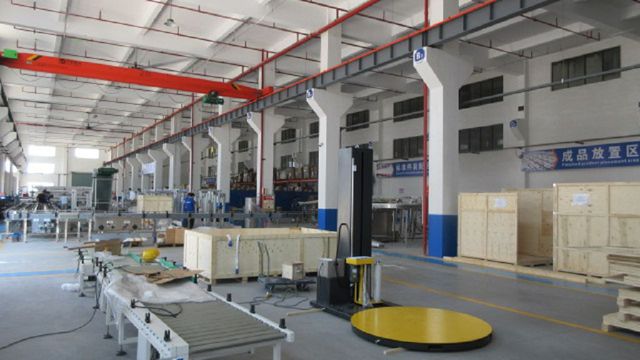
Shenzhen JK Logistics Co., Ltd. is a leading Warehouse Conveyor Systems Manufacturer specializing in material handling, sorting systems, and logistics automation solutions. Operating out of Shenzhen, China, the company develops and manufactures intelligent automation equipment designed to optimize operational efficiency, streamline material flow, and support the growing demands of global supply chains.
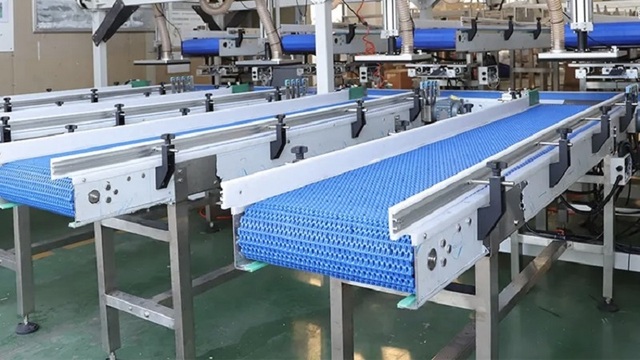
With years of experience in warehouse and logistics automation, JK Logistics provides integrated solutions covering material handling systems, warehouse conveying equipment, automated sorting technologies, order fulfillment automation, pallet handling, distribution center infrastructure, and smart logistics integration. These systems are widely used in e-commerce fulfillment centers, retail distribution networks, third-party logistics (3PL) operations, manufacturing facilities, and parcel processing hubs.
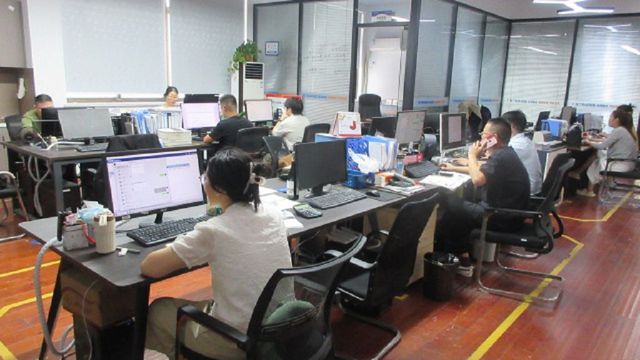
The company is committed to delivering reliable, scalable, and customized automation solutions. Their engineering team collaborates closely with customers to analyze operational requirements, warehouse layouts, throughput objectives, and future expansion plans. By combining automation technology with practical logistics expertise, JK Logistics builds systems that improve productivity, reduce manual handling, enhance accuracy, and streamline operations.

Operating across international borders requires strict adherence to regional safety standards, electric codes, and operational guidelines. Modern MCF factories must design their products with global compliance in mind.
When supplying equipment to regions like North America or the European Union, compliance with safety certifications is critical. Systems must carry certifications such as the CE Mark, UL/CSA standards, and conform to ISO 9001:2015 quality management frameworks.
By designing systems to meet these strict global standards from the start, suppliers help logistics companies avoid expensive customs holds, pass local safety inspections smoothly, and lower liability risks in their facilities.
Automation needs vary significantly by industry sector, geographical location, and order profile. Here is how advanced fulfillment systems resolve real-world logistical challenges across key application scenarios.
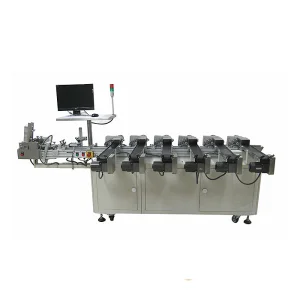
High-volume sales peaks—such as Black Friday or Double 11—require systems capable of handling thousands of parcels per hour. Utilizing automated scanning, weighing, and sorting conveyors with vision-guided camera systems ensures packages are read, measured, and routed to the correct shipping lane within seconds.
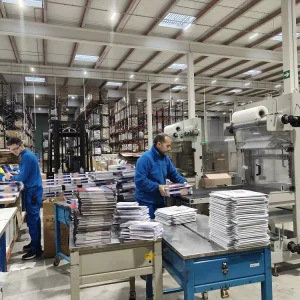
Third-party logistics (3PL) operations require high flexibility to handle diverse product shapes and quick turnarounds. Systems deployed in regional hubs (e.g., in Spain or the UK) automate reverse logistics, helping process, sort, check, and restock returned items quickly to minimize inventory losses.
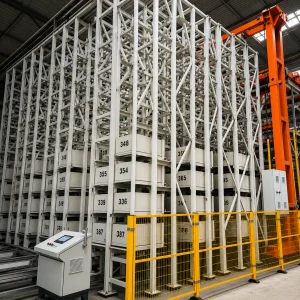
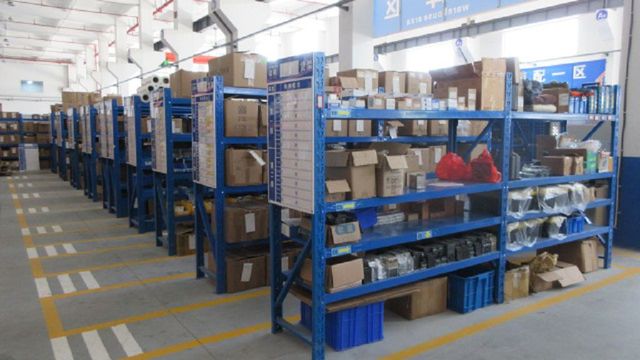
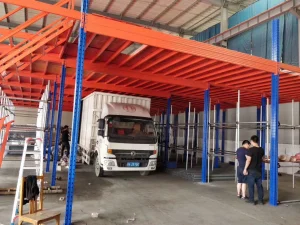
In urban areas where land costs are high, maximizing vertical space is crucial. Automated Storage and Retrieval Systems (AS/RS) and multi-level mezzanine racks allow facilities to increase storage density by up to 300% compared to traditional ground-level shelving.
Fulfillment infrastructure is shifting toward modular layouts, energy-efficient designs, and deeper integration with artificial intelligence. Key industry developments include:
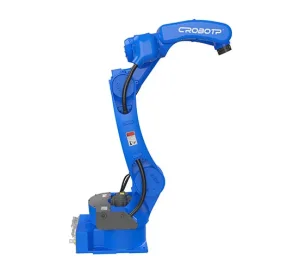
Energy-Saving Automation: Next-generation palletizing and material handling robots are built with energy-recovery circuits. Using low-wattage motors (such as 1 kW configurations) helps large facilities lower their carbon footprint and reduce overall electricity expenses.
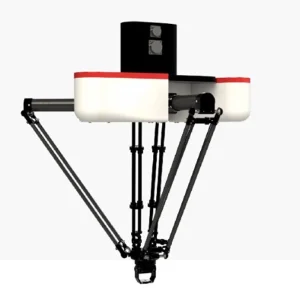
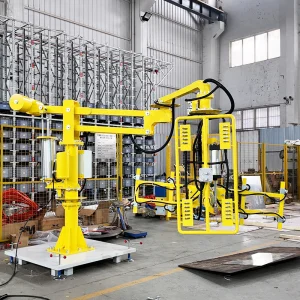
Collaborative Robotics (Cobots): Traditional robotic arms required heavy safety cages and separated zones. Modern multi-axis parallel robots use advanced force-feedback sensors, allowing them to work safely alongside human teams to pack, pick, and sort goods.
WES & WMS Integration: Automated hardware is increasingly connected to intelligent Warehouse Execution Systems (WES). These systems dynamically re-route conveyor belts, adjust sorting speeds based on real-time order volume, and diagnose mechanical issues before they cause downtime.
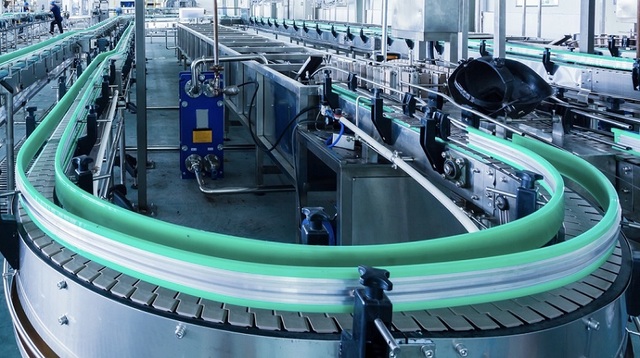
A structured evaluation framework helps procurement managers select reliable fulfillment suppliers that align with their operational goals.
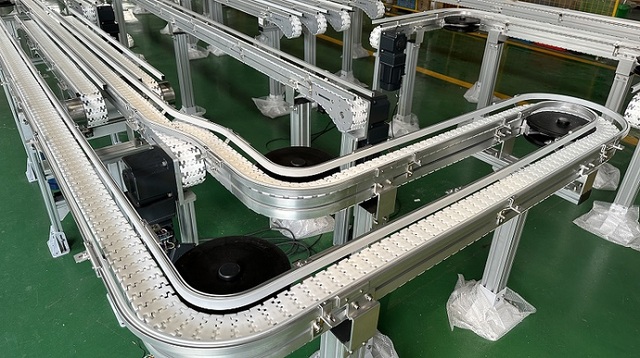
To ensure long-term operational success, evaluate prospective equipment manufacturers across these core competencies:
Professional advice from industry engineers to help you navigate logistics automation investments.
Most mid-to-large-scale e-commerce facilities see a return on investment within 18 to 36 months. The timeline varies based on local labor costs, throughput gains, and reductions in error rates. Automating sorting and conveying also lowers product damage and reduces dependencies on temporary seasonal labor.
Modern logistics hubs use high-precision scanning, dimensioning, and weighing systems. These tools capture package dimensions and weights in real-time, allowing downstream divert mechanisms (like cross-belt or pop-up rollers) to handle items of varying shapes and sizes—from heavy cartons to soft polybags—without damaging the packaging.
We recommend setting up a preventive maintenance schedule, which includes regular belt inspections, bearing lubrication, and sensor calibration. Using automated diagnostics through your PLC and control panels helps identify wear early, allowing your team to replace components before a breakdown occurs.
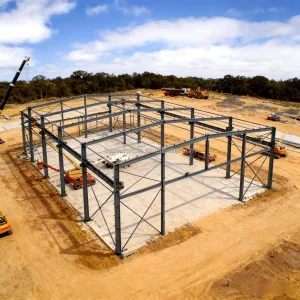
High-density racking systems must safely support heavy loads under continuous daily use. Specifying high-grade structural steel, such as Q235 steel, ensures high load-bearing capacity and resistance to deformation. This structural integrity is essential for worker safety and the protection of stored goods.
 JK Logistics