Explore our curated selection of high-performance components and automated machinery designed for modern distribution centers, sorting hubs, and precision industrial systems.
In the era of hyper-velocity commerce and structural labor shortages, intralogistics has shifted from a cost-center bottleneck to a principal lever of competitive advantage. Modern Warehouse Resource Management (WRM) goes far beyond static storage and manual pallet shifting. It represents a complex fusion of physical automation, sensory Edge IoT devices, and cyber-physical execution software (WCS/WES) that coordinates workflows in real-time.
Global supply chain networks face unprecedented pressure to achieve same-day order fulfillment while mitigating operational overheads. Leading manufacturers and factories in this sector are addressing these pressures by deploying intelligent systems that bridge physical material flow with cloud-level management software. By integrating automated sorting lines, dynamic storage cells, and smart control components, organizations can optimize their spatial efficiency, reduce error rates, and establish end-to-end traceability across international nodes.
Shenzhen JK Logistics Co., Ltd. is a professional Warehouse Conveyor Systems Manufacturer specializing in material handling, sorting systems, and logistics automation solutions for modern warehouses, distribution centers, and industrial facilities. Based in Shenzhen, China, the company focuses on the development and production of intelligent automation equipment designed to improve operational efficiency, optimize material flow, and support the growing demands of global supply chains.
With extensive experience in warehouse and logistics automation, JK Logistics provides integrated solutions covering material handling systems, warehouse conveying equipment, automated sorting technologies, order fulfillment automation, pallet handling solutions, distribution center infrastructure, and smart logistics integration. These solutions are widely used in e-commerce fulfillment centers, retail distribution networks, third-party logistics operations, manufacturing facilities, and parcel processing hubs.
The company is committed to delivering reliable, scalable, and customized automation solutions that address the challenges of modern warehousing. Its engineering team collaborates closely with customers to analyze operational requirements, warehouse layouts, throughput objectives, and future expansion plans. By combining automation technology with practical logistics expertise, JK Logistics develops systems that improve productivity, reduce manual handling, enhance accuracy, and streamline warehouse operations.
Equipped with advanced manufacturing capabilities and comprehensive quality management processes, the company maintains strict standards throughout design, production, testing, and installation. Continuous investment in research and development enables JK Logistics to incorporate intelligent control technologies, data-driven automation, and flexible system integration into its solutions.
Serving customers across Asia, Europe, North America, South America, the Middle East, and other international markets, Shenzhen JK Logistics Co., Ltd. is dedicated to providing efficient warehouse conveyor systems and logistics automation solutions that help businesses improve operational performance, increase supply chain efficiency, and adapt to the evolving requirements of modern distribution and fulfillment environments.
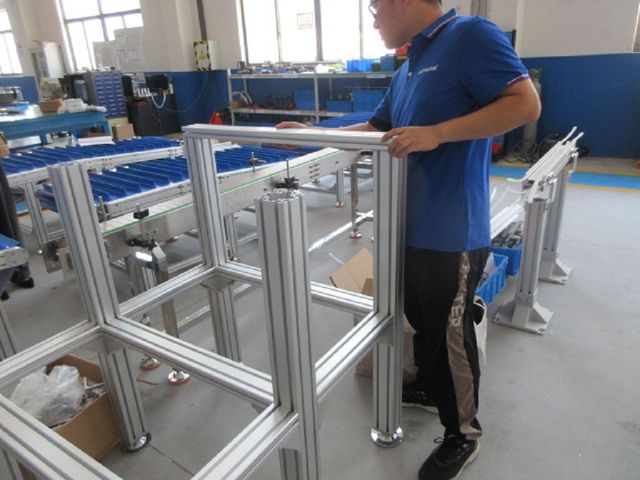
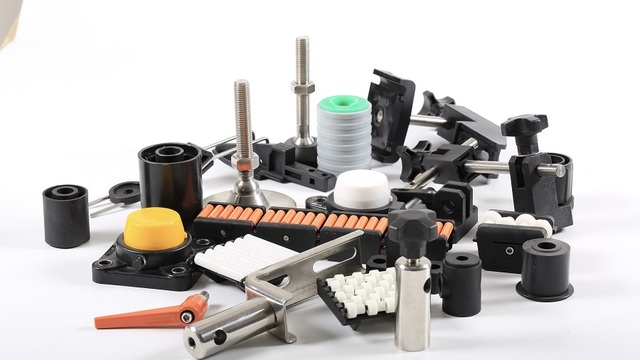

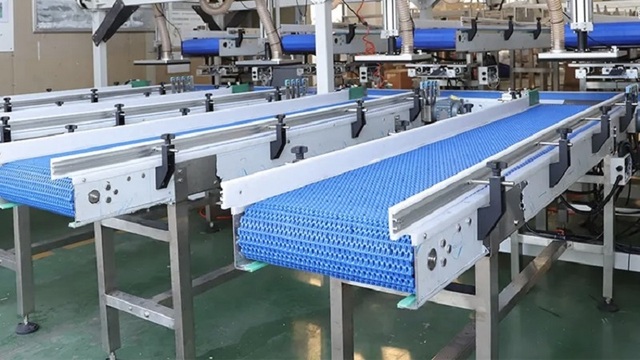
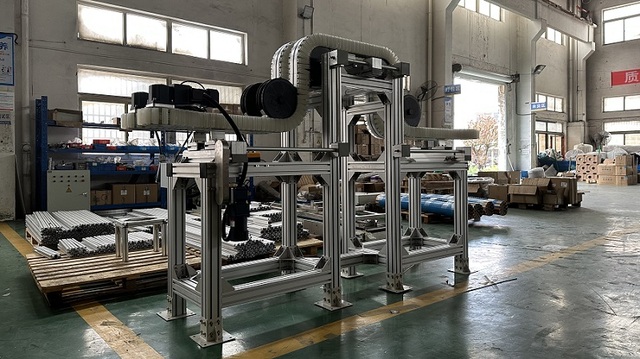
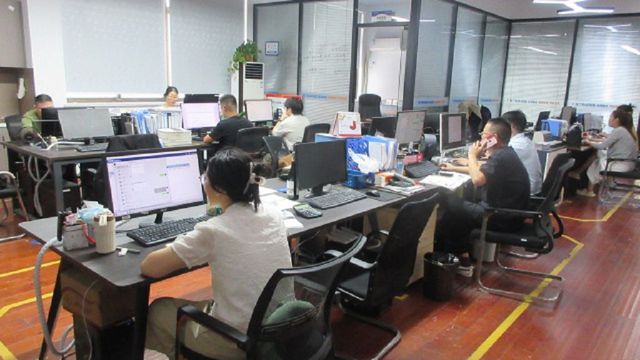
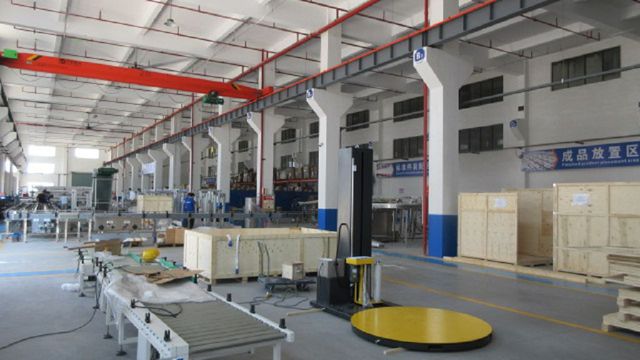
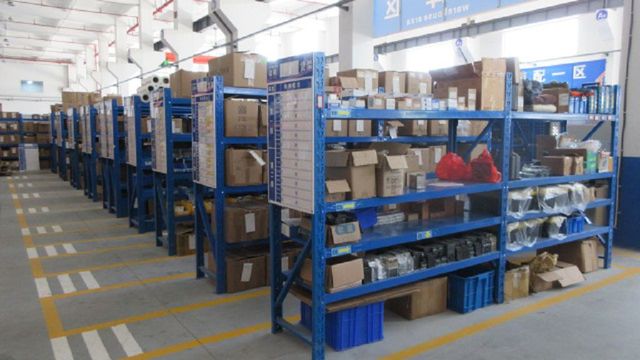
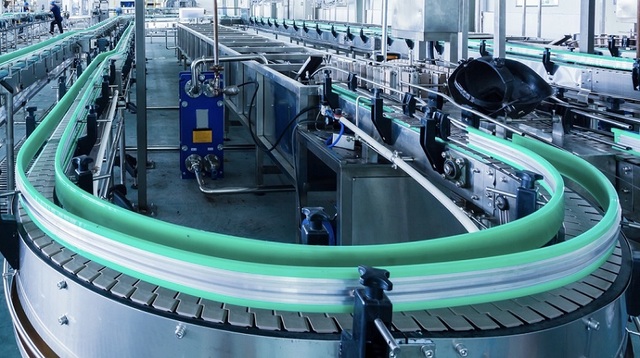
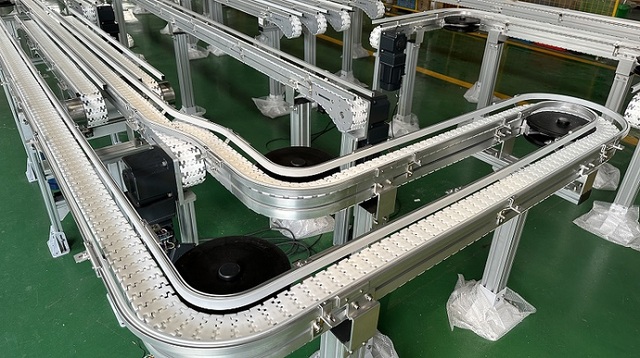
To address global supply chain volatility, system designers are moving away from isolated equipment purchases toward integrated macro-industry solutions. These modern structures resolve operational bottlenecks across diverse vertical sectors through three fundamental methodologies:
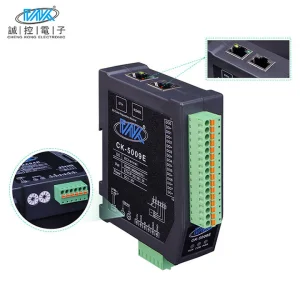
Industrial components, such as Modbus TCP PLC modules and RFID scanner nodes, capture floor-level event telemetry. This data is structured and uploaded to cloud-based execution software (WES) to enable real-time routing optimization.
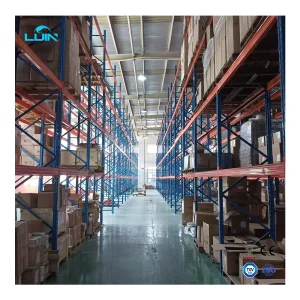
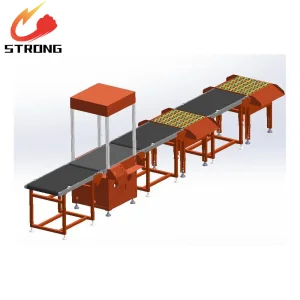
Integrating automated wheel sorters and DWS (Dimensioning, Weighing, and Scanning) systems directly with heavy-duty pallet racks enables uninterrupted inventory routing from entry bays to storage slots.
Advanced PLC software monitors conveyor bottlenecks. If a downstream sorting arm experiences load delays, upstream systems automatically reroute items to secondary tracks to prevent gridlock.
The global demand for Warehouse Resource Management hardware exhibits distinct regional dynamics. Manufacturers must understand these variations to design system configurations that align with local operational preferences:
| Geographic Region | Dominant Regulatory / Structural Factors | Preferred Technology Implementations |
|---|---|---|
| North America | High labor costs, strict OSHA compliance, requirements for rapid ROI cycles. | Heavy-duty automated storage systems, fast sorting lines, and integrated RFID check-out kiosks. |
| European Union | Strict environmental regulations, limited expansion areas, high CE and EN safety mandates. | Energy-efficient conveyor rollers, vertical mezzanine racking systems, and low-footprint automated storage. |
| Asia-Pacific | Rapid growth in e-commerce, large-scale industrial zones, dense urbanization. | High-volume belt sorters, automated robotic press lines, and cost-effective AMR fleets. |
Deploying hardware in international markets requires strict adherence to safety, environmental, and communications engineering standards. Equipment and distribution systems must conform to standard regional protocols to verify reliability and facilitate seamless integration:
All heavy-duty pallet systems and mezzanine platforms are calculated under RMI (Rack Manufacturers Institute) and EN 15512 guidelines. These standards ensure structurally sound designs under static and seismic load cycles.
Integrated control modules, distribution enclosures, and power units comply with CE, UL, and IP65 waterproof standards. This guarantees high thermal and fault isolation performance in industrial settings.
Data transmission modules operate via standard Modbus TCP/IP, EtherNet/IP, or Profinet protocols. This simplifies connection to existing SCADA, MES, or local PLC environments.
Understanding the practical application of logistics equipment requires examining specific operational scenarios. Below are three deployment models demonstrating how hardware integrates into actual workflows:
In rapid-response distribution hubs, processing speed is critical. E-commerce sites deploy DWS automated wheel sorters at the output of pick zones. The system scans incoming packages, measures dimensions, verifies weights, and sorts items into designated dispatch chutes in a continuous flow. This architecture minimizes manual touchpoints and mitigates order dispatch errors.
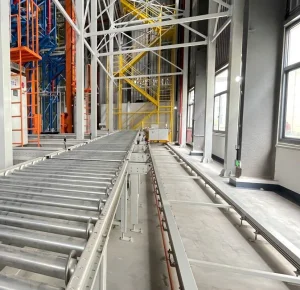
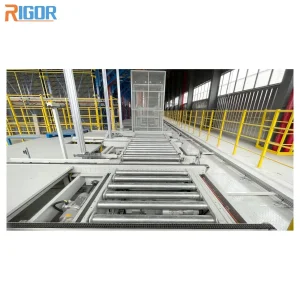
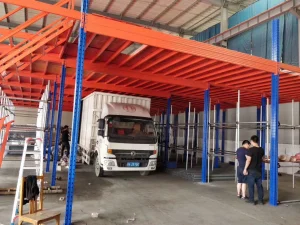
Automobile and appliance assembly lines require structured, reliable components nearby. Q235 structural steel racking systems and high-bay mezzanines maximize vertical space for storing heavy castings and parts. Integrated roller conveyor lines transport heavy bins directly to assembly areas, helping to maintain efficient, scheduled operations.
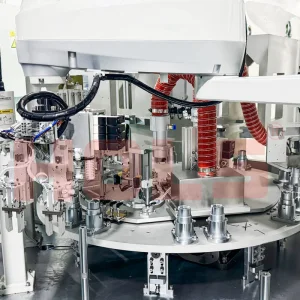
Electronics and precision machinery require organized assembly processes. Precision assembly conveyor systems, complete with integrated distribution boxes and Modbus-compatible IO controllers, regulate item movements between stations. This layout ensures even workflow distribution and supports real-time quality control checks.
The logistics industry is transitioning toward fully autonomous and software-driven systems. Key trends shaping the evolution of Warehouse Resource Management include:
Next-generation controllers will dynamically adjust conveyor pathing based on real-time facility load indicators, rather than relying on pre-programmed logic routes.
Sensors on conveyor pulleys and motor assemblies will monitor vibration patterns and temperature fluctuations, predicting component wear before equipment failure occurs.
Future conveying systems will run on modular, 48V run-on-demand motorized rollers. These systems activate zones only when packages are present, reducing facility energy consumption.
Explore additional products designed to support automated workflows, precise manufacturing operations, and heavy-duty logistics storage:
 JK Logistics