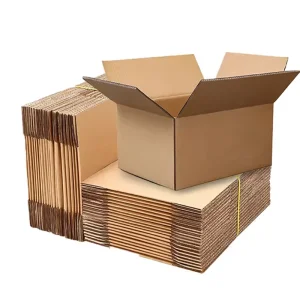
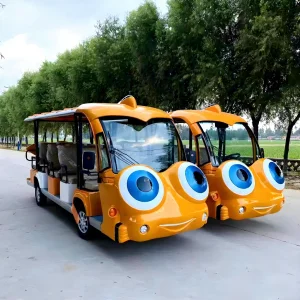
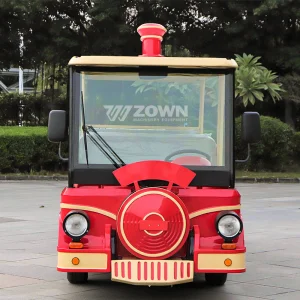
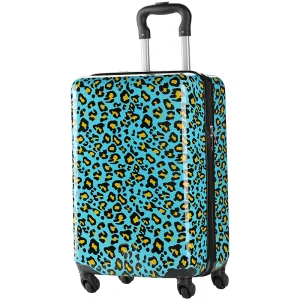
Advanced conveyor modules, customizable mailer cartons, and heavy-duty electric shuttle systems optimized for Melbourne's strict shipping lanes.
Melbourne has firmly established itself as Australia’s primary logistical gateway, housing the nation’s largest container port and extensive industrial hubs. The suburban ring spanning from Truganina, Derrimut, and Altona in the west to Dandenong South and Braeside in the south-east forms the backbone of Victoria's distribution power. These precincts require high-capacity, heavy-duty carton transport systems designed to process and transport huge volumes of consumer goods, fresh produce, and industrial components daily.
The skyrocketing growth of e-commerce, coupled with post-pandemic supply chain restructuring, has forced warehouse operators throughout Melbourne to move away from legacy manual processing systems. Modern distribution complexes demand automated carton transport and sorting structures that maximize throughput while conforming to tight physical spaces. In Melbourne’s competitive retail environment, companies face rising floor space costs and labor shortages, making automated material handling an absolute necessity for retaining market competitiveness.
Furthermore, Melbourne's local supply chain network is heavily integrated with the Port of Melbourne, meaning inbound shipments must be quickly unpalletized, sorted, conveyed, and routed to regional depots. This creates an immediate need for robust carton transport solutions that handle varied carton sizes, weights, and packaging materials—ranging from recycled lightweight corrugated mailers to heavy double-walled shipping boxes—without structural damage or system downtime.
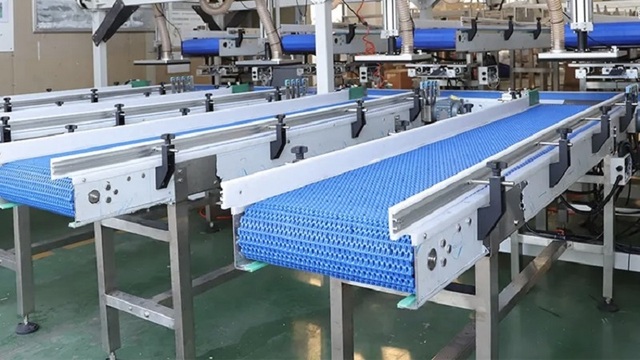
Shenzhen JK Logistics Co., Ltd. is a professional Warehouse Conveyor Systems Manufacturer specializing in material handling, sorting systems, and logistics automation solutions for modern warehouses, distribution centers, and industrial facilities. Based in Shenzhen, China, the company focuses on the development and production of intelligent automation equipment designed to improve operational efficiency, optimize material flow, and support the growing demands of global supply chains.
With extensive experience in warehouse and logistics automation, JK Logistics provides integrated solutions covering material handling systems, warehouse conveying equipment, automated sorting technologies, order fulfillment automation, pallet handling solutions, distribution center infrastructure, and smart logistics integration. These solutions are widely used in e-commerce fulfillment centers, retail distribution networks, third-party logistics operations, manufacturing facilities, and parcel processing hubs.
The company is committed to delivering reliable, scalable, and customized automation solutions that address the challenges of modern warehousing. Its engineering team collaborates closely with customers to analyze operational requirements, warehouse layouts, throughput objectives, and future expansion plans. By combining automation technology with practical logistics expertise, JK Logistics develops systems that improve productivity, reduce manual handling, enhance accuracy, and streamline warehouse operations.
Equipped with advanced manufacturing capabilities and comprehensive quality management processes, the company maintains strict standards throughout design, production, testing, and installation. Continuous investment in research and development enables JK Logistics to incorporate intelligent control technologies, data-driven automation, and flexible system integration into its solutions. Serving customers across Asia, Europe, North America, South America, the Middle East, and other international markets, Shenzhen JK Logistics Co., Ltd. is dedicated to providing efficient warehouse conveyor systems and logistics automation solutions that help businesses improve operational performance, increase supply chain efficiency, and adapt to the evolving requirements of modern distribution and fulfillment environments.
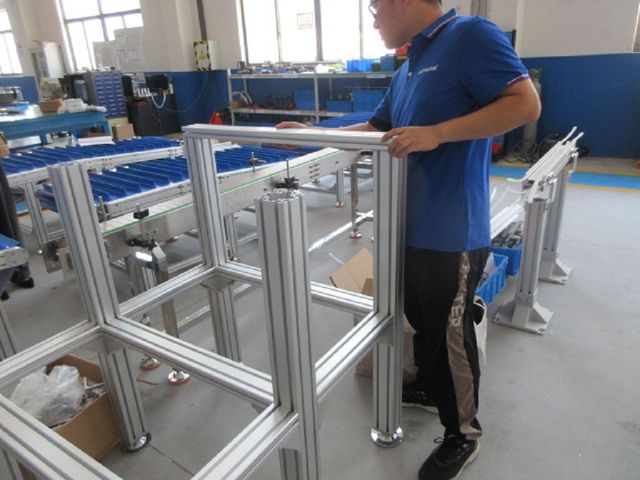

Procuring industrial-grade carton transport solutions involves navigating strict structural and technological benchmarks. Global logistics operators look for specific operational variables before choosing a manufacturer or system integrator. Key factors include:
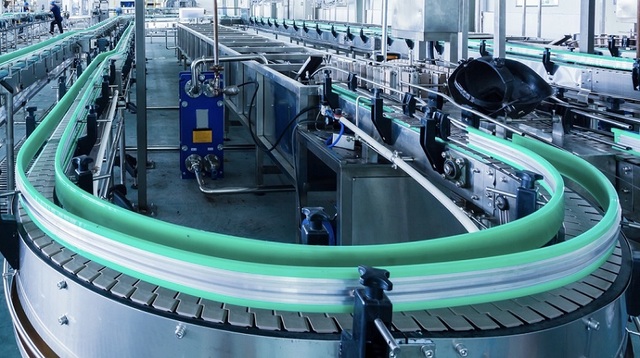
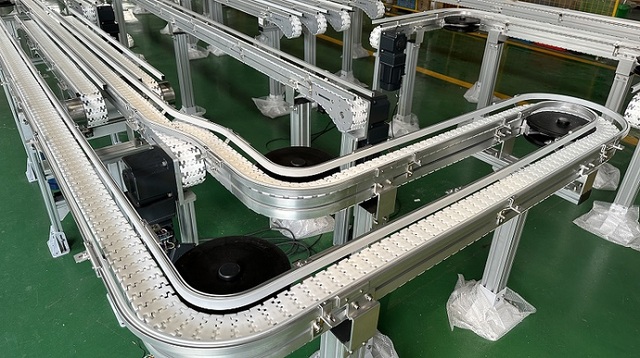
To keep pace with rising delivery demands, logistics hubs must deploy high-speed sorting and conveying architectures. Implementing Zero-Pressure Accumulation (ZPA) systems prevents damage to fragile goods during backpressure build-up. Additionally, cross-belt and shoe sortation setups route and distribute parcels to their correct delivery zones with minimal human intervention.
These macro solutions are designed to support hybrid packaging workflows. Whether handling rigid corrugated cartons, soft polymer mailers, or heavy transport crates, our conveyor systems adjust their speed, torque, and pressure automatically to keep the product stream flowing smoothly.
Local decentralized PLCs analyze carton transit speed and volume in real-time, adjusting line speeds automatically to avoid blockages.
Zero-Pressure Accumulation keeps cartons close together without touching, protecting valuable products and fragile packaging.
Motorized Driven Rollers activate only when a carton is detected, cutting energy usage by up to 40% compared to traditional continuous-run systems.
The materials handling sector is undergoing a major technological shift. In the coming decade, carton transport solutions will transition from simple mechanical conveyance to fully autonomous systems. Industrial research centers are currently focusing on:
Installing conveyor and sorting hardware in Australia requires strict adherence to local safety and electrical guidelines. All machines supplied to the Melbourne market must meet the AS4024 Safety of Machinery standards, which mandate emergency-stop architectures, physical safety guarding, and safe-distance calculations.
Additionally, electrical systems must conform to AS/NZS 3000 wiring standards to ensure reliable operation under local electrical grids. WorkSafe Victoria also enforces strict guidelines for manual handling, highlighting the importance of installing ergonomic conveying solutions that protect warehouse personnel from strain injuries.
Shenzhen JK Logistics Co., Ltd. ensures all supplied components meet or exceed these Australian requirements. By partnering with local Victoria-based engineering consultants, the company offers onsite commissioning, local diagnostic checks, and rapid spare-parts replacement to keep Melbourne systems running smoothly.
Key technical and logistical information regarding carton transport systems and conveyor automation for Melbourne businesses.
Conveyor systems in Victoria must comply with AS4024.1 (Safety of Machinery series) and AS/NZS 3000 (Electrical Installations). They must feature protective safety guards, pull-cord emergency stops, and low-voltage control systems to protect workers and maintain regulatory compliance.
ZPA conveyor systems divide the line into independent, sensor-controlled zones. Cartons can accumulate without touching, eliminating backpressure and preventing packages from crushing or piling up, which is vital for e-commerce hubs handling varied product sizes.
Custom design and manufacturing at JK Logistics take approximately 6 to 8 weeks, followed by 3 to 4 weeks of maritime shipping from Shenzhen to the Port of Melbourne. Onsite installation and commissioning typically take an additional 1 to 2 weeks.
Motorized Driven Roller (MDR) systems segment conveyors into individual zones, activating only the motors directly beneath moving cartons. Traditional continuous conveyors run their entire line constanty, whereas MDR systems can cut energy consumption by up to 40%.
Explore our wide range of transport, moving, packaging, and commercial shuttle products serving the Melbourne market.
 JK Logistics