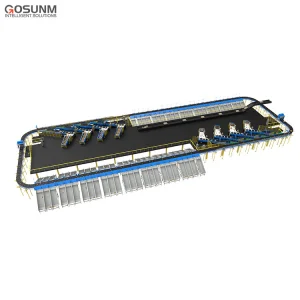
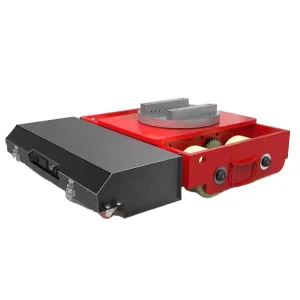
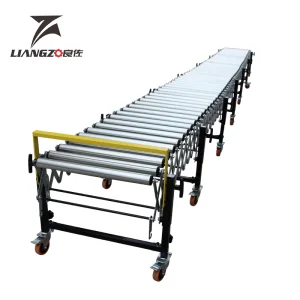
Premium material handling systems optimized for high density and rapid sorting environments across Seoul Hubs.
Seoul is the heartbeat of South Korea’s hyper-competitive e-commerce market—a region known globally for having one of the highest e-commerce penetration rates. Driven by pioneering consumer demands like "Dawn Delivery" (새벽배송) and "Same-Day Delivery" (당일배송), local industry giants such as Coupang, Naver Shopping, Market Kurly, and SSG demand unprecedented throughput efficiency and sorting accuracy from their logistics networks.
However, operating a logistics center in or around the Seoul Metropolitan Area (including Gyeonggi-do transit clusters like Icheon, Yongin, and Gimpo) presents unique geographical hurdles. High industrial land acquisition costs force logistics providers to build vertically rather than horizontally. Consequently, modern micro-fulfillment centers (MFCs) and mega distribution nodes require highly compact, verticalized, and modular material handling equipment to maximize spatial yields and manage peak daily volumes.
As a leading warehouse automation pioneer, Shenzhen JK Logistics Co., Ltd. is a professional Warehouse Conveyor Systems Manufacturer specializing in material handling, sorting systems, and logistics automation solutions for modern warehouses, distribution centers, and industrial facilities. Based in Shenzhen, China, our company focuses on the development and production of intelligent automation equipment designed to improve operational efficiency, optimize material flow, and support the growing demands of global supply chains.
We supply high-spec machinery customized specifically for the unique physical footprints of Seoul's multi-tier warehouses, helping Korean companies implement reliable, space-saving operations that meet local commercial requirements and global performance standards.
The logistics nodes of Gyeonggi-Incheon suffer from high labor turnover and climbing minimum wages. Manual parcel handling is no longer a viable path to scale. Modern facilities are transitioning to light-speed digital routing where human touches are minimized. To accomplish this, JK Logistics leverages key integrations:
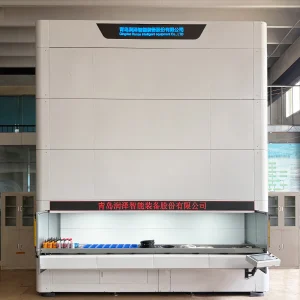
Traditional sorting racks occupy massive footprints. Our Vertical Lift Modules (VLMs) store up to 4000kg of goods vertically, using automated trays that retrieve inventory directly to the packing station, saving up to 85% of floor space.
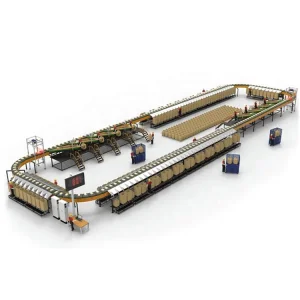
Our Dimensioning, Weighing, and Scanning (DWS) systems combine laser scanning with dynamic scale measurements, capturing dimensional data and barcodes at speed, ensuring zero bottlenecking before dispatch.
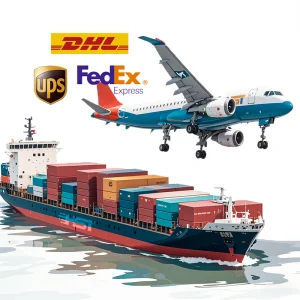
With Shenzhen's massive shipping clusters nearby, we facilitate ultra-low shipping rates and direct courier routing (DHL, Fedex, UPS) to simplify spare parts delivery and modular equipment exports straight to Incheon Port.
Why do prominent logistics engineers in Seoul collaborate with Shenzhen JK Logistics? The answer lies in the structural efficiency of our industrial base. Shenzhen is the global epicenter for electronics, automation control components, and precision CNC manufacturing. This concentration allows us to source high-grade steel, Japanese Omron PLC controllers, German SEW-Eurodrive gearmotors, and premium sensors at a fraction of the cost found in other regions.
With extensive experience in warehouse and logistics automation, JK Logistics provides integrated solutions covering material handling systems, warehouse conveying equipment, automated sorting technologies, order fulfillment automation, pallet handling solutions, distribution center infrastructure, and smart logistics integration. These solutions are widely used in e-commerce fulfillment centers, retail distribution networks, third-party logistics operations, manufacturing facilities, and parcel processing hubs.
By designing and fabricating in Shenzhen, we pass on massive capital cost savings to Seoul operators while maintaining premium performance metrics. Each component is thoroughly assembled, wired, and test-run in our factory prior to shipping, ensuring rapid assembly once arrived in Korea.
Engineering compliance and seamless integration protocols that meet the stringent requirements of Korean distribution operators.
All dynamic mechanical parts, motor drives, and control panels are engineered to conform with Korea's National KC certification, guaranteeing safety and compliance on-site.
Our systems communicate natively using TCP/IP, Modbus, and EtherCAT protocols, allowing hassle-free linking with existing Korean Warehouse Management Systems (WMS).
Utilizing high-efficiency variable frequency drives (VFDs) and smart sleep modes, our conveyor systems actively conserve power during low-throughput windows.
Our engineering team collaborates closely with customers to analyze operational requirements, warehouse layouts, throughput objectives, and future expansion plans.
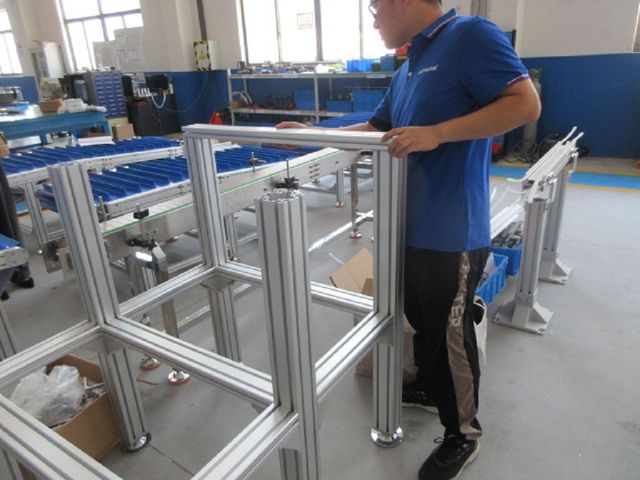
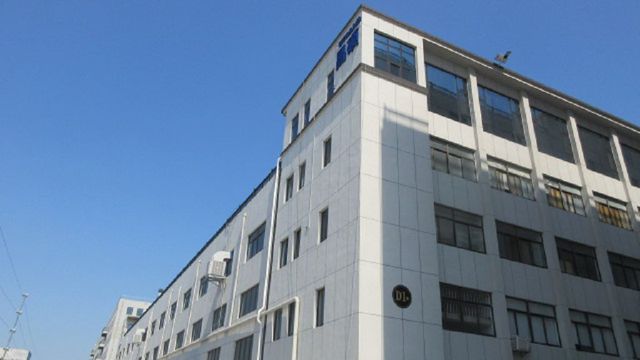
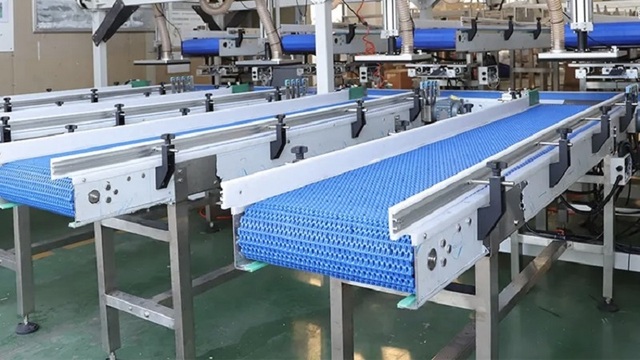
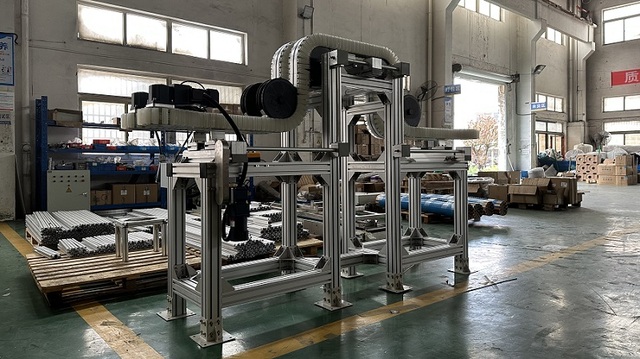
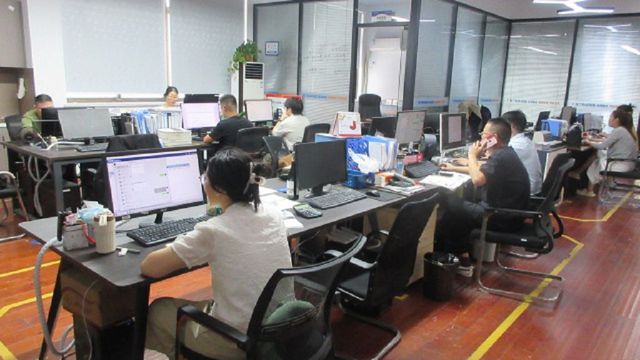
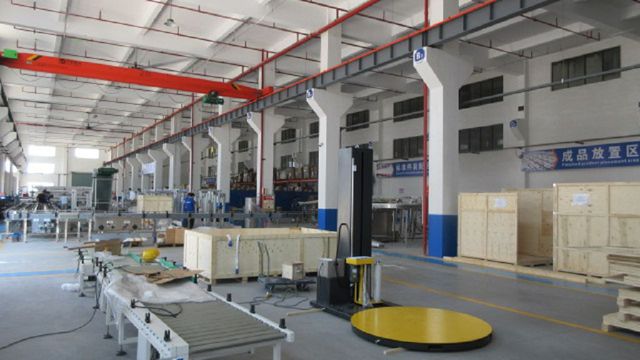
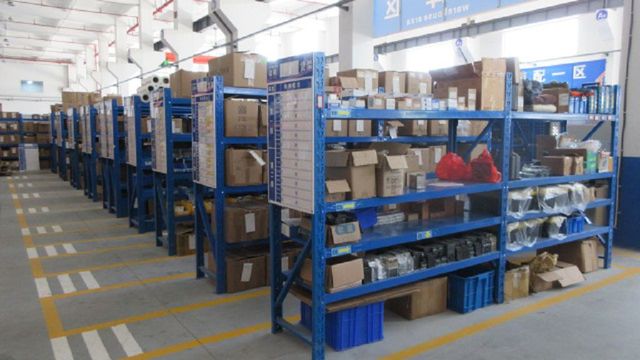
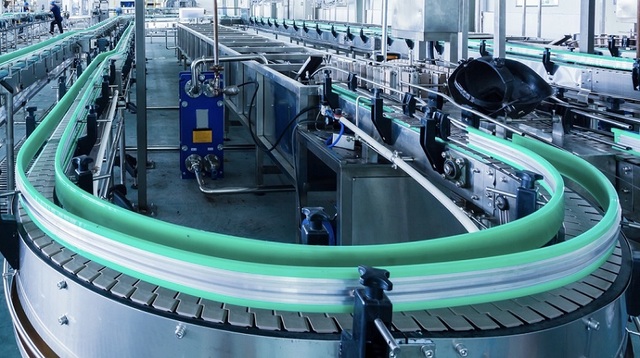
Send Inquiry NowTake an inside look at our manufacturing center, where advanced automated systems are calibrated before being shipped to Seoul.
Equipped with advanced manufacturing capabilities and comprehensive quality management processes, the company maintains strict standards throughout design, production, testing, and installation. Continuous investment in research and development enables JK Logistics to incorporate intelligent control technologies, data-driven automation, and flexible system integration into its solutions.
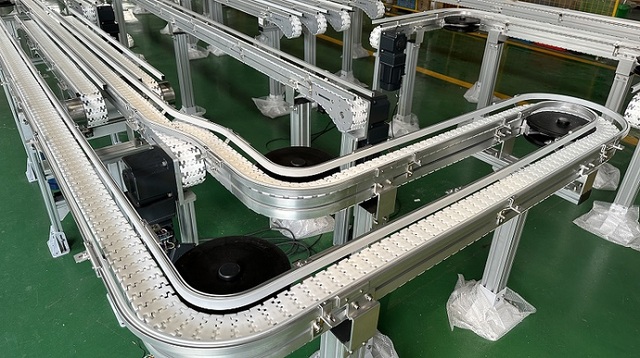
To maintain high market share and information gain, logistics operators must look forward at emerging tech integrations. The transition from simple manual handling to complete dark-store automation is accelerating. Here are the core technologies driving the Seoul logistics space in 2025 and beyond:
Serving customers across Asia, Europe, North America, South America, the Middle East, and other international markets, Shenzhen JK Logistics Co., Ltd. is dedicated to providing efficient warehouse conveyor systems and logistics automation solutions that help businesses improve operational performance, increase supply chain efficiency, and adapt to the evolving requirements of modern distribution and fulfillment environments.
Explore our wide array of automated packaging, dynamic sorting, and space-saving vertical storage systems built for high-performance warehousing.
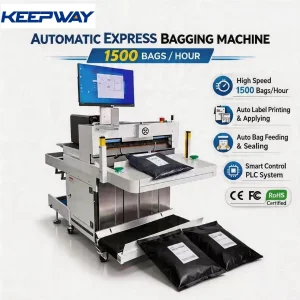
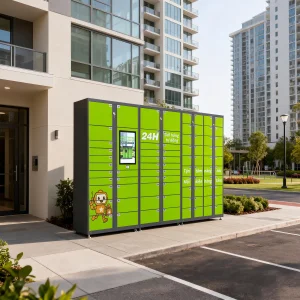
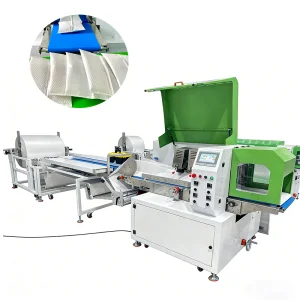
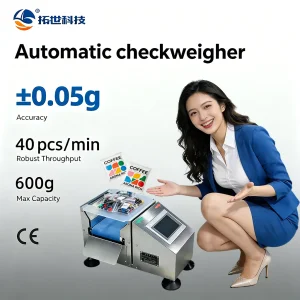
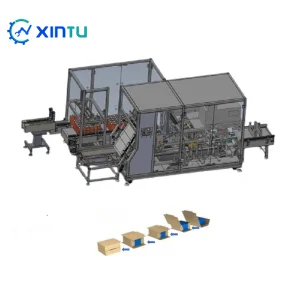
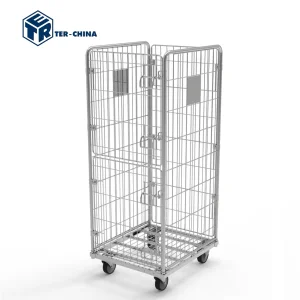
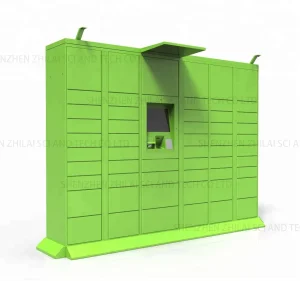
Rounding out your warehouse workflow from entry dock to parcel pick-up with premium structural equipment.
Find direct answers regarding custom system design, local South Korean compliance, delivery timelines, and installation support.
Leverage our Shenzhen engineering factory's capabilities to customize high-performance conveyor networks, smart sorting lines, and vertical automation systems at unbeatable price-to-performance points.
 JK Logistics