High-throughput sorting, vertical storage solutions, and global cargo solutions customized for Argentinian distribution networks.
An authoritative analysis of South America's digital commerce acceleration, supply chain bottlenecks, and the urgent transition to automated handling.
The e-commerce ecosystem in South America, led by market giants such as Mercado Libre and supported by robust local parcel networks, has experienced monumental growth over the past five years. Argentina, being one of the largest economies in the region, stands at the absolute forefront of this transition. However, rapid growth brings massive infrastructure challenges. The vast geography of Argentina—extending from the high altitude provinces in the north to the remote regions of Ushuaia in the south—creates a complex logistics map. Most distribution centers remain concentrated around the Greater Buenos Aires Area (AMBA), creating critical bottlenecks that demand automated, high-precision processing equipment to achieve rapid, nationwide fulfillment.
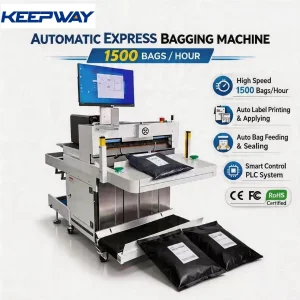
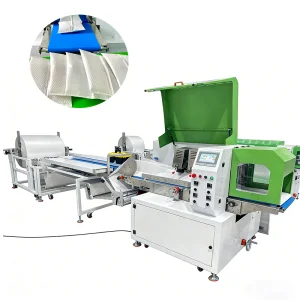
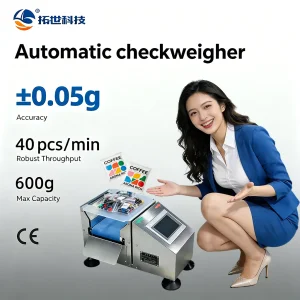
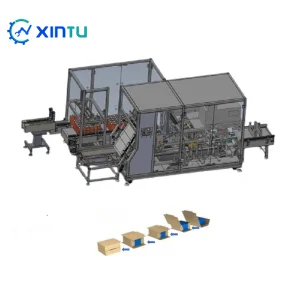
Argentine operations face unique challenges compared to North American or European markets. The local economy experiences persistent inflation, causing labor costs to fluctuate unpredictably. Manual material handling is not only slow but becomes an increasing financial risk for 3PL providers and e-retailers. Transitioning to automated sorting lines, automatic check weighers, and fully automated packaging machines (such as box packers and bubble wrap flow wrappers) provides a stable, predictable, and highly scalable solution. By automating repetitive tasks, logistics hubs can triple their throughput without relying on expanding seasonal workforces.
A vital component of executing successful automated logistics in South America is software integration. Any conveyor line, DWS scanning hub, or parcel locker system must seamlessly interact with localized ERP platforms (such as Tango and SAP Argentina) as well as the APIs of dominant domestic carriers (including Correo Argentino, OCA, Andreani, and Andreani Group). Shenzhen JK Logistics builds automation systems with open-architecture PLCs (primarily Siemens and Mitsubishi) and TCP/IP networks that permit direct communication with native WMS software. This ensures real-time updates for weight verification, volume calculation, and sorting gate directions.
Unlocking cost efficiencies, rapid customization, and rigorous quality standard testing from Shenzhen's premier conveyor system manufacturer.
Shenzhen JK Logistics Co., Ltd. is a professional Warehouse Conveyor Systems Manufacturer specializing in material handling, sorting systems, and logistics automation solutions for modern warehouses, distribution centers, and industrial facilities. Based in Shenzhen, China, the company focuses on the development and production of intelligent automation equipment designed to improve operational efficiency, optimize material flow, and support the growing demands of global supply chains.
With extensive experience in warehouse and logistics automation, JK Logistics provides integrated solutions covering material handling systems, warehouse conveying equipment, automated sorting technologies, order fulfillment automation, pallet handling solutions, distribution center infrastructure, and smart logistics integration. These solutions are widely used in e-commerce fulfillment centers, retail distribution networks, third-party logistics operations, manufacturing facilities, and parcel processing hubs.
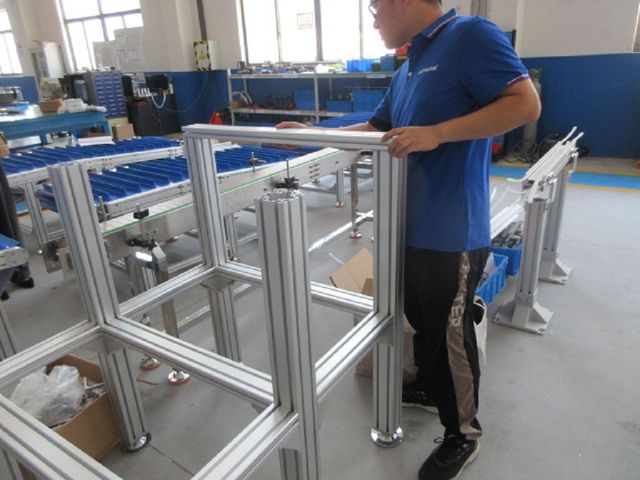
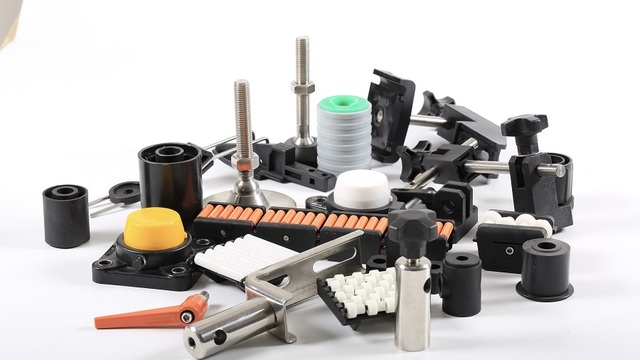

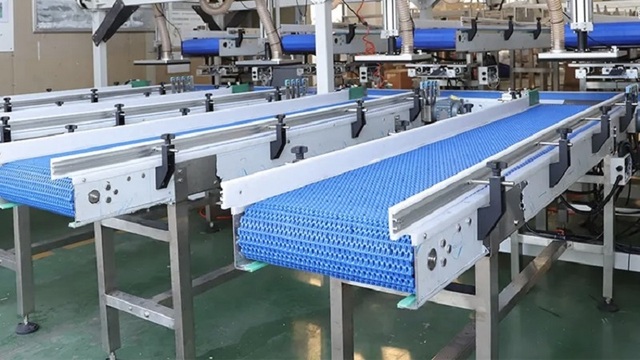
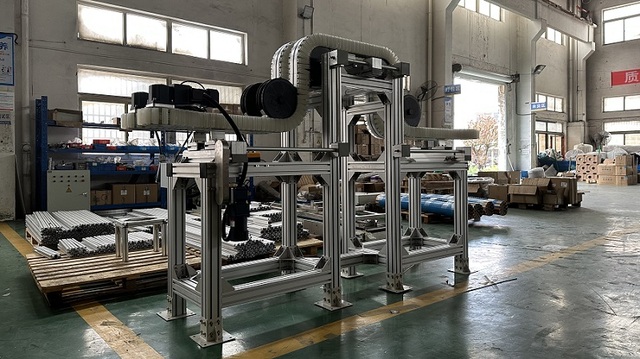
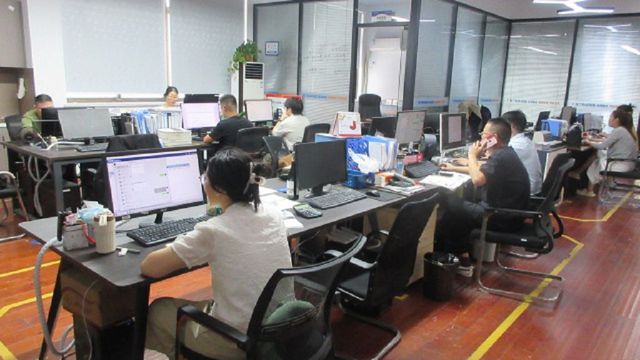
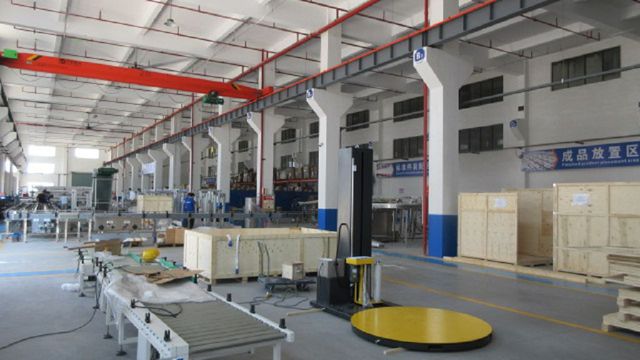
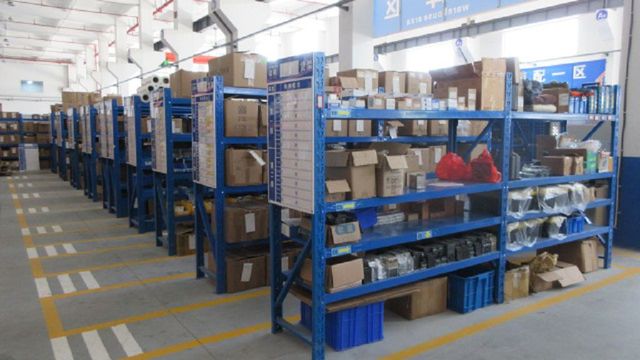
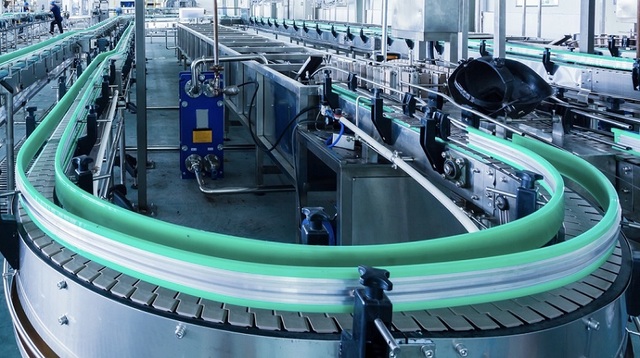
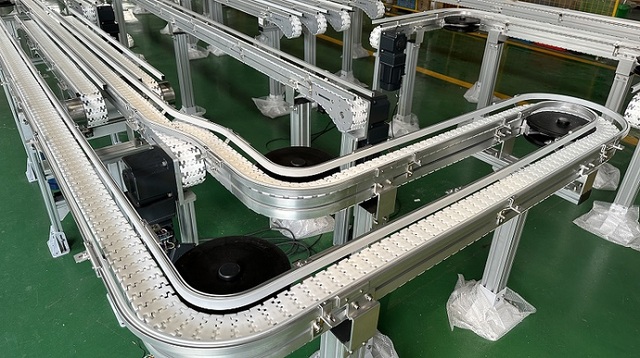
Equipped with advanced manufacturing capabilities and comprehensive quality management processes, the company maintains strict standards throughout design, production, testing, and installation. Continuous investment in research and development enables JK Logistics to incorporate intelligent control technologies, data-driven automation, and flexible system integration into its solutions.
Serving customers across Asia, Europe, North America, South America, the Middle East, and other international markets, Shenzhen JK Logistics Co., Ltd. is dedicated to providing efficient warehouse conveyor systems and logistics automation solutions that help businesses improve operational performance, increase supply chain efficiency, and adapt to the evolving requirements of modern distribution and fulfillment environments.
Adapting advanced China-made industrial equipment to the strict safety, regulatory, and electrical grid requirements of Argentina.
Argentina's power grid, particularly within the outer industrial belts of Buenos Aires and Santa Fe, can experience voltage surges and transient drops. All JK Logistics machinery built for Argentina comes with upgraded electrical cabinets featuring localized circuit breakers, high-performance surge protectors, and standard 380V, 3-Phase, 50Hz configuration to ensure operational continuity.
We configure mechanical barriers, emergency stop circuits, photo-electric sensors, and sound dampeners to comply strictly with Argentine IRAM safety codes. The physical integration prioritizes operator ergonomics, minimizing repetitive strain and maximizing safety during high-throughput peaks.
Real-time engineering and support are guaranteed through VPN-enabled remote terminal access to our PLCs. Our technical staff can diagnose software modifications and system bugs directly from Shenzhen, minimizing operational delay. Furthermore, we maintain relationships with local engineering service contractors in Buenos Aires, Rosario, and Córdoba to execute on-site mechanics and parts installation.
Sourcing large industrial equipment into Argentina requires navigating AFIP and SIRA requirements. JK Logistics provides all necessary technical documentation, commercial invoices, custom code classifications, and certificate documentation to ensure a swift, delay-free process through Argentine customs.
Explore our comprehensive range of high-efficiency conveyor mechanisms, smart parcel sorting systems, and heavy-duty storage assets.
How our automation portfolios resolve distinct logistical bottlenecks in Argentina's main commercial and industrial zones.
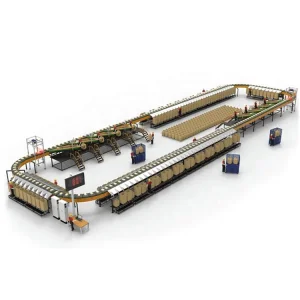
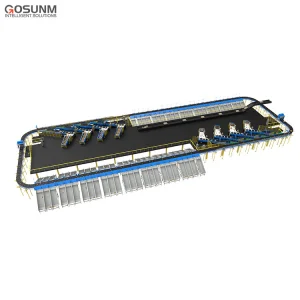
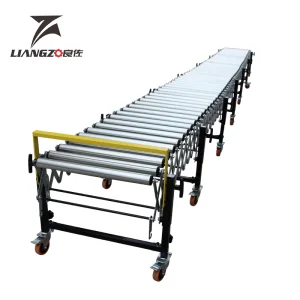
In major logistical centers such as General Pacheco, Tortuguitas, and Ezeiza, parcel processing depots handle massive daily influxes from regional cross-docking operations. The integration of Telescopic Carton Box Unloading Conveyor Belts coupled with high-speed Cross-Belt Sorting DWS Machines enables operators to unload containers directly from the Port of Buenos Aires and route packages to local distribution lines instantly. Weight and dimensional details are registered automatically, mitigating billing errors and ensuring seamless handover to local carriers.
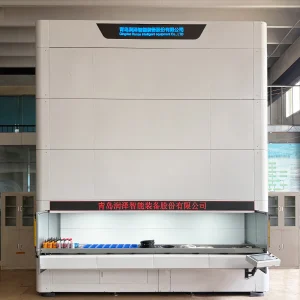
As metropolitan customers demand 2-hour delivery windows, urban warehouses are facing massive space constraints in downtown areas like Palermo, Belgrano, and San Telmo. The Vertical Lift Module (VLM) System (4000kg Capacity) provides high-density storage by utilizing overhead vertical space, reducing the physical footprint of storage sections by up to 85%. Automated mini-AGV transporters navigate tight aisles to fetch products and load order pickers, maximizing space utilization.
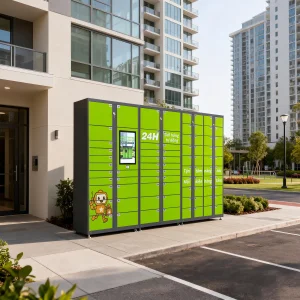
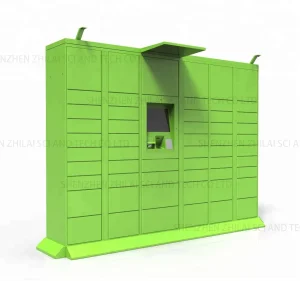
To combat delivery failure costs and security concerns, retailers in key regional capitals are implementing Intelligent Touch-Screen Parcel Lockers. Placed in busy residential blocks, universities, or supermarkets, these modular systems allow customers to collect orders at their own convenience. Outfitted with rugged, weather-resistant outer paneling and localized user-interface software, they represent the ultimate optimization for last-mile networks in Argentina.
Essential insights on customs compliance, machinery integration, and logistics coordination for Argentine importers sourcing from China.
We provide a comprehensive export documentation package to streamline import processing through AFIP (Administración Federal de Ingresos Públicos) and the SIRA database. This includes detailed HS Code classifications for conveyor components, structural steel frames, and electronics, as well as official test reports, safety declarations, and packaging lists. We work closely with your Argentine customs broker to prevent clearance issues.
Yes. Our systems feature open-architecture PLC controllers (predominantly Siemens S7 series or Mitsubishi) and standardized TCP/IP communication protocols. This allows our control systems to integrate directly with regional ERPs such as Tango, Bejerman, or SAP Argentina, and facilitates rapid connection with local carrier APIs (Correo Argentino, Andreani, OCA) to process real-time weight and dimension information.
All control panels and electrical elements designed for Argentina are built to match the local grid standards (380V, 3-Phase, 50Hz or 220V Single-Phase). Furthermore, we equip our automation racks with industrial-grade voltage stabilizers, high-quality surge protection devices (SPDs), and specialized noise filters. This guards sensitive electronics, logic boards, and drives against voltage drops or surges commonly experienced in outlying industrial parks.
We offer remote troubleshooting and program modifications via integrated VPN network bridges. This enables our senior automation team in Shenzhen to perform PLC adjustments, software revisions, and system diagnostics. For physical maintenance, we provide a complete set of critical spare parts with every shipment and maintain partnerships with local industrial technicians in Buenos Aires and Córdoba to carry out on-site repairs and maintenance.
Depending on order customization, fabrication ranges from 30 to 45 days. Ocean freight from Shenzhen Port (Shekou/Yantian) to the Port of Buenos Aires (Puerto Nuevo/Exolgan) typically takes 35 to 45 days depending on the selected shipping line (e.g., Cosco, Maersk, MSC). Overall, project delivery takes around 70 to 90 days from design sign-off to arrival on site.
Absolutely. Our automatic check weighers, bubble wrapping flow packers, and wrap-around carton box packers are fully adjustable. Through the HMI touch-screen control panel, operators can save multiple parcel dimensional presets or utilize integrated scanner setups that read the package dimension dynamically to adjust wrapping and labeling on the fly.
 JK Logistics