JK Logistics
The Perth Logistics Bottleneck: Why Automation is Critical for WA
Western Australia represents one of the most geographically isolated major industrial and commercial regions in the world. With Perth acting as the sole metropolitan hub servicing massive mineral-rich northern territories (Pilbara and Goldfields-Esperance) and dense agricultural sectors in the south, supply chain logistics must survive on high efficiency. Industrial operators based in Welshpool, Kewdale, Osborne Park, and Canning Vale face structural pressures that differ significantly from eastern Australian states.
The two largest challenges driving the adoption of Order Fulfillment Automation in Perth are labor scarcity and shipping transit delays. Because of the mining industry's wage dynamics, warehousing facilities in Western Australia experience high employee turnover and elevated operational expenditure (OPEX) when relying on manual carton-picking and sorting. High local salaries combined with long delivery pathways from interstate hubs make transit speed inside the warehouse a major competitive differentiator.
1. Geographic Isolation & Inventory Strategies
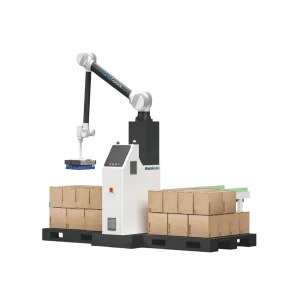
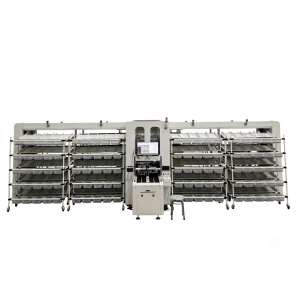
Unlike the close-knit logistics channels connecting Brisbane, Sydney, and Melbourne, Perth sits thousands of kilometers away. This means local distribution centers must carry more inventory safety stock. Larger warehouse volumes demand faster throughput and smart space utilization. High-speed automatic box picking and automated sorting systems allow facilities to densify space, handling more SKUs per square meter without adding foot traffic.
2. The Labor Constraints in Western Australia
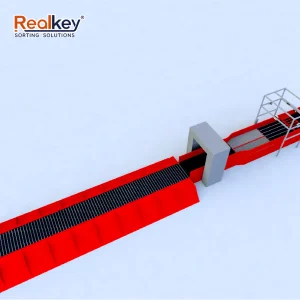
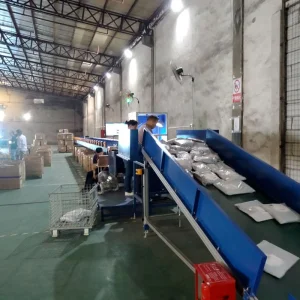
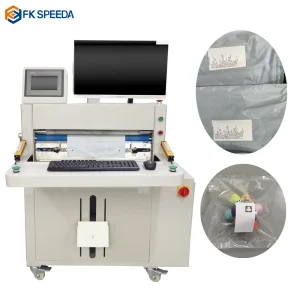
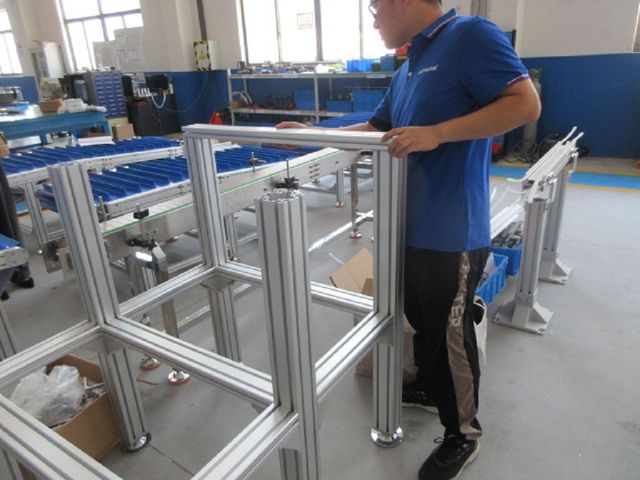
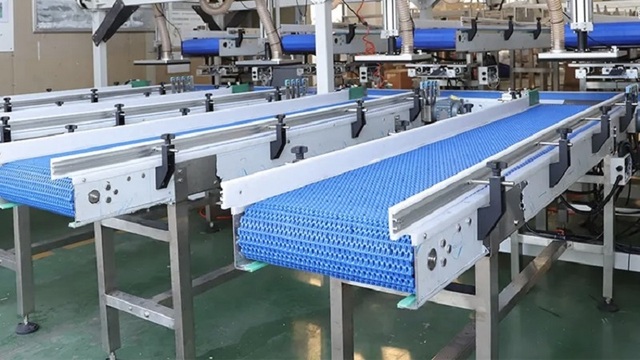
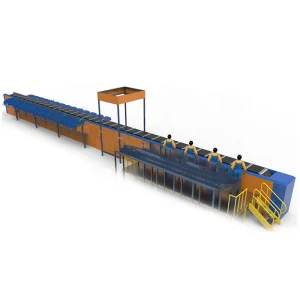
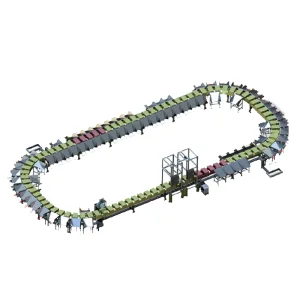
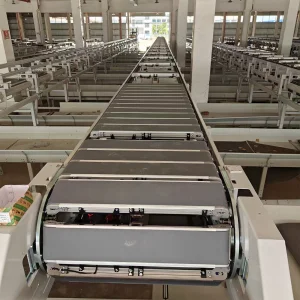
Fulfillment operations compete directly with the resource sector for blue-collar labor. Automating picking, weighing, and sorting cycles mitigates this risk. By implementing narrow belt sorters, vertical sort modules, and AGVs, logistics managers reduce manual handling by up to 70%, re-deploying valuable workforce elements to critical supervisory and maintenance roles.