JK Logistics
1 / 5
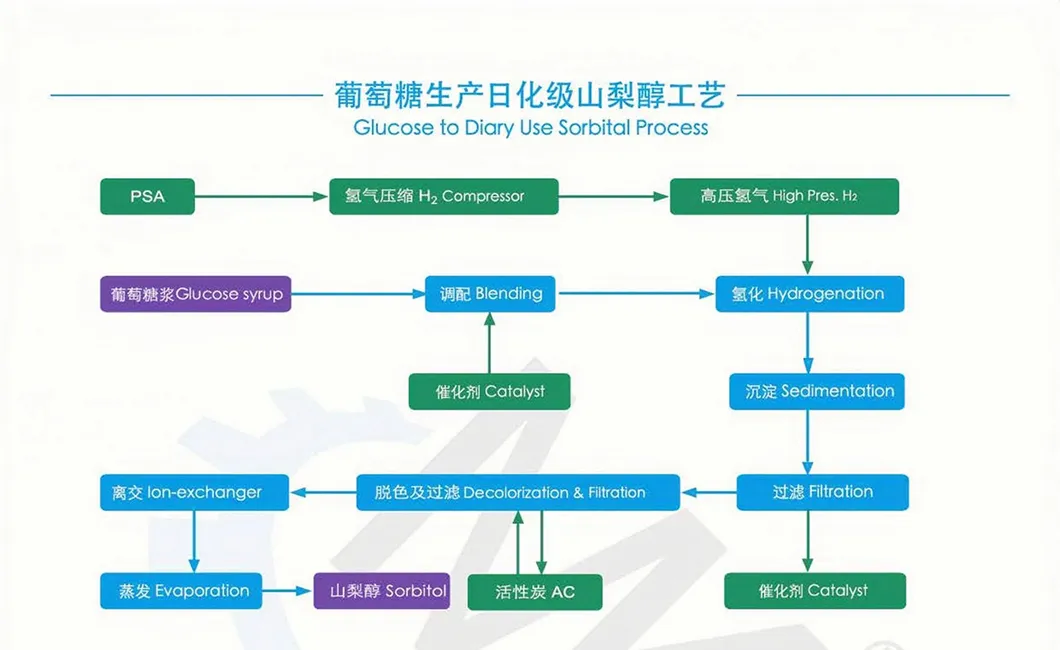
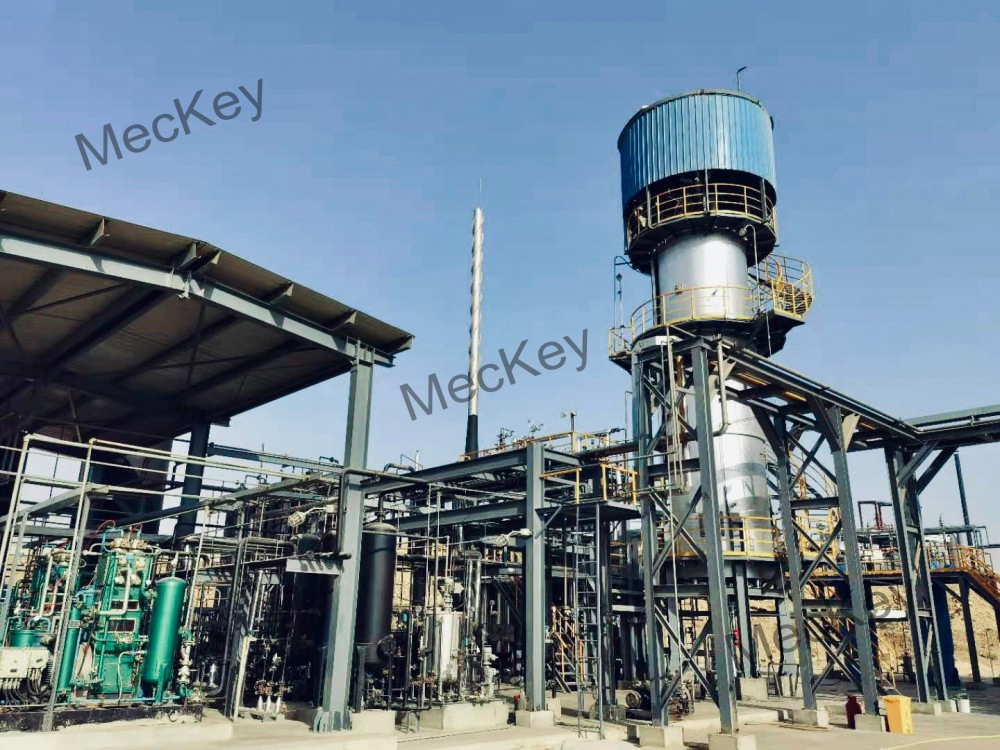
(1) Hydrogenation: After PH adjustment, the qualified material is sent to the reactor with aid of high pressure H2. By the reaction with catalyst, the material will be converted to the crude sorbitol. Then the material is sent to the flash tank for cooling. And then it will be sent to the sedimentation tank.
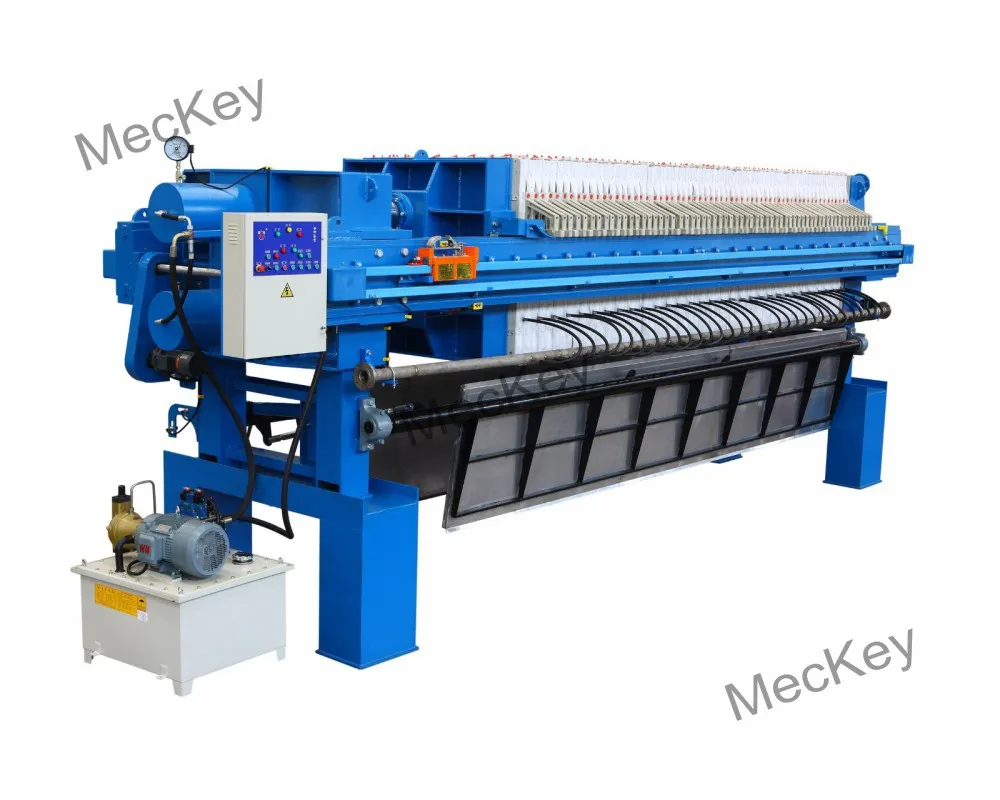
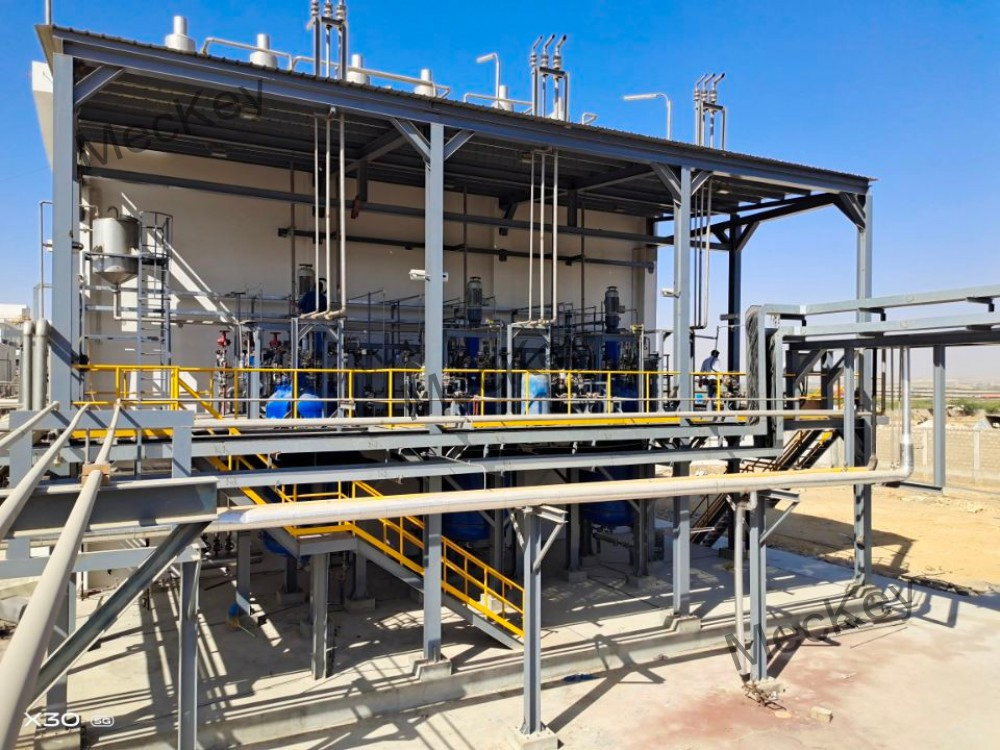
(2) Sedimentation and filtration: After sedimentation tank, the catalyst is separated from the crude sorbitol, then recycled and reuse. The material is sent to the next section after filtration.
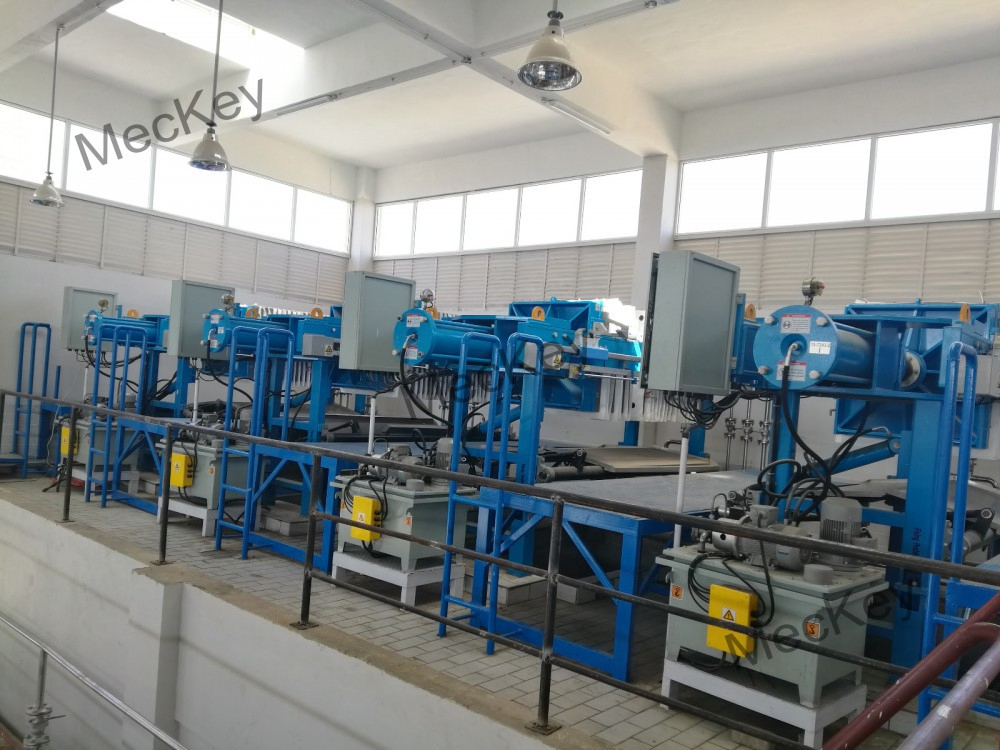
(3) Decoloring and filtration: The crude sorbitol is sent to the decoloring tank for decoloring with active carbon input. After that the AC will be removed by the filter, and the sorbitol will be sent to the next section.
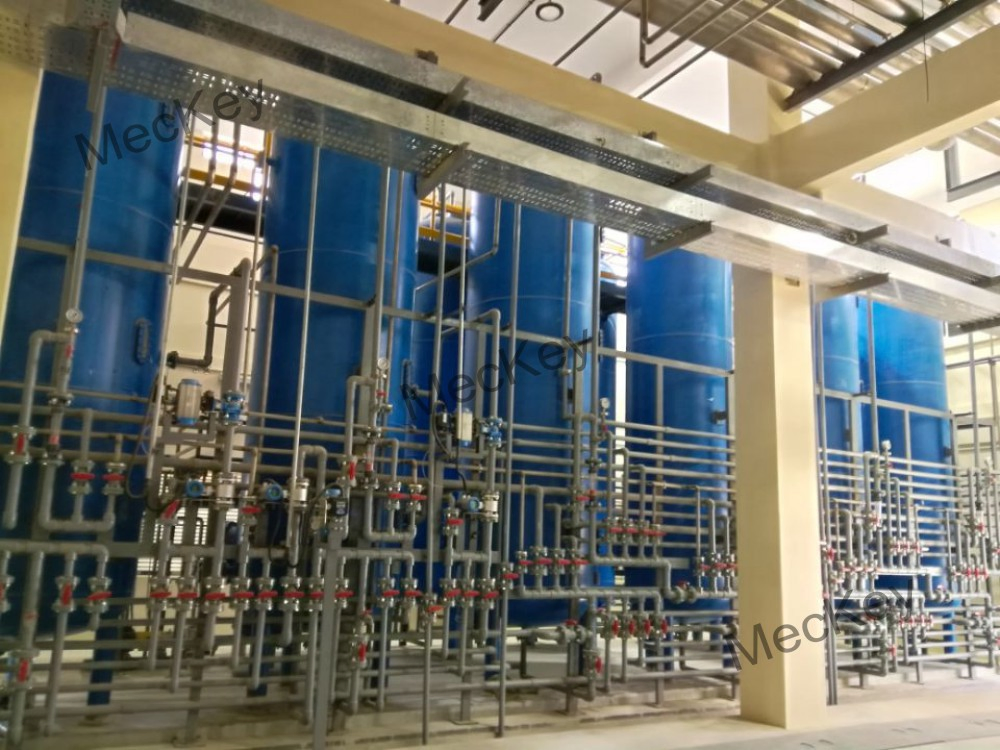
(4) Ion exchange: Tiny foreign items and bad odor is removed via ion exchanger. By this way, the material will be turned to be qualified.
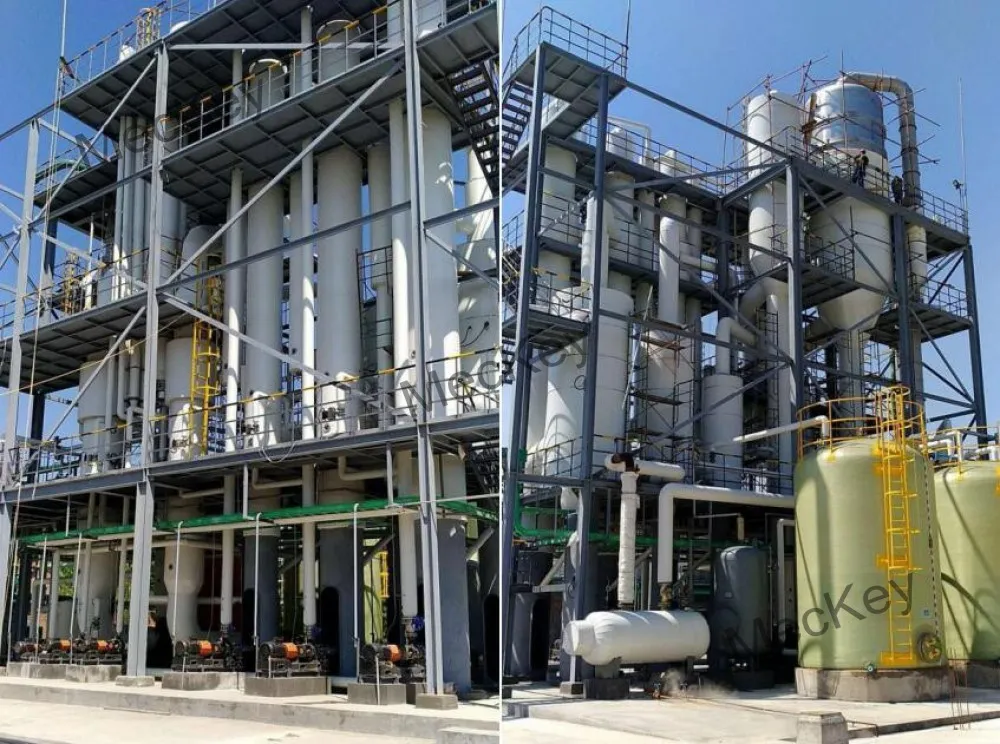
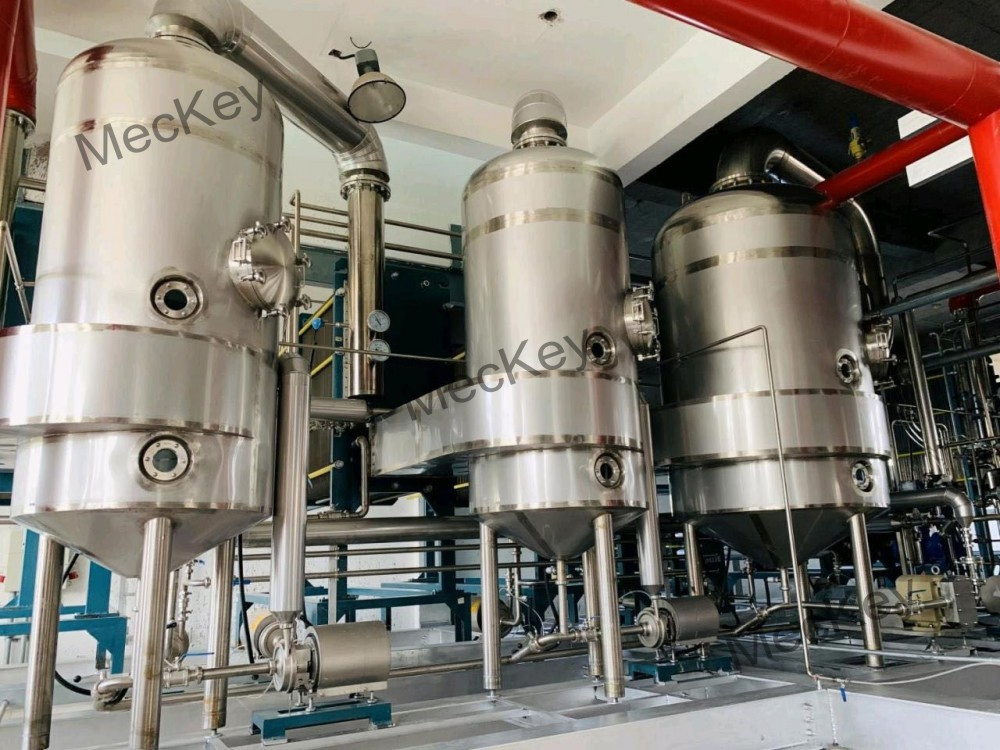
(5) Evaporation: The qualified sorbitol is totally cleaned through safety filter, then it is sent to evaporator for concentrating to reach the required DS as final product.
| Item | Specification |
|---|---|
| Properties | White crystal powder, odorless, sweet |
| Assay of C6H14O6 (dry basis) | > 95.0% |
| Specific rotation | +4.0 - +7.0 degree |
| Identification | Passed |
| Acidity or alkalinity | < 0.3ml of 0.02 mol/l NaOH |
| Clarity and colour | clear and colourless |
| Chloride, % | < 0.0050 |
| Sulphate, % | < 0.010 |
| Reducing Sugar, mg | < 50 |
| Total Sugar, mg | < 50 |
| Loss on dry or water, % | < 1.0 |
| Sulphated ash, % | < 0.1 |
| Arsenic (as As) | < 3 ppm |
| Residue on ignition | < 0.1% |