A comprehensive study on integrating dynamic mechanical conveying, robotics, and intelligent control architectures for high-throughput supply chains.
Modern global logistics is undergoing a fundamental structural transition. As global market demands shift toward hyper-localized order fulfillment, quick commerce, and integrated supply network resiliency, the infrastructure supporting warehouse management must adapt. Traditional, manual-heavy storage architectures are no longer sufficient. Enterprise systems now demand a synthesis of physical automation and digital tracking, commonly termed Inventory Asset Management.
By leveraging intelligent conveyor systems, autonomous mobile robots (AMRs), and robust vertical storage carousels, organizations can transform static warehousing facilities into dynamic, high-performance distribution centers. This paradigm shift requires not only robust machinery but a deep understanding of software-to-hardware coordination, enabling real-time asset visibility, optimal cycle times, and minimal structural downtime.
How physical sorting systems, heavy-duty racking systems, and edge computing form the backbone of modern warehouse management.
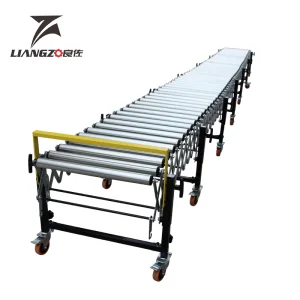
Utilizing high-tensile power transfer solutions and precision roller dynamics, our automated conveying mechanisms manage payloads of up to 800kg with minimal energy loss. These systems are highly adaptable, optimizing physical pathways dynamically for high-frequency sortation.
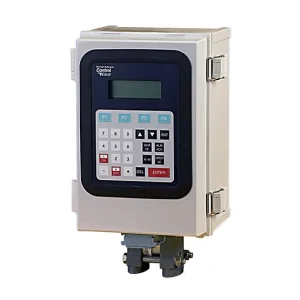
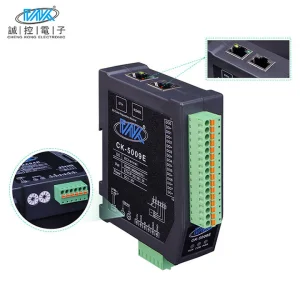
Robust edge control modules, including 8-channel Modbus TCP output switches and high-speed PLCs, interface directly with SCADA systems. This provides sub-millisecond execution times for sorter gates, lifters, and pneumatic directional diverters.
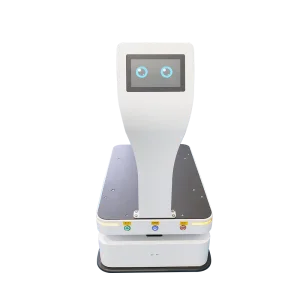
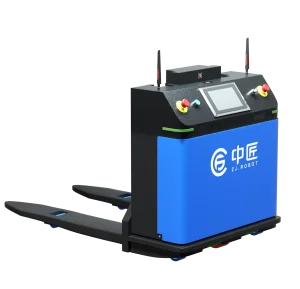
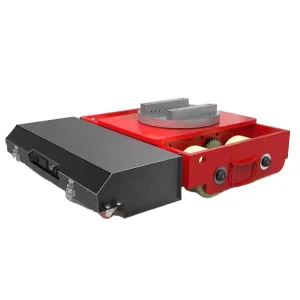
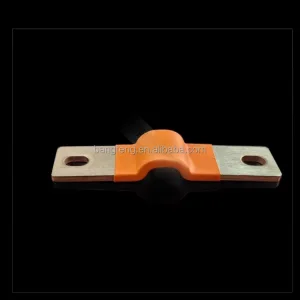
Equipped with 360-degree mobility, lithium-ion battery distribution systems via flexible copper busbars, and LiDAR navigation, our automated guided vehicles ensure precise, floor-level item transit within complex topologies.
Shenzhen JK Logistics Co., Ltd. stands at the intersection of manufacturing competence and technological iteration. Operating from Shenzhen, the hardware capital of the world, we leverage local supply chains to source premium electrical steel, robust structural alloys, and precision chipsets at highly competitive cost structures.
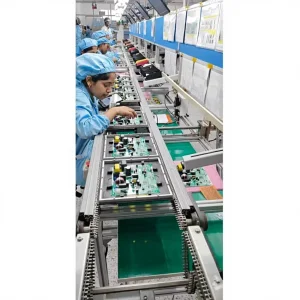
Our facilities house dedicated testing lines where structural tolerances, electrical safety parameters, and software integrations are verified under rigorous, continuous-load profiles. The proximity to global deepwater ports in Shenzhen enables streamlined delivery of heavy equipment, minimizing transit costs and turnaround times for global infrastructure deployments.
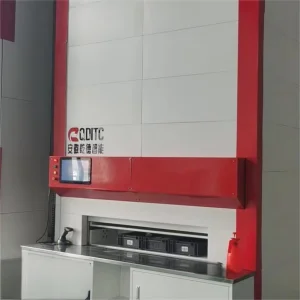
Through collaboration with international e-commerce networks, retail chains, and manufacturing giants, we have developed scalable, modular solutions designed to handle shifting market conditions. This ensures that custom assemblies, such as selective pallet racks and high-density vertical carousels, meet exact local requirements without compromising structural integrity.
Ensuring cross-border compliance, occupational safety standards, and regional hardware certification.
All mechanical assemblies and automated guided systems conform to European CE safety directives and American OSHA regulations. Physical barriers, e-stops, and sensor interfaces are integrated at the factory level to ensure immediate site acceptance.
Control systems are built to interface with native industrial communication protocols. Whether your facility relies on EtherNet/IP, PROFINET, or Modbus TCP, our programmable logic controllers adapt without hardware modifications.
We maintain an agile network of regional maintenance partners and technical engineers across North America, the European Union, South America, and the Middle East, ensuring prompt on-site support and spare parts availability.
Engineered setups optimized for distinct payload profiles, environmental conditions, and throughput objectives.
E-commerce fulfillment centers require sorting systems capable of processing high volumes of diverse packaging, from polybags to corrugated mailer boxes. Our automated roller conveyors, integrated with high-speed barcode readers and PLC-triggered pneumatic pushers, achieve throughputs exceeding 8,000 parcels per hour.
Integrating autonomous mobile robots (AMRs) with warehouse control systems enables rapid, floor-level dynamic sorting, reducing reliance on fixed overhead structures and allowing operations to scale with seasonal demand changes.
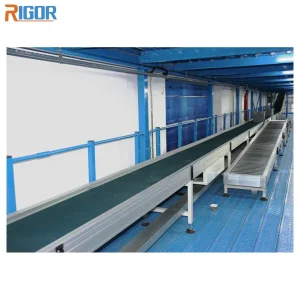
A typical installation features dynamic roller zones, sensor arrays, and sorting mechanisms designed for high volume.
Control Cycle: Sub-12ms Loop
Sensor Alignment: Dual photoelectric retro-reflective
Target Width: 100mm to 1200mm
Sorters: Multi-angle high-speed dynamic diverters
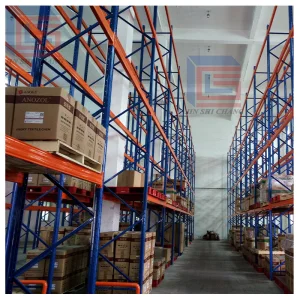
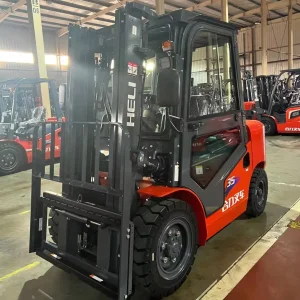
Industrial facilities, such as automotive assembly plants and chemical packaging yards, handle heavy loads that require robust materials and components. Our heavy-duty selective pallet racking systems work in tandem with high-capacity diesel forklifts and high-torque conveyor systems to handle unit loads up to several tons.
Using electrical steel junctions, thick-walled steel frames, and durable copper distribution busbars in automated guided vehicles ensures high system availability and safety in harsh industrial environments.
Engineered for heavy loads and challenging industrial environments.
Frame Yield Strength: > 350 MPa
AGV Drive Motor: High-torque brushless AC with planetary gearbox
Busbar Material: 99.9% Pure ETP Copper
Structural Standards: RMI / EN 15512
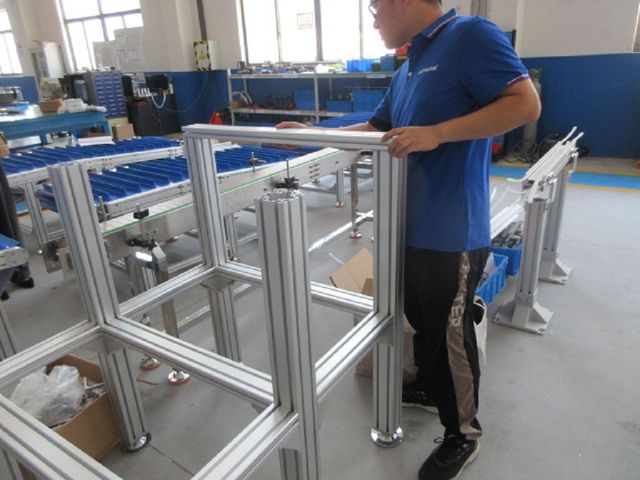
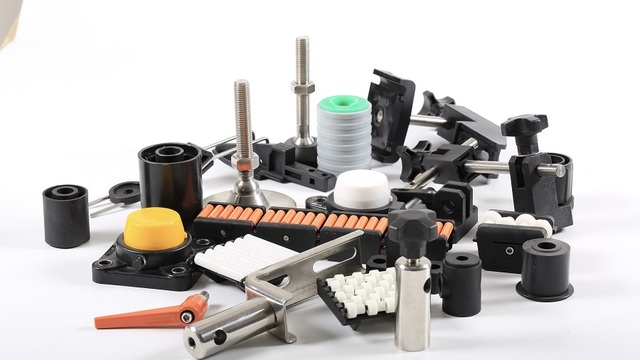
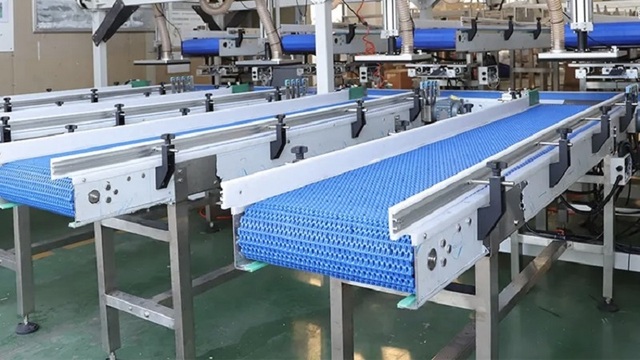
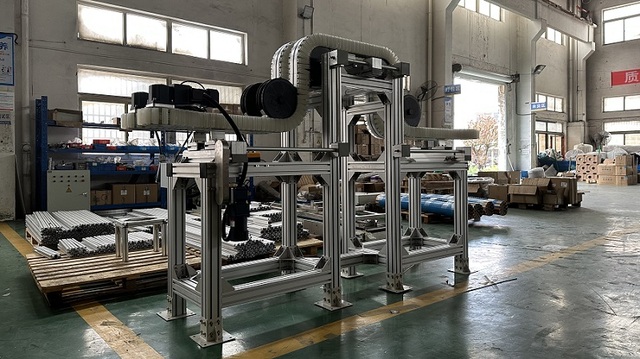
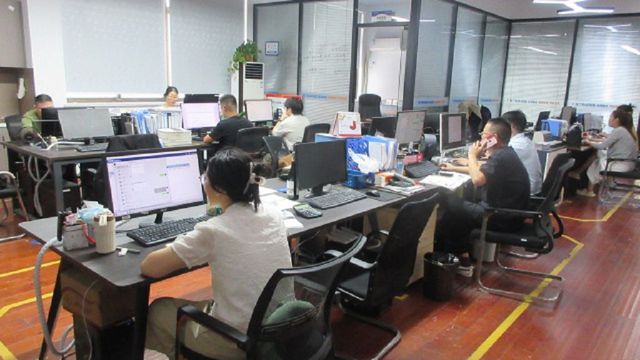
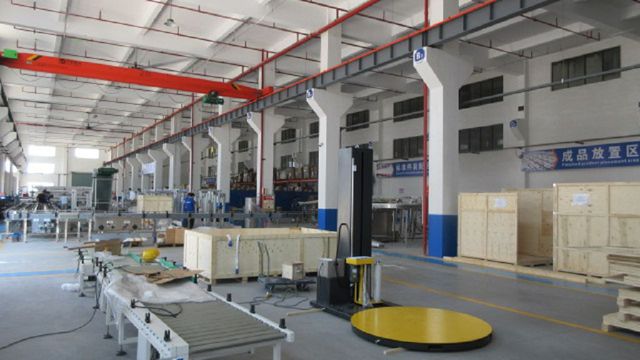
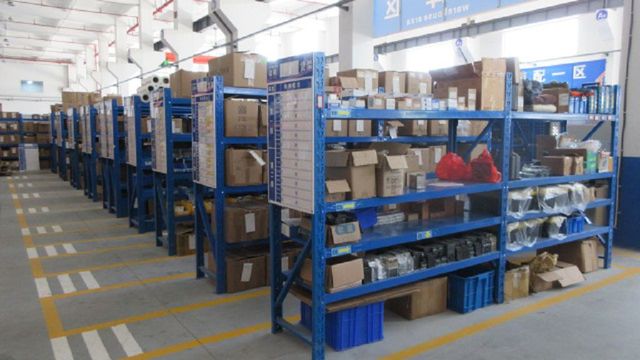
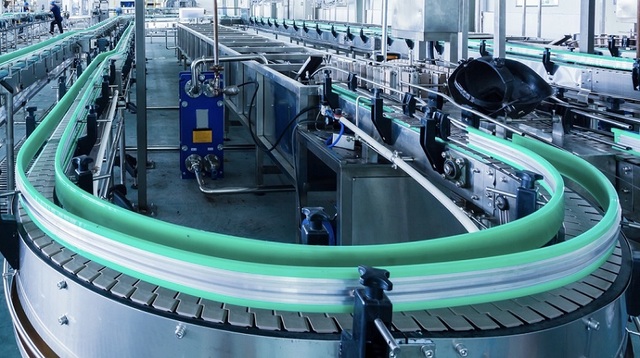
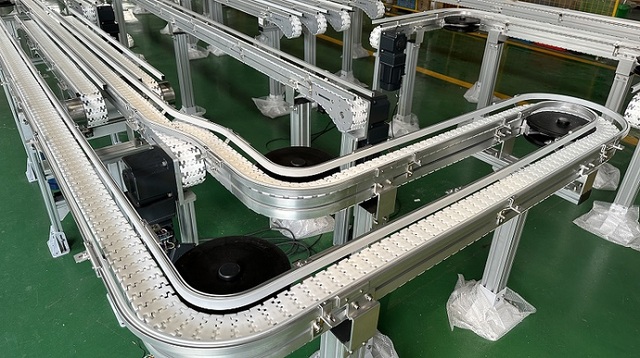
An inside look at our manufacturing facilities, assembly lines, and testing processes.

Technical answers to common integration, hardware, and implementation questions.
Our conveyor lines interface using industry-standard communication protocols, such as Modbus TCP/IP, Profinet, and EtherNet/IP. The physical control layer is driven by programmable logic controllers (PLCs), allowing system integrators to monitor sensors and drive actors directly from their software platform.
Our autonomous vehicles are designed in compliance with ISO 3691-4 and ANSI/ITSDF B56.5 standards. They feature redundant safety systems, including safety LiDAR scanners, physical contact bumpers, emergency stop triggers, and integrated acoustic and visual warning signals to ensure safe operation alongside warehouse staff.
Yes. Our engineering team calculates structural configurations based on local seismic ratings (e.g., IBC or Eurocode guidelines). We adjust steel column thickness, baseplate designs, and anchoring configurations to meet the required safety standards for your specific location.
Lead times vary depending on the size of the project. Modular roller conveyors can ship within 4 to 6 weeks, while complete warehouse automation systems, including custom vertical storage and sorting software integration, generally require 12 to 16 weeks, which includes design, manufacturing, and factory acceptance testing (FAT).
 JK Logistics