Engineered specifically for agricultural exports, maritime hubs, and robust factory environments in the South Pacific.
As the primary transit hub of the South Pacific, the archipelago of Fiji represents a vital intersection in global ocean freight routes and regional logistics distribution. With the expansion of municipal trade infrastructure at the Port of Suva and the Port of Lautoka, the demand for sophisticated material handling systems has moved beyond basic manual labor into engineered, semi-automated, and fully automated pallet handling networks.
However, Fiji’s industrial sectors face unique operational challenges. The combination of high maritime humidity, tropical ambient temperatures, and corrosive salt air demands robust construction methodologies. Furthermore, industries like agriculture (particularly ginger and sugar processing), seafood cold chains, beverage manufacturing (such as Fiji's world-famous bottled water), and hospitality supply distribution require varied systems. These systems must support both high-throughput automated configurations and off-grid, highly durable mobile units.
Understanding these variables forms the foundation of our engineering roadmap. At Shenzhen JK Logistics Co., Ltd., we customize and calibrate mechanical layouts and electronic control units to withstand the oceanic environment while retaining maximum energy efficiency—a critical factor given the high retail energy tariffs in the South Pacific region.
Globally, logistics networks are undergoing a massive transition driven by the emergence of Industry 4.0 paradigms. Modern warehouse conveyor systems and automated guided vehicles (AGVs) are no longer isolated mechanical tools; they are integrated, data-collecting nodes within the warehouse management system (WMS). By collecting real-time operational data, supply chains achieve greater transparency, predictive maintenance schedules, and dynamic routing capabilities.
The global trends driving the material handling market include:
| System Classification | Primary Application | Fiji Environment Match | Automation Level | Energy profile |
|---|---|---|---|---|
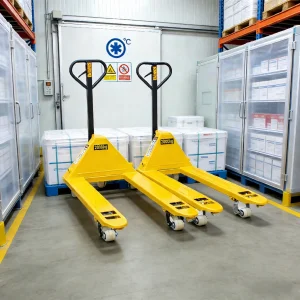
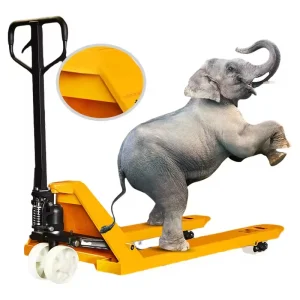
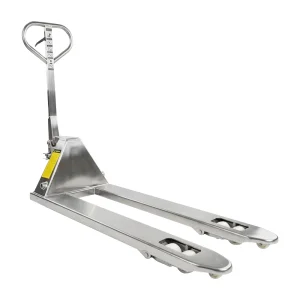
| Manual Hydraulic Jacks | In-shore fish processing, micro-warehouses | Highly Suitable (Stainless Steel grade) | Manual (No sensors) | Zero external consumption |
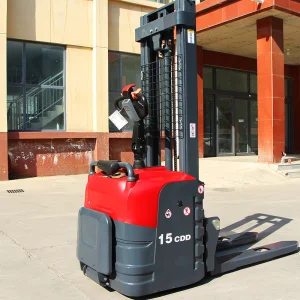
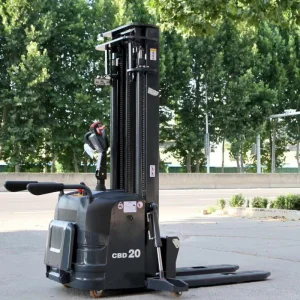
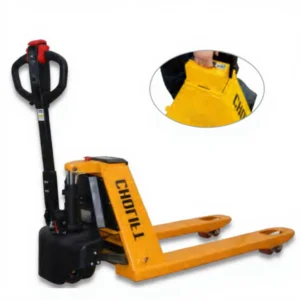
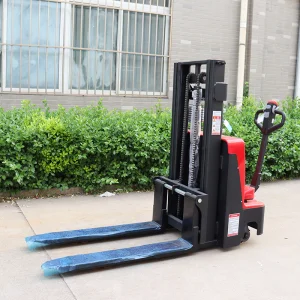
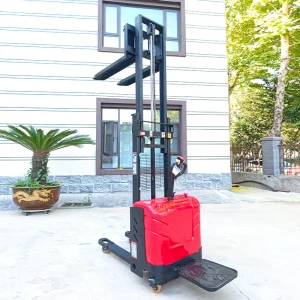
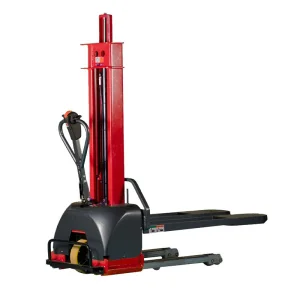
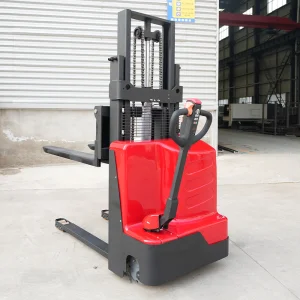
| Lithium-Ion Walkie Stackers | FMCG, food distribution depots, retail | Excellent (Compact, zero emissions) | Semi-Automated (Operator controlled) | Rapid charge LiFePO4 |
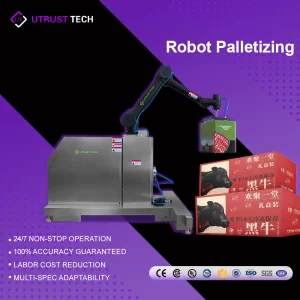
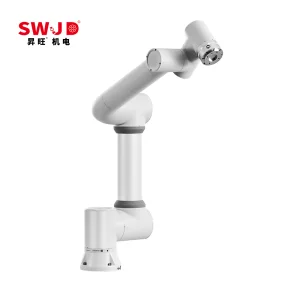
| Collaborative Robot Arms | Export packaging, beverage bottling lines | High Value (Increases throughput) | Advanced Robotic (Sensor Integrated) | Low draw 220V/480V |
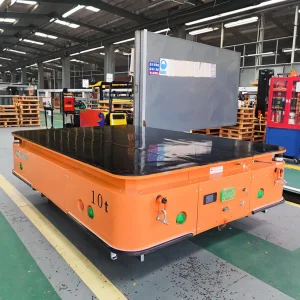
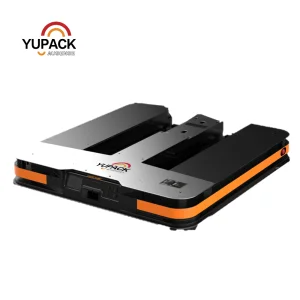
| SLAM Navigation AGV / AMR | High-volume distribution, manufacturing hubs | Developing (Requires flat concrete floors) | Fully Autonomous (WMS Linked) | Autonomous Auto-charging |
Fiji's commercial fisheries require pallet handling gear that can survive direct exposure to seawater, salt spray, and daily chemical washdowns. Standard powder-coated steel stackers degrade within months under these conditions. Our engineering team designs manual hydraulic forklifts utilizing SUS304 or SUS316 grade stainless steel, paired with sealed hydraulic pumps, nylon wheels, and waterproof bearings. This setup guarantees long service life, food safety compliance, and zero structural degradation.
Real estate inside Suva's business districts is expensive. Warehouse operators are moving to high-density layouts, shrinking aisle widths to less than 2.5 meters. Traditional sit-down counterbalanced forklifts cannot turn in these spaces. Compact walk-behind electric pallet stackers and specialized narrow-aisle walkies are crucial. These units provide operators with clear visibility, zero turning radius maneuvers, and lift heights reaching 5 meters while handling up to 2 tons of palletized cargo.
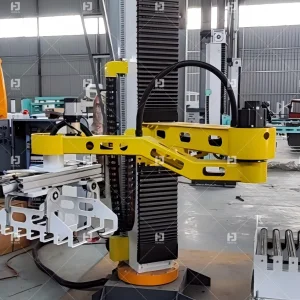
For high-volume export products like bottled artesian water, hand palletizing introduces bottlenecks and increases workplace injury claims. Integrating heavy-duty dual-station rotary arm palletizers and 6-axis collaborative robotic arms allows plants to run 24/7. These robotic systems automatically orient cartons, stack them onto pallets with millimeter accuracy, apply stretch wrap, and prepare the load for forklift pickup.
Shenzhen JK Logistics Co., Ltd. is a professional Warehouse Conveyor Systems Manufacturer specializing in material handling, sorting systems, and logistics automation solutions for modern warehouses, distribution centers, and industrial facilities. Based in Shenzhen, China, the company focuses on the development and production of intelligent automation equipment designed to improve operational efficiency, optimize material flow, and support the growing demands of global supply chains.
With extensive experience in warehouse and logistics automation, JK Logistics provides integrated solutions covering material handling systems, warehouse conveying equipment, automated sorting technologies, order fulfillment automation, pallet handling solutions, distribution center infrastructure, and smart logistics integration. These solutions are widely used in e-commerce fulfillment centers, retail distribution networks, third-party logistics operations, manufacturing facilities, and parcel processing hubs.
The company is committed to delivering reliable, scalable, and customized automation solutions that address the challenges of modern warehousing. Its engineering team collaborates closely with customers to analyze operational requirements, warehouse layouts, throughput objectives, and future expansion plans. By combining automation technology with practical logistics expertise, JK Logistics develops systems that improve productivity, reduce manual handling, enhance accuracy, and streamline warehouse operations.
Equipped with advanced manufacturing capabilities and comprehensive quality management processes, the company maintains strict standards throughout design, production, testing, and installation. Continuous investment in research and development enables JK Logistics to incorporate intelligent control technologies, data-driven automation, and flexible system integration into its solutions.
Serving customers across Asia, Europe, North America, South America, the Middle East, and other international markets, Shenzhen JK Logistics Co., Ltd. is dedicated to providing efficient warehouse conveyor systems and logistics automation solutions that help businesses improve operational performance, increase supply chain efficiency, and adapt to the evolving requirements of modern distribution and fulfillment environments.
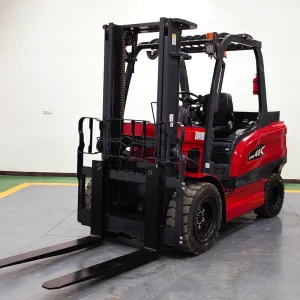
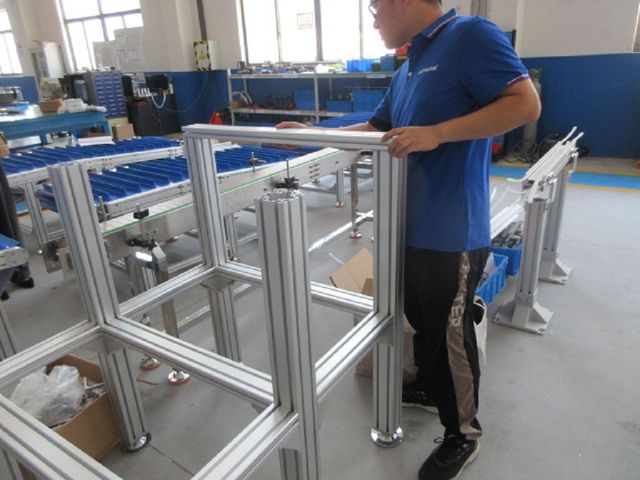
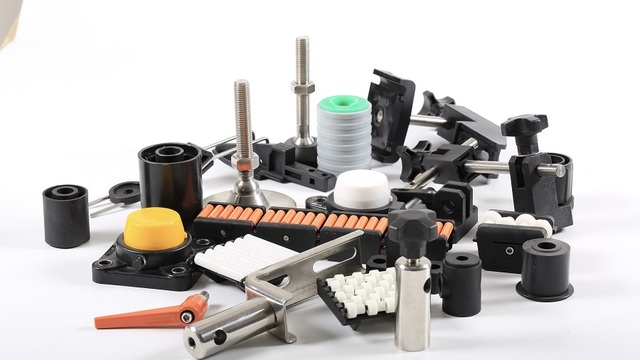
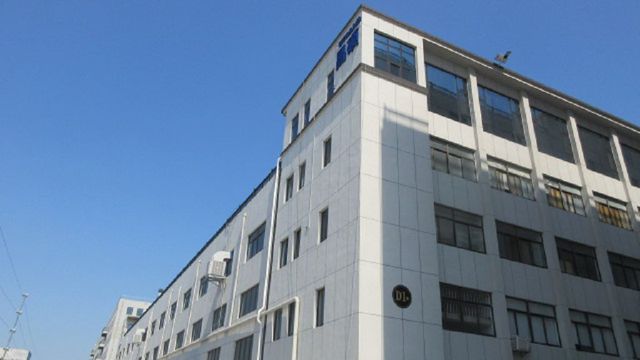
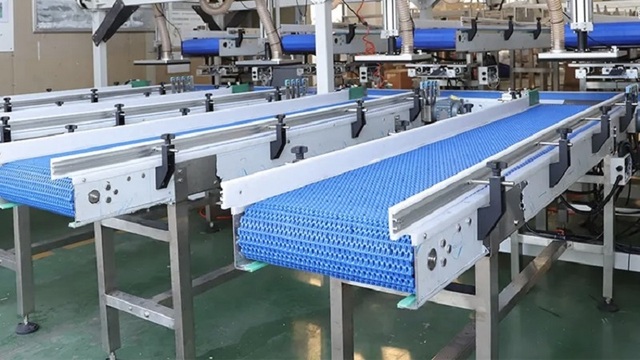
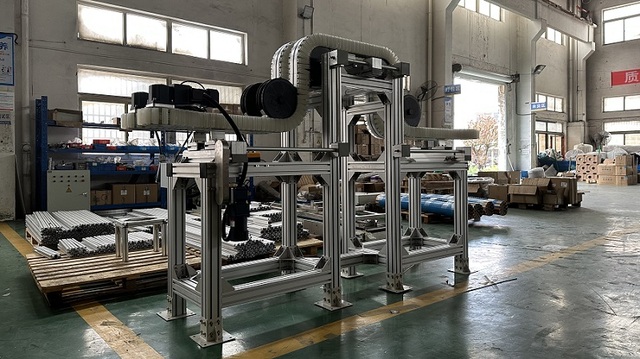
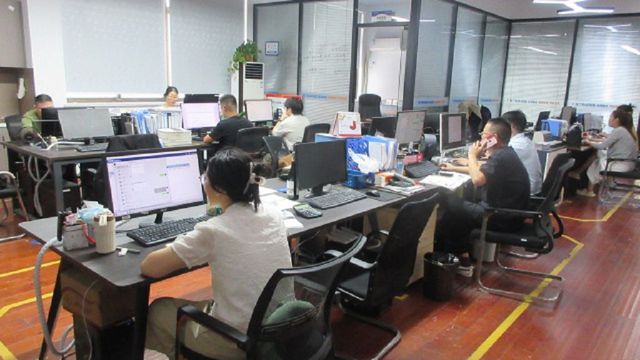
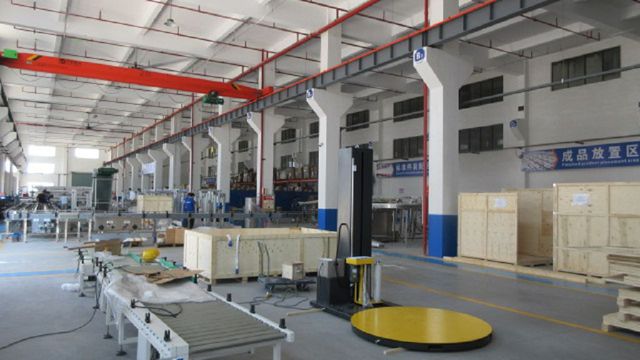
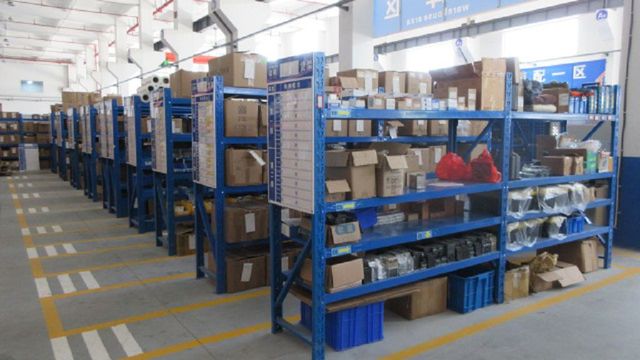
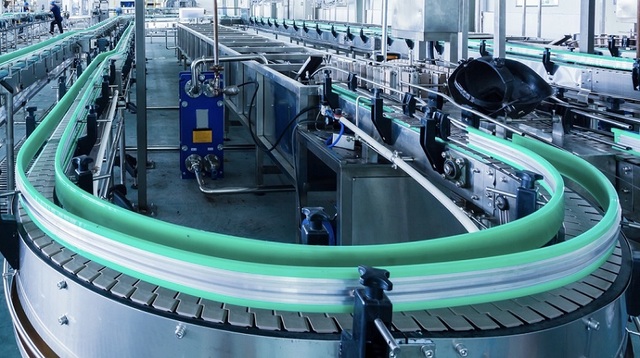
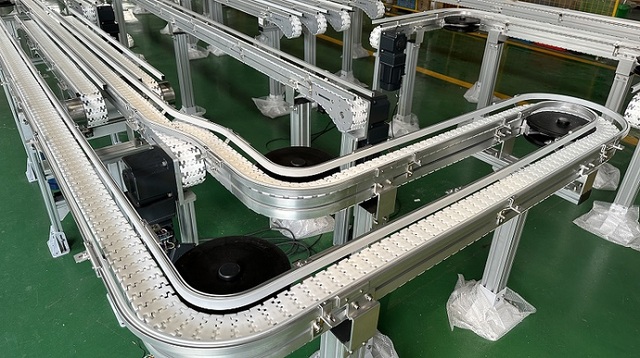
We believe in transparency. Below are actual photos from our production facility in Shenzhen, where we manufacture and stress-test our heavy-duty pallet handling equipment before dispatching to South Pacific ports.
Expert technical answers regarding pallet handling system deployment in the Fiji market.
Expand your operations with our full catalog of high-durability electric, manual, and robotic material handling tools.
 JK Logistics