High-throughput sorting machinery customized for immediate deployment across Malaysia's leading fulfillment operations.
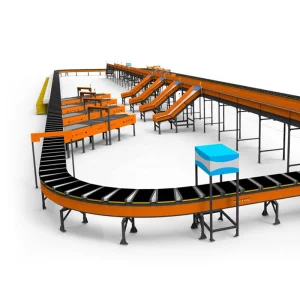
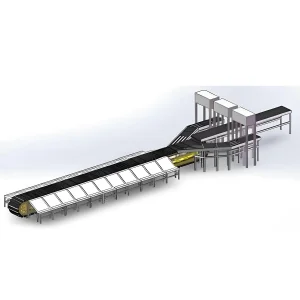
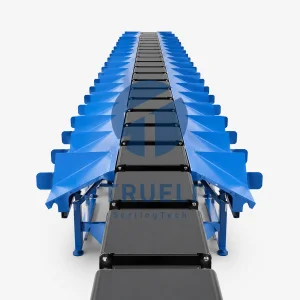
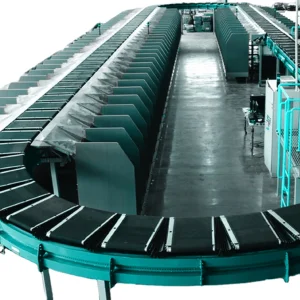
Malaysia's strategic location in Southeast Asia has propelled it into a leading regional logistics and transshipment hub. The rapid expansion of local and regional e-commerce giants—such as Shopee Malaysia, Lazada Malaysia, and TikTok Shop—has dramatically increased the volume of parcel processing across key industrial zones. Warehousing clusters within the Klang Valley (including Shah Alam, Port Klang, and Subang), Johor Bahru (close to the Singapore border), and Penang (the high-tech manufacturing corridor) are currently undergoing massive digital transitions from manual sorting systems to fully automated distribution centers.
As the Malaysian government actively promotes the National E-commerce Roadmap (NESR 2.0) and the Digital Free Trade Zone (DFTZ), logistics hubs are facing intense pressure to reduce cycle times while minimizing sorting errors. This has created a vast demand for automated parcel sorting systems capable of processing small packages, polybags, carton boxes, and irregular items with high speed and precision. Implementing automated solutions has shifted from a premium option to a core necessity for third-party logistics (3PL) providers and express courier companies aiming to control rising labor costs and secure operational scalability.
On a global scale, the logistics and supply chain sector is pivoting toward intelligent automation driven by IoT, cloud databases, and machine learning. Today's state-of-the-art sorting technologies are no longer basic mechanical diverters; they are complex ecosystems that synchronize physical movement with real-time tracking data. Modern systems deploy energy-efficient Permanent Magnet Synchronous Motors (PMSM) alongside smart PLC controls to keep power usage low while operating at high velocities. Advanced cross-belt systems, high-speed loop lines, and linear narrow-belt sorters are setting international standards by optimizing distribution routes, reducing parcel damage, and ensuring uninterrupted sorting flows during peak seasons.
Integrating sorting machinery in Malaysia requires careful planning to align with local factory environments. Our systems are designed to operate efficiently under tropical humidity levels and variable grid conditions. By engineering robust mechanical systems that require minimal downtime, we help local distribution facilities transition smoothly from labor-reliant setups to intelligent automatic lines. Our systems are designed to handle the wide variety of parcel packaging commonly seen in Malaysian logistics—ranging from thin, flexible plastic polybags to heavy, irregular cardboard boxes—ensuring consistent throughput with low maintenance overhead.
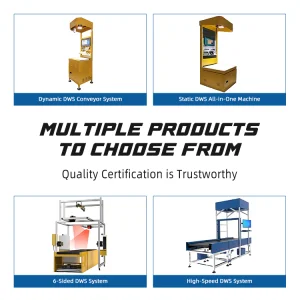
The future of parcel sortation lies in the integration of AI-driven vision inspection and edge computing. The latest technologies incorporate high-performance 3D camera sensors, advanced DWS systems, and OCR (Optical Character Recognition) technologies capable of scanning damaged or multi-language shipping labels. This is highly beneficial for the Malaysian market, where labels can feature a mix of English, Malay, Chinese, and Tamil text.
Key focus areas in our technological development include:
Understanding local operational setups is essential for designing high-performance sorting systems. Here are the typical applications where our automated conveyor solutions are utilized in Malaysia:
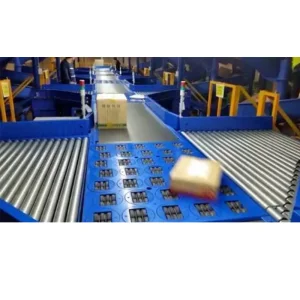
Located in Selangor and Johor, these facilities process massive volumes during seasonal promotions like 11.11, 12.12, and Hari Raya. High-speed double-deck loop cross-belt systems handle up to 24,000 parcels per hour, directing goods to local delivery couriers with high efficiency.
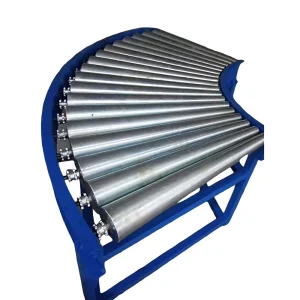
Positioned near major ports and highways (such as Port Klang and Bukit Kayu Hitam), these installations coordinate inbound ocean freight sorting and outbound long-haul trucking. Our heavy-duty live roller conveyors are designed to keep materials moving consistently in these demanding environments.
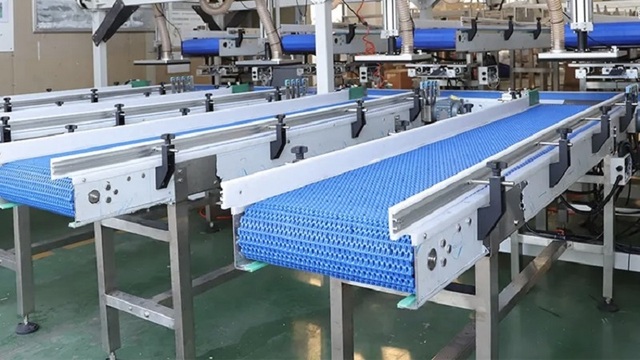
Compact, linear sorting systems and narrow belt sorters are used in local courier depots across cities like Ipoh, Kuching, and Kota Kinabalu. These systems automate the initial sortation steps, helping local delivery networks speed up last-mile delivery services.
Deploying large-scale industrial sorting equipment requires strict adherence to Malaysia's occupational health, safety, and energy standards. Our systems are engineered to meet key local requirements:
Get a customized system layout and operational throughput analysis from our technical engineering team.
Send Inquiry NowExplore our range of automated sorters, custom belt systems, and DWS equipment designed for modern warehouses.
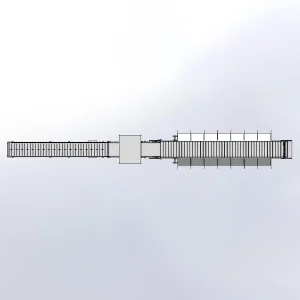
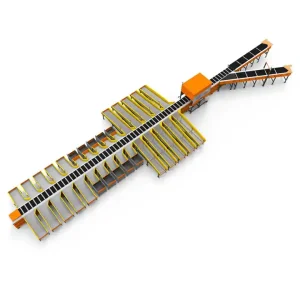
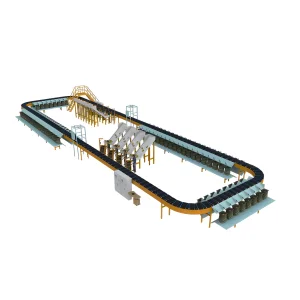
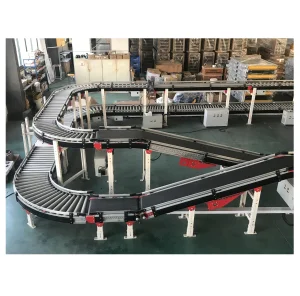
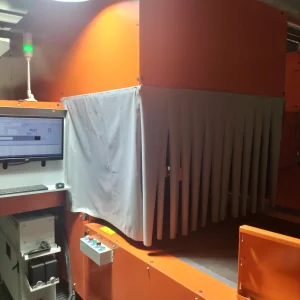
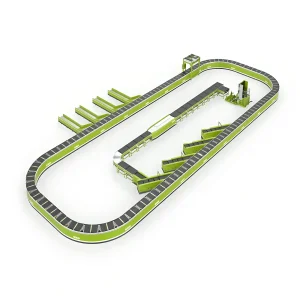
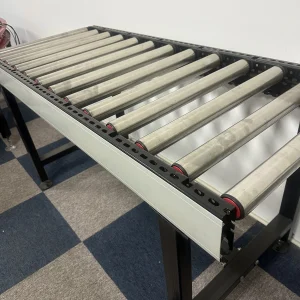
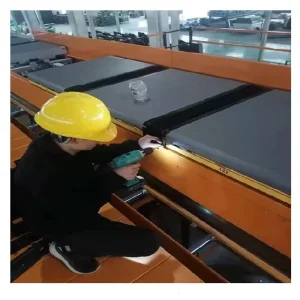
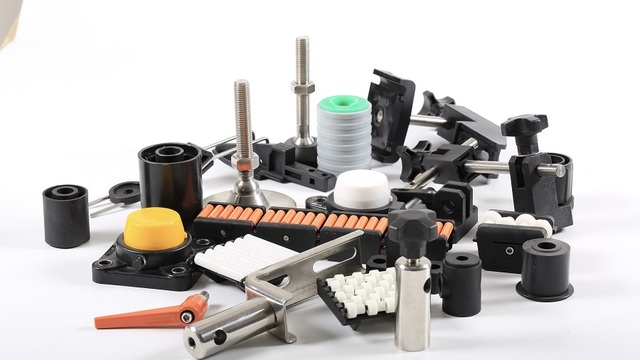
Essential material handling components and high-precision barcode/scanning infrastructure for complete end-to-end sorting automation.
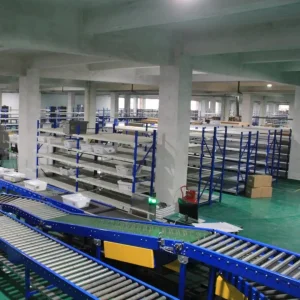
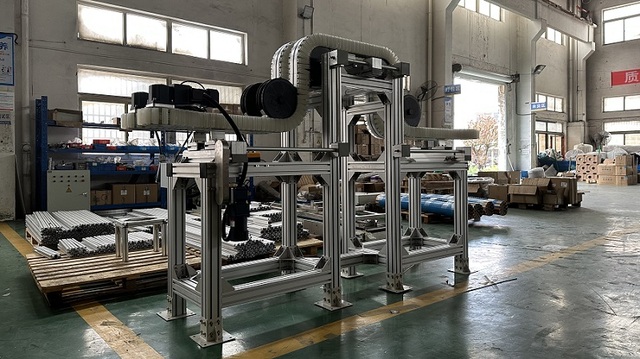
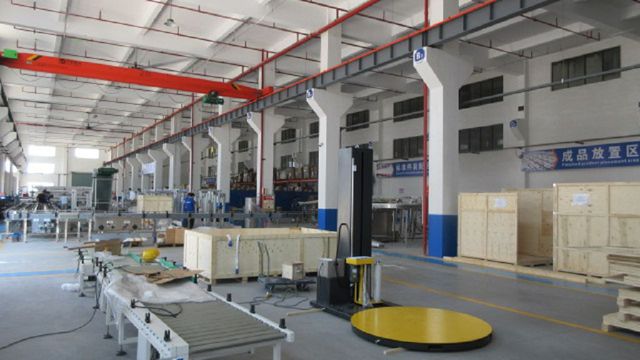
Shenzhen JK Logistics Co., Ltd. is a professional Warehouse Conveyor Systems Manufacturer specializing in material handling, sorting systems, and logistics automation solutions for modern warehouses, distribution centers, and industrial facilities. Based in Shenzhen, China, the company focuses on the development and production of intelligent automation equipment designed to improve operational efficiency, optimize material flow, and support the growing demands of global supply chains.
With extensive experience in warehouse and logistics automation, JK Logistics provides integrated solutions covering material handling systems, warehouse conveying equipment, automated sorting technologies, order fulfillment automation, pallet handling solutions, distribution center infrastructure, and smart logistics integration. These solutions are widely used in e-commerce fulfillment centers, retail distribution networks, third-party logistics operations, manufacturing facilities, and parcel processing hubs.
The company is committed to delivering reliable, scalable, and customized automation solutions that address the challenges of modern warehousing. Its engineering team collaborates closely with customers to analyze operational requirements, warehouse layouts, throughput objectives, and future expansion plans. By combining automation technology with practical logistics expertise, JK Logistics develops systems that improve productivity, reduce manual handling, enhance accuracy, and streamline warehouse operations.
Equipped with advanced manufacturing capabilities and comprehensive quality management processes, the company maintains strict standards throughout design, production, testing, and installation. Continuous investment in research and development enables JK Logistics to incorporate intelligent control technologies, data-driven automation, and flexible system integration into its solutions.
Serving customers across Asia, Europe, North America, South America, the Middle East, and other international markets, Shenzhen JK Logistics Co., Ltd. is dedicated to providing efficient warehouse conveyor systems and logistics automation solutions that help businesses improve operational performance, increase supply chain efficiency, and adapt to the evolving requirements of modern distribution and fulfillment environments.
Technical answers regarding implementation, regulatory compliance, and support for automated sorting systems in Malaysia.
Our automated cross-belt and narrow-belt sorters are engineered to handle a broad range of packaging materials. This includes typical e-commerce polybags (which can sometimes cause friction issues on standard rollers), bubble mailers, flat letters, and cardboard boxes. The friction surface of our carriers is designed to prevent slippage, ensuring stable handling during high-speed sorting.
Our installations conform to local occupational safety and machinery standards. We design our electrical panels and wiring layout to meet Malaysia's Suruhanjaya Tenaga (Energy Commission) requirements, using CE-certified components. Furthermore, the structural design, protective barriers, and emergency shut-offs are aligned with the safety guidelines set by the Department of Occupational Safety and Health (DOSH).
We offer custom API interfaces and middleware software that bridge our Warehouse Control System (WCS) with your existing WMS or ERP systems (such as SAP, Oracle, or local custom-built solutions). This allows for smooth, real-time data transfer for scanning, tracking, and sorting routing decisions without interrupting your current workflow.
The lead time varies depending on the system complexity. A typical linear sorting or loop cross-belt project takes between 12 to 18 weeks from initial technical drawing approval and factory fabrication to on-site assembly, testing, and fine-tuning at your facility in Malaysia. Our engineering team oversees the entire commissioning phase.
We support our customers with comprehensive remote diagnostics and technical assistance. In major industrial hubs like the Klang Valley, Penang, and Johor Bahru, we coordinate with local service providers to deliver swift on-site maintenance. We also maintain stock of essential spare parts (including wear items, motors, and sensors) to keep system downtime to a minimum.
Yes. Our sorting systems utilize industrial-grade components designed to perform in high-temperature and humid climates. We employ IP54 or IP65-rated motors and control cabinets featuring dust filtration and cooling fans, ensuring stable 24/7 performance in warehouses without climate control.
 JK Logistics