In the modern era of globalized commerce, Cold Chain Logistics has transitioned from a specialized auxiliary operational segment to a core pillar of supply chain resilience. The global marketplace demands flawless temperature-controlled corridors for pharmaceuticals, biotech formulations, fresh biological agents, premium food compounds, and high-tech chemical reagents. A single thermal disruption along the value chain can lead to complete product degradation, financial liabilities, and regulatory penalties.
This technical whitepaper outlines the structural parameters, mechanical challenges, and automated paradigms executed by top-tier suppliers like Shenzhen JK Logistics Co., Ltd. in pioneering reliable temperature-controlled automated materials handling. As global demand scales, the integration of automation machinery inside extreme environments—from chill rooms (0°C to 4°C) to deep-freeze zones (-18°C to -30°C)—defines the competitive edge of modern logistics networks.
Uninterrupted monitoring and automated routing within strict temperature profiles, minimizing heat exchange zones during transit.
Structural metallurgy, specialized anti-freeze lubricants, and condensation-proof electrical enclosures engineered for down to -30°C.
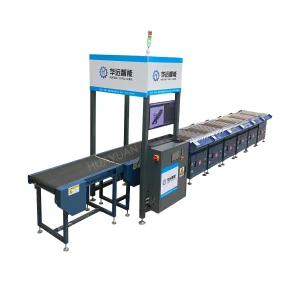
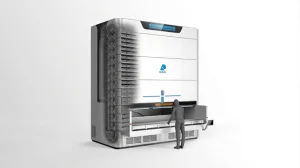
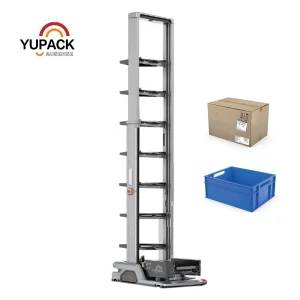
Reducing dwell-times in transitional zones using high-speed narrow-band sorters, vertical carousels, and modular AMR integration.
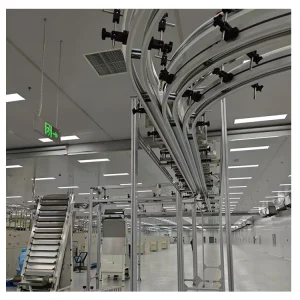
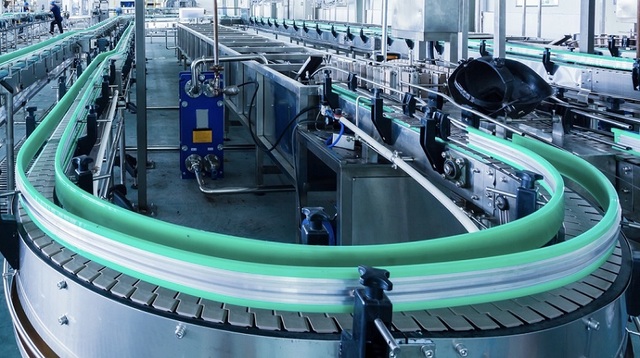
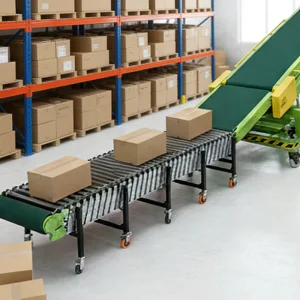
Operating conveyor systems inside cold chain environments requires rewriting standard engineering assumptions. The physical changes in materials under sub-zero temperatures force manufacturers to employ specialized design metrics:
The future of cold chain material handling lies in advanced data analytics. By integrating temperature and vibration sensors directly into the conveyor frame and rollers, operators can monitor system health in real-time.
Shenzhen JK Logistics Co., Ltd. is currently designing next-generation Smart Conveyors that feature integrated condensate mitigation algorithms. These systems detect rapid temperature shifts (dew point entry) when products transition between cold storage and loading docks, automatically adjusting local airflow barriers and mechanical speed profiles to eliminate moisture accumulation before ice formations can block sorting pathways.
Cold chain automation is not a one-size-fits-all discipline. Different industry verticals demand specific operational profiles, material tolerances, and sanitization standards to achieve product safety.
Requires absolute adherence to Good Distribution Practice (GDP) protocols. Materials must endure constant chemical washdowns while conveying active vaccines, blood plasma, and biologics within a strict 2°C to 8°C window, requiring ultra-smooth acceleration to prevent product agitation.
Handling seafood, meats, and frozen ready-meals requires continuous operation at -18°C or lower. Conveyors must feature non-stick surfaces, open-frame clean designs to allow rapid debris clearance, and zero-backlash drives to prevent frozen slippage on inclines.
Explosion-proof classification (ATEX/IECEx) combined with sub-zero capability. Specialized conveying belts prevent static charge accumulation while transporting volatile chemicals that require cryogenic preservation to maintain chemical stability.
China's manufacturing sector has evolved beyond simple fabrication into the global epicenter of Industry 4.0 automation. By combining complete local raw-material supply chains (from specialized cold-resistant polymers to heavy-duty motor components) with advanced CNC machining and robotics-driven quality control, Chinese factories deliver unmatched technological value.
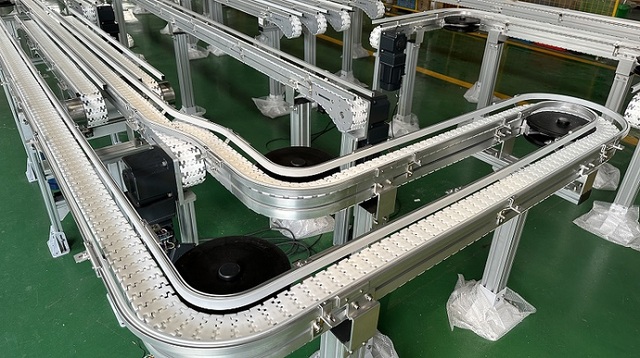
This industrial framework enables suppliers like Shenzhen JK Logistics Co., Ltd. to design and fabricate heavy-duty conveyor networks, high-speed sorting modules, and automated carousels that offer structural reliability at lower cost structures.
By consolidating engineering, assembly, calibration, and temperature chamber testing in one centralized manufacturing hub, we significantly reduce execution timelines. The structural resilience of our systems ensures that international logistics projects achieve rapid deployment schedules, ensuring uninterrupted operations from commissioning onward.
Procuring logistics equipment for sub-zero environments demands strict engineering due diligence. Global buyers must analyze more than just purchasing price to avoid costly post-installation downtime.
Initial capital expenditure (CAPEX) represents only 30% of a cold chain conveyor's lifecycle cost. The remaining 70% is composed of energy consumption (running motors inside cooled areas adds heat, forcing refrigeration compressors to work harder) and maintenance overhead.
We optimize TCO by incorporating IE4 high-efficiency gearmotors and low-friction belt materials, reducing heat emission by up to 35% compared to standard configurations.
Successful deployment hinges on collaborative engineering. At Shenzhen JK Logistics Co., Ltd., we run advanced physical simulation tests to analyze the flow of materials under varying cooling conditions.
Our systems are designed to interface seamlessly with existing global warehouse management software (WMS), allowing operators to adjust conveyor speeds, routing profiles, and sorting configurations on-the-fly.
Our complete hardware catalog conforms to international quality benchmarks including CE Certification, FDA sanitary material standards, and European Good Distribution Practices (GDP) for medical logistics.
All our advanced sorters and automated carousels are equipped with secure remote communication units. This allows our Shenzhen engineering desk to perform real-time system diagnostics and software updates anywhere in the world.
Through a network of localized system integrators and field maintenance engineering teams, we guarantee fast on-site support, ensuring wear parts are stocked locally for quick replacement.
Shenzhen JK Logistics Co., Ltd. is a professional Warehouse Conveyor Systems Manufacturer specializing in material handling, sorting systems, and logistics automation solutions for modern warehouses, distribution centers, and industrial facilities. Based in Shenzhen, China, the company focuses on the development and production of intelligent automation equipment designed to improve operational efficiency, optimize material flow, and support the growing demands of global supply chains.
With extensive experience in warehouse and logistics automation, JK Logistics provides integrated solutions covering material handling systems, warehouse conveying equipment, automated sorting technologies, order fulfillment automation, pallet handling solutions, distribution center infrastructure, and smart logistics integration. These solutions are widely used in e-commerce fulfillment centers, retail distribution networks, third-party logistics operations, manufacturing facilities, and parcel processing hubs.
The company is committed to delivering reliable, scalable, and customized automation solutions that address the challenges of modern warehousing. Its engineering team collaborates closely with customers to analyze operational requirements, warehouse layouts, throughput objectives, and future expansion plans. By combining automation technology with practical logistics expertise, JK Logistics develops systems that improve productivity, reduce manual handling, enhance accuracy, and streamline warehouse operations.
Equipped with advanced manufacturing capabilities and comprehensive quality management processes, the company maintains strict standards throughout design, production, testing, and installation. Continuous investment in research and development enables JK Logistics to incorporate intelligent control technologies, data-driven automation, and flexible system integration into its solutions.
Serving customers across Asia, Europe, North America, South America, the Middle East, and other international markets, Shenzhen JK Logistics Co., Ltd. is dedicated to providing efficient warehouse conveyor systems and logistics automation solutions that help businesses improve operational performance, increase supply chain efficiency, and adapt to the evolving requirements of modern distribution and fulfillment environments.

 JK Logistics