JK Logistics





1 / 5








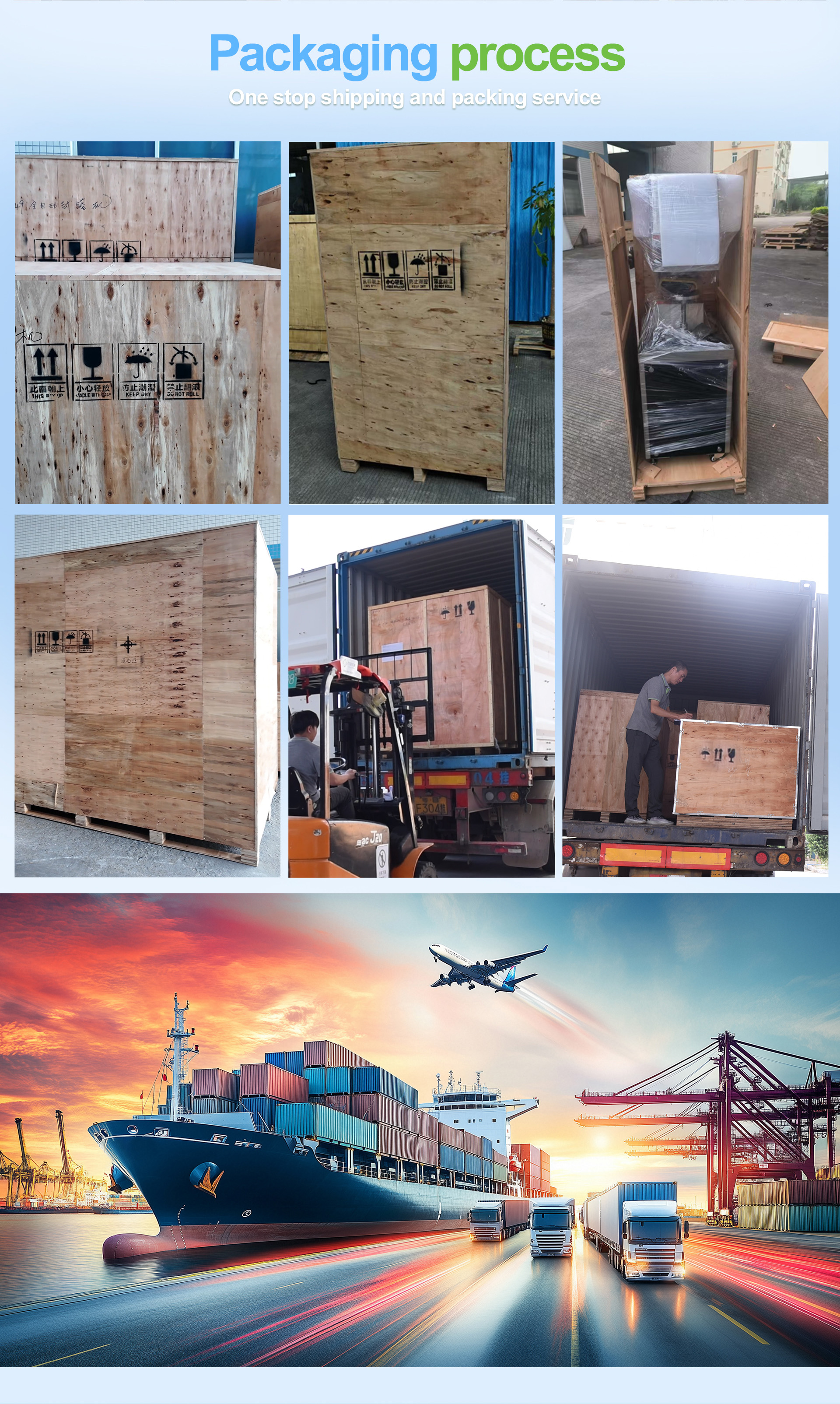




FCL (Full Container Load) means your shipment occupies an entire container, whereas LCL (Less than Container Load) involves sharing container space with other shippers' goods. FCL is generally faster and more economical for larger shipments.
Air freight rates are calculated based on either the actual gross weight or the volumetric (dimensional) weight of the cargo, whichever is greater. The standard formula for volumetric weight is Length x Width x Height (in cm) divided by 5000 or 6000 depending on the carrier.
The standard documentation includes a Commercial Invoice, a Packing List, a Bill of Lading (or Air Waybill), and a Certificate of Origin. Additional certificates or import permits may be needed depending on the destination country and nature of the goods.
Transit times depend primarily on the selected transport method (air, ocean, or rail), the distance of the shipping route, customs processing times, and potential weather delays. Air freight generally takes 3 to 7 days, while ocean shipping can take between 15 to 45 days.
Yes, securing comprehensive cargo insurance is strongly advised. It protects your financial investment against unforeseen logistics risks, such as handling damages, theft, carrier loss, or natural disasters during transit.