Engineered to meet the fast-paced logistical demands of São Paulo's inland distribution centers and the bustling Port of Santos.
São Paulo represents the economic backbone of Brazil, generating over 30% of the nation's GDP. As the main industrial belt spanning the ABCD region, Campinas, Sorocaba, and Guarulhos continues to scale, local enterprises face critical challenges: soaring land values for warehousing, increasing domestic transport costs along major highways like Rodovia Anchieta and Rodovia dos Bandeirantes, and strict labor regulations under CLT.
To maintain global competitiveness, industrial manufacturers and logistics providers in the state of São Paulo are shifting rapidly from manual handling to complete Loading and Unloading Automation. Automating cargo handling processes at the loading dock dramatically reduces dwell times, minimizes structural workplace injury claims, and optimizes throughput. Whether dealing with food and beverage processing, automotive parts assembly, or heavy industrial machinery, localized automated integration is now the primary lever for operational growth.
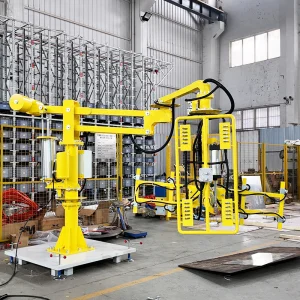
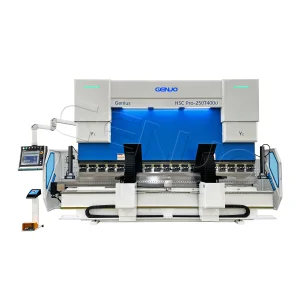
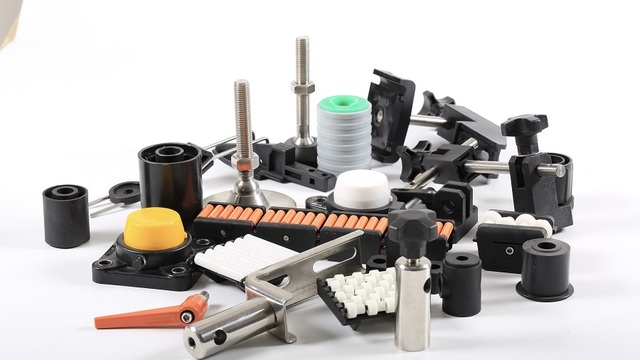
Precision tooling engineered for heavy industrial assembly lines and automated material feeding.
Procuring industrial-grade logistics machinery from global exporters requires navigating complex international trade requirements, especially within South America. For procurement teams in São Paulo, importing logistics conveyor lines, palletizing robots, and material handling systems requires deep alignment between Chinese manufacturing partners and local customs requirements (Receita Federal).
Brazil's complex tax system includes Import Tax (II), IPI (Industrialized Products Tax), and ICMS. Working with exporters who understand "Ex-Tarifário" regimes can reduce import duty rates on industrial robotics from standard rates down to 0%, optimizing capital expenditure.
To reduce ocean freight costs and ease customs inspections, equipment must be designed as modular, bolt-on components that fit standard 40ft High Cube containers. This speeds up assembly times upon arrival at Brazilian production sites.
Exporters must supply detailed electrical schematics, stress analysis reports, and safety certificates (CE, UL, and NR-12 compliance documents) to ensure seamless local customs clearance and rapid operational sign-offs.
Modern distribution logistics require more than individual, isolated pieces of equipment. High-capacity facilities in metropolitan São Paulo demand end-to-end material flow systems where incoming vehicles connect directly to sorting infrastructures. The modern loading dock is an active digital touchpoint in the supply chain ecosystem.
Shenzhen JK Logistics Co., Ltd. designs systems that link heavy-duty telescoping conveyor lines with automated palletizing structures and CNC-tending robot arms. By using advanced industrial communication protocols (EtherNet/IP, PROFINET, Modbus TCP), these systems integrate directly into local Warehouse Management Systems (WMS) and ERP networks. This connectivity allows supply chain managers to track processing speeds, predict maintenance requirements, and adjust sorting parameters in real-time.
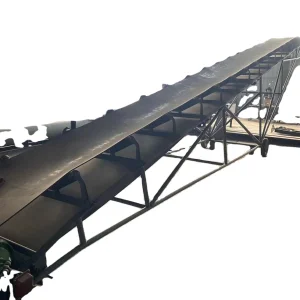
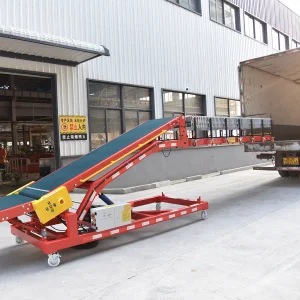
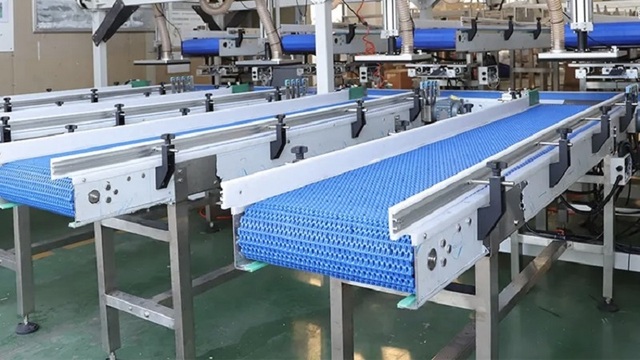
Telescopic belt and roller conveyor lines form the bridge between the trailer interior and the sorting center. These systems eliminate the need for forklifts to enter the container space, reducing vehicle wear and increasing operator safety. By extending up to 18 meters directly into the trailer, unloading cycles for a 40ft container can be cut from 3 hours to under 45 minutes.
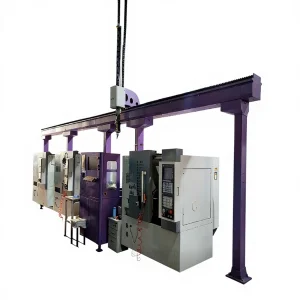
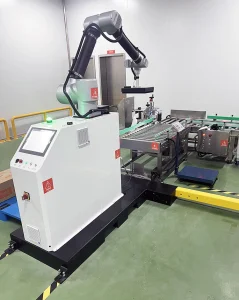
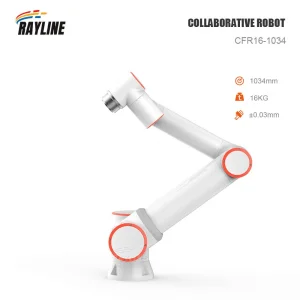
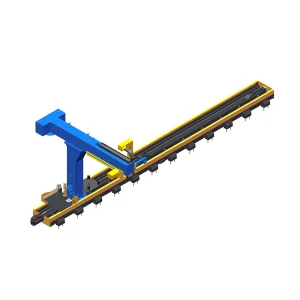
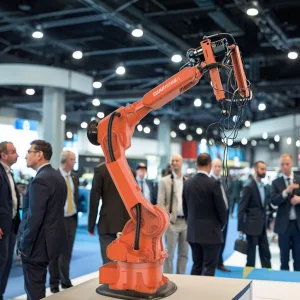
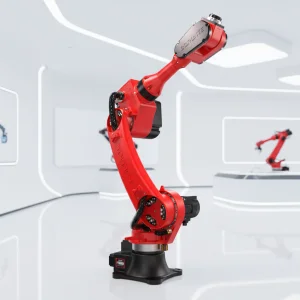
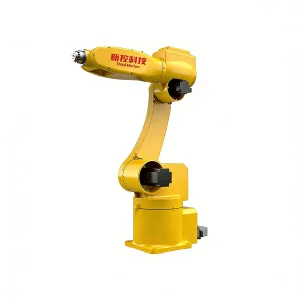
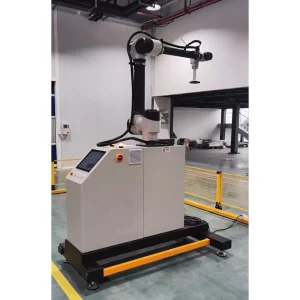
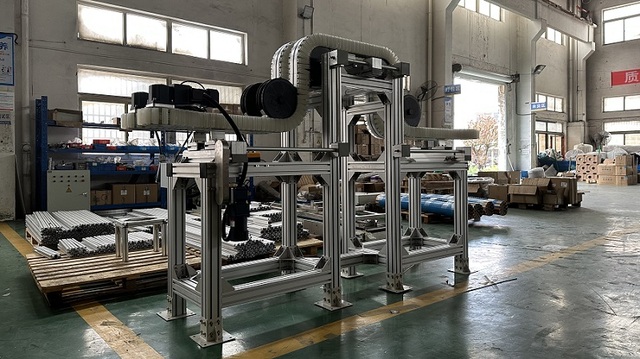
Once products are unloaded, high-speed 6-axis robotic arms and gantries handle high-density stacking, sorting, and part feeding. In CNC machining workshops throughout São Paulo's industrial sectors, automatic robotic loading cells run continuously without manual intervention. This setup maintains precise positioning, improves production quality, and operates safely alongside human staff.
The logistics industry is transitioning from simple automation to adaptive, AI-driven systems. For businesses in Latin America looking to future-proof their supply chains, keeping pace with key technological developments is essential:
Integrating 3D vision cameras and AI models into robotic depalletizers allows systems to process mixed-SKU pallets. Robots can dynamically identify parcel positions, dimensions, and orientations without pre-programmed SKU data.
Vibration sensors, temperature monitors, and current analysis systems installed on roller drives stream performance metrics to cloud-based diagnostic platforms. Plant technicians receive alerts before component failures occur, minimizing unplanned downtime.
With rising energy tariffs in Brazil, new machinery uses high-efficiency regenerative drive systems and smart lithium-ion charging networks, reducing total energy consumption by up to 35% compared to older material handling platforms.
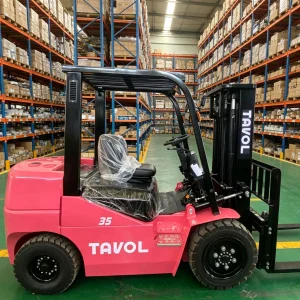
Heavy-duty automation, material handling, robotic palletizers, and electric forklift solutions for high-throughput distribution environments.
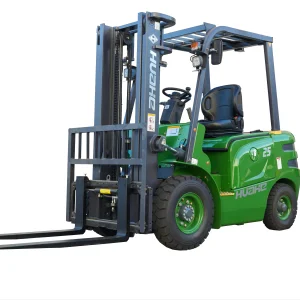
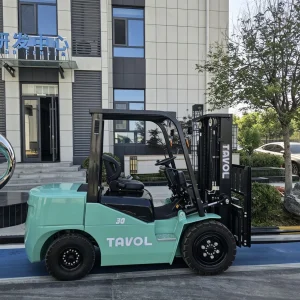
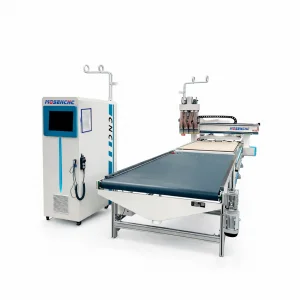
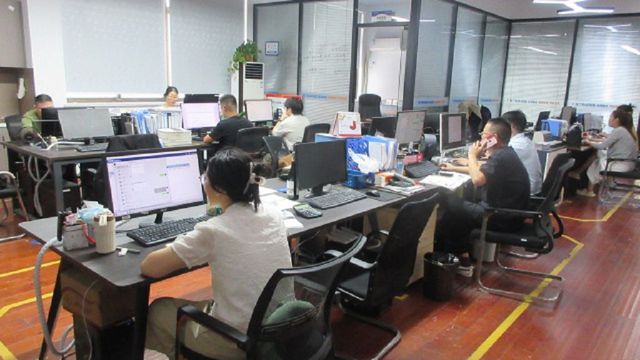
Shenzhen JK Logistics Co., Ltd. is a professional Warehouse Conveyor Systems Manufacturer specializing in material handling, sorting systems, and logistics automation solutions for modern warehouses, distribution centers, and industrial facilities. Based in Shenzhen, China, the company focuses on the development and production of intelligent automation equipment designed to improve operational efficiency, optimize material flow, and support the growing demands of global supply chains.
With extensive experience in warehouse and logistics automation, JK Logistics provides integrated solutions covering material handling systems, warehouse conveying equipment, automated sorting technologies, order fulfillment automation, pallet handling solutions, distribution center infrastructure, and smart logistics integration. These solutions are widely used in e-commerce fulfillment centers, retail distribution networks, third-party logistics operations, manufacturing facilities, and parcel processing hubs.
The company is committed to delivering reliable, scalable, and customized automation solutions that address the challenges of modern warehousing. Its engineering team collaborates closely with customers to analyze operational requirements, warehouse layouts, throughput objectives, and future expansion plans. By combining automation technology with practical logistics expertise, JK Logistics develops systems that improve productivity, reduce manual handling, enhance accuracy, and streamline warehouse operations.
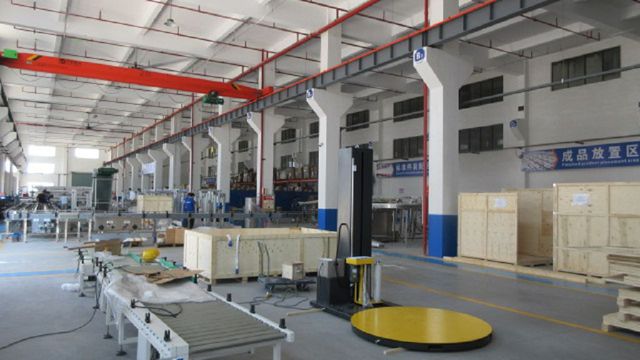
Equipped with advanced manufacturing capabilities and comprehensive quality management processes, the company maintains strict standards throughout design, production, testing, and installation. Continuous investment in research and development enables JK Logistics to incorporate intelligent control technologies, data-driven automation, and flexible system integration into its solutions.
Serving customers across Asia, Europe, North America, South America, the Middle East, and other international markets, Shenzhen JK Logistics Co., Ltd. is dedicated to providing efficient warehouse conveyor systems and logistics automation solutions that help businesses improve operational performance, increase supply chain efficiency, and adapt to the evolving requirements of modern distribution and fulfillment environments.

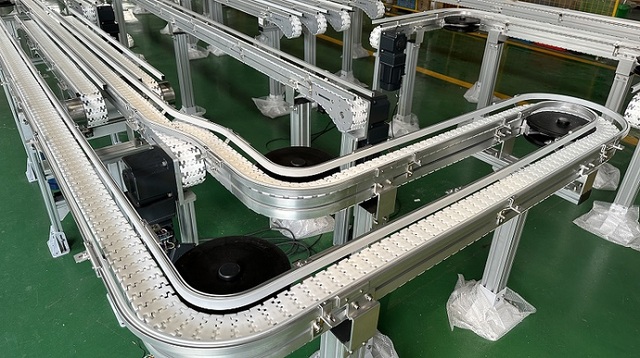
Safety is a key priority for industrial operations in Brazil. Under local NR-12 (Norma Regulamentadora 12) regulations, all machinery and work equipment must meet strict safety guidelines to protect operators. This framework applies to automated conveying systems, robotic arms, and high-speed palletizers.
To ensure compliant operations, JK Logistics equips all automated installations with required safety components: redundant emergency stops, physical safety barriers with interlocked switches, safety PLC monitors, and light curtains. We coordinate with local Brazilian safety engineers to provide the documentation needed for certification, helping to ensure smooth installations and compliance inspections.
Additionally, our remote support diagnostic models allow engineering teams in China to log in directly to PLC networks via secure VPNs. This enables real-time troubleshooting, software adjustments, and parameter optimization without the delay of on-site service calls, keeping your production lines moving.
 JK Logistics