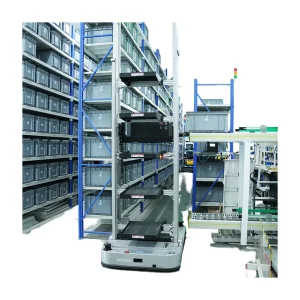
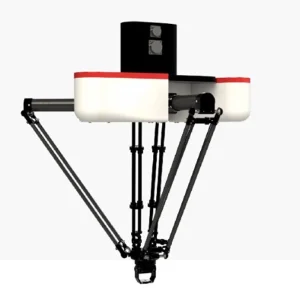
Integrating cutting-edge industrial technology directly tailored to dynamic logistics hubs in Dubai, Abu Dhabi, and the wider GCC region.
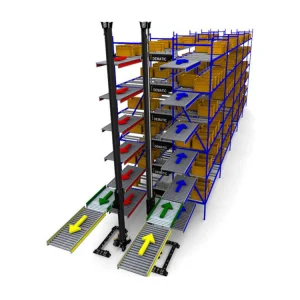
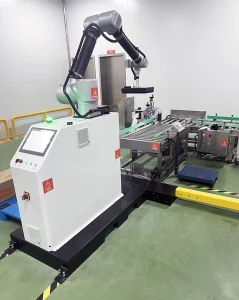
The United Arab Emirates (UAE) has rapidly transitioned from a transit trade hub into one of the most sophisticated, logistics-intensive regions globally. Propelled by national strategies such as the Dubai Economic Agenda D33 and Operation 300bn, the nation is positioning itself as a leader in intelligent supply chain infrastructure. Warehousing is no longer regarded as static real estate; it has evolved into a strategic throughput driver where floor utilization, dispatch kinetics, and energy metrics directly impact corporate balance sheets.
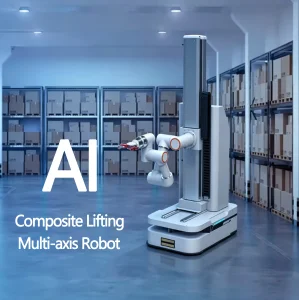
Currently, logistics centers in Jebel Ali Free Zone (JAFZA), KIZAD, and Dubai South face structural demands that cannot be resolved via traditional labor structures. The explosive growth of regional e-commerce, combined with a rising requirement for high-accuracy pharmaceutical and cold-chain fulfillment, demands the deployment of advanced automation systems. Systems such as automated storage and retrieval systems (AS/RS), collaborative robotic palletizers, and AI-enabled pick-and-place lines are shifting from operational luxury to structural necessity.
Fulfillment centers in the UAE serve as critical nodes connecting Eastern manufacturing hubs to Western consumers. To maintain competitive advantage, local operators must design systems capable of managing thousands of Stock Keeping Units (SKUs) under tight fulfillment windows. Integrating intelligent goods picking automation allows logistics enterprises to mitigate human error, secure complete inventory visibility, and maximize structural storage space—eliminating vertical inefficiencies in land-constrained, high-premium zones.
Operating high-capacity supply chain assets within the Middle East presents unique environmental and operational challenges. Resolving these demands specialized engineering expertise and systems resilient enough to withstand local conditions.
| System Paradigm | Typical Load Capacity | Ideal Application Profile | Operational Climate Tolerance | Primary ROI Driver |
|---|---|---|---|---|
| Heavy Duty ASRS | 1000kg - 4000kg / Layer | Industrial Manufacturing & Cold Storage Hubs | -25°C to +45°C (Climate Controlled) | Maximum vertical density & safety |
| Pick to Light Systems | Variable / Case Level | High-Velocity E-Commerce Fulfillment | Standard ambient environments | Elimination of human pick errors |
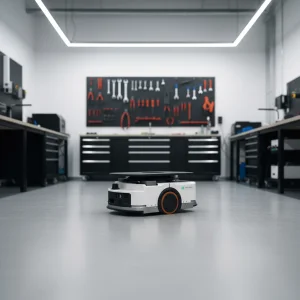
| CTU AGV / AMR | 500kg - 1500kg | Dynamic Floor Picking & Staged Transport | IP54 rated, anti-humidity treated | Flexible, rapid operational scaling |
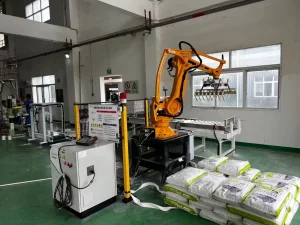
| Robotic Palletizers | Up to 150kg per cycle | End-of-line manufacturing & dispatch | Robust industrial execution | Continuous multi-shift operations |
Developing warehouse automation for the Middle East market requires an understanding of localized business processes, structural regulations, and supply chain timelines.
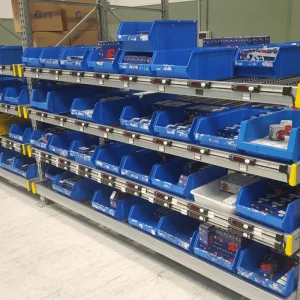
Modern e-commerce consumers in major urban centers expect fast fulfillment times, often within hours. Achieving these speeds requires automated goods-to-person picking systems. Deploying autonomous mobile robots (AMRs) and Pick-to-Light sort systems directly to the picking face helps logistics providers increase order processing speed, minimize human travel time, and optimize last-mile routing.
Driven by national healthcare resilience initiatives, the UAE has expanded its cold storage infrastructure for biologics, vaccines, and pharmaceutical goods. Because human occupancy in deep-freeze environments is strictly regulated, automated robotic picking systems and unit-load stacker cranes are used to handle pallet loads in temperatures as low as -25°C, ensuring unbroken temperature tracking.
From heavy metal manufacturing to food processing, UAE factories require automated systems capable of moving raw components directly to assembly lines. Heavy-duty ASRS with high-capacity configurations handle pallets and large bins safely, reducing material transit damage and optimizing the flow of raw materials.
The global logistics landscape is undergoing a major shift. The combination of advanced machine vision, artificial intelligence, and stable hardware manufacturing has made high-performance automation more accessible. Organizations are moving away from proprietary, rigid automation frameworks toward modular, open-architecture systems.
As a major industrial manufacturer, China has built an efficient supply chain ecosystem that supports logistics automation worldwide. By integrating advanced R&D, rapid electronic component sourcing, and high-precision steel fabrication, Chinese manufacturers deliver cost-competitive, reliable automation hardware.
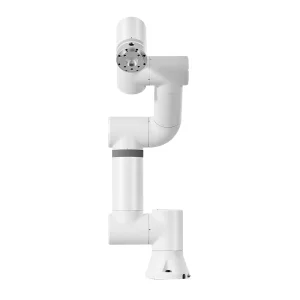
For UAE logistics operators, this synergy offers access to high-performance automated systems at a lower total cost of ownership. Automated guided vehicles (AGVs), stacker cranes, and robot arms manufactured in China meet international quality standards while offering shorter delivery timelines and adaptable configurations.
Modern picking systems rely on advanced software integrations. Computer vision systems powered by OpenCV enable robotic arms to identify, pick, and pack varied SKUs with high accuracy. Additionally, cloud-based Warehouse Management Systems (WMS) integrate with on-site Warehouse Control Systems (WCS) via 5G networks, allowing operators to monitor fleet coordinates, battery cycles, and picking speeds in real time.
Shenzhen JK Logistics Co., Ltd. is a professional Warehouse Conveyor Systems Manufacturer specializing in material handling, sorting systems, and logistics automation solutions for modern warehouses, distribution centers, and industrial facilities. Based in Shenzhen, China, the company focuses on the development and production of intelligent automation equipment designed to improve operational efficiency, optimize material flow, and support the growing demands of global supply chains.
With extensive experience in warehouse and logistics automation, JK Logistics provides integrated solutions covering material handling systems, warehouse conveying equipment, automated sorting technologies, order fulfillment automation, pallet handling solutions, distribution center infrastructure, and smart logistics integration. These solutions are widely used in e-commerce fulfillment centers, retail distribution networks, third-party logistics operations, manufacturing facilities, and parcel processing hubs.
The company is committed to delivering reliable, scalable, and customized automation solutions that address the challenges of modern warehousing. Its engineering team collaborates closely with customers to analyze operational requirements, warehouse layouts, throughput objectives, and future expansion plans. By combining automation technology with practical logistics expertise, JK Logistics develops systems that improve productivity, reduce manual handling, enhance accuracy, and streamline warehouse operations.
Equipped with advanced manufacturing capabilities and comprehensive quality management processes, the company maintains strict standards throughout design, production, testing, and installation. Continuous investment in research and development enables JK Logistics to incorporate intelligent control technologies, data-driven automation, and flexible system integration into its solutions.
Serving customers across Asia, Europe, North America, South America, the Middle East, and other international markets, Shenzhen JK Logistics Co., Ltd. is dedicated to providing efficient warehouse conveyor systems and logistics automation solutions that help businesses improve operational performance, increase supply chain efficiency, and adapt to the evolving requirements of modern distribution and fulfillment environments.
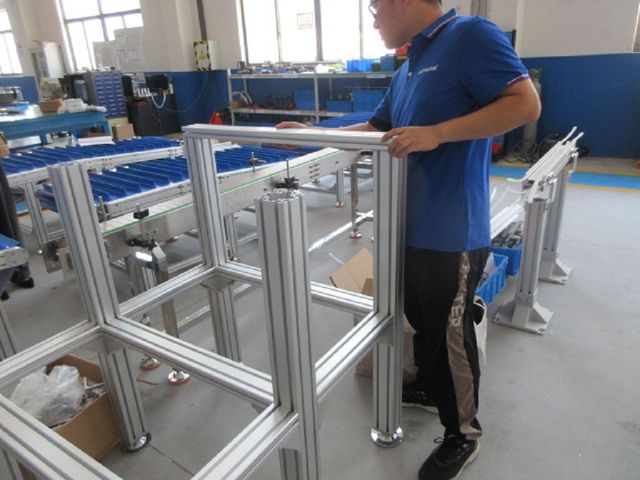
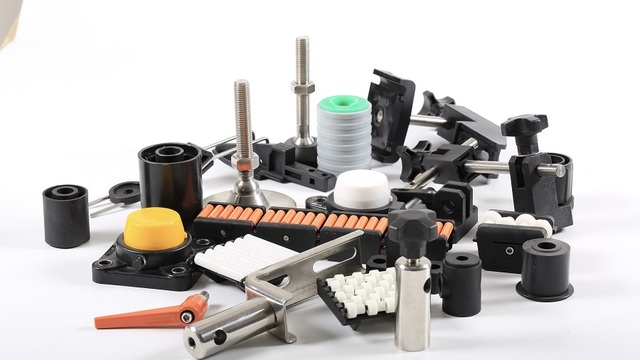

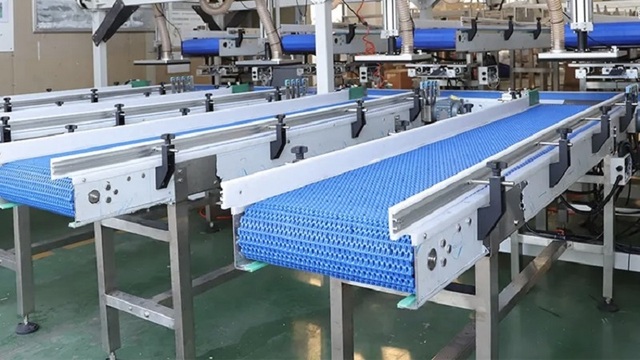
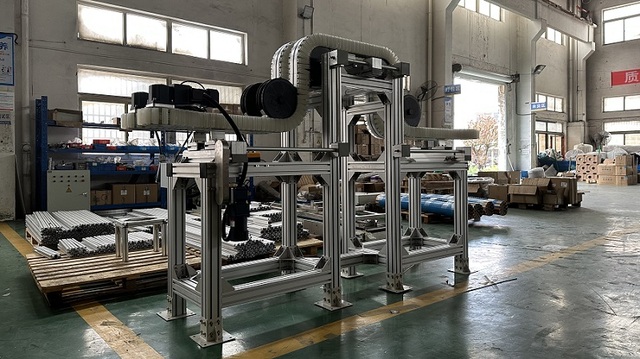
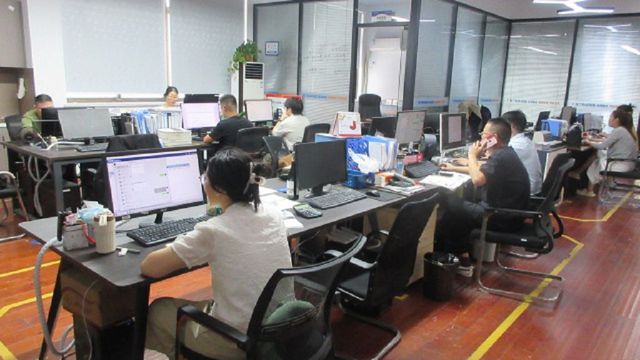
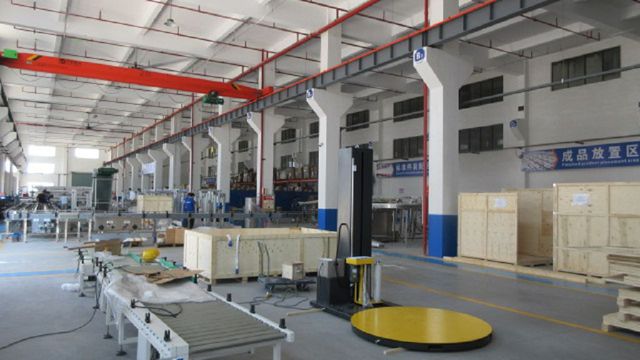
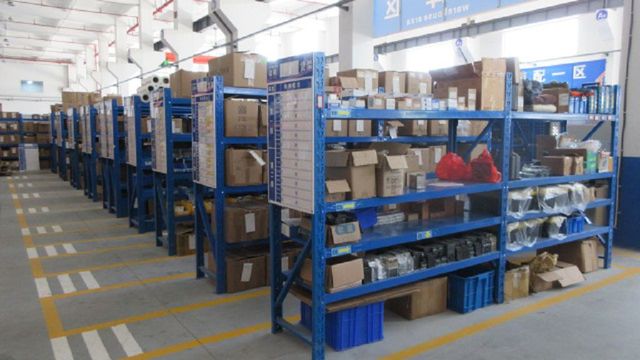
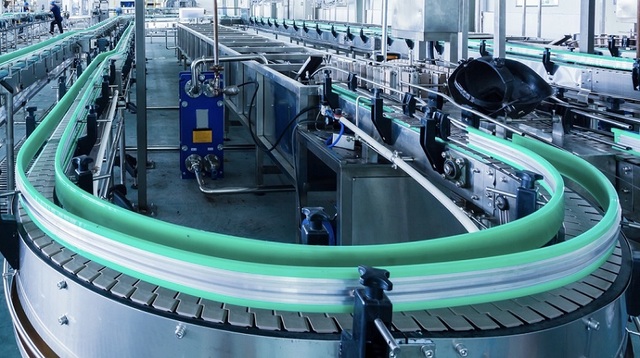
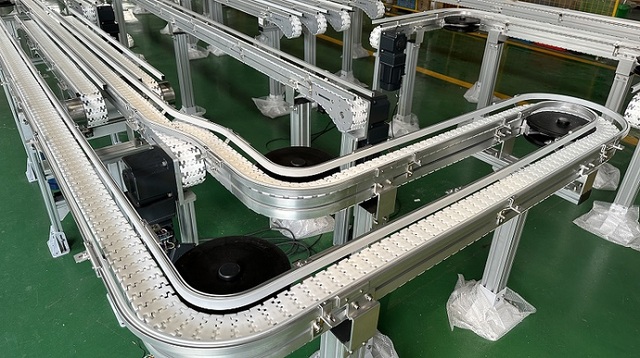
Deploying high-bay structural automation in the GCC region requires strict adherence to local regulations. Our engineering teams design all logistics systems in compliance with relevant standards to ensure smooth project approval and long-term operating reliability.
We support our installations through local integration partners in the UAE. This allows us to offer on-site deployment, calibration, operator training, and local maintenance support, backed by remote diagnostic connections directly to our Shenzhen R&D office.
Our complete range of automated solutions, robotic systems, and component subsystems engineered for GCC logistics infrastructures.
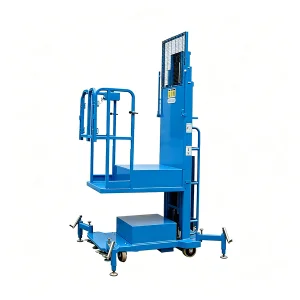
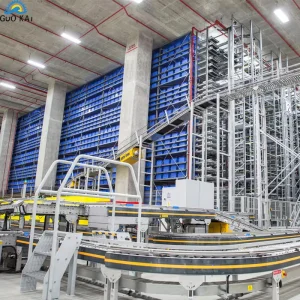
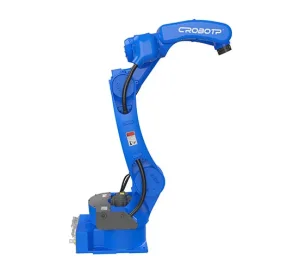
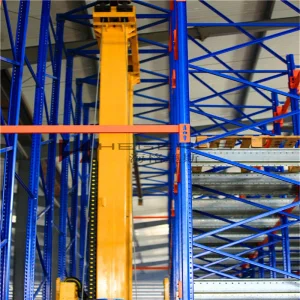
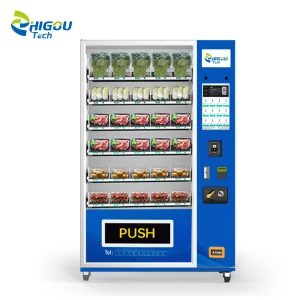
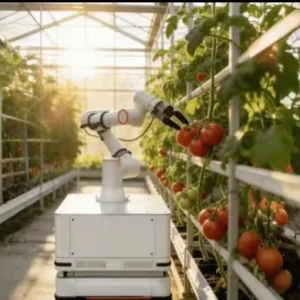
Expert answers to technical and operational questions regarding the deployment of goods picking automation in Middle East environments.
High ambient temperatures and humidity require specialized thermal management for electronic controls, motor cooling, and battery charging stations. We design our robotic systems, including CTU AGVs and stacker cranes, with IP54 rating enclosures, high-grade insulation, and efficient thermal dispersion pathways. For cold storage facilities, we utilize specialized low-temperature lubricants and condensation-resistant electronics to prevent damage from temperature transitions.
Equipment imported into the UAE must comply with the SASO/SABER platform requirements, obtaining the relevant Product Certificate and Shipment Certificate. Additionally, all high-bay structural elements and integrated electronics must comply with UAE Civil Defense regulations, particularly regarding integrated fire suppression, seismic load resistance, and structural safety clearances.
Due to high real estate costs in primary economic zones like JAFZA and Dubai South, space optimization is a major financial factor. Most of our clients achieve full return on investment (ROI) within 18 to 24 months. This is driven by up to a 400% increase in storage capacity per square meter, reduced cooling costs, and minimized product damage.
Yes. Our systems use standardized, open-architecture APIs. The Warehouse Control System (WCS) integrates with common ERP platforms like SAP, Oracle, and Microsoft Dynamics, as well as specialized Warehouse Management Systems (WMS). This ensures real-time communication for tracking inventory positions, picking queues, and dispatch schedules.
Request a consultation with our industrial engineering team for a customized layout design, throughput calculation, and ROI analysis.
Send Inquiry Now JK Logistics